The Split Between Field and Show Shorthairs
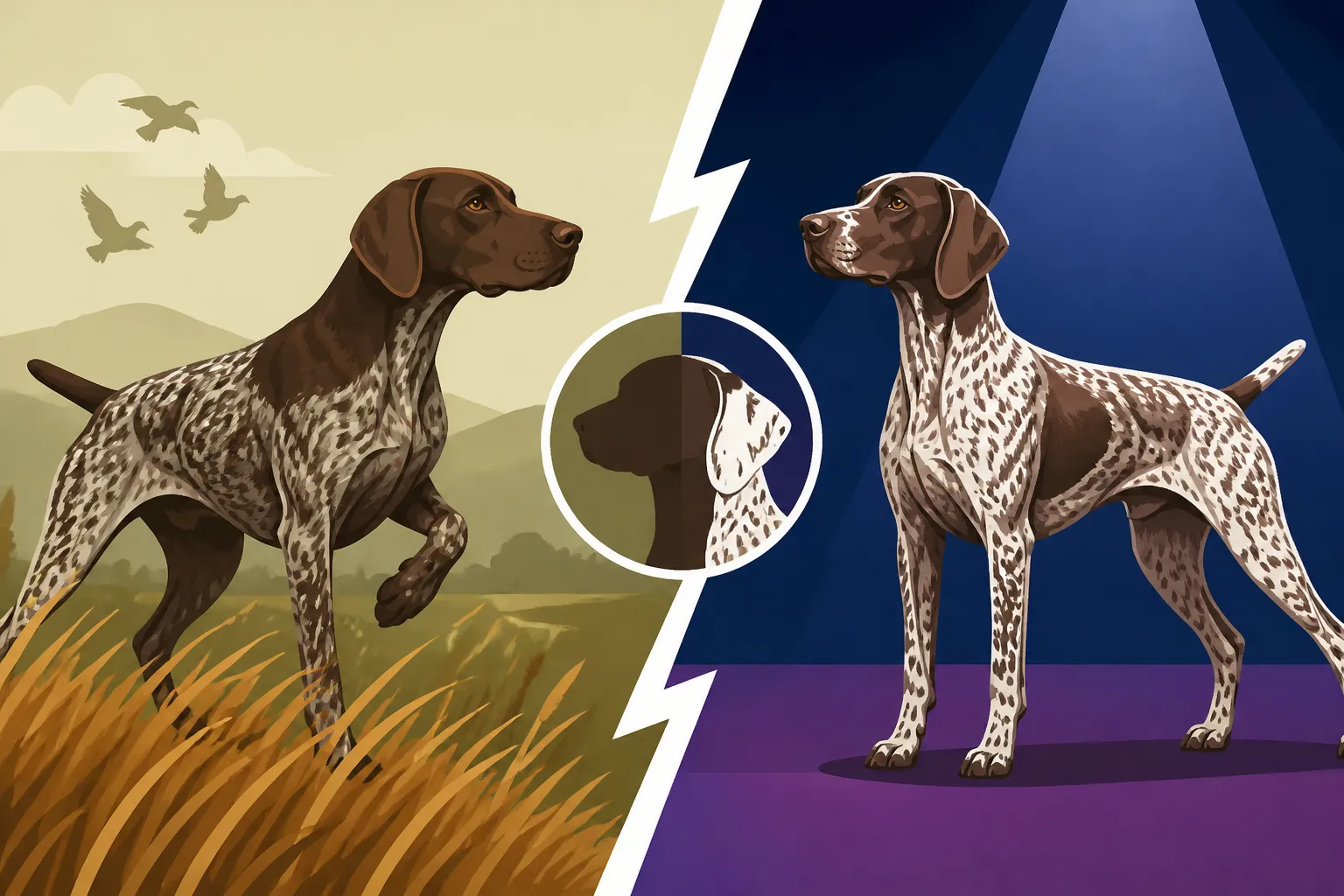
If you've ever started looking for a German Shorthaired Pointer puppy, you might quickly realize that not all GSPs are bred with the same goals in mind. It can be incredibly confusing to navigate the world of "field lines" versus "show lines," wondering what the real differences are and which type will fit best into your home and lifestyle. This comprehensive guide is here to demystify that split, helping you understand the origins, physical traits, temperaments, and daily realities of living with both field-bred and show-bred Shorthairs.
The Roots of Divergence: How the Split Began
It’s easy to look at a German Shorthaired Pointer and assume they’re all cut from the same cloth, especially with the breed's reputation for versatility. After all, the German Shorthaired Pointer was specifically developed in Germany to be an all-around hunting dog, capable of pointing, retrieving from land and water, and even tracking furred game. The German Kennels the Shorthair Was Built In were driven by a desire for a dog that could do everything, eliminating the need for multiple specialist dogs. This foundational ideal of "versatility" is still technically the breed standard.
The Original Vision: A True Versatile Hunter
In their homeland, German Shorthaired Pointers, or Deutsch Kurzhaars, are still rigorously tested for their innate hunting abilities before they can be bred. This ensures that the dogs retain the core traits that made them so valuable: a keen nose, a strong prey drive, biddability, and a robust constitution. The conformation (physical structure) of the dog was always seen as directly supporting its function in the field. A dog had to be built to run all day, navigate dense cover, and swim icy waters without breaking down. Aesthetics were secondary to performance; a beautiful dog that couldn't hunt simply wasn't a desirable animal.
This breeding philosophy produced dogs that were incredibly efficient and resilient. They weren't just pointers; they were retrievers, trackers, and companions, built with a strong work ethic and the physical prowess to match. This focus on performance meant that traits like endurance, scenting ability, and trainability for various hunting tasks were paramount. It was about creating a functional animal, not just one that looked a certain way.
Diverging Paths: The American Influence
When German Shorthaired Pointers made their way to America, particularly after the breed gained recognition with the American Kennel Club (AKC) in the 1930s, new breeding priorities began to emerge. While many American breeders continued to value hunting ability, others started to focus on producing dogs that excelled in the conformation show ring. The demands of the show ring are different from the demands of a hunting field. In the ring, judges assess dogs purely on their adherence to a written breed standard, which describes an ideal appearance, gait, and general demeanor.
Over decades, this led to a subtle but undeniable divergence. Breeders aiming for show ring success naturally selected for dogs with particular aesthetic qualities – perhaps a certain head shape, a specific tail set, or a more exaggerated gait that catches a judge's eye. Field breeders, on the other hand, continued to select for dogs with the strongest hunting instincts, boundless energy, and the physical build best suited for long days afield. This isn't to say that show dogs can't hunt or field dogs can't be pretty, but the emphasis shifts, and with it, the genetic pool begins to specialize. The more generations you breed for a specific purpose, the more pronounced those traits become.
German vs. American Breeding Philosophies
The split between field and show lines is particularly noticeable when comparing American GSPs to their German counterparts, often still referred to as Deutsch Kurzhaars. In Germany, the breeding programs are much more tightly regulated, with mandatory hunting tests (such as the VJP and HZP) that dogs must pass before they are eligible for breeding. These tests evaluate natural hunting abilities, temperament, and physical soundness for work. This stringent system ensures that the working function of the breed remains intact across almost all lines.
In the United States, while there are organizations like the North American Versatile Hunting Dog Association (NAVHDA) and the AKC Hunt Test program that champion performance, participation is not mandatory for breeding registration. This difference in regulation allows for a broader spectrum of breeding goals. Some American breeders strive for "dual purpose" dogs that can excel in both the field and the show ring, but it's an increasingly challenging endeavor as the two ideals drift further apart. The majority of dogs seen in American show rings are rarely, if ever, asked to perform actual hunting tasks, and conversely, many top field trial dogs would likely not place well in a conformation event due to their lean, athletic build.
Physical Distinctions: Form Versus Function
When looking at a German Shorthaired Pointer, the differences between field and show lines might not be immediately obvious to the untrained eye, but they are there. These distinctions are direct reflections of the breeding goals, optimizing the dog's body for either the show ring or the rigors of hunting. How Shorthair Field Lines and Show Lines Diverged physically is quite interesting.
Conformation for Function vs. Form
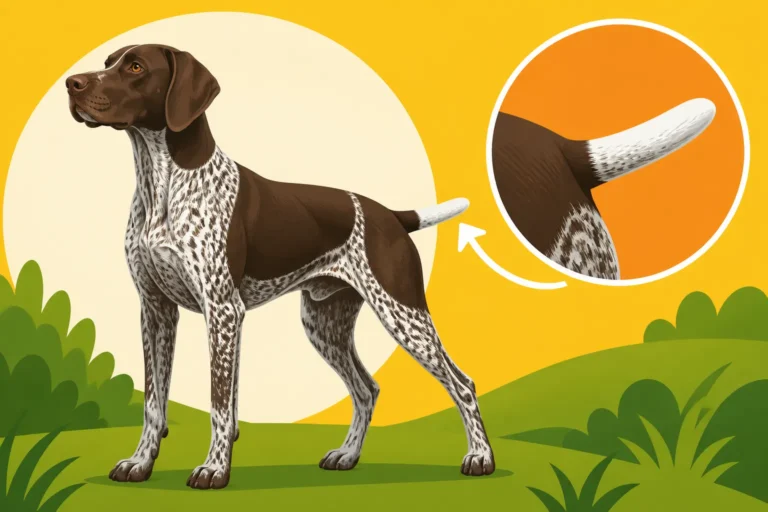
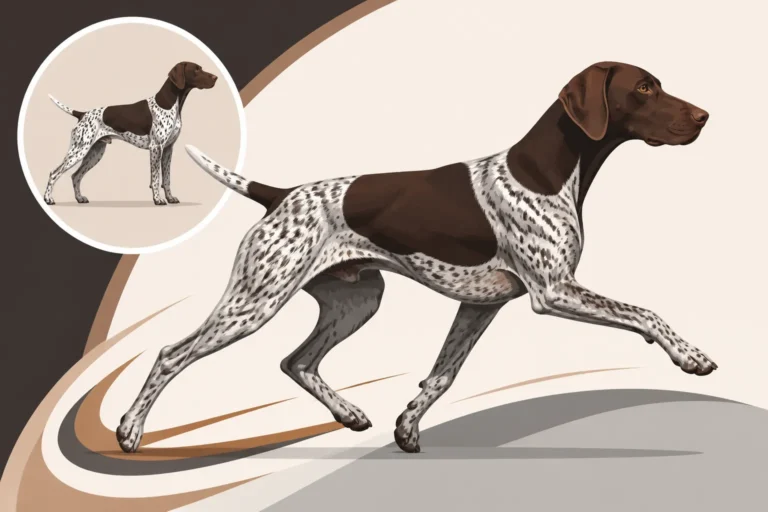
A field-bred German Shorthaired Pointer is built for endurance, agility, and speed in varying terrain. You'll often notice a leaner, more athletic frame. Their muscles are typically long and well-defined, designed for explosive bursts of speed and sustained running. Their bone structure tends to be lighter, contributing to their remarkable stamina and quick movements through dense cover. The overall impression is one of a streamlined athlete, ready to spring into action at a moment's notice. Every part of their body is geared towards efficiency in motion.
Show-bred GSPs, on the other hand, are bred to conform as closely as possible to the AKC breed standard's aesthetic ideals. This often translates to a slightly heavier bone structure, a more substantial body, and a deeper chest. Their movement in the ring is expected to be powerful and elegant, often with a higher, more emphasized "hackney" gait that might not be practical for long hours in the field but looks magnificent on a short leash. The focus here is on balance, symmetry, and a "picture" of the ideal GSP, rather than on the raw functionality of that picture. These dogs are undeniably beautiful, embodying a sculpted ideal of the breed.
Coat and Conditioning
While both types of German Shorthaired Pointers have a short, dense coat, there can be subtle differences in how they are conditioned and presented. A field dog's coat is almost always presented in its natural state, often showing the wear and tear of briars, burrs, and general outdoor activity. Their skin is expected to be tough and resilient, protecting them from the elements and underbrush. They might have more scars or calluses from their active lifestyle, which are seen as badges of honor rather than flaws.
Show dogs, while still having short coats, often have theirs meticulously conditioned for maximum shine and healthy appearance. Their skin and coat might be a bit softer to the touch, as they aren't constantly exposed to harsh elements or rough cover. Grooming for the show ring often involves regular bathing with specific shampoos and conditioners, ensuring a gleaming, flawless presentation. Products from brands like Chewy can be invaluable for maintaining a show dog's pristine coat condition, helping it stand out under the bright lights of the ring. The goal is perfection in every detail, even down to the sheen of their fur.
Weight and Build
When it comes to size, both field and show GSPs should fall within the breed standard's prescribed height and weight ranges. However, within those parameters, you'll often see field dogs tending towards the lower end of the weight scale and often presenting a more "hard" or "lean" physical condition. Their leanness isn't about being underweight; it's about being incredibly fit, with very little excess body fat. Their muscle tone is often visible, giving them a sleek, powerful look that screams "athlete."
Show dogs can carry a bit more substance, sometimes appearing more "filled out" or muscular in a bulkier sense. They are still athletic, but their musculature might be less about sustained endurance and more about powerful, coordinated movements for a short burst in the ring. The standard allows for a range in The Size and Build the Shorthair Standard Asks For, and show breeders might favor the middle to upper end of that weight range to achieve a more imposing presence in the show ring. Neither is inherently "wrong," but they represent different interpretations of the ideal Shorthair physique.
Temperament and Drive: The Inner Workings
Beyond their physical appearance, the most significant differences between field and show German Shorthaired Pointers lie in their temperament, energy levels, and inherent drives. This is where the core purpose of their breeding truly shines through, and it's a critical factor for any prospective owner to understand.
The Field Dog's Intensity
A field-bred GSP is a powerhouse of energy and instinct. These dogs are bred to hunt, and they possess an incredibly high prey drive, boundless stamina, and an intense focus when it comes to game. Their minds are constantly seeking out birds, and their bodies are primed for action. They often exhibit a higher level of "biddability" in the field – a willingness to work with their handler and take direction – but this is often paired with an almost insatiable desire to be doing something.
Living with a field-bred GSP means understanding this intensity. They thrive on challenging work and extensive physical exercise. The Two Hours a Day a German Shorthaired Pointer Needs is not an exaggeration for these dogs; often, it's a minimum. Without sufficient mental and physical outlets, this intensity can manifest as destructive behavior, excessive barking, or anxiety. They are problem-solvers by nature, and if you don't give them a job, they'll invent one, which might not always align with your household rules.
The Show Dog's Composure
Show-bred German Shorthaired Pointers, while still retaining the breed's inherent athleticism and intelligence, are often bred for a slightly more mellow temperament in a domestic setting. They need to be calm and composed enough to stand still for examination, gait gracefully on a leash, and tolerate being handled by strangers (the judges) without showing shyness or aggression. This emphasis on composure and biddability in a controlled environment can result in dogs that are somewhat less "wired" than their field counterparts.
This isn't to say a show dog is a couch potato; they are still German Shorthaired Pointers and require substantial exercise and mental stimulation. However, their drive might be channeled differently. They might be more content with long walks, hikes, or playing fetch in the yard, rather than needing to quarter a prairie for hours on end. Their prey drive is still present, but perhaps not with the same all-consuming intensity that defines many field lines. They are often excellent family dogs precisely because they can switch off a little easier when the workday is done.
Prey Drive and Focus
The difference in prey drive and focus is a hallmark of the split. A field-bred GSP's world often revolves around scent and movement. They are constantly scanning, sniffing, and reacting to environmental cues that might indicate game. This hyper-focus on hunting tasks is what makes them exceptional in the field, but it can also make them challenging in an urban environment. A squirrel in the park isn't just a squirrel; it's a target for pursuit, and their recall might be tested to its limits when that instinct kicks in.
Show-bred GSPs still have a prey drive – it's intrinsic to the breed – but it might be less overwhelming or more easily managed. They can often be trained to be more reliable in distraction-rich environments, as their breeding has subtly favored a temperament that can focus on the handler even when exciting things are happening around them. This doesn't mean they won't chase a rabbit, but they might be more amenable to being called back, making them a bit easier for the average family dog owner who isn't planning on running hunt tests every weekend.
Training Approaches: Tailored Methods
Given the distinct temperaments and drives, it stands to reason that the training approaches for field and show German Shorthaired Pointers will also differ significantly. While basic obedience is crucial for any dog, the specialized training for each line reflects their intended purpose.
Field Training Fundamentals
For a field-bred German Shorthaired Pointer, training begins early and is intensely focused on developing and refining their natural hunting instincts. This includes teaching them to "whoa" (stop on command, usually at the scent of a bird), steadying them to wing and shot (remaining still when a bird flushes and a gun is fired), and ensuring a reliable retrieve. Introducing a German Shorthaired Pointer to Birds often starts with very young puppies, gently exposing them to the sights, sounds, and scents of game. The goal is to build a cooperative hunting partner, capable of intricate tasks in dynamic environments.
Much of this training involves specialized equipment, such as check cords, e-collars (used responsibly and after extensive foundational training), and bird launchers. Handlers spend countless hours working on specific drills to hone their dog's quartering pattern, scenting ability, and pointing intensity. Patience and consistency are paramount, as these dogs are often independent thinkers, and their high drive needs to be carefully channeled. Proper field training isn't just about obedience; it's about shaping instinct into a polished, effective hunting performance.
Show Ring Preparation
Training a show-bred GSP for the conformation ring is an entirely different discipline. Here, the focus is on perfecting their stack (the way they stand for examination), their gait (how they move on the lead), and their overall presentation. They must learn to tolerate a judge examining their teeth, feeling their structure, and moving their limbs. This requires a calm, confident demeanor and a willingness to be handled by strangers. The dog needs to move fluidly and gracefully, exhibiting the "reach and drive" that the breed standard demands.
Lead training is critical, teaching the dog to move at the right pace and position relative to the handler, showcasing their movement to its best advantage. Bite work, where the dog learns to allow its mouth to be opened for teeth inspection, is also crucial. Show dogs often attend weekly handling classes where they practice these skills in a simulated ring environment. While they might not be chasing pheasants, their training is equally demanding, requiring significant dedication to develop the poise and precision needed to win. This is where brands like Chewy come in handy, offering a variety of training treats and specialty leashes designed for show dogs.
Pet Home Adaptations
For families looking for a companion and not necessarily a hunting or show dog, understanding these distinctions is vital. A field-bred GSP can absolutely be a wonderful pet, but their owner must be prepared to meet their immense exercise and mental stimulation needs. This might mean daily long runs, bikejoring, extensive scent work games, or joining dog sports like agility or dock diving. Exercise a Shorthair Needs Before a Work Day is essential to prevent destructive behaviors. Ignoring these needs isn't fair to the dog and will lead to a very difficult living situation.
A show-bred GSP, while still high-energy, might be a slightly more manageable choice for a first-time GSP owner or someone who isn't deeply involved in outdoor sports. They will still require vigorous daily exercise and consistent training, but their inherent drive might be easier to satisfy with varied activities rather than intense, prolonged hunting simulations. Both types benefit immensely from early socialization and consistent positive reinforcement, but the intensity and type of daily engagement needed differ significantly.
Health Considerations: Different Priorities
While German Shorthaired Pointers are generally a robust and healthy breed, the divergence into field and show lines can sometimes influence the prevalence or focus on certain health issues. Both types should be from parents with health clearances, but the specific concerns might vary slightly.
Genetic Health Priorities
Responsible breeders of both field and show lines strive to produce healthy puppies, often conducting genetic tests and physical clearances on their breeding stock. Common health clearances for the breed include evaluations for hip and elbow dysplasia, eye conditions, cardiac health, and Von Willebrand Disease (a bleeding disorder). What OFA Hip and Elbow Films Cost on a Shorthair is an important investment for any responsible breeder. However, the emphasis or perceived severity of certain issues can differ.
Field breeders might prioritize structural soundness that can withstand extreme physical exertion, focusing heavily on hips, elbows, and general resilience. They need dogs that can run hard for years without breaking down. Show breeders, while also valuing soundness, might pay closer attention to issues that could affect a dog's appearance or gait in the ring, such as certain eye conditions or dental alignment, in addition to major orthopedic concerns. The overall goal is health, but the lens through which "health" is viewed can be subtly shaped by the demands of their respective disciplines.
Injury Risks
Field-bred German Shorthaired Pointers, by the nature of their work, are exposed to a higher risk of certain types of injuries. Running through dense cover, over varied terrain, and often in challenging weather conditions puts them at risk for cuts, scrapes, pad injuries, torn ligaments (like cruciates), and even embedded foreign objects like foxtails. Field Injuries a Hunting German Shorthaired Pointer Comes Home With are a common reality for owners of active hunting dogs. These dogs often have exceptional pain tolerance, which means owners must be vigilant in checking them thoroughly after every outing.
Show dogs, living a generally less physically demanding lifestyle, typically face fewer acute traumatic injuries from their "work." However, they are still active dogs and can suffer from sprains or strains from everyday play or exercise. Their injury risks are often more aligned with typical family dogs, though their strong desire to run and jump still means owners need to be mindful of joint health, especially as they age. Both types can be susceptible to common canine ailments like bloat, a life-threatening condition that all GSP owners should be aware of.
Longevity and Lifestyle
The active lifestyle of a field-bred GSP can contribute to excellent cardiovascular health and strong muscles, which can support longevity. However, the constant physical stress and potential for injury also mean that a field dog might require more proactive joint care and veterinary attention over their lifespan. Their "working life" might also be shorter if they sustain injuries that prevent them from performing at their peak.
Show-bred GSPs, with potentially fewer intense physical demands, might experience a slightly different trajectory. Their overall health and longevity are still heavily influenced by genetics, diet, and general care. The breed typically lives The Twelve to Fourteen Years a German Shorthaired Pointer Gets, and maintaining a healthy weight and consistent exercise routine is key for both types of dogs to reach their full potential lifespan, regardless of their original breeding purpose. Regular veterinary check-ups and a quality diet, perhaps from Chewy's selection of performance dog foods, are crucial for both.
Living with Each Type: Daily Realities
Deciding whether a field-bred or show-bred German Shorthaired Pointer is right for you means seriously considering the daily realities of living with each type. Their energy levels, training needs, and general disposition translate directly into the kind of life you'll need to provide.
Exercise Demands
This is arguably the biggest differentiator. A field-bred GSP needs truly extensive, vigorous exercise every single day. We're talking about hours of running, exploring, and mentally engaging activity. A simple walk around the block, even a long one, is usually not enough to satisfy their deep-seated drive. These dogs thrive on activities like off-leash running in safe, open spaces, hiking, bikejoring, or participating in dog sports that mimic hunting. If you can't commit to this level of daily exertion, a field-bred GSP is likely to become bored, destructive, and difficult to manage. Imagine trying to contain a coiled spring in a small box – that's often what it feels like if their exercise needs aren't met.
Show-bred GSPs, while still energetic and needing plenty of exercise, often have a slightly more "off switch." They will still require significant daily activity – long walks, jogs, vigorous games of fetch, or trips to the dog park – but the intensity and duration might be a bit less demanding than for a field dog. They might be more content with a couple of solid hours of activity rather than needing to run for four or five. They can often adapt more readily to a routine that includes varied exercise options, making them a good fit for active families who enjoy outdoor activities but aren't necessarily hardcore hunters.
Family Life and Compatibility
Both types of German Shorthaired Pointers are known for being devoted, affectionate, and intelligent companions. They are generally good with children when properly socialized and trained, but their energy levels can be a factor. A field-bred GSP's exuberance and high drive might be overwhelming for very young children or those unfamiliar with powerful, enthusiastic dogs. Their intense play style and penchant for "mouthiness" (mouthing hands and arms during excitement) need careful management. They thrive in homes where they can be included in active family adventures.
Show-bred GSPs are often selected for a more stable and calm temperament, making them potentially a slightly easier fit for families with younger children or those who prefer a dog that is less constantly "on." They still love to play and be part of the family, but their energy might be expressed in a less intense, more manageable way within the home. Regardless of the line, proper socialization from a young age is crucial for a GSP to integrate well into any family setting, especially around children and other pets.
Grooming and Maintenance
The basic grooming needs for both field and show GSPs are similar: minimal coat care due to their short hair, regular nail trims, and ear cleaning. However, the context changes. A field dog will require meticulous checking after every outing to remove burrs, foxtails, and ticks. Their ears will need drying and cleaning more frequently, especially if they are working in water, to prevent infections. A Shorthair's Ear Infection That Returns Every Duck Season is a common frustration for owners who don't stay on top of ear hygiene. Their pads might also need more attention, perhaps with conditioning balms or even boots for protection on rough ground.
Show dogs generally have less "dirty" work, so while daily checks for general health are still important, they won't typically come home covered in mud and burrs as often. Their grooming might lean more towards maintaining a clean, healthy coat for appearance, with regular baths using quality shampoos. However, keeping their nails meticulously trimmed is essential for proper gait in the show ring. For everyday supplies like shampoos, grooming tools, or even paw protection, Chewy offers a wide range of products suitable for both types of GSPs.
Understanding Pedigrees: Making an Informed Choice
Navigating the world of German Shorthaired Pointers, especially when trying to discern between field and show lines, often comes down to understanding pedigrees and breeder intent. A pedigree isn't just a piece of paper; it's a window into the lineage and purpose behind a dog.
Decoding Titles
One of the most immediate ways to tell if a GSP comes from field or show lines is by looking at the titles in its pedigree. These letters before or after a dog's name aren't just fancy additions; they signify accomplishments in specific venues.
- Field Titles: Look for titles like FC (Field Champion), AFC (Amateur Field Champion), or those from organizations like NAVHDA (North American Versatile Hunting Dog Association), such as NA (Natural Ability), UT (Utility Test), or VC (Versatile Champion). These indicate proven hunting ability in competitive settings. A dog with these titles has demonstrated superior scenting, pointing, retrieving, and often tracking skills. What NA, UPT and UT Mean on a Shorthair Pedigree directly relates to real-world hunting aptitude.
- Show Titles: CH (Champion) or GCH (Grand Champion) are the primary titles awarded by the AKC for conformation show ring success. These dogs have been judged to be exemplary representatives of the breed standard's physical appearance. Sometimes, you'll also see obedience or rally titles (e.g., CD, BN) in show pedigrees, indicating a focus on overall trainability and a steady temperament in public.
A strong concentration of one type of title in a pedigree usually indicates the primary focus of that breeding line. For example, a pedigree packed with FC and AFC titles almost certainly comes from deep field lines.
Breeder Selection
Choosing a breeder is perhaps the most critical step in getting the right German Shorthaired Pointer for your lifestyle. A good breeder will be transparent about their breeding goals and the temperament and drives of their dogs. They should be able to articulate why they breed, what they aim to achieve with each litter, and what kind of homes their puppies are best suited for.
When looking for a field-bred GSP, seek out breeders who actively hunt with their dogs, participate in field trials or hunt tests, and emphasize working ability in their breeding program. They'll often have a waiting list, and their dogs will typically be proven performers in the field. Conversely, if you're interested in a show-bred GSP, look for breeders who regularly show their dogs in conformation events and whose dogs consistently place or earn championship titles. These breeders will focus on adherence to the breed standard and often a more moderate temperament suitable for family life and public appearances. Always ask about the health testing done on both parents and be prepared to answer many questions about your lifestyle.
The "Dual Purpose" Ideal
The original vision for the German Shorthaired Pointer was a truly versatile, "dual purpose" dog – one that could excel in both the field and the show ring. In an ideal world, all GSPs would embody this versatility. However, with specialization in breeding, achieving true dual purpose is increasingly challenging. Some breeders still dedicate themselves to producing dogs that can earn both conformation championships and field titles, often called "Dual Champions" (DC). These dogs are rare and are a testament to exceptional breeding and training.
While a true Dual Champion is an incredible achievement, many breeders today might aim for a "versatile" dog in a broader sense – a dog with solid hunting instincts that is also a biddable, well-adjusted family companion. Whether a Show Bred Shorthair Can Still Hunt is a question many people ask, and the answer is often yes, they can, but perhaps not with the same intensity or polished style as a dog from dedicated field lines. Similarly, a field dog might clean up nicely for a picture, but its primary function is not about winning ribbons for its appearance. It's about finding a balance that suits the individual breeder's philosophy and, ultimately, the prospective owner's needs.
Reconciling the Split: Bridging the Gaps
The split between field and show lines isn't unique to German Shorthaired Pointers; it's a phenomenon seen across many versatile sporting breeds. While this specialization can create challenges for owners trying to choose the right dog, there are ongoing efforts and benefits to understanding this divergence.
Bridging the Gap
Many passionate GSP enthusiasts recognize the value in maintaining the breed's versatile heritage and are working to bridge the gap between field and show lines. Organizations like NAVHDA play a crucial role, promoting the natural hunting abilities of versatile breeds and encouraging breeders to test their dogs in a functional capacity. Some breeders actively try to incorporate dogs from both successful field and show lines into their programs, hoping to produce individuals that retain both excellent working ability and correct conformation.
This pursuit of "dual quality" is a difficult balance. Selecting for extreme traits in one area can inadvertently diminish traits in another. A dog that is extremely fast and high-strung for field trials might lack the composure needed for the show ring, and a dog with a heavier, more substantial build for conformation might not have the stamina or agility for long days afield. However, the effort is commendable, ensuring that the essence of the GSP as a versatile hunting companion and beautiful athlete is preserved.
The Impact on the Breed
The split has both positive and negative impacts on the German Shorthaired Pointer breed as a whole. On the positive side, specialization allows breeders to intensely focus on refining specific traits, leading to dogs that are truly exceptional in their chosen discipline. Field dogs are incredibly efficient hunters, and show dogs are magnificent examples of the breed standard's aesthetic. This focused breeding can also help perpetuate certain working instincts that might otherwise be diluted if breeding decisions were solely based on appearance.
However, a potential downside is the fragmentation of the breed's gene pool and the potential loss of true versatility. If show lines become too removed from working ability, and field lines disregard conformation entirely, the breed could lose its unique "all-in-one" characteristic. It can also lead to misconceptions among the public about what a GSP truly is, with some people only seeing the high-energy field dogs and being overwhelmed, or others assuming a show dog requires minimal exercise. The German Shorthaired Pointer Against Its German Cousins shows how other continental breeds maintain tighter control over their versatility.
What It Means for Prospective Owners
For you, as a prospective German Shorthaired Pointer owner, understanding this split is paramount. It means that researching breeders is not just about finding a healthy puppy, but about finding a puppy whose lineage and breeder's goals align with your own lifestyle and expectations.
Consider the following:
- Your Lifestyle: Are you an avid hunter looking for a dedicated partner? Or do you enjoy long hikes and active family outings, but not necessarily competitive hunting?
- Your Time Commitment: Can you realistically commit to several hours of intense exercise and mental stimulation daily, or would you prefer a dog that is still active but perhaps a bit more manageable?
- Your Experience Level: Are you an experienced dog owner prepared for the unique challenges of a high-drive working breed, or is this your first energetic sporting dog?
| Characteristic | Field-Bred GSP (Typical) | Show-Bred GSP (Typical) |
|---|---|---|
| Primary Goal | Hunting performance (pointing, retrieving, tracking) | Conformation (adherence to breed standard appearance) |
| Physical Build | Leaner, more athletic, lighter bone, visible muscle | More substantial, heavier bone, powerful musculature |
| Energy Level | Extremely high, constant drive, needs intense outlets | High, but often with a more apparent "off switch" |
| Prey Drive | Intense, all-consuming focus on game | Present, but often more manageable and less consuming |
| Temperament | Driven, independent, highly biddable in field | Composed, stable, cooperative, biddable in ring |
| Exercise | Hours of vigorous activity daily (running, hunting) | Significant daily exercise (long walks, jogs, play) |
| Training Focus | Hunting skills (whoa, retrieve, quartering, gun dog) | Presentation (stacking, gaiting, handling, poise) |
| Injury Risk | Higher risk of field-related cuts, strains, pad issues | General active dog risks, less exposure to field trauma |
| Ideal Home | Active hunters, highly experienced owners, rural setting | Active families, versatile dog sports, suburban setting |
Don't be afraid to ask breeders direct questions about their dogs' working abilities, their energy levels, and their "off-switch" at home. Look at the parents of the litter – do they have titles that reflect your goals? Are they physically sound and of good temperament? Ultimately, choosing between a field and show GSP is about matching a dog's inherent nature with the life you can realistically provide. Both are incredible dogs, but they thrive in different environments.
Disclaimer
This article is for general informational purposes only and does not constitute professional advice. Laws, prices and regulations vary by location and change over time. Consult a qualified professional for guidance on your specific situation.