The German Shorthaired Pointer Against Its German Cousins
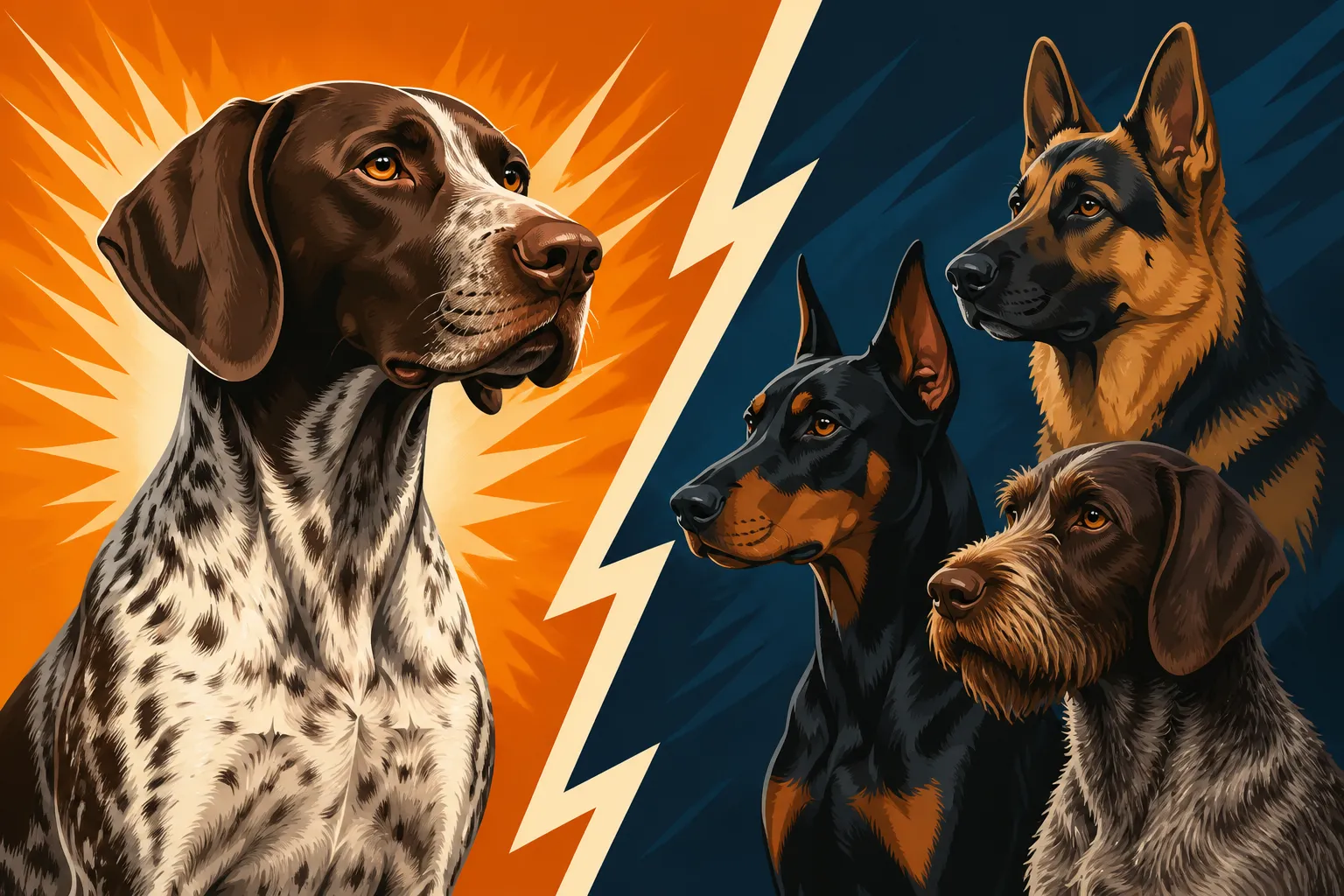
For anyone immersed in the world of German Shorthaired Pointers, it's easy to assume they stand alone, a singular marvel of canine versatility. But these incredible dogs don't exist in a vacuum; they're part of a rich lineage of German hunting breeds, each with its own unique history and characteristics. Many prospective owners or even experienced handlers often wonder how our beloved Shorthairs compare to their "cousins" – breeds developed for similar purposes in the same challenging European hunting grounds. This guide aims to pull back the curtain on these fascinating relationships, helping you understand what sets a German Shorthaired Pointer apart and what ties them to their fellow German gun dogs.
The Origin Story: Why So Many German Pointers?
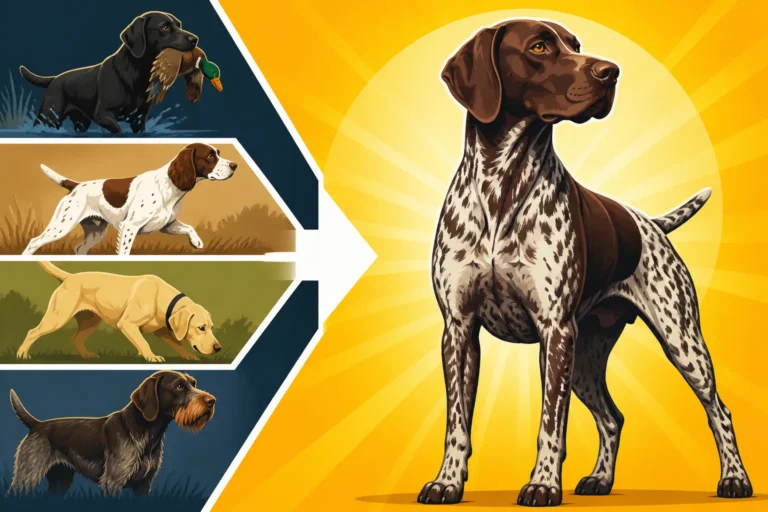
Before we dive into the specific breeds, it’s helpful to understand the historical context that led to such a diverse array of German pointing and versatile hunting dogs. The landscape of hunting in Germany, historically, demanded a different kind of dog than, say, the English moors. Where English pointers might have been specialists, developed to point birds and nothing more, German hunters faced varied terrain, diverse game, and often smaller landholdings.
The Need for Versatile Dogs
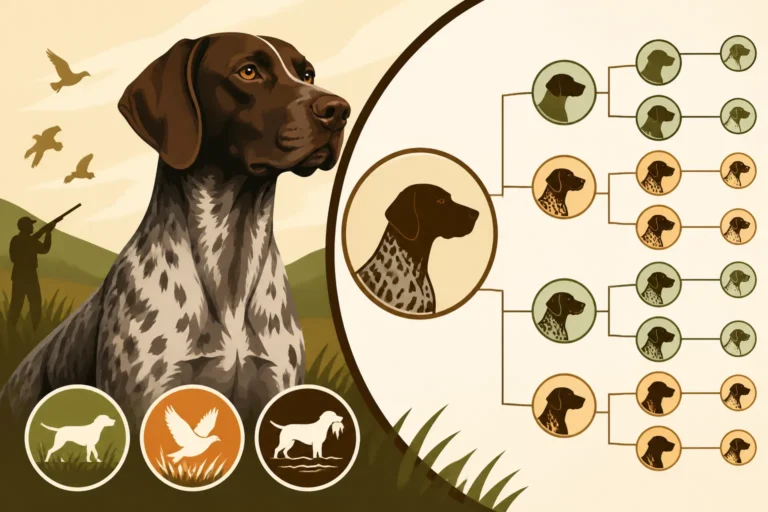
Imagine hunting in dense forests one day, open fields the next, and then moving to marshy areas for waterfowl. A hunter couldn't afford a kennel full of specialists – one dog for pointing upland game, another for tracking wounded deer, and yet another for retrieving ducks from icy water. The practicalities of the time, coupled with a deep-rooted hunting culture, necessitated dogs that could do it all, and do it well. This "all-around" philosophy is at the heart of German gundog breeding. This foundational principle is why breeds like the German Shorthaired Pointer were originally envisioned as comprehensive hunting partners, capable of fulfilling many roles in the field. To understand the depth of this versatile heritage, it's worth exploring The German Kennels the Shorthair Was Built In.
A Culture of Strict Breeding Standards
German breeders, unlike some of their counterparts in other countries, often adhered to incredibly strict standards that went beyond mere aesthetics. Their focus was relentlessly on performance and health. Dogs were typically required to pass rigorous field tests to prove their innate abilities and trainability before they could be considered for breeding. This commitment to practical hunting prowess shaped the breeds significantly, leading to dogs that are not just beautiful but supremely functional. Every German versatile hunting dog, including the GSP, carries this legacy of purposeful breeding.
German Shorthaired Pointer: The All-Around Athlete
Our very own German Shorthaired Pointer stands as a shining example of this German versatile tradition. They were specifically bred to be a multi-purpose hunting dog, excelling at pointing, retrieving (both land and water), and tracking. This versatility is deeply ingrained in their DNA and is perhaps their most defining characteristic.
Physicality and Purposeful Design
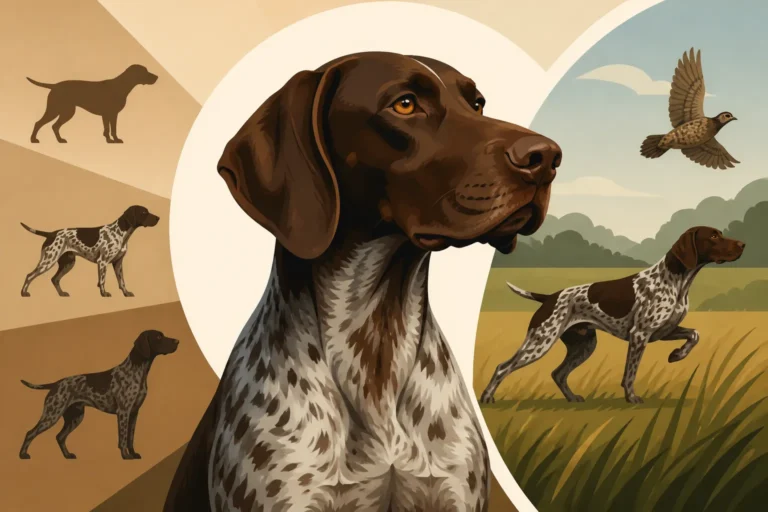
A GSP is typically a medium to large-sized dog, known for its powerful, athletic build. Their short, dense coat is surprisingly water-resistant, offering some protection in brush, though not as much as the longer, harsher coats of some of their cousins. They possess an incredibly keen nose, a strong prey drive, and an almost boundless well of energy. This combination makes them formidable in the field and requires significant exercise in a home environment. The idea behind their creation was to produce The German Bird Dog Behind the Modern Shorthair. Their strong, muscular frame is designed for endurance, allowing them to cover vast amounts of ground efficiently.
Temperament and Drive
Temperamentally, German Shorthaired Pointers are renowned for being intelligent, eager to please, and highly trainable, though they do possess a mischievous streak and an independent mind. They thrive on human companionship and can be quite "Velcro" dogs, always wanting to be by their owner's side. This intense desire to be with their people, combined with their high energy, means they do not tolerate isolation well. An under-exercised or lonely GSP can quickly become a destructive force, turning their impressive drive towards undesirable behaviors indoors. Owners quickly learn about The Hours a Shorthair Tolerates an Empty House if they don't meet their dog's needs.
The German Wirehaired Pointer: Rough and Ready Companion
One of the most frequently confused and compared breeds with the GSP is the German Wirehaired Pointer (GWP). While they share a similar name and purpose, their differences are quite distinct, particularly when it comes to their protective coat.
A Coat Built for Tough Cover
The most obvious distinction between the GSP and the GWP is, of course, the coat. The German Wirehaired Pointer boasts a harsh, wiry, weather-resistant outer coat with a dense undercoat. This rugged attire isn't just for show; it's a functional adaptation, providing superior protection against thorns, briars, and icy water, making them incredibly durable in dense cover and harsh weather conditions. This makes them particularly well-suited for hunters who frequently venture into challenging environments, whereas a GSP might be more prone to scrapes and punctures in similar terrain. We've discussed The German Shorthaired Pointer Against the Wirehair in more detail previously, highlighting these practical differences.
Temperament and Hunting Style
While both breeds are intelligent and highly driven, many GWP owners describe their dogs as perhaps a bit more "reserved" or "serious" than the often-exuberant GSP, though this can vary greatly between individuals. GWPs are still very much people-oriented but might not have the same level of "Velcro" attachment as some Shorthairs. In the field, their methodical hunting style often involves thorough coverage of an area, using their excellent nose to sniff out game in thickets where their wire coat truly shines. They are known for their strong retrieving instincts, often with a powerful, determined swim.
The Deutsch Drahthaar: The Uncompromising Hunter
The Deutsch Drahthaar (DD) is another German versatile hunting dog, often mistaken for a German Wirehaired Pointer. However, while sharing a similar appearance and general purpose, the Drahthaar comes with a pedigree and a breeding philosophy that sets it apart, focusing on very strict performance criteria.
German Breeding Philosophy at Its Core
The Drahthaar is not just a "German Wirehaired Pointer" in German; it represents a specific, highly controlled breeding program in Germany itself. Every Drahthaar intended for breeding must pass rigorous evaluations in various hunting disciplines, including tracking wounded game, pointing, retrieving, and water work. This stringent testing ensures that only dogs demonstrating superior natural abilities and biddability are allowed to reproduce, maintaining a consistently high standard for hunting performance. This commitment to maintaining working ability through testing is paramount.
Performance and Drive in the Field
A Drahthaar is often described as having an even more intense drive and an unshakeable focus on the hunt than a typical GSP or even GWP. They are bred to be robust, courageous, and tireless in the pursuit of game, often tackling very demanding tasks like tracking large wounded game. While socialized, their primary identity is unequivocally that of a working dog. Owners looking into purchasing a Drahthaar are typically serious hunters seeking a high-performance partner, and often engage with organizations that adhere to these strict German standards. The emphasis on raw hunting talent and an unwavering "will to please" in the field defines the Drahthaar.
The Pudelpointer: A Quirky Blend of Talent
Now, let's talk about one of the more unique German cousins: the Pudelpointer. This breed is a truly fascinating blend, designed to combine the best attributes of two seemingly disparate breeds – the German Pudel (similar to a Standard Poodle, but without the emphasis on fancy grooming) and the English Pointer.
The Best of Both Worlds: Water and Land
The Pudelpointer was developed in the late 19th century with a clear goal: create a versatile gun dog that excels both in dense cover and in water. From the Pudel, they inherited a water-loving nature, intelligence, and a harsh, wiry coat (though usually less dense than a GWP's). From the Pointer, they gained speed, an excellent nose for upland game, and a strong pointing instinct. The result is a dog with an unwavering retrieve, often described as having a softer mouth than some other retrievers, making them excellent for delicate game birds. It’s a breed that truly embodies What Versatile Actually Means for a Shorthair.
Temperament and Appearance
Pudelpointers are generally calm and even-tempered within the home, especially when adequately exercised, but they transform into enthusiastic, tireless hunters in the field. They are known for being highly intelligent and easy to train, often forming strong bonds with their families. Their appearance can be quite varied, inheriting different coat textures and colors (liver, black, or shades in between) from their founding breeds. While a GSP's smooth coat is a picture of sleek efficiency, the Pudelpointer's shaggy, often unkempt look speaks to its rugged functionality. For more on this interesting combination, you might want to read The German Shorthaired Pointer Against the Pudelpointer.
The Small Munsterlander: Big Heart in a Smaller Package
Moving on to another wonderful German versatile breed, the Small Munsterlander is a delight for those who appreciate a slightly smaller, yet equally capable, hunting companion. Despite its name, it's not actually a "small" version of the Large Munsterlander, but rather a distinct breed with its own heritage.
Size and Range: A More Contained Hunt
Compared to the wider-ranging German Shorthaired Pointer, the Small Munsterlander typically hunts in a closer, more methodical fashion. This makes them exceptionally well-suited for smaller properties, dense woodlands, or for hunters who prefer to keep their dog within closer sight. They are medium-sized, but generally noticeably smaller than a GSP, often weighing less and having a more compact build. This closer working style doesn't diminish their effectiveness; they are known for their thoroughness and ability to flush and retrieve game in challenging cover. Their compact size makes them easier to manage in tight spaces, both in the field and at home.
Coat and Temperament
Small Munsterlanders possess a medium-length, dense coat that is slightly wavy or straight, providing good protection from the elements. They often come in liver and white or black and white patterns, similar to some GSPs. Temperamentally, they are known for being very affectionate, eager to please, and highly intelligent, often described as having a gentler disposition than some of their more hard-charging cousins. This makes them excellent family dogs, provided their significant exercise needs are met. Their biddability and desire to work closely with their handler are key traits. To better understand these nuances, check out The German Shorthaired Pointer Against the Small Munsterlander.
The Large Munsterlander: A More Deliberate Approach
Often, people hear "Large Munsterlander" and picture a bigger version of the "Small" one. While they share some heritage and a love for hunting, the Large Munsterlander is a distinct and magnificent breed with its own set of characteristics that differentiate it from the GSP and other German versatile dogs.
Size and Hunting Style: Graceful Power
True to their name, Large Munsterlanders are larger and heavier than German Shorthaired Pointers, possessing a more substantial bone structure and a more "settled" appearance. Their hunting style is often described as more deliberate and methodical than the GSP's whirlwind approach. They cover ground with a graceful, powerful gait, typically ranging closer to the hunter but with exceptional thoroughness. They are known for their strong pointing ability, excellent tracking skills, and natural retrieve, particularly in water. Their size makes them quite imposing, but they carry it with elegance.
Coat, Color, and Demeanor
The Large Munsterlander is distinguished by its black and white coloring, often with a patchwork pattern or solid black head. Their coat is medium-long, dense, and protective, with feathering on the legs and tail. This longer coat requires more grooming than a GSP's short hair, but offers superior protection in cold weather and dense cover. Temperamentally, they are known for being calm, stable, and intelligent, making them excellent companions for active families. They are highly trainable and eager to please, though their size and strength mean consistent training and socialization are crucial from a young age. They are often described as having a quiet intensity, bringing a thoughtful approach to their work and life.
Key Differences and Shared Strengths: A Comparative Look
When you line up these German cousins, it becomes clear that while they share the versatile hunting ethos, they each offer a slightly different package of traits, designed for specific preferences or environmental challenges.
Physical and Performance Variations
The differences in coat are arguably the most striking. From the GSP's sleek, low-maintenance coat to the GWP's rough wire and the Munsterlander's longer feathering, these coats dictate their suitability for different types of cover and climates. Consider how you'd source the right gear – for instance, appropriate grooming tools for these varied coats can easily be found on a large pet supply site like Chewy.
Their size and build also influence their hunting range and endurance. GSPs are often the marathon runners of the group, covering vast distances, while Small Munsterlanders might work closer, and Large Munsterlanders offer a powerful, steady pace.
Here's a quick comparison table to help visualize some key distinctions:
| Feature | German Shorthaired Pointer (GSP) | German Wirehaired Pointer (GWP) | Deutsch Drahthaar (DD) | Pudelpointer | Small Munsterlander | Large Munsterlander |
|---|---|---|---|---|---|---|
| Coat Type | Short, dense, sleek | Harsh, wiry, dense undercoat | Very harsh, wiry, dense undercoat | Wiry, medium density | Medium-long, dense, slight wave | Medium-long, dense, feathered |
| Primary Colors | Liver, liver & white, black, black & white | Liver, liver & white, black, black & white | Liver, liver & white | Liver, black, liver & tan, black & tan | Liver & white, black & white | Black & white |
| Size (Approx.) | Medium-Large | Medium-Large | Large | Medium-Large | Medium | Large |
| Typical Range | Wide-ranging | Medium-Wide | Medium-Wide | Medium-Wide | Close-working | Medium-Close |
| Temperament | Energetic, eager, "Velcro" | Energetic, determined, more serious | Intense, driven, steadfast | Intelligent, calm indoors, keen hunter | Affectionate, biddable, intelligent | Calm, stable, intelligent, dignified |
| Grooming Needs | Low | Medium (stripping/trimming) | Medium (stripping/trimming) | Medium (some stripping/trimming) | Medium (brushing, some trimming) | Medium (regular brushing) |
Shared Strengths: The German Legacy
Despite their differences, these German cousins share fundamental strengths rooted in their common heritage. All are incredibly intelligent, trainable, and possess a strong desire to work alongside their human partners. They excel in pointing, often with an exceptional nose, and are typically strong natural retrievers. Their drive for the hunt is paramount, and they thrive on having a "job" to do.
Moreover, they are all generally robust and healthy breeds, thanks to those strict breeding standards mentioned earlier. While all breeds have their predispositions, responsible German breeders prioritize the health and longevity of their lines. Keeping them healthy means providing quality nutrition, and you can find many high-performance food options on Chewy that cater to these active dogs. Understanding The Nose the German Shorthaired Pointer Was Selected For helps contextualize this shared strength across all these breeds.
Choosing Your German Gun Dog: Beyond the Breed Name
Deciding which German versatile hunting dog is right for you involves looking beyond just the breed name and delving into the specifics of your lifestyle, hunting preferences, and what you can truly offer a dog.
Matching Energy Levels and Training Commitment
Every one of these breeds is high-energy and requires significant mental and physical stimulation. While a GSP might be famous for its boundless energy, a Drahthaar or GWP demands a similar commitment. If you're considering one of these dogs, be honest with yourself about the amount of exercise and dedicated training you can provide daily. These aren't breeds that thrive with a quick walk around the block; they need to run, explore, and work. Whether it’s regular field training or engaging dog sports, keeping them busy is key.
Lifestyle and Family Fit
Consider how a dog's typical temperament aligns with your household. Do you have young children? Are you a first-time dog owner? While most of these breeds can be good family dogs, their size, energy, and strong prey drive mean they require proper socialization and consistent training from day one. Some, like the Small Munsterlander, might be perceived as having a slightly "softer" disposition, which could be appealing to some families, while others might prefer the steadfast intensity of a Drahthaar. Remember, a well-adjusted dog from any of these breeds is a testament to an owner's commitment. For example, ensuring you have enough space and engaging toys, often sourced from places like Chewy, can significantly contribute to their happiness and prevent destructive behaviors.
Hunting Goals and Environment
Your hunting aspirations play a huge role. If you primarily hunt upland birds in wide-open spaces, a wide-ranging GSP might be a perfect fit. If your quarry takes you into thick brush and icy water, a GWP or Drahthaar's coat would be a distinct advantage. For closer-working in dense cover or smaller parcels of land, a Small Munsterlander could shine. Each breed was developed with specific hunting scenarios in mind, and understanding these nuances will help you choose a partner that truly complements your style. Factors such as How Many Seasons a German Shorthaired Pointer Hunts are often considerations when looking for a long-term hunting partner.
The Last Word on German Versatile Breeds
Ultimately, the German Shorthaired Pointer, along with its German cousins, represents a triumph of purposeful breeding. Each dog is a testament to the dedication of hunters and breeders who sought to create not just companions, but highly effective and intelligent partners in the field. While their appearances and nuances in temperament may vary, they all share that unmistakable drive, intelligence, and a deep desire to work alongside their human. Choosing among them isn't about finding a "better" breed, but finding the one that best suits your heart, your home, and your hunting dreams.
Disclaimer
This article is for general informational purposes only and does not constitute professional advice. Laws, prices and regulations vary by location and change over time. Consult a qualified professional for guidance on your specific situation.