The German Bird Dog Behind the Modern Shorthair
It's easy to look at a German Shorthaired Pointer today – with their sleek coat, powerful build, and intense focus – and marvel at their incredible versatility. But have you ever stopped to wonder how such a perfectly balanced hunting machine came to be? The truth is, the journey to create the modern German Shorthaired Pointer was a deliberate, passionate, and incredibly detailed undertaking by German hunters who were tired of needing an entire kennel full of specialized dogs for every single type of game. This guide dives deep into the fascinating history of how breeders crafted the ultimate all-around bird dog, blending the best traits of different ancestors to produce the Shorthair we know and love.
The Drive for a Do-It-All Hunting Companion in 19th-Century Germany
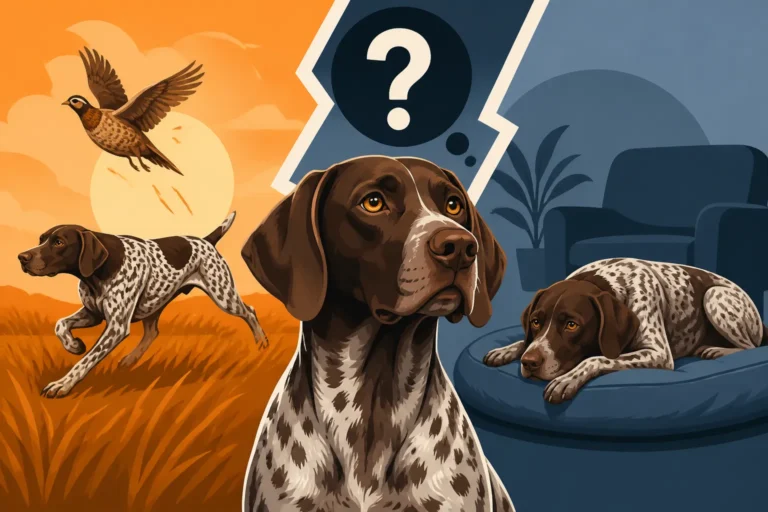
Imagine a time when hunting wasn't just a sport, but a crucial part of providing for a family or managing land. German hunters in the 1800s faced a real challenge: they had dogs that were fantastic at one specific thing, but utterly useless at another. This wasn't just inconvenient; it was inefficient and expensive. They needed a single dog that could do it all, from finding birds in thick cover to retrieving downed game from icy water, and even tracking a wounded deer for miles.
The Frustration with Single-Purpose Dogs
Picture this scenario: you're out hunting upland birds, and you have a beautiful, high-headed English Pointer that ranges wide and locks onto scent with incredible style. Fantastic for finding pheasants! But then, your bird falls into a dense thicket or, worse, a pond. Your elegant pointer might be hesitant to plunge into the cold water, or perhaps it lacks the desire to meticulously track a running cripple through heavy brush. For that, you'd need a different dog, perhaps a water retriever or a sturdy scenthound. And what if you suddenly needed to track a wounded deer? Yet another specialized hound would be required. This wasn't just a hypothetical problem; it was the daily reality for many German hunters. They were often forced to own multiple breeds, each excelling in its niche but lacking in overall utility. This meant more dogs to feed, train, and house, which was a significant burden. The quest for efficiency and a truly capable partner in the field was born out of this very practical frustration.
Envisioning a Truly Versatile Gundog
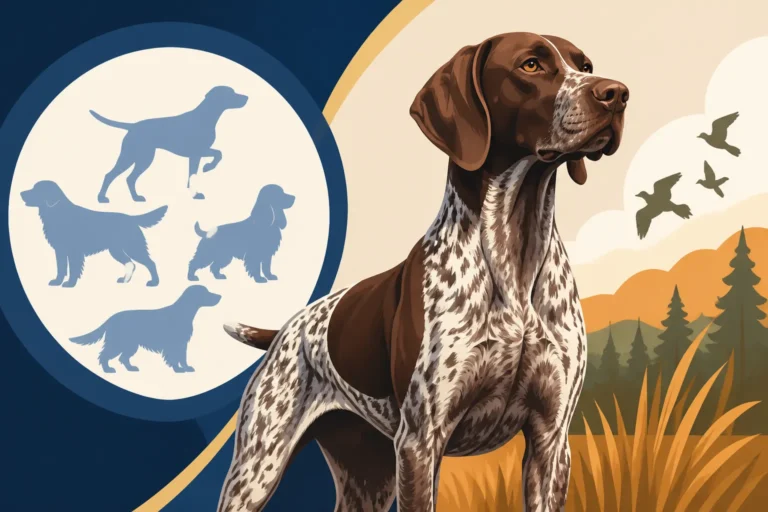
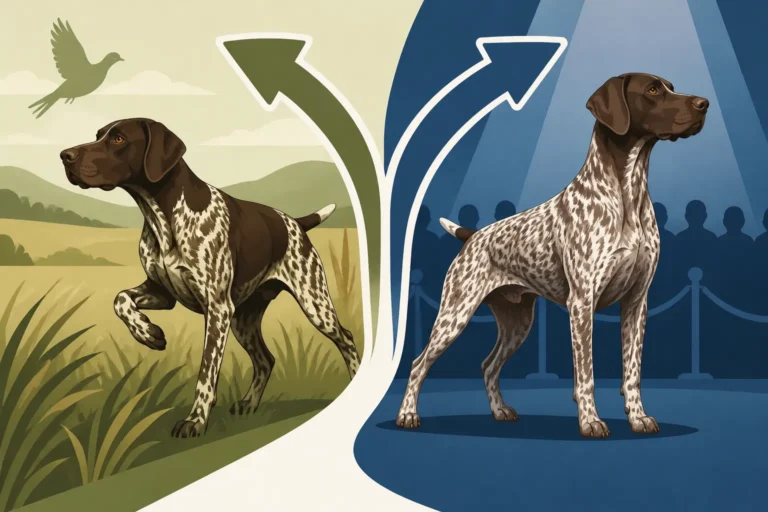
The dream was simple, yet revolutionary: one dog, capable of doing the job of four. German breeders didn't just want a good bird dog; they wanted the ultimate bird dog, and more. They envisioned a dog that could point with precision, retrieve both land and water game, track wounded quarry (whether feather or fur), and even be a devoted family companion. This meant combining the best attributes of several distinct types of hunting dogs into a single, cohesive package. It wasn't about creating a "jack-of-all-trades, master of none" but rather a "master-of-many-trades." The concept of "versatility" was absolutely central to their breeding program, a concept that still defines the German Shorthaired Pointer today. They weren't just thinking about the aesthetics of a dog; they were focused on its complete functional package in the field, from sunup to sundown, across varied terrain and game. What Versatile Actually Means for a Shorthair really gets into the nitty-gritty of this philosophy.
Early Efforts and the Challenge of Integration
The initial attempts to create this versatile super-dog weren't always smooth sailing. It's not as simple as just breeding two different types of dogs and hoping for the best. Genetic traits are complex, and sometimes the offspring would inherit undesirable combinations or lose the intense focus needed for specific tasks. Early breeders experimented with various crosses, trying to find the right balance of nose, drive, biddability, and physical stamina. They needed a dog that wasn't just capable, but eager to please and intelligent enough to take direction in diverse hunting scenarios. The challenge was in integrating strong pointing instincts with reliable retrieving and tracking abilities, all while maintaining a sound temperament and robust physical health. It was a long, painstaking process involving careful selection and often, trial and error. This dedication laid the groundwork for the more structured breeding programs that would eventually solidify the German Shorthaired Pointer breed.
The Melding Pot of Bloodlines: Key Ancestors of the German Shorthaired Pointer
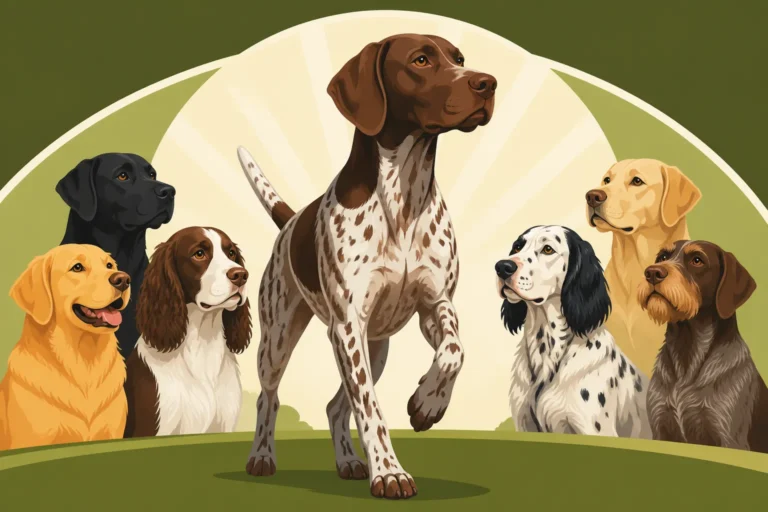
To achieve their ambitious goals, German breeders looked to existing hunting breeds, carefully selecting individuals that possessed the traits they desired. This wasn't a random mixing; it was a calculated and thoughtful process of combining specific bloodlines to engineer a superior hunting dog. The result was a fascinating blend of different European canine heritages.
Tracing Back to the "Old Spanish Pointer"
One of the earliest and most significant influences on the German Shorthaired Pointer was the "Old Spanish Pointer," also sometimes referred to as the "Perdiguero de Burgos." These dogs were known for their strong pointing instinct, though often worked at a slower, more deliberate pace than later pointing breeds. They were robust, heavy-boned dogs with excellent noses and a methodical hunting style that suited dense cover. While they weren't particularly fast or wide-ranging, their reliability in finding and holding game was invaluable. Breeders sought to harness this foundational pointing ability, which formed the bedrock of the Shorthair's bird-finding prowess. These ancient pointers contributed a certain gravitas and undeniable natural instinct that remains a hallmark of the breed today, albeit refined and enhanced. You can learn more about this foundational influence in The Old Spanish Pointer in a Shorthair's Pedigree.
The Crucial Contribution of Scent Hounds
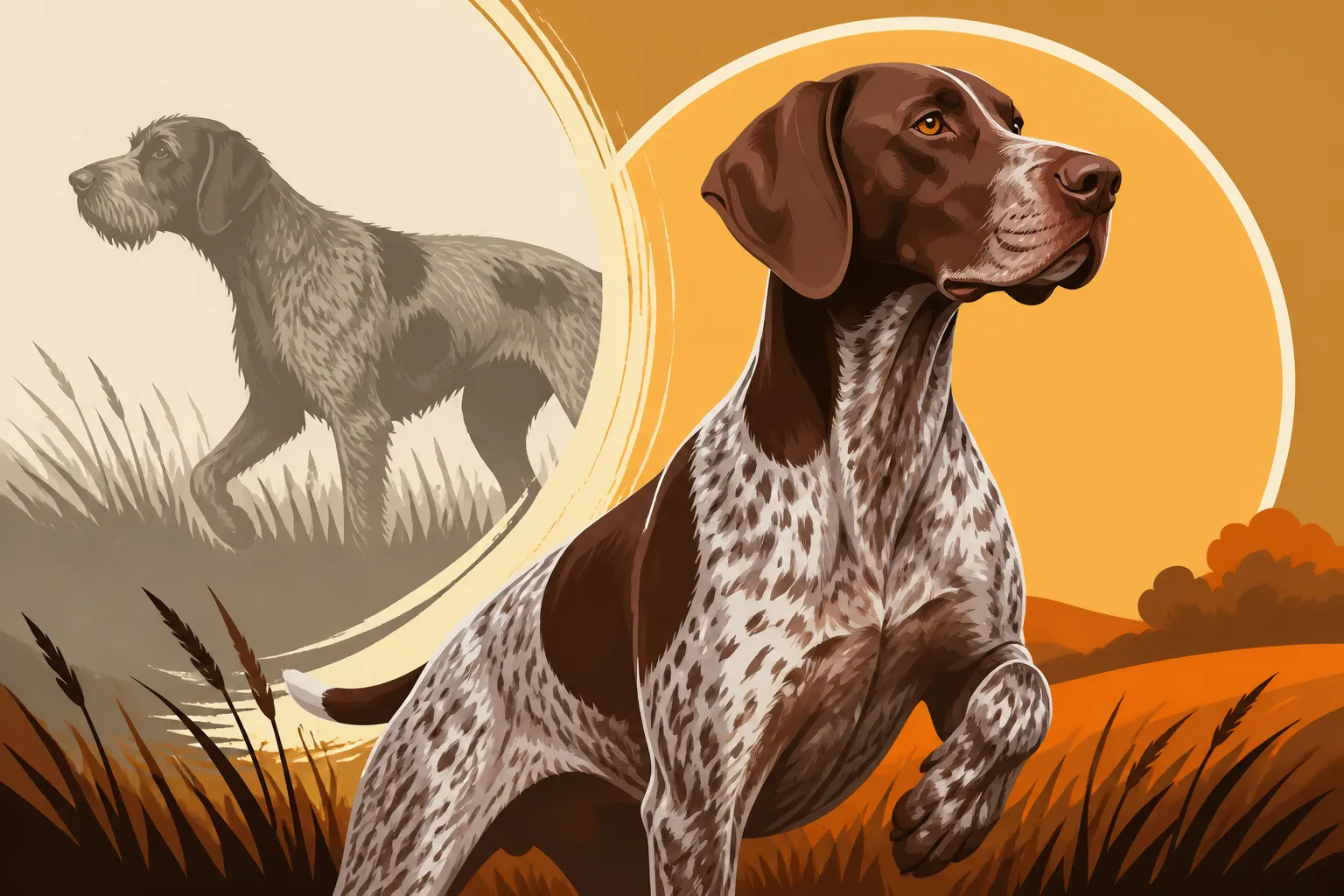
To add the essential elements of tracking wounded game and working heavy cover, German breeders introduced various German scent hounds. Breeds like the Hanoverian Scenthound or even local types of tracking dogs, known for their incredible noses and relentless pursuit, were brought into the mix. These hounds provided the deep, cold-trailing ability that was missing from pure pointing dogs. Imagine a large stag or a wild boar, wounded but still running; a good scent hound was crucial for recovering it. This infusion of hound blood gave the developing Shorthair its remarkable ability to follow a scent trail, even hours after game had passed, making it an invaluable asset for recovering both fur and feather. It also contributed to the Shorthair's characteristic deep chest and endurance. The powerful nose of a German Shorthaired Pointer owes much to this hound ancestry, a trait often discussed in The Hound Blood Behind a Shorthair's Nose.
Infusing Speed and "Birdiness" with the English Pointer
While the Old Spanish Pointer provided the pointing foundation and the scent hounds added tracking grit, something was still missing: speed, range, and that electrifying, high-headed birdiness that defines a true pointer. This is where the English Pointer entered the picture. Imported from England, these dogs were sleek, athletic, and possessed an intense desire to find birds, covering vast amounts of ground with remarkable speed and grace. They pointed with a classic, statuesque stance, often far from the handler, showcasing a level of independence and style that was novel to German hunting dogs. The introduction of English Pointer blood was a game-changer, injecting the desired athleticism, speed, and refined pointing style into the heavier, more deliberate German hunting stock. Breeders carefully selected individuals to ensure that while speed and range were gained, the biddability and versatile working ethic weren't lost. This deliberate move allowed breeders to How Breeders Put Speed Into the Shorthair.
Building the Breed: The German Philosophy of Selection and Development
The German approach to dog breeding was, and largely still is, incredibly rigorous and focused on performance. It wasn't about popular trends or merely good looks; it was about creating a functional, healthy, and trainable hunting companion. This philosophy shaped every aspect of the German Shorthaired Pointer's development.
Prioritizing Natural Hunting Aptitude
Unlike some other breeding programs that might prioritize conformation or specific aesthetic traits, German breeders of the Shorthair were absolutely unwavering in their focus on natural hunting aptitude. A dog might be beautiful, but if it couldn't find birds, hold a point, retrieve efficiently, and track wounded game, it simply wasn't considered a suitable breeding animal. They looked for inherent instincts: a strong desire to hunt, an excellent nose, intelligence, and a tractable nature. Puppy tests and early evaluations were designed to identify these innate abilities. For them, a dog’s true beauty was in its performance in the field, its eagerness to work alongside its human partner. This commitment to inherent talent ensured that even generations later, a well-bred German Shorthaired Pointer typically possesses a strong natural inclination to perform its duties. This is why Whether a Shorthair Points Naturally Without Training is such an interesting topic, because the instincts are truly ingrained.
The Rigor of Early Performance Tests
To ensure that only the most capable dogs were used for breeding, a comprehensive system of performance testing was established. These were not casual backyard trials; they were demanding evaluations designed to assess a dog's abilities across a full spectrum of hunting tasks. From puppy tests that gauged natural retrieve and pointing instincts, to more advanced field and water tests, every aspect of a dog's working ability was scrutinized. For example, dogs had to prove their ability to track game for extended distances, retrieve from challenging water, and hold a steady point under pressure. Dogs had to pass these tests to be eligible for breeding, effectively creating a performance-driven gene pool. This commitment to testing meant that titles weren't just ribbons; they were proof of a dog's functional excellence, ensuring the breed's working characteristics were preserved and enhanced. You'll often see these historic standards referenced when discussing Why German Hunters Bred the Shorthair Instead of Four Dogs.
Defining the Ideal Temperament and Physicality
Beyond hunting ability, temperament was also a critical factor. A dog could be a superstar in the field, but if it was overly aggressive, fearful, or difficult to train, it wouldn't make a good partner or a good family member. German breeders sought a dog that was intelligent, biddable, eager to please, and stable under pressure. They needed a dog that could transition seamlessly from an intense hunting scenario to a calm household environment. Physically, the ideal Shorthair needed to be robust enough to withstand long days in the field, yet athletic and agile. They sought a medium-sized dog with strong bone, well-muscled legs, and a dense, water-resistant coat. The distinctive webbed feet and short, dense coat, for example, were not accidental; they were carefully selected traits to enhance water retrieval and protection in rough cover. These physical traits are meticulously detailed in The Size and Build the Shorthair Standard Asks For.
From Conception to Recognition: Standardizing the German Shorthaired Pointer
With clear goals and a rigorous selection process, the vision for the German Shorthaired Pointer began to take concrete shape. This period saw the formalization of the breed, ensuring consistency in both form and function across future generations.
The Formation of Breed Clubs and Stud Books
As the distinctive German bird dog emerged, dedicated enthusiasts realized the need for formal organization to guide its development and ensure its future. This led to the formation of breed clubs, most notably in Germany, which played a pivotal role in standardizing the breed. These clubs established official stud books, meticulously recording the pedigrees of recognized German Shorthaired Pointers. This was a monumental step, as it allowed breeders to track bloodlines, identify desirable traits, and avoid accidental inbreeding, which could dilute the carefully cultivated genetics. Prince Albrecht zu Solms-Braunfels, a key figure, was instrumental in developing the first official breed standards and guiding principles. His efforts helped consolidate the various regional types into a unified breed, emphasizing the balance of beauty and utility. This vital historical context is explored in Prince Albrecht and the First Shorthair Stud Book. Through these early records, a coherent breeding strategy emerged, ensuring that each generation improved upon the last.
Shaping the Distinctive Shorthair Appearance and Gait
While functionality was always paramount, the German Shorthaired Pointer also developed a distinct and recognizable appearance. The blend of ancestral breeds resulted in a dog that was powerful yet elegant. Breeders focused on a physical form that supported its demanding work. This meant a strong, athletic build with well-defined musculature, a noble head, and expressive eyes. The short, dense coat, typically liver and white, or solid liver, was chosen for its minimal grooming needs and its protective qualities against briars and weather. The gait was equally important; it had to be ground-covering, efficient, and tireless, allowing the dog to range widely without expending excessive energy. The purposeful docking of the tail, traditionally about 40% of its natural length, was also standardized not just for tradition, but to prevent injury in dense cover. The look of the German Shorthaired Pointer became synonymous with its purpose, a testament to the adage that "form follows function" in this remarkable breed.
Evolution of the Modern German Shorthaired Pointer's Work Ethic
The early German Shorthaired Pointers quickly gained a reputation for their exceptional work ethic and intelligence. They weren't just good at individual tasks; they excelled at combining them seamlessly. A German Shorthaired Pointer could point a covey of quail, retrieve a pheasant from a thorny hedge, and then switch gears to track a wounded rabbit through thick woods – all in a single outing. This seamless integration of skills was the ultimate validation of the breeders' vision. Their eagerness to please, coupled with their sharp minds, made them highly trainable and cooperative partners in the field. This consistent performance earned them widespread admiration, not only in Germany but eventually across the globe. As the breed gained recognition, its reputation as the quintessential versatile bird dog solidified, setting the stage for its introduction to other countries. The full scope of their abilities, from Pointing, Retrieving and Tracking in One Shorthair, truly sets them apart.
The Enduring Legacy: Why the GSP Remains a Premier German Bird Dog
Fast forward to today, and the German Shorthaired Pointer continues to be one of the most popular and respected sporting breeds worldwide. Its journey from a carefully engineered concept to a globally recognized breed is a testament to the foresight and dedication of its early German developers.
Maintaining Versatility in Contemporary Hunting
Even with modern hunting evolving, the core versatility of the German Shorthaired Pointer remains its most celebrated trait. Whether it's hunting pheasants in the stubble fields of the Midwest, retrieving ducks from freezing marshes, or tracking grouse in dense forests, the GSP adapts. Many hunters still appreciate that they can take one dog and cover all their needs, rather than juggling multiple breeds. This adaptability isn't just about different types of game; it's about handling varied terrain and conditions. A GSP's rugged paws are ready for rough ground, especially if you get a good quality paw balm from a store like Chewy, which can make a huge difference in keeping those pads tough and supple. This enduring capability is why breeders continue to emphasize natural hunting ability through programs like NAVHDA, which test for the same versatile instincts that were prized centuries ago. The dedication to How Many Seasons a German Shorthaired Pointer Hunts is directly tied to this innate and trained versatility.
The GSP as a Family Companion and Athlete
Beyond the hunting field, the German Shorthaired Pointer has seamlessly transitioned into an exceptional family companion and an incredible athlete. Their intelligent, affectionate, and loyal nature makes them wonderful additions to active families. However, their boundless energy means they require significant exercise and mental stimulation. They thrive in homes where they are integrated into daily life and given outlets for their drive, whether it's long runs, agility training, or even just intense games of fetch in the backyard. Many owners find themselves looking for high-quality, durable toys, often found on sites like Chewy, to keep their Shorthair entertained and mentally stimulated, especially on days they can't get out for a proper hunt. This dual role—fierce hunter and devoted family member—is a direct result of the early breeders' focus not just on hunting prowess, but on a stable, biddable temperament that would make the dog a pleasure to live with. What an Under Exercised Shorthair Does to a House is a stark reminder of their need for activity!
Looking Forward: Preserving the Breed's Heritage
As the German Shorthaired Pointer moves into the future, the challenge lies in preserving the remarkable heritage that made it such a special breed. This means continuing to breed for health, temperament, and, most importantly, for those versatile hunting instincts. Responsible breeders understand the importance of health clearances and maintaining working lines that can still perform the tasks their ancestors were bred for. The breed's popularity brings both advantages and risks, as demand can sometimes lead to breeding practices that prioritize quantity over quality. Education is key, ensuring that prospective owners understand the needs and capabilities of a German Shorthaired Pointer before bringing one home. The story of the German bird dog behind the modern Shorthair is a powerful reminder of what dedicated breeding, guided by clear purpose and rigorous standards, can achieve. The legacy of those visionary German hunters lives on in every tireless stride and every intense point of a German Shorthaired Pointer today. Whether it's choosing the right performance kibble from Chewy or investing in training, owners today carry on that tradition.
Disclaimer
This article is for general informational purposes only and does not constitute professional advice. Laws, prices and regulations vary by location and change over time. Consult a qualified professional for guidance on your specific situation.