The Old Spanish Pointer in a Shorthair’s Pedigree
It's easy to look at our sleek, energetic German Shorthaired Pointers today and assume they've always been this marvel of versatile hunting dog perfection. But the truth is, their lineage is a rich tapestry woven from various threads, stretching back centuries to dogs quite different from what we recognize. Many owners are curious about what truly makes their Shorthair tick, and a big part of that answer lies in understanding the foundational breeds that contributed to their unique genetics. This guide will take a deep dive into one of the most significant ancestral contributors: the Old Spanish Pointer, and explore how its blood shaped the very essence of the GSP we cherish.
The European Hunting Scene Before the Shorthair
Before the German Shorthaired Pointer, or even its immediate predecessors, burst onto the scene, European hunting was a very different affair. There wasn't a single "do-it-all" dog. Instead, hunters relied on specialized breeds, each excelling in one or two specific tasks. This worked, but it was far from efficient, especially for the burgeoning gentry and later, the more practical hunters who sought a comprehensive solution.
Germany's Need for Versatility
Imagine the varied landscape of Germany centuries ago. You had dense forests, open fields, marshy lowlands, and rugged hills. Hunters pursued a wide array of game, from upland birds like pheasant and partridge to waterfowl in the marshes, and even larger game like deer and wild boar. Relying on separate dogs for each task meant a large kennel, extensive training for multiple breeds, and the logistical headache of bringing the right dog for the right situation. This was simply not practical for many, and a growing desire emerged for a single canine partner that could handle it all. They wanted a dog that could point birds, track game, retrieve on land and from water, and even guard the homestead if necessary. This dream of a truly What Versatile Actually Means for a Shorthair hunting companion was the driving force behind the development of many European gun dog breeds, including the GSP.
Limitations of Existing Local Breeds
While Germany certainly had its own excellent hunting dogs, they tended to be specialists. There were hounds for tracking large game, and various local bird dogs, but none possessed the complete package. Some might point well but lack the drive for a strong retrieve, especially from water. Others were tenacious trackers but lacked the elegant, high-headed point that allowed hunters to locate birds efficiently. For instance, some German dogs were heavy-boned and slower, suited for methodically working dense cover, but not for the expansive, fast-paced hunts where a keen nose and swift ground coverage were paramount. The local breeds, while valuable in their own right, simply didn't combine all the desired traits into one package, leaving a void that breeders would eventually seek to fill by looking beyond their borders.
The Arrival and Impact of the Old Spanish Pointer
It was into this environment of specialized needs and unfulfilled desires that the Old Spanish Pointer made its grand entrance. This wasn't just any dog; it was a breed renowned across Europe for a particular skill that would revolutionize bird hunting. Its introduction to German breeding programs wasn't accidental but a deliberate effort to infuse specific, highly sought-after characteristics.
Distinctive Characteristics and Skills
The Old Spanish Pointer was, as its name suggests, a pointing dog. Originating in Spain, these dogs were known for their strong, natural instinct to "point" or indicate the presence of game birds by freezing rigidly with an outstretched muzzle, often with one foreleg lifted. This innate behavior made them invaluable to hunters, allowing them to locate game before it flushed, giving them time to prepare for the shot. These were often sturdy, medium-to-large dogs, with a good nose, a keen eye, and a biddable temperament, which made them trainable. While perhaps not as flashy or fast as some of the later English Pointers, their methodical approach and unwavering point were legendary. They brought to the table an elegance and precision in bird work that was unmatched by many of the more rugged, general-purpose hunting dogs in Germany.
The Spanish Pointer's Journey to Germany
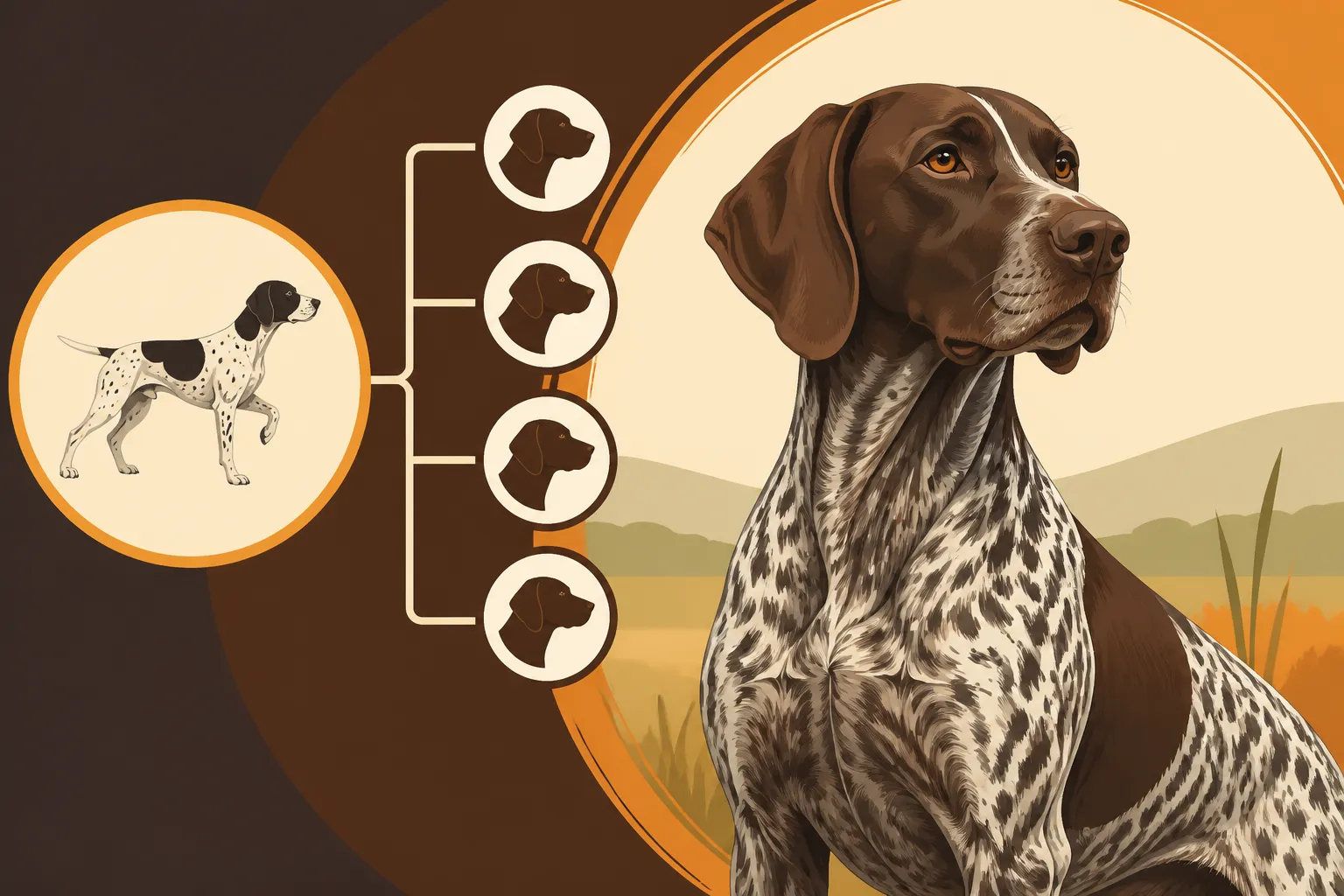
The exact timeline and pathways of the Old Spanish Pointer's arrival in Germany are somewhat debated, but it's understood that dogs traveled across Europe through various means. Trade routes, noble exchanges, and even military campaigns could have facilitated their movement. Wealthy landowners and aristocrats, keen to improve their hunting estates and kennels, would often import dogs known for superior hunting qualities from other regions. Spain, with its rich hunting traditions, was a prime source for such imports. These early Spanish Pointers, likely introduced sometime in the 17th or 18th century, quickly caught the attention of German breeders. They saw in these foreign dogs the potential to imbue their local hunting lines with that crucial, consistent pointing ability that was often lacking or less refined in their existing stock. This cross-pollination of bloodlines was a critical step in the journey towards creating The German Kennels the Shorthair Was Built In and the ultimate German Shorthaired Pointer.
Blending Bloodlines: The Early German Shorthaired Pointer
The German breeders, driven by their vision of the ultimate versatile gun dog, didn't just admire the Old Spanish Pointer; they actively integrated it into their developing lines. This wasn't a simple one-off cross but a sustained effort over generations to selectively breed for desired traits, effectively merging the best of what the Spanish Pointer offered with the robust qualities of native German dogs.
Infusion of Pointing Instinct
The most profound contribution of the Old Spanish Pointer was undoubtedly the solidification of the pointing instinct. While some German hunting dogs might have had a rudimentary "set" or "stand" when encountering game, it often wasn't as pronounced, consistent, or stylish as the innate point of the Spanish Pointer. By breeding these Spanish dogs into their lines, German breeders dramatically enhanced this crucial trait. Pups from these crosses were observed to display the characteristic, frozen stance at an earlier age and with greater intensity. This meant hunters could rely more heavily on their dogs to pinpoint game, making for more successful and enjoyable hunts. This strong pointing drive is something you still see in German Shorthaired Pointers today; it's practically hardwired into their DNA. Even a GSP puppy will often show this instinct when confronted with a bird, a leaf blowing in the wind, or even a toy. The Age a Shorthair Puppy First Points can be remarkably young, showing just how deeply ingrained this ancestral trait remains.
Refining the Retrieve and Tracking
While the pointing instinct was the Spanish Pointer's showstopper, its general gun dog characteristics also played a vital role in refining the retrieve and tracking abilities of the emerging German breed. The Spanish Pointers were typically biddable and keen to work with their human partners, traits that are essential for developing a reliable retrieve. Their strong noses, though perhaps not as specialized for cold-trailing as some scent hounds, were certainly good enough to contribute to the tracking aspect. German breeders, through careful selection, worked to retain and enhance these attributes. They sought to combine the Spanish Pointer's pointing prowess with the stamina, resilience, and water affinity of local German hunting dogs, like the early German Bird Dogs. This holistic approach meant that instead of just creating a pointing specialist, they were laying the groundwork for a dog that could truly do it all: Pointing, Retrieving and Tracking in One Shorthair. This careful blending of qualities, nurtured over time, is why today's GSP is so exceptionally capable in the field.
The Evolution to the Modern German Shorthaired Pointer
The influence of the Old Spanish Pointer didn't stop with the initial crosses; its genetic legacy continued to shape the German Shorthaired Pointer through subsequent generations. As the breed developed, other bloodlines, including English Pointers and various German scent hounds, were introduced to refine specific traits, but the foundation laid by the Spanish Pointer remained undeniably critical.
The Legacy of the Point
Every time a German Shorthaired Pointer freezes mid-stride, nose pointed, tail stiff, signaling the presence of game, you are witnessing a direct echo of its Old Spanish Pointer ancestors. This natural, innate pointing ability is the cornerstone of the GSP's reputation as a top-tier bird dog. Without the strong introduction of this trait from the Spanish lines, the German Shorthaired Pointer might have remained more of a tracking or retrieving specialist. Instead, it became the quintessential pointer, able to cover ground efficiently, locate birds with precision, and hold its point steadily until the hunter arrives. This instinct is so powerful that Whether a Shorthair Points Naturally Without Training is often yes, though formal training hones and perfects it. It’s a joy for any owner to watch their Shorthair demonstrate this inherited brilliance, whether it's on a wild pheasant hunt or simply "pointing" a squirrel in the backyard.
Building the Versatile Hunter
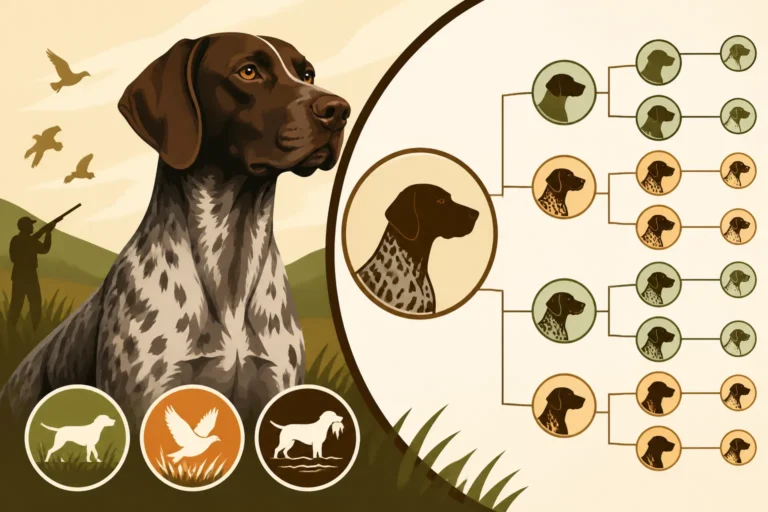
The journey from the Old Spanish Pointer to the modern German Shorthaired Pointer was one of continuous refinement, always with the goal of creating the ultimate versatile hunting dog. After the initial Spanish Pointer crosses provided the solid pointing foundation, German breeders looked to other breeds to add speed, stamina, and even more diverse hunting skills. For example, some historians suggest the introduction of English Pointer blood helped to increase range and speed, while the influence of various local hounds might have further enhanced The Hound Blood Behind a Shorthair's Nose for tracking wounded game. The key was judicious selection, always breeding for dogs that not only excelled in one area but possessed the intelligence, athleticism, and biddability to master multiple tasks. This meticulous breeding over decades resulted in the GSP we know today: a dog equally at home pointing quail, retrieving ducks from icy water, or tracking a pheasant through dense cover. This drive for versatility is what truly makes a German Shorthaired Pointer a German Shorthaired Pointer. They were literally bred to replace multiple dogs, demonstrating How the Shorthair Was Bred to Replace Four Specialist Dogs.
Understanding Your Shorthair's Ancestry
For today's German Shorthaired Pointer owner, understanding this rich history isn't just a fascinating anecdote; it's a key to appreciating the unique characteristics of their canine companion. Knowing the origins of their breed's talents can inform training, exercise, and overall care, helping you meet the needs of a dog purpose-built for the field.
Deciphering the Pedigree
While your Shorthair's pedigree won't explicitly list "Old Spanish Pointer" in its lines, every name on that document represents generations of selective breeding that trace back to those foundational dogs. When you look at a pedigree, you're seeing the careful work of breeders who aimed to maintain and enhance the traits that were first introduced centuries ago. The presence of titles like "Field Champion," "Utility Dog," or "Natural Ability" on a pedigree is a direct testament to the enduring success of those initial breeding goals, demonstrating a continued emphasis on natural hunting instincts. Even if you're not planning to hunt, these titles reflect a heritage of working ability that translates into the energetic, intelligent companion you have at home. Reputable breeders often provide detailed pedigrees, and some might even share information about the specific lines their dogs come from, giving you a deeper insight into your dog's ancestral talents. When looking at potential puppies, ask about the hunting prowess of the parents; it reflects the deep roots of the breed. You might even find yourself on a popular pet supply site like Chewy, looking for training gear that suits a dog with such a strong lineage.
Embracing the Innate Abilities
Because of this specific breeding history, German Shorthaired Pointers arrive in the world with a host of innate abilities that are part of their charm and challenge. Their incredible energy, their relentless drive to explore with their noses, their natural instinct to point—these are all gifts from their ancestors, including that pivotal Old Spanish Pointer. As owners, it's our privilege and responsibility to understand these intrinsic traits and provide outlets for them. A GSP isn't just a pet; it's a working dog at heart, even if its "work" is confined to the backyard or daily walks. Providing ample exercise, engaging them in scent games, and even exploring formal bird dog training through organizations like NAVHDA (North American Versatile Hunting Dog Association) can be incredibly rewarding. Observing What the Natural Ability Test Scores on a Shorthair can give you an idea of how these fundamental traits are evaluated. Even simply playing fetch in the park, your Shorthair's intensity and focus on the "retrieve" are reflections of generations of selective breeding. Knowing this heritage helps us not only manage their energy but also celebrate their incredible genetic predisposition to be the phenomenal dogs they are. Finding durable toys on Chewy for a high-energy chewer is a common reality for GSP owners!
The Shorthair's Place in History
The German Shorthaired Pointer didn't just appear out of nowhere; it was a carefully crafted breed, a testament to thoughtful and intentional breeding over centuries. Its development highlights a remarkable chapter in canine history, showcasing how specific breeds were deliberately combined to achieve a functional ideal.
A Masterpiece of Selective Breeding
The journey from the Old Spanish Pointer to the German Shorthaired Pointer is a fascinating case study in selective breeding. It began with a clear vision: a versatile hunting dog capable of performing multiple tasks with excellence. The Spanish Pointer provided the crucial pointing foundation, a trait that was then refined and enhanced through crosses with other strong, resilient German hunting dogs. Later, infusions from breeds like the English Pointer added speed and range, creating the athletic powerhouse we know today. This was a long-term project, spanning generations of dedicated breeders who meticulously chose breeding pairs, evaluated offspring, and kept detailed records, culminating in the creation of a breed that truly lives up to its "versatile" moniker. The German Bird Dog Behind the Modern Shorthair is not a single entity, but a tapestry of contributions. This commitment to an ideal created a dog that is not only highly effective in the field but also a beloved and intelligent companion in the home.
Enduring Legacy in the Sporting Group
Today, the German Shorthaired Pointer stands as one of the most popular and respected breeds within the American Kennel Club's Sporting Group, a position it achieved through its undeniable capabilities and charming personality. Its inclusion in the AKC's stud book back in the 1930s marked a significant milestone, solidifying its place among elite hunting breeds. The Shorthair's Move Into the AKC Sporting Group was a recognition of its established value. While many GSPs today live primarily as cherished family pets, their instincts and physical attributes still reflect their heritage. The breed continues to excel in various dog sports, from hunt tests and field trials to agility and obedience, showcasing the enduring versatility bred into them. This is why when you're stocking up on premium dog food or grooming supplies, whether from a local store or online retailers like Chewy, you're investing in a dog whose genetic makeup is a historical blend of purposeful breeding, aimed at creating a loyal, intelligent, and supremely capable companion.
Comparative Table of Ancestral Contributions
To help visualize the distinct roles different ancestral breeds played in shaping the GSP, here's a table outlining some key contributions, with particular emphasis on the Old Spanish Pointer.
| Ancestral Trait / Contribution | Old Spanish Pointer's Role | Other German/English Breed Contributions | Resulting GSP Trait |
|---|---|---|---|
| Pointing Instinct | Primary source; strong, inherent "set" | Less consistent/pronounced | Highly refined, stylish, and reliable point |
| Nose/Scenting Ability | Good, methodical nose for locating game | Enhanced by various hounds | Excellent scenting for pointing & tracking |
| Retrieve Drive | General biddability, willingness to work | Enhanced for water, soft mouth | Strong retrieve from land & water, soft mouth |
| Stamina & Speed | Moderate, suited for steady work | Increased by English Pointers | High endurance, fast, wide-ranging |
| Coat/Weather Tolerance | Short, functional, perhaps less water-repellent | Enhanced by local German breeds | Dense, water-resistant short coat |
| Temperament | Biddable, intelligent, eager to please | Retained and emphasized | Highly intelligent, trainable, family-oriented |
| Versatility | Crucial foundation for pointing | Completed the all-around hunter | Premier versatile hunting dog |
Disclaimer
This article is for general informational purposes only and does not constitute professional advice. Laws, prices and regulations vary by location and change over time. Consult a qualified professional for guidance on your specific situation.