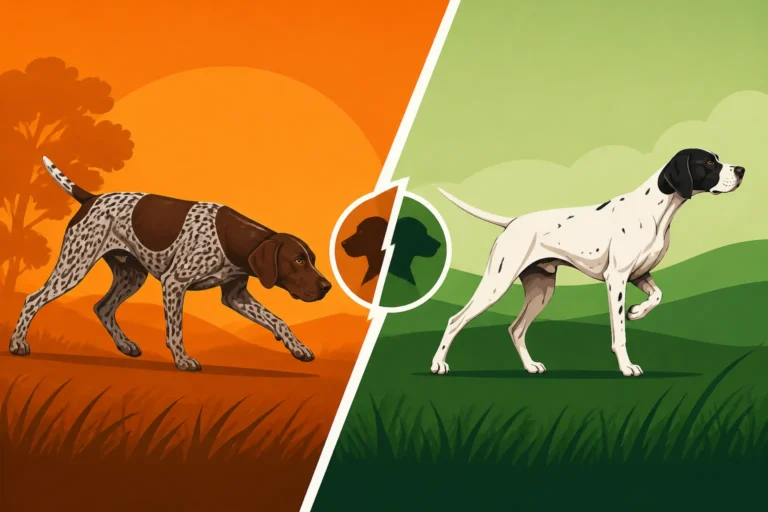
Which Countries Keep the Most German Shorthaired Pointers
Many German Shorthaired Pointer owners, especially those new to the breed, often wonder if their athletic, high-energy companions are as adored in other corners of the world as they are right here at home. It's easy to assume such a distinctive breed might be niche, but nothing could be further from the truth. If you've ever found yourself curious about where German Shorthaired Pointers are most prevalent and why, this guide will take you on a journey to uncover their global appeal and the factors that influence their popularity across different nations.
The German Shorthaired Pointer's Global Footprint
When you live with a German Shorthaired Pointer, you quickly realize they're more than just a dog; they're a force of nature, a loyal shadow, and an endless source of entertainment and, let's be honest, occasional mischief! It's natural to think about where this incredible breed comes from and how its reputation has spread. Their journey from a working dog in Germany to a beloved companion and hunter across continents is a fascinating story, rooted deeply in their versatile nature.
Tracing the Roots: Germany, of Course!
It's right there in their name, isn't it? The German Shorthaired Pointer, or "Deutsch Kurzhaar" as they are known in their homeland, was meticulously developed in 19th-century Germany. The goal wasn't just to create another hunting dog, but to forge the ultimate versatile hunting companion. German breeders sought a dog that could truly do it all: point upland game, track wounded deer, retrieve shot birds (both on land and from water), and even act as a vigilant family guardian. This was a tall order, but the GSP was bred to rise to the challenge.
The dedication to this "versatile" ideal is profound in Germany. Breeders there often adhere to stringent testing standards, ensuring that only dogs proving their worth in multiple disciplines are used for breeding. This emphasis on working ability over mere aesthetics has ensured the breed’s functionality has been preserved for generations. It’s not just about looking the part; it’s about performing the task with skill and intelligence. If you're curious about the historical intentions behind their development, understanding What versatile actually means for a Shorthair can give you a deeper appreciation for their heritage. These dogs were designed to be indispensable partners in the field, capable of adapting to various hunting scenarios and excelling in each one.
The American Love Affair
While born in Germany, the German Shorthaired Pointer truly found a second home, and arguably its greatest surge in popularity, in the United States. The breed began making its way across the Atlantic in the early 20th century, with significant imports around the 1920s and 30s. How the Shorthair reached the United States is a tale of dedicated individuals who recognized the immense potential of this adaptable dog for the diverse hunting grounds of North America. It wasn't long before American hunters, captivated by the breed's intelligence, stamina, and biddability, embraced them wholeheartedly.
The breed's entry into the American Kennel Club (AKC) stud book in 1930 marked a pivotal moment, solidifying its place among recognized breeds. From then on, their numbers steadily climbed, fueled by glowing testimonials from hunters who found them to be unmatched in the field. The GSP's reputation for being a tireless worker, an excellent retriever, and a loyal family dog quickly cemented its status. You can see their rise in popularity reflected in the statistics; it's quite remarkable How high the Shorthair sits in AKC registrations each year. This robust American presence also means an abundance of resources, from specialized dog food tailored for active breeds to a vast array of training gear and health supplements available through retailers like Chewy, making ownership more accessible here.
Key Regions Beyond the USA
While the United States undoubtedly holds a massive population of German Shorthaired Pointers, their distinctive appeal hasn't been lost on other nations. The breed’s reputation as a top-tier hunting dog and an engaging family companion has ensured its spread across various continents, each region appreciating different facets of its versatile nature.
Europe: Strongholds and Subtle Differences
Unsurprisingly, Europe, particularly its Germanic-speaking countries, remains a core stronghold for the German Shorthaired Pointer. In Germany itself, the "Deutsch Kurzhaar" is cherished, with breed clubs maintaining rigorous standards for health, conformation, and, critically, working ability. When we talk about What Deutsch Kurzhaar means, we're referring to a direct lineage that often involves extensive testing before a dog can be considered for breeding. This ensures the inherent hunting instincts and physical soundness are passed down, creating a consistent line of high-quality working dogs.
Beyond Germany, countries like Austria and the Scandinavian nations also have strong GSP populations, often with a similar emphasis on field performance. You'll find breed clubs there dedicated to upholding the breed's working heritage. In other parts of Europe, like the United Kingdom, GSPs are present and loved, though sometimes with a slightly greater focus on conformation showing, even if their hunting roots are still celebrated. The cultural nuances can lead to different priorities; for instance, understanding Whether German Shorthair breeding rules beat American ones can shed light on how various countries approach maintaining breed integrity. Many European owners also rely on specialized pet suppliers, often regional ones, but increasingly global players like Chewy, for specific dietary needs or performance equipment for their active GSPs.
Canada and the Commonwealth
North of the border, Canada shares much of the United States' enthusiasm for German Shorthaired Pointers. With vast wilderness areas and a strong hunting tradition, the GSP finds itself right at home among Canadian outdoor enthusiasts. The breed's ability to handle diverse terrain and climates makes it an ideal partner for Canadian hunters pursuing everything from upland birds to waterfowl. The close geographical and cultural ties mean that many Canadian GSPs share bloodlines with their American counterparts, and similar training methods and equipment are often employed.
Further afield, in Commonwealth countries like Australia and New Zealand, the German Shorthaired Pointer also enjoys a loyal following. Here, too, their versatile nature makes them highly valued in diverse environments. Whether it’s navigating the Australian bush for quail or tracking game across New Zealand’s rugged landscapes, GSPs prove their adaptability. While their numbers might not rival those in the US, dedicated breeders and owners work to promote the breed's health and working capabilities. The global reach of resources means that owners in these countries, too, can access a wide range of products, from imported performance kibble to robust crates, often through online retailers.
Factors Influencing Popularity and Presence
The global distribution of the German Shorthaired Pointer isn't random; it's a testament to certain inherent qualities of the breed that resonate with dog owners and hunters across diverse cultures and environments. Understanding these factors helps to explain why this particular breed has flourished in so many different places.
The Enduring Appeal of Versatility
The single most significant factor in the German Shorthaired Pointer's global popularity is its unparalleled versatility. As mentioned, the breed was purpose-bred in Germany to excel in multiple hunting disciplines, a trait that remains highly prized today. This isn't just about pointing; it's about a complete package: a keen nose for scent, a natural instinct to point and retrieve, intelligence for training, and incredible stamina for long days in the field. This means one dog can potentially fulfill the roles that might traditionally require several different specialized breeds. For many, a GSP is the ultimate all-in-one hunting partner.
Beyond the field, this versatility translates beautifully into family life. German Shorthaired Pointers are often described as "Velcro dogs" due to their strong bond with their families. They are intelligent, eager to please, and generally good-natured, making them wonderful companions in active households. However, it's crucial to remember that Whether a German Shorthaired Pointer Needs to Hunt to Be Happy is a common question, and while some GSPs adapt to non-hunting homes, their need for significant physical and mental exercise remains paramount. Their biddable nature and willingness to learn also make them stars in various dog sports, from agility to obedience, attracting owners who enjoy an active lifestyle with their canine partners.
Kennel Clubs and Registration Data
While getting exact, real-time global population numbers for any dog breed is incredibly challenging, kennel club registration data provides the best insight into the relative popularity and presence of the German Shorthaired Pointer in different countries. The AKC in the United States, for example, consistently ranks the GSP among its most popular breeds, reflecting a robust and active breeding and ownership community.
In Europe, organizations like the Fédération Cynologique Internationale (FCI), an international federation of kennel clubs, oversee breed standards and registrations for many European countries. While direct comparisons can be tricky due to different registration methods and cultural priorities (e.g., German clubs often prioritize working tests for breeding approval more strictly), it's clear the GSP, or Deutsch Kurzhaar, maintains a strong and respected presence. These kennel clubs serve as vital hubs for breed information, health testing guidelines, and connections for breeders and owners. Many dedicated GSP owners consult these resources for everything from puppy pedigrees to recommendations for performance dog food and durable toys, readily available through platforms like Chewy, which cater to the needs of active breeds globally.
To give you a rough idea of how perspectives and focus might vary, here's a general comparison:
| Region | Primary Focus | Common Perception | Breeding Emphasis |
|---|---|---|---|
| Germany | Versatile hunting, strict working tests | Highly functional working dog, serious companion | Performance, health, adherence to traditional standards |
| USA | Field hunting, family companion, dog sports | Energetic, loyal, athletic family member | Versatility, conformation (show lines), strong pet market |
| Canada | Field hunting, active family dog | Robust, adaptable hunting partner | Similar to USA, strong emphasis on working ability |
| UK | Show conformation, active pet | Elegant, intelligent, requires significant exercise | Conformation, temperament, some field trial interest |
| Australia/NZ | Hunting, outdoor companion, dog sports | Energetic, intelligent, suited for active lifestyles | Health, temperament, working ability for local game |
The GSP as a Global Companion
The German Shorthaired Pointer's journey from a specialized European hunting dog to a global phenomenon speaks volumes about its adaptability and charm. However, it's also a breed that comes with unique demands, and understanding these is key to their continued success and happiness, no matter where they call home.
Challenges of a High-Energy Breed
One factor that inevitably influences a GSP's prevalence in different regions is the practicality of owning such an energetic dog. A German Shorthaired Pointer isn't a breed for the faint of heart or the sedentary lifestyle. They demand a significant outlet for their boundless energy. We're talking about needing The Two Hours a Day a German Shorthaired Pointer Needs of vigorous exercise, not just a casual walk around the block. This intensity means that in highly urbanized areas or cultures where large, active dogs are less common, their numbers might be naturally lower.
It's a common story: a family falls in love with the GSP's striking looks and affectionate nature, but underestimates their need for mental and physical stimulation. This often leads to behavioral issues like destructive chewing, excessive barking, or anxiety. Sadly, this misunderstanding is a significant reason Why so many Shorthairs end up rehomed at eighteen months. The ideal home for a GSP, globally, is one that understands and embraces this energy, providing ample opportunities for running, swimming, and engaging in activities that challenge their keen minds. This commitment to exercise and training is a universal requirement, regardless of geographic location. Considering The Household a German Shorthaired Pointer Actually Fits is crucial before bringing one home.
Connecting the Global Community
Despite geographical distances, the passion for German Shorthaired Pointers creates a vibrant, interconnected global community. Breed clubs, national organizations like the German Shorthaired Pointer Club of America, and international associations like the FCI foster collaboration among breeders and enthusiasts worldwide. These organizations not only maintain breed standards but also facilitate information exchange on health, training, and responsible ownership.
In the digital age, social media groups, forums, and specialized websites have further strengthened these global ties. Owners from different countries can share experiences, ask for advice, and celebrate their dogs' achievements. This interconnectedness means that an owner in, say, Sweden, might be able to trace their dog's lineage back to a famous American field trial champion, or find training tips from a German Kurzhaar handler. This shared passion transcends borders, ensuring that the German Shorthaired Pointer's unique qualities are appreciated and preserved worldwide. Many of these online communities frequently discuss and recommend essential items, from high-quality harnesses to specialized training collars, which are easily purchased through online retailers like Chewy, connecting owners to the products they need, no matter their location. If you're looking to connect, check out Where to meet German Shorthaired Pointers before buying for local club information.
Disclaimer
This article is for general informational purposes only and does not constitute professional advice. Laws, prices and regulations vary by location and change over time. Consult a qualified professional for guidance on your specific situation.