The Hound Blood Behind a Shorthair’s Nose
Many German Shorthaired Pointer owners marvel at their dog's incredible ability to find birds, often attributing it solely to their "pointer" heritage. While that pointing instinct is undeniable and magnificent to witness, what many don't fully realize is that the Shorthair's extraordinary nose also carries the deep, resonant echoes of its hound ancestors. This guide will delve into the fascinating history of how those hound bloodlines shaped the GSP's unparalleled scenting capabilities and what it truly means for you and your companion.
Tracing the Scent: Where That Incredible Nose Originated
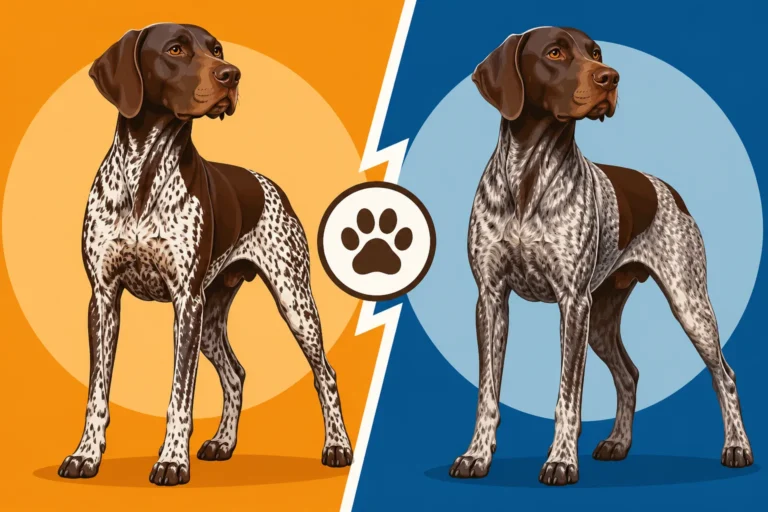
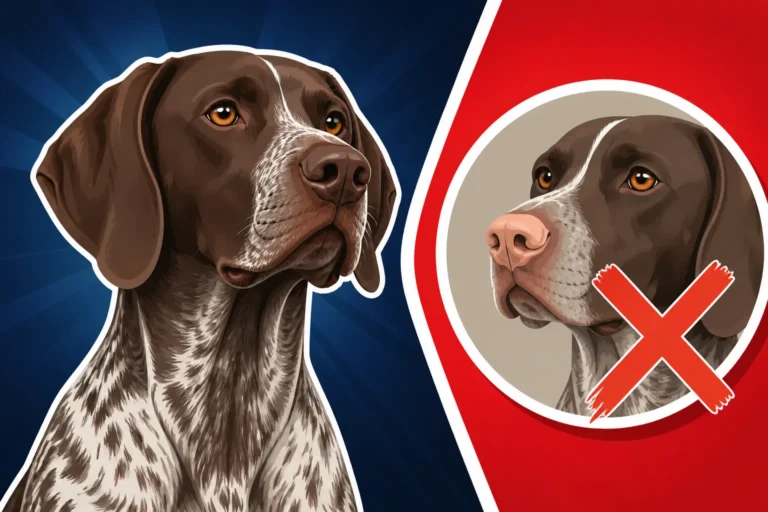
When you look at a German Shorthaired Pointer, you see a sleek, athletic, and intelligent animal, clearly built for speed and precision. But beneath that elegant exterior lies a complex genetic tapestry, woven together over centuries by German breeders with a very specific goal: to create the ultimate versatile hunting dog. They weren't just looking for a dog that could point; they wanted a dog that could do it all – find game, point staunchly, retrieve on land and water, and track injured quarry over long distances. To achieve this, they meticulously blended a variety of breeds, and among them, the deep-nosed, persistent scent hounds played a crucial role.
The Quest for Versatility in German Hunting Dogs
Imagine the hunting grounds of 19th-century Germany. A hunter might need a dog to point upland birds, track deer, retrieve waterfowl from icy lakes, and even dispatch small predators. Having a specialized dog for each task was impractical for many. This led to the concerted effort to develop a "Gebrauchshund" – a utility dog, or what we now know as a versatile hunting dog. Early prototypes of the German Shorthaired Pointer were often slower and heavier than the modern dog, possessing a strong but perhaps less refined scenting ability. Breeders sought to enhance their ability to follow a cold trail with unwavering focus, a trait quintessential to hounds. You might be interested in The German Kennels the Shorthair Was Built In to understand this historical context better.
The Hound Influences in the Shorthair's Ancestry
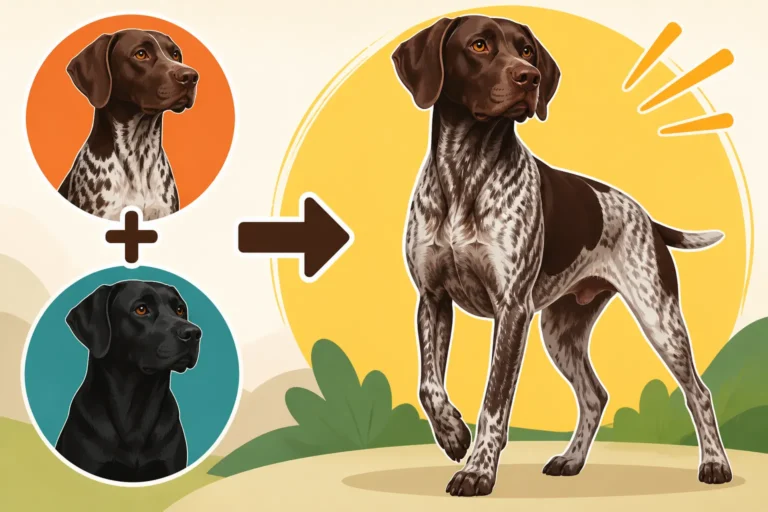
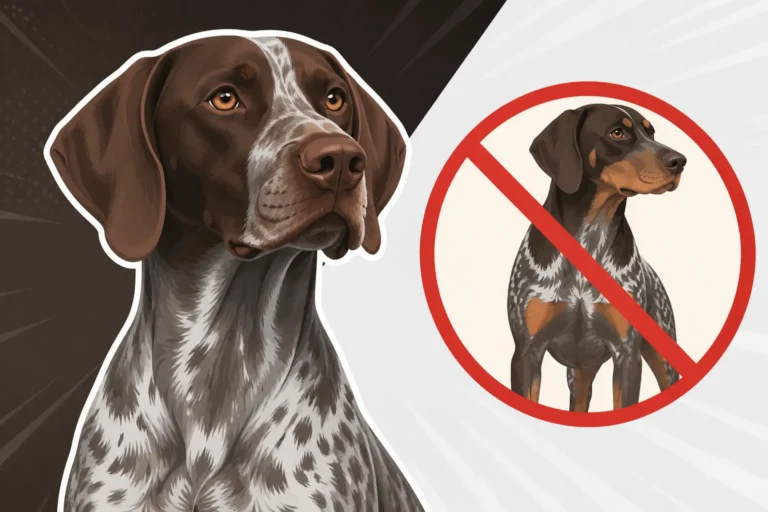
While specific "hound" breeds are often debated, it's widely accepted that dogs with strong scenting capabilities, such as the German Tracking Hounds (like the Hannoverian Scenthound or Bavarian Mountain Hound) and even some older types of French hounds, were likely incorporated into the evolving German Shorthaired Pointer. These dogs were revered for their ability to put their nose to the ground and follow a scent trail relentlessly, often ignoring distractions. This infusion of hound blood provided the GSP with a nose that isn't just good for air-scenting fresh bird scent, but also for picking up and following older, fainter ground trails – a vital skill for tracking wounded game or finding a lost bird. This hound influence is a significant part of Whether the Shorthair Descends From Scent Hounds.
The Scenting Prowess in Action: What Hound Blood Means for Your GSP Today
The historical blending of pointing and hound genetics results in the German Shorthaired Pointer's distinctive scenting style. Unlike some pure pointers that rely almost exclusively on air-scenting, a Shorthair uses its nose in a more comprehensive way, often switching between air and ground scenting with remarkable fluidity. This is the versatility that breeders aimed for, and it’s why your GSP can be so adept in various hunting scenarios, or simply, so good at finding that rogue sock under the couch.
Ground-Scenting Versus Air-Scenting
Consider a cold morning in the field. An English Pointer might hold its head high, air-scenting for a whiff of fresh pheasant scent, covering ground quickly. Your German Shorthaired Pointer, however, might quarter the field with its nose to the ground, meticulously working a two-hour-old rabbit track, then suddenly snap its head up to catch the faintest breeze-borne scent of a covey of quail. This dual capability is a direct result of that hound heritage.
Think about it this way:
- Air-scenting: This is what most people associate with "pointing." The dog detects airborne scent particles, often from game that is still moving or has recently been in the area. It allows for rapid coverage of ground.
- Ground-scenting/Trailing: This is where the hound blood truly shines. The dog puts its nose to the ground, meticulously following the foot-scent left by an animal. This takes more time but allows the dog to follow a much older or colder trail, making it invaluable for tracking.
The Shorthair masterfully combines both, making it incredibly effective. When your dog is out on a walk and suddenly slams its nose to the ground, ignoring your calls, and dragging you forward with an intensity you can barely believe, that’s often the hound instinct kicking in, locked onto a fascinating ground trail.
Real-World Manifestations of Hound Blood in Your GSP
You see this hound drive play out every day with your Shorthair, even if they're not a hunting dog.
- Obsessive Trailing: Ever noticed your GSP meticulously tracing the exact path another dog took ten minutes ago? Or how they might follow the scent of a rabbit across your entire yard, even though the rabbit is long gone? That’s the hound at work, committed to a trail. This can sometimes make Loose Leash Walking a German Shorthaired Pointer a real challenge!
- Focused Tracking: If you ever lose something small in the yard – a dropped key, a child's toy – your GSP might just amaze you by putting their nose down and tracking it as if it were a pheasant. This natural inclination makes them excellent candidates for formal tracking or scent work.
- Ignoring Distractions for Scent: A GSP with a hot scent trail can appear deaf to your commands. They are so engrossed in decoding the olfactory world that everything else fades. This intensity is a hallmark of many hound breeds, and it's something owners often contend with. When your GSP is locked onto a scent, they are literally following a story only they can "read" with their nose. Knowing Recall on a German Shorthaired Pointer That Is Locked On is essential.
This profound scenting ability is a key aspect of The Nose the German Shorthaired Pointer Was Selected For during its development.
Managing the Mighty Nose: Training and Living with a Scent-Driven Shorthair
Living with a German Shorthaired Pointer means appreciating, and sometimes gently directing, that incredible nose. It’s not something you can, or should, try to suppress entirely. Instead, the trick is to understand it, manage it, and channel it into productive and enjoyable activities. A frustrated nose can lead to a frustrated dog, and nobody wants that!
Harnessing the Scent Drive for Good
Your GSP's nose is not a nuisance; it's a superpower. Think of ways to engage it.
- Scent Work Games: These are fantastic for mental stimulation and tiring out your GSP, even on days when physical exercise is limited. Hide treats around the house or yard and let your dog "hunt" for them. Start easy and make it progressively harder. Products available from retailers like Chewy can include puzzle feeders or snuffle mats, which are excellent for engaging this natural drive in a constructive way. You can find more ideas in Puzzle Feeders and Scent Games for a Shorthair.
- Tracking and Trailing: Consider enrolling in a basic tracking class. This allows your GSP to use their natural talents in a structured environment, which is incredibly fulfilling for them. It also strengthens your bond as you work together to solve scent puzzles. Dogs love having a "job," and this is one they are biologically wired for. If you're serious about it, look into Blood Tracking With a German Shorthaired Pointer.
- "Find It" Games: A simple "find it" command, where your dog uses their nose to locate a tossed toy or treat, can be a great way to warm up for a training session or provide a quick mental break.
Addressing Challenges: When the Nose Leads Astray
While amazing, a powerful nose can also present challenges.
- On-Leash Management: When that hound drive kicks in on a walk, your GSP can become a powerful locomotive. Training with a front-clip harness or a head halter can give you more control without causing discomfort. Consistent "leave it" and "heel" commands are paramount. Remember, a GSP that pulls toward every enticing scent needs clear guidance.
- Off-Leash Safety: Letting a GSP off-leash in an unfenced area, especially near roads or other hazards, is a huge risk if their recall isn't rock-solid. That hound drive can make them follow a scent trail for miles, completely oblivious to your calls. Always assess the environment and your dog's training level carefully. A German Shorthaired Pointer That Self Hunts is a common issue arising from this drive.
- The Power of Distraction: Be realistic about your GSP's focus when high-value scents are present. Asking for complex commands when they are actively working a deer trail is likely to result in frustration for both of you. Instead, use simpler commands or a strong, high-value lure to get their attention back.
Table: GSP Scenting Traits – Pointer vs. Hound Influence
To summarize how these influences blend, here's a quick look at how the pointing and hound traits manifest in your GSP's nose work:
| Scenting Trait | Primary Influence | How it Manifests in a GSP | Owner Implications |
|---|---|---|---|
| High Head Air-Scenting | Pointer | Locating airborne scent of birds, often at a distance. | Enables fast coverage of ground; impressive "birdy" stance. |
| Nose-to-Ground Trailing | Hound | Following cold foot-scent trails (rabbit, deer, etc.). | Can lead to intense focus on ground; pulling on leash; tracking talent. |
| Staunch Point | Pointer | Freezing upon scent of game, indicating location. | Highly desirable for hunting; inherent stillness. |
| Persistent Tracking | Hound | Unwavering commitment to a scent line, even if old. | Great for finding lost game or items; can be hard to break. |
| Versatility | Both (Blended) | Seamless transition between air and ground scenting. | Adaptable in various terrains/conditions; requires balanced training. |
Understanding that magnificent nose – not just as a tool for pointing, but also as a powerful instrument for tracking and trailing, thanks to its hound blood – truly helps you appreciate the full spectrum of your German Shorthaired Pointer's abilities. Embrace it, train for it, and you’ll unlock even more joy and partnership with your incredible companion.
Disclaimer
This article is for general informational purposes only and does not constitute professional advice. Laws, prices and regulations vary by location and change over time. Consult a qualified professional for guidance on your specific situation.