Prince Albrecht and the First Shorthair Stud Book
For anyone fascinated by the German Shorthaired Pointer, understanding their origins is key to appreciating these incredible dogs. Many owners struggle to truly grasp the depth of history behind their active, intelligent companions, missing out on the foundational decisions that shaped the breed into the versatile hunter we know today. This guide will take a deep dive into the pivotal role Prince Albrecht of Solms-Braunfels played in establishing the first official stud book for the German Shorthaired Pointer, shedding light on how his vision laid the groundwork for the breed's enduring legacy.
The German Origins of the German Shorthaired Pointer
Before Prince Albrecht ever put pen to paper, the German lands were a patchwork of regional hunting dogs, each with their own strengths and weaknesses. Hunters, landowners, and even royalty had their preferences, leading to a diverse but often inconsistent array of canines. These were working dogs, bred for very specific tasks, but without a cohesive plan or a unified vision, their traits varied wildly, making it hard to predict the abilities of any given litter. Imagine a time when you might get a great pointer from one breeding, but a poor retriever from the next, even from similar lines. It was a bit like the Wild West of dog breeding, driven by immediate need rather than long-term strategic development.
Tracing the Early Ancestry
The German Shorthaired Pointer didn't just spring into existence fully formed; it evolved from a fascinating blend of different European hunting dogs. Early ancestors were likely various "bird dogs" and "hound-type" dogs from regions across Europe. Many believe that the old Spanish Pointer played a significant role, bringing in that distinctive pointing instinct. These Spanish Pointers were known for their keen noses and their ability to locate game birds with precision. They were elegant dogs, but perhaps lacked the robust constitution and tracking abilities desired by German hunters who often worked in dense cover and diverse terrains.
Over generations, these dogs were mixed with local German hounds and other scenting breeds. The goal was always practical: to create a dog that could not only point but also track wounded game, retrieve shot birds, and even work against small predators. This meant selectively breeding for a wider range of capabilities than a pure pointer might possess. The challenge was that this informal breeding often lacked systematic record-keeping, making it difficult to trace lineages and consistently reproduce desired traits. The qualities were there, scattered among various bloodlines, but they needed a guiding hand to consolidate them. This is where the story truly begins to narrow its focus.
The Need for a Versatile Hunter in Germany
German hunting traditions were, and still are, quite specific. Unlike some other European countries that might use one dog for pointing, another for retrieving, and yet another for tracking, German hunters often sought a "do-it-all" dog. They needed a versatile companion who could excel in many aspects of the hunt. This wasn't just about efficiency; it was often a practical matter for landowners and professional hunters who couldn't afford to keep a large kennel of highly specialized dogs. A single, capable dog was far more economical and easier to manage in the field.
Imagine a hunt day: you might be walking through fields for pheasant, then pushing into dense woods for deer, and finally, need a dog to retrieve a duck from a cold pond. A pure pointer, while excellent at finding birds, might struggle with tracking a wounded stag or retrieving from icy water. Conversely, a heavy-set hound might track well but lack the agility and grace for consistent bird pointing. The frustration was real for hunters who often found themselves with dogs that were "almost perfect" but fell short in key areas. This pressing need for a truly versatile hunting dog, one that could perform all these tasks effectively, was the driving force behind the systematic development that Prince Albrecht would champion. It set the stage for a breed unlike many others, a true jack-of-all-trades in the hunting world, as detailed in The German Kennels the Shorthair Was Built In.
Prince Albrecht of Solms-Braunfels: A Visionary Breeder
The German Shorthaired Pointer, as we largely recognize it today, owes an immeasurable debt to Prince Albrecht of Solms-Braunfels. He wasn't just a nobleman with a hobby; he was a serious and methodical thinker, a man ahead of his time in the world of dog breeding. His approach wasn't about fleeting trends or simply admiring a pretty face; it was about scientific principles, careful observation, and a clear, well-defined goal. He understood that to create a truly superior dog, one had to move beyond anecdotal pairings and embrace documentation and structured selection. This mindset, revolutionary for its era, is what transformed a collection of regional types into a distinct and celebrated breed.
The Man Behind the Movement
Prince Albrecht was a keen hunter himself, deeply familiar with the challenges and requirements of the German hunting landscape. He observed firsthand the inefficiencies of using multiple specialized dogs or settling for inconsistent generalists. He envisioned a dog that combined the best traits of various existing breeds: the keen nose and pointing instinct of the Spanish Pointer, the tracking ability of German hounds, and the intelligence and biddability needed for consistent retrieving. He wasn't satisfied with merely "good enough"; he sought excellence across the board.
His background and intellectual curiosity allowed him to approach dog breeding with an analytical rigor that was uncommon. He didn't just want to breed dogs; he wanted to engineer a better hunting companion. This ambition, combined with his influence and resources, enabled him to gather information, consult with other knowledgeable breeders, and, crucially, implement a system that would bring order to what had been a rather haphazard process. He understood that a shared vision and a common standard were essential if the breed was to progress beyond local variations.
Establishing the First Stud Book
The single most impactful contribution Prince Albrecht made was the establishment of the first official stud book for the German Shorthaired Pointer. This wasn't just a list of dogs; it was a foundational document, a declaration of intent for the breed's future. The Year the Shorthair Stud Book Opened marked a turning point. Before this, informal records might have been kept by individual breeders, but there was no centralized, authoritative registry to track lineage, health, or performance across different kennels. This made it impossible to identify successful lines, avoid inbreeding blindly, or ensure consistent trait selection.
The stud book changed everything. It provided a common reference point, a "who's who" of the emerging German Shorthaired Pointer. Breeders could now submit information about their dogs, including parentage, physical characteristics, and, importantly, their hunting abilities. This formal documentation allowed for a systematic approach to breeding. It meant that a breeder in Bavaria could reference the lineage of a dog in Prussia, seeking to combine desirable traits from different regions. This act of creating a centralized record system was monumental, elevating the German Shorthaired Pointer's development from an art to a more scientific endeavor, and ensuring a verifiable history for generations to come.
The Principles Guiding the Early Stud Book
Prince Albrecht's stud book wasn't just a ledger; it was a philosophy put into practice. The guiding principles were deeply rooted in the practical demands of hunting and a commitment to breeding dogs that were not only beautiful but supremely functional. This balanced approach ensured that the German Shorthaired Pointer would develop into a breed known for both its athletic prowess and its striking appearance. It set a precedent for future breed development, emphasizing that true excellence lay in the harmonious combination of inherent ability and physical suitability for work.
Selection for Form and Function
One of the cornerstones of Prince Albrecht's vision was the insistence on both "form" and "function." This meant that dogs were evaluated not just on how well they performed in the field, but also on their physical conformation. A dog could be a stellar pointer, but if it had structural faults that would impede its longevity or ability to work tirelessly, it might not be considered a top breeding candidate. Conversely, a dog with perfect looks but lacking hunting instinct or drive was equally undesirable. This dual criteria was innovative and ensured a holistic approach to breed improvement.
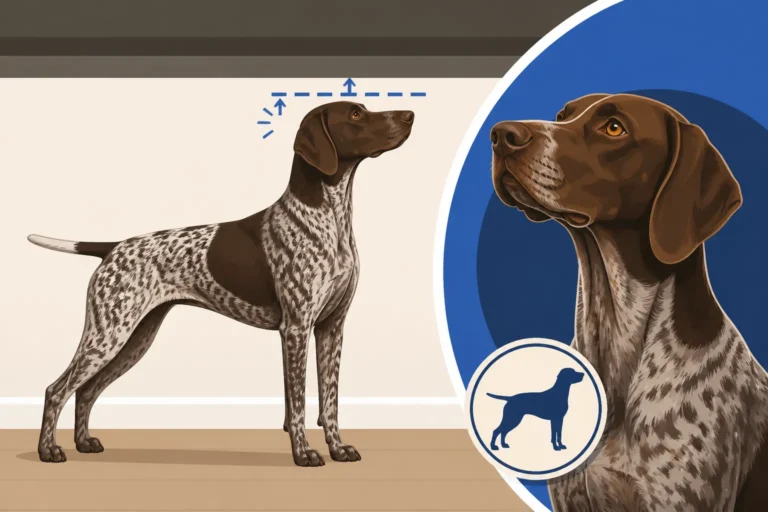
The idea was to select for dogs that had the physical attributes necessary for strenuous work in varied terrain – strong bones, well-muscled bodies, a weather-resistant coat, and an intelligent, alert expression. These physical traits were intrinsically linked to their ability to perform their duties over long hunting days, season after season. It was about creating a canine athlete designed for purpose, where every physical feature contributed to its working capacity. This commitment to both aspects is a hallmark of the GSP and is still reflected in breed standards today, which detail The Size and Build the Shorthair Standard Asks For.
Documenting Bloodlines and Performance
The stud book was meticulously designed to record comprehensive information. This included not just the dog's name and owner, but detailed pedigrees going back generations. Understanding the bloodlines was crucial for identifying genetic strengths and weaknesses, allowing breeders to make informed decisions about pairings. It was about creating a genetic roadmap, rather than simply hoping for the best with each litter. This systematic approach helped to consolidate desirable traits and weed out less favorable ones, ensuring consistent progress.
Beyond ancestry, the stud book also aimed to document actual hunting performance. This often involved records of field trials, hunting tests, or verifiable accounts of a dog's abilities in real hunting scenarios. This focus on performance data was revolutionary. It meant that a dog's value as a breeding animal wasn't purely based on its appearance or perceived potential, but on demonstrable proof of its working ability. For example, if a dog was consistently Pointing, Retrieving and Tracking in One Shorthair, those abilities were recorded, making it a highly desirable candidate. This rigorous documentation allowed breeders to track improvement, identify outstanding individuals, and ensure that the breed's working heritage remained at its core. Without such records, the breed's path could have easily strayed, prioritizing aesthetics over the very purpose for which it was created.
The Impact of the Stud Book on Breed Development
The establishment of Prince Albrecht's stud book was nothing short of transformative for the German Shorthaired Pointer. It provided a framework that pulled together disparate regional variations and began to sculpt them into a unified, recognizable breed with predictable characteristics. This systematic approach, previously lacking, meant that future generations of GSPs could be bred with a greater degree of certainty regarding their physical traits and, more importantly, their innate hunting abilities. It was a shift from hoping for the best to strategically planning for excellence.
Standardizing the Breed's Appearance
One of the most immediate and visible impacts of the stud book was the standardization of the breed's appearance. Before, a "German hunting dog" could mean a wide array of looks, but with the stud book, clear guidelines began to emerge. Breeders submitted descriptions and, eventually, photographs, allowing for comparisons and the development of an agreed-upon ideal. This meant establishing consistent expectations for things like coat color and pattern, overall build, head shape, and tail set. This didn't happen overnight, but the stud book provided the central repository where these standards could be developed, discussed, and enforced.
This standardization wasn't just for show; it was believed that a certain physical type was best suited for the work the GSP was intended to do. For instance, a short, dense coat was valued for its protection against harsh weather and thorny cover, as discussed in The Water Resistant Coat a Shorthair Carries. A powerful, athletic build was necessary for covering ground all day. By creating a visual ideal, the stud book helped breeders focus their efforts, slowly but surely shaping the breed into the elegant and robust form we recognize today. This unified appearance also made the German Shorthaired Pointer more recognizable and distinct from other versatile hunting breeds developing around the same time.
Solidifying Hunting Aptitudes
Perhaps even more crucial than standardizing appearance was the stud book's role in solidifying the German Shorthaired Pointer's hunting aptitudes. The records of performance allowed breeders to identify dogs with strong natural instincts for pointing, tracking, and retrieving, and to breed them together deliberately. This meant that the versatility that German hunters so desperately needed was systematically reinforced within the gene pool. It wasn't just about finding a dog that could point; it was about consistently producing dogs with strong pointing instincts, coupled with the biddability to be trained into reliable retrievers and trackers.
Through careful selection and documentation, breeders could track which lines consistently produced strong pointing dogs, which excelled at water retrieves, and which had the nose for tracking wounded game. This allowed for targeted breeding programs aimed at enhancing these core abilities. The ultimate goal was to ensure that every German Shorthaired Pointer possessed the innate capacity for comprehensive hunting work, living up to the ideal of What Versatile Actually Means for a Shorthair. This dedication to documenting and promoting working ability cemented the GSP's reputation as a supremely capable and intelligent hunting partner, a reputation that continues to define the breed.
Challenges and Evolution of the Early Shorthair
The path to refining the German Shorthaired Pointer wasn't always smooth. Even with Prince Albrecht's meticulous stud book, the breed's development faced various challenges, debates, and periods of evolutionary change. Breeding living creatures is complex, and the early years were marked by passionate discussions among breeders who sometimes had differing ideas about the "perfect" Shorthair. These discussions, however, were vital, pushing the breed towards greater refinement and a stronger, more consistent identity.
Debates Over Desirable Traits
Early breeders often found themselves at odds over which traits should be prioritized. Some argued vehemently for more speed and range, influenced by the English Pointer, while others stressed the importance of a more deliberate, close-working dog, suitable for dense European cover. There were debates about coat type, tail length (even before standardized docking practices), and the ideal temperament. Should the dog be fiercely independent or highly biddable? Should it be lighter and faster, or heavier and more powerful for tracking larger game? These weren't just academic arguments; they had real implications for the breed's future and its utility in the field.
These debates often centered on the "versatility" ideal itself. Was it possible to excel at everything, or did striving for an all-around dog inevitably lead to mediocrity in individual tasks? Prince Albrecht and his followers believed strongly in the achievable balance, but not everyone agreed. These disagreements were often fueled by regional hunting styles and preferences, making it challenging to establish a truly universal standard that satisfied all German hunters. Yet, it was through these debates that the breed's core identity was forged, constantly challenging breeders to justify their choices and push for continuous improvement within the framework of versatility.
The Blend with English Pointers and Other Breeds
A significant aspect of the German Shorthaired Pointer's early evolution involved the strategic, and sometimes controversial, introduction of other breeds into its developing bloodlines. While the initial German "bird dogs" provided a foundation, some breeders felt there was a need to infuse certain characteristics, particularly speed, style, and a more intense pointing drive. The English Pointer became a key influence in this regard. English Pointers were renowned for their explosive speed, wide casts in the field, and statuesque points, and their introduction was seen by some as a way to enhance these qualities in the developing GSP.
However, this wasn't without its detractors. Many German breeders were fiercely proud of their native lines and wary of "diluting" the hard-earned versatility with a dog perceived as too specialized. They worried about losing the GSP's inherent tracking and retrieving abilities, or introducing a less biddable temperament. Yet, the infusion of English Pointer blood did contribute to the GSP's characteristic athleticism and distinct pointing style, helping to How Breeders Put Speed Into the Shorthair. Over time, through careful selection within the stud book framework, the best of these traits were integrated while maintaining the core German ideal of versatility. This complex blending process, guided by the principles of the stud book, illustrates the dynamic and intentional evolution of the German Shorthaired Pointer into the breed we cherish today.
The Legacy of Prince Albrecht's Work Today
Even a century and a half after Prince Albrecht's groundbreaking efforts, his legacy continues to shape the German Shorthaired Pointer. The principles he championed — meticulous documentation, a focus on both form and function, and the pursuit of a truly versatile hunting dog — are woven into the very fabric of the breed. Modern breeders and enthusiasts alike still benefit from the structured foundation he laid, whether they realize it or not. His work wasn't just for his time; it created a blueprint for sustainable breed development.
Modern Breeding Practices Rooted in History
Today's responsible German Shorthaired Pointer breeders still operate on many of the same fundamental tenets introduced by Prince Albrecht. While DNA testing and advanced veterinary screenings are new tools, the core idea of carefully selecting breeding stock based on proven lineage, health, temperament, and working ability remains paramount. When a breeder meticulously researches a pedigree, looking for consistent traits and healthy ancestors, they are following in the footsteps of the stud book's original purpose. They are building upon a structured history, ensuring that the best qualities are preserved and enhanced.
Modern kennel clubs, like the American Kennel Club or the German breeding organizations (like the JGHV, which oversees the Deutsch Kurzhaar), maintain extensive registries that are direct descendants of Prince Albrecht's initial efforts. These registries track bloodlines, titles, and health clearances, providing invaluable resources for anyone looking to understand a dog's heritage. The detailed information about a dog's parents, grandparents, and even great-grandparents, including their accomplishments in the field or show ring, allows for informed decisions, much like in Prince Albrecht's day. When you look at a reputable breeder's website or discuss their program, you'll often see references to decades of careful selection, a direct nod to the historical principles of breed improvement.
Understanding the German Shorthaired Pointer's Versatility
The ultimate testament to Prince Albrecht's vision is the German Shorthaired Pointer's enduring reputation as one of the most versatile hunting dogs in the world. This isn't just a marketing slogan; it's a deeply ingrained characteristic of the breed, a direct result of the intentional selection criteria established in the early stud book. Whether it's pointing upland birds, retrieving waterfowl from icy waters, or tracking a wounded deer through dense cover, the GSP excels at a multitude of tasks. This innate versatility makes them not just exceptional hunting companions but also incredibly adaptable family dogs, provided their significant energy needs are met.
This comprehensive ability is what truly sets the German Shorthaired Pointer apart. It means that a well-bred GSP often possesses a strong natural instinct for many different types of game, making them highly trainable for various hunting pursuits. This inherent skill set makes them attractive to hunters who pursue different game species throughout the year or who simply want a dog capable of handling whatever the hunt throws their way. It's a living, breathing embodiment of Prince Albrecht's ideal, proving that his ambitious goal of creating a truly all-around hunting dog was not only achievable but enduring. Many GSP owners, even those who don't hunt, appreciate this intelligence and adaptability in everyday life, finding them to be quick learners and eager participants in activities ranging from agility to scent work. You can explore this further in What Versatile Actually Means for a Shorthair.
Comparing Early Stud Book Practices to Current Kennel Club Registries
It's fascinating to look back at Prince Albrecht's pioneering work and compare it to the sophisticated kennel club registries and breeding standards we have today. While the tools and technologies have changed dramatically, the core objectives often remain strikingly similar: to track lineage, ensure breed purity, and promote health and working ability. However, the depth of information and the methods of verification have certainly evolved, offering both enhanced insights and new challenges for modern breeders.
The Depth of Information Recorded Then and Now
In Prince Albrecht's original stud book, the focus was on establishing a foundational record. This included basic pedigree information – sire and dam, perhaps grandparents – along with descriptions of physical appearance and notes on hunting aptitude. It was a groundbreaking effort, but by today's standards, it would be considered quite rudimentary. The aim was largely to bring order and consistency to a previously unregulated landscape, to know who begat whom and what they could do.
Fast forward to modern kennel clubs, and the depth of information is vastly expanded. Registries like those managed by the American Kennel Club (AKC) or the Verband für das Deutsche Hundewesen (VDH) in Germany contain multi-generational pedigrees that can be traced back decades, sometimes even to the very dogs in Prince Albrecht's original book. Beyond basic parentage, these registries often integrate health clearances (like OFA for hips and elbows, or genetic test results for conditions like cone degeneration), performance titles (from hunt tests, field trials, or obedience), and even show results. A dog's entry isn't just a name and its parents; it's a comprehensive dossier. This allows a prospective puppy buyer, for instance, to research a dog's health history, genetic predispositions, and proven abilities online before making a commitment, a convenience unimaginable in the 19th century. Services like Chewy often provide educational resources that link to these modern breed club standards, helping new owners understand what to look for.
The Role of Performance Testing in Registration
Performance testing has always been critical for the German Shorthaired Pointer, but its formalization and integration into registration have come a long way since the early stud book. Prince Albrecht's era relied heavily on anecdotal evidence or basic field observations. A hunter's word that their dog was a "good pointer" might have been sufficient, alongside some informal tests of ability. The concept was there, but the standardization was nascent.
Today, performance testing is highly structured and integral to serious GSP breeding programs. Organizations like the North American Versatile Hunting Dog Association (NAVHDA) and the German JGHV have developed rigorous testing systems (like the Natural Ability, Utility Preparatory, and Utility Tests) that objectively evaluate a dog's innate abilities and trained skills in pointing, tracking, retrieving, water work, and temperament. Dogs must pass these tests, often earning specific titles, for their offspring to be considered highly desirable or even for the parents to be used in breeding programs within certain German systems. This verifiable proof of performance is often a prerequisite for a dog to obtain a full breeding license or for its puppies to be registered with certain distinctions. For example, a "VJP" or "HZP" score (German hunting tests) on a pedigree signals proven ability far more concretely than a historical note in an early stud book ever could. This evolution in performance testing ensures that the breed's working heritage remains vibrant and quantifiable, reinforcing the foundational principle of function that Prince Albrecht so strongly advocated. You can learn more about how specific clubs influence breed standards in The Parent Club That Sets Shorthair Health Rules and Whether German Shorthair Breeding Rules Beat American Ones.
Ensuring the Future of the German Shorthaired Pointer
The German Shorthaired Pointer has come a long way since Prince Albrecht first conceived of his stud book, evolving into a beloved and widely recognized breed. However, ensuring their future, preserving their health, temperament, and remarkable versatility, requires ongoing dedication from breeders, owners, and enthusiasts. It's not enough to simply appreciate their history; we must actively participate in upholding the standards and responsible practices that allow the breed to thrive for generations to come.
Responsible Breeding and Health Clearances
At the heart of a healthy future for the German Shorthaired Pointer is responsible breeding. This goes far beyond simply pairing two GSPs together. It involves a deep understanding of genetics, a commitment to health testing, and a thorough evaluation of temperament and working ability. Reputable breeders today use a battery of health clearances, checking for common breed-specific issues that might not have even been understood in Prince Albrecht's time. This includes screening for hip and elbow dysplasia, eye conditions like cone degeneration, and cardiac health issues such as subaortic stenosis. These clearances are vital to reduce the incidence of inherited diseases and ensure puppies have the best possible start in life.
A responsible breeder also evaluates the temperament of their breeding stock, ensuring they are stable, intelligent, and biddable – traits crucial for a dog that needs to work closely with humans and integrate into a family. They meticulously research pedigrees, looking for consistent health and performance, much like the original stud book intended. This informed approach, prioritizing the well-being and genetic health of future generations, is what truly honors Prince Albrecht's foundational work. When considering a puppy, asking about these clearances and the breeder's philosophy is paramount, as discussed in Reading a Shorthair's OFA and Eye Results Before Paying.
Preserving the Versatile Hunting Heritage
While many German Shorthaired Pointers are cherished family pets today, it's absolutely crucial to remember their roots as versatile hunting dogs. Preserving this working heritage is vital to maintaining the breed's distinct character, intelligence, and physical attributes. Even for owners who don't hunt, engaging their GSP in activities that tap into their natural instincts – such as scent work, agility, dock diving, or even advanced obedience – helps keep their minds and bodies sharp and fulfilled. A German Shorthaired Pointer that is bored or under-exercised, regardless of its breeding, is often an unhappy and destructive one.
Breed clubs and organizations dedicated to preserving the GSP's hunting abilities play a critical role. They organize hunt tests and field trials, providing avenues for breeders to prove their dogs' capabilities and for owners to develop their dogs' skills. Supporting these organizations, whether through participation or membership, contributes directly to the long-term health of the breed's working lines. It ensures that the genetic material for pointing, tracking, and retrieving remains strong and accessible for those who wish to continue the tradition. By understanding and respecting the purpose for which the German Shorthaired Pointer was originally bred, we ensure that Prince Albrecht's vision of the ultimate versatile hunting companion continues to thrive. Even purchasing quality dog food and supplies from a trusted retailer like Chewy can support a GSP's active lifestyle, contributing to their overall well-being and ability to perform. This active engagement, from careful breeding to thoughtful ownership, will guarantee that the GSP remains the magnificent dog Prince Albrecht envisioned.
The German Kennels the Shorthair Was Built In
The development of the German Shorthaired Pointer, or Deutsch Kurzhaar as it's known in its homeland, was a concerted effort born out of distinct German hunting traditions. Unlike breeds developed in a singular kennel, the Shorthair was a product of collaboration and shared goals across various estates and regions of Germany. It wasn't one man's personal project, but a collective ambition to create a superior hunting companion, with Prince Albrecht's stud book serving as the unifying force.
The Regional Diversity of Early German Hunting Dogs
Before Prince Albrecht's standardization efforts, Germany was home to a variety of regional hunting dogs, each adapted to local game and terrain. You had dogs with strong tracking abilities for deer and wild boar, pointers for upland birds, and various types of retrieving dogs for waterfowl. These dogs were often bred informally by local hunters, gamekeepers, and landowners, with pairings often based on immediate practical needs rather than a broader breeding plan. Imagine a small village in Bavaria with a strain of dogs good at scent work in the thick forests, while another family in northern Germany might prize their dogs for their ability to find pheasants in open fields.
These regional differences led to a wonderful diversity but also a lack of consistency. There was no single, recognizable "German bird dog" type. While individual dogs might be excellent, reproducing their specific talents reliably was a hit-or-miss affair without detailed records. This patchwork of local varieties highlighted the significant need for a unified approach, a comprehensive standard that could bring the best of these diverse working dogs together under one umbrella, leading to The German Bird Dog Behind the Modern Shorthair.
The Collaborative Effort to Refine the Breed
The refinement of the German Shorthaired Pointer was inherently a collaborative endeavor, fueled by a shared national identity and a common purpose. Prince Albrecht's stud book provided the central framework, but it was the participation of numerous breeders, hunters, and landowners across Germany that truly brought the breed to fruition. They pooled their knowledge, shared their best breeding stock, and rigorously tested the progeny against the demanding criteria of versatility. This was a grassroots movement, supported by an intellectual framework.
This collaborative spirit meant that successful lines from one region could be introduced to another, strengthening the overall gene pool and mitigating localized weaknesses. Field trials and breeding shows became important venues for evaluating dogs and discussing breed progress. It was through these interactions that the "Deutsch Kurzhaar" identity solidified, reflecting a dog capable of performing all aspects of the hunt—pointing, tracking, and retrieving—in any German landscape. This commitment to a collective vision, facilitated by the formal structure of the stud book, ensured the breed's rapid and successful development, setting a standard for future breed clubs like those for What Deutsch Kurzhaar Means.
The German Shorthaired Pointer Against Its German Cousins
To truly appreciate the German Shorthaired Pointer, it's helpful to understand how it stands in comparison to its "German cousins" – other versatile hunting breeds developed in Germany with similar goals but distinct characteristics. While all aim for versatility, they each offer unique blends of traits, reflecting different breeding priorities and regional preferences. This comparative look highlights the specific niches each breed fills and why the Shorthair gained such widespread popularity.
Distinguishing the Shorthair from the Wirehair
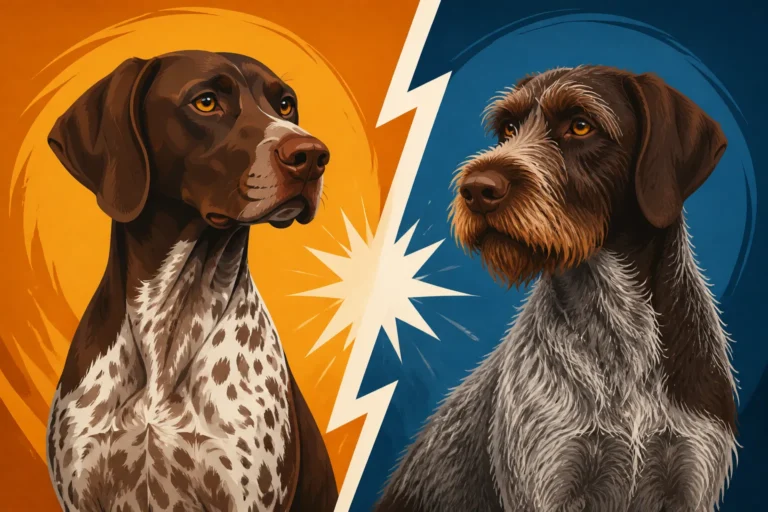
The German Wirehaired Pointer (Deutsch Drahthaar) is perhaps the closest cousin to the Shorthair, and often misunderstood. Both breeds share the core philosophy of versatility and an ancestry rooted in German hunting traditions. However, the most obvious distinction, as their names suggest, lies in their coats. The Shorthair boasts a sleek, dense, and short coat that offers good protection in temperate weather and water, but can be less insulating in truly harsh conditions or dense, thorny cover. This coat is easy to maintain, a boon for many active hunters.
The Wirehair, on the other hand, was intentionally bred for a harsh, wiry, and often longer coat with a dense undercoat. This coat offers superior protection against extreme cold, dense briars, and icy water, making the Wirehair particularly suited for rougher terrain and more challenging weather conditions. This coat requires more grooming and can be a magnet for burrs, but it's a trade-off for its enhanced protective qualities. Beyond the coat, while both are powerful hunters, some might argue that the Wirehair often possesses an even greater robustness and perhaps a slightly more independent streak, reflecting its origins in more rugged hunting environments. The choice between them often comes down to the specific hunting conditions a person faces and their preference for coat maintenance.
The Shorthair's Traits Against the Vizsla and Weimaraner
When we look at the German Shorthaired Pointer in comparison to breeds like the Vizsla and the Weimaraner, we see different expressions of the versatile gun dog ideal. The Vizsla, originating from Hungary, is known for its elegant, light build, distinctive golden-rust coat, and incredibly affectionate, sensitive nature. While also a versatile hunter, many Vizslas are perceived as "softer" in temperament, highly sensitive to harsh training methods, and often more prone to separation anxiety. Their hunting style can be a bit more "birdy" and less focused on tracking large game than the GSP.
The Weimaraner, the "Grey Ghost" of Germany, presents another contrast. Known for its striking silver-grey coat and piercing amber eyes, the Weimaraner was developed for hunting large game such as bear, deer, and wolf, as well as birds. This heritage often makes them more intense, powerful, and sometimes more strong-willed than the average GSP. Weimaraners require immense physical and mental stimulation, and if not properly managed, can be quite dominant. While both are loyal and intelligent, the GSP often strikes a balance, being perhaps less sensitive than the Vizsla and less intensely driven for big game than the Weimaraner, making it a highly adaptable companion for a broader range of hunting and family lifestyles. They truly fit a specific niche, making them a popular choice among many. You can explore how some breeds compare in The German Shorthaired Pointer Against the Wirehair, The German Shorthaired Pointer Against the Vizsla, and The German Shorthaired Pointer Against the Weimaraner.
The Household a German Shorthaired Pointer Actually Fits
Bringing a German Shorthaired Pointer into your home is a huge commitment, and it's essential to understand that these aren't just pretty faces. They are high-energy, intelligent, and deeply connected dogs that thrive in specific environments. While their versatility in the field is celebrated, that same drive and intelligence translate into a demanding presence in the home. Many families fall in love with their striking looks and active nature, only to be overwhelmed by their boundless energy and need for engagement. It's a breed that truly asks for an active partnership.
The Demands of a High-Energy Companion
The most significant factor in determining if a German Shorthaired Pointer fits your household is your lifestyle. These dogs were bred to run for hours on end, covering vast amounts of ground in pursuit of game. This isn't just a casual stroll around the block. A GSP needs a minimum of The Two Hours a Day a German Shorthaired Pointer Needs of vigorous exercise, and often much more. This means running, biking, swimming, or active games of fetch, often off-leash in a safe, expansive area. Without adequate exercise, a Shorthair won't just be restless; they will often become destructive, anxious, or develop undesirable behaviors. Think of it this way: their bodies and minds are hard-wired for intense activity, and if that energy isn't channeled productively, it will find an outlet, often in ways you won't appreciate.
Imagine coming home after a long day at work to find your couch cushions ripped apart, or a new hole dug in your yard. This isn't malice; it's a sign of an under-exercised or under-stimulated GSP trying to create its own "work." They need owners who are committed to an active lifestyle, rain or shine. If you're a couch potato, or if your idea of exercise is a leisurely walk, a GSP is likely not the right fit for you. They need to be partners in adventure, whether that's hunting, hiking, trail running, or engaging in dog sports. This breed requires a serious commitment to their physical and mental well-being, and it’s something to consider before bringing one home. For owners struggling with excessive energy, enrichment toys from Chewy can help, but they are no substitute for real exercise.
Living with the "Velcro Dog" Personality
Beyond their exercise needs, German Shorthaired Pointers are renowned for their affectionate, often described as "Velcro" personalities. They bond deeply with their families and thrive on companionship, often preferring to be in the same room, or even on the same couch, as their humans. This intense desire for closeness is part of their charm, but it can also be challenging for those who prefer a more independent dog. A GSP is not a breed that thrives when left alone for long periods, day in and day out. They crave interaction, mental stimulation, and being an integral part of family life.
This "Velcro" nature means they can be prone to separation anxiety if not properly socialized and desensitized to being alone from a young age. They might follow you from room to room, nose nudging for attention, or rest a head on your lap while you work. For families who want a dog that is always "present" and involved, this is a wonderful trait. However, for individuals with demanding work schedules that keep them away for many hours, or those who prefer a dog that is content to do its own thing, the GSP's need for connection can feel overwhelming. Understanding The Velcro Side of a German Shorthaired Pointer is essential for a harmonious household. They are truly loyal and loving companions, but they expect to be part of every adventure, big or small, and that includes being physically close to their people.
The German Shorthaired Pointer's Journey to American Recognition
While the German Shorthaired Pointer was methodically developed in Germany, its journey across the Atlantic and subsequent recognition in the United States marked another significant chapter in its history. American hunters quickly recognized the breed's potential, and dedicated individuals worked to establish the GSP as a prominent sporting dog in North America. This transnational appreciation highlights the universal appeal of its versatility and charm.
How the Shorthair Reached the United States
The first German Shorthaired Pointers began making their way to the United States in the early 20th century. Hunters and enthusiasts, impressed by reports of the breed's comprehensive hunting abilities in Germany, started importing individual dogs to evaluate their performance on American game birds and in American hunting conditions. These initial imports were often carefully selected individuals from established German lines, chosen for their proven versatility and temperament. They represented the culmination of decades of breeding work initiated by Prince Albrecht.
These early German Shorthaired Pointers quickly demonstrated their prowess. American hunters found them equally adept at pointing quail in Southern fields, retrieving pheasants from Midwestern corn stubble, and even working on waterfowl in marshy environments. Their intelligence and biddability also made them attractive to owners looking for a dog that was not only a capable hunter but also a devoted companion. This early success and positive word-of-mouth among the hunting community laid the groundwork for the breed's rapid acceptance and growth in the United States, showcasing that its foundational breeding principles were universally valuable.
The Shorthair's Move Into the AKC Sporting Group
The widespread acceptance of the German Shorthaired Pointer culminated in its official recognition by the American Kennel Club (AKC). The year The 1930 AKC Entry of the German Shorthaired Pointer marked a significant milestone, as the breed was formally admitted into the AKC Stud Book and placed in the Sporting Group. This recognition was a testament to the dedicated efforts of early American GSP fanciers and breeders who had worked tirelessly to promote the breed, establish a breeding base, and demonstrate its adherence to a consistent standard.
AKC recognition provided a formal platform for the breed to flourish. It allowed for organized dog shows, field trials, and obedience competitions, further refining the breed and increasing its visibility. The AKC's Sporting Group classification acknowledged the GSP's primary purpose as a gun dog, confirming its place among other esteemed bird dogs like English Pointers and Setters. This official status not only solidified the breed's presence in America but also helped to maintain consistent breeding standards and health protocols. From that point forward, every registered German Shorthaired Pointer in the AKC system could trace its lineage, directly or indirectly, back to the meticulous record-keeping principles first championed by Prince Albrecht. This foundational structure, carried across continents, ensured the breed's enduring integrity.
Disclaimer
This article is for general informational purposes only and does not constitute professional advice. Laws, prices and regulations vary by location and change over time. Consult a qualified professional for guidance on your specific situation.