The Year the Shorthair Stud Book Opened
It’s easy to look at our sleek, energetic German Shorthaired Pointers today and forget that they are the product of centuries of careful breeding, shaped by hunters who needed a truly versatile partner in the field. But for all their modern prowess, understanding their journey means looking back at the pivotal moments in their history, especially when their lineage was formally recognized. This guide will walk you through the crucial period when the German Shorthaired Pointer, or Deutsch Kurzhaar as it's known in its homeland, truly began to take its official shape, marked by the opening of its first stud book.
The Genesis of a Versatile Hunter: Before the Stud Book
Before the formal stud book, the dogs that would become our beloved German Shorthaired Pointers were already hard at work in Germany. German hunters faced a unique challenge. Unlike their English counterparts who often hunted over vast estates with large teams of specialized dogs – pointers for finding, retrievers for fetching, scent hounds for tracking – the German landscape and hunting traditions called for something different. Game was diverse, ranging from birds to small mammals, and often dense forest or varied terrain meant a dog needed to do it all, and do it well.
Hunters weren't just looking for a dog that could point; they needed a dog that could track game, retrieve both on land and from water, and even handle furred game if necessary. This desire for an all-around hunting companion meant that early breeders were experimenting with a mix of different dogs, striving to combine the best traits into one supreme athlete. They were likely crossing old Spanish Pointers, bloodhounds, and local German hounds, aiming to develop a dog with a keen nose, a strong point, and an inherent drive to retrieve. This experimental phase was critical, laying the groundwork for the GSP's incredible versatility. You can really see how How the Shorthair Was Bred to Replace Four Specialist Dogs became a driving force behind their development.
The goal was a dog that could work before the shot, finding and pointing game with intensity, and then transition seamlessly to work after the shot, retrieving downed birds or tracking wounded animals. This wasn't just a casual hobby; it was a serious undertaking by dedicated sportsmen and noblemen who understood the value of a truly capable hunting partner.
Prince Albrecht and the Formalization of the Breed
The critical moment for the German Shorthaired Pointer came in 1897 when Prince Albrecht zu Solms-Braunfels, a significant figure in German dog breeding and hunting circles, published the breed standards for the Deutsch Kurzhaar and initiated the formal stud book. This wasn't just some bureaucratic exercise; it was a profound declaration that established the breed's identity and laid down the rules for its future development. Before this, while there were undoubtedly many excellent dogs, their breeding was often more informal, based on individual hunter's preferences and local lines.
Prince Albrecht was instrumental in moving the breed from a collection of "typey" hunting dogs to a recognized, standardized breed. He understood that to improve and preserve the qualities of these versatile dogs, there needed to be a clear benchmark. His work, detailed in Prince Albrecht and the First Shorthair Stud Book, created the framework for consistent breeding practices. This stud book became the official record, documenting pedigrees and ensuring that only dogs meeting the specified physical and temperamental traits could be registered and contribute to the breed's future. It was a commitment to excellence, ensuring that the unique blend of attributes that defined the Kurzhaar would be maintained and enhanced for generations to come.
The stud book's opening meant that breeders now had a common goal and a defined path. It shifted the focus from purely functional breeding to a more scientific approach, allowing for better tracking of bloodlines and the selection of dogs that truly embodied the versatile German hunting dog ideal.
The Purpose and Impact of the Stud Book
The opening of the stud book in 1897 served several crucial purposes, all aimed at solidifying the German Shorthaired Pointer's future. Firstly, it established a clear breed standard. This standard outlined not just physical characteristics like coat color, size, and conformation, but also the essential temperament and working abilities. It emphasized the importance of a strong, biddable personality, keen intelligence, and unwavering drive—traits we still cherish in our GSPs today. This formal definition helped ensure that breeders across different regions of Germany were working towards the same ideal, preventing the breed from fragmenting into disparate types. You can imagine the intense discussions among the German kennels about what the ideal shorthair should look like and how it should perform, culminating in the formal standards of that era. The German Kennels the Shorthair Was Built In were instrumental in these early debates.
Secondly, the stud book provided a verifiable pedigree system. For the first time, breeders could trace the lineage of their dogs back through registered ancestors, allowing them to make more informed decisions about pairings. This was vital for identifying strong genetic lines for desired traits, and equally important, for avoiding known weaknesses or undesirable characteristics. It also fostered a sense of community among breeders, creating a shared history and a collective responsibility for the breed's health and integrity. When you're looking for supplements or training gear for your GSP, checking out online retailers like Chewy often brings up products designed with the needs of a well-bred, active dog in mind, reflecting centuries of this careful selection.
Finally, the stud book legitimized the breed on a broader scale. It allowed the Deutsch Kurzhaar to gain recognition alongside other established European breeds. This formal recognition was key to promoting the breed internationally and ensuring its preservation. It laid the groundwork for the breed's eventual introduction to other countries, including its entry into the AKC stud book much later. The importance of understanding these historical foundations cannot be overstated; they shaped the very essence of the German Shorthaired Pointer we know and love.
The Early Characteristics Recorded in the Stud Book
When the first German Shorthaired Pointer stud book opened, the characteristics recorded were meticulously chosen to reflect the breed's intended purpose: a supremely versatile hunting dog. Breeders were looking for a specific combination of physical attributes and temperament that would make the GSP excel in various hunting scenarios.
Physical Attributes Emphasized
Early entries in the stud book would have focused on key physical traits that contributed to the breed's functionality. The coat, for instance, was expected to be short, dense, and water-resistant – perfect for navigating varied terrain and retrieving from icy waters without getting chilled. Color patterns were typically liver and white, often ticked or roaned, providing natural camouflage in the field. While today we see solid liver or even black GSPs, the foundation was rooted in these classic markings.
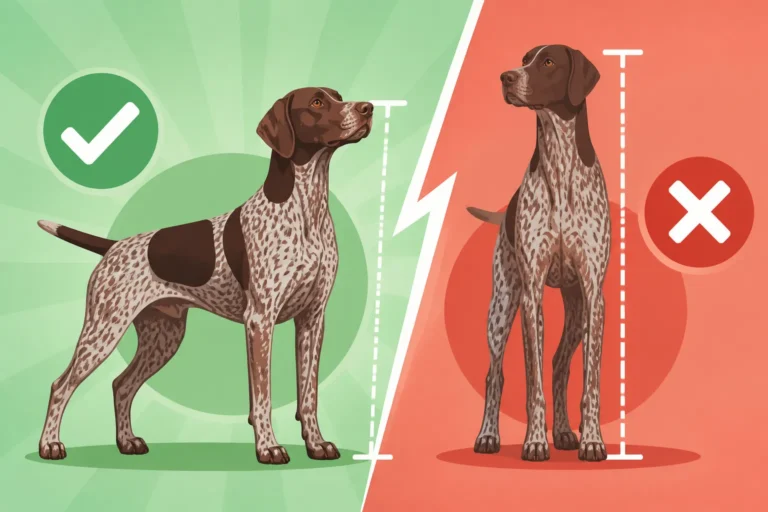
Conformation was equally important, favoring a muscular, athletic build. Dogs needed strong, powerful legs for enduring long days of running and hunting, coupled with a deep chest for lung capacity. The head was to be noble, with intelligent, expressive eyes and medium-length, dropped ears that were less prone to catching burrs or debris in dense cover. The tail was typically docked to a specific length, a practice rooted in preventing injuries from whipping through heavy brush while working. This attention to detail in their build is a testament to how GSPs were bred for function first and foremost. Many modern accessories, like durable collars or vests you might find on Chewy, are designed with this rugged, active physique in mind.
Temperamental and Working Traits
Beyond looks, the stud book also implicitly emphasized the core temperament and working abilities that defined the GSP. Intelligence, trainability, and an unwavering desire to please were paramount. A dog could be physically perfect, but if it lacked the drive to hunt or the willingness to cooperate with its handler, it wouldn't be considered a true representative of the breed.
The ability to point with intensity, track with precision, and retrieve enthusiastically were non-negotiable. Early breeders were looking for a dog with a keen nose – a trait that harkens back to the possible inclusion of The Hound Blood Behind a Shorthair's Nose in their lineage. They also valued a dog that was fearless yet biddable, able to handle challenging conditions and loud noises without becoming gun-shy. This combination of "brains and brawn" made the GSP the ultimate hunting partner, capable of adapting to different types of game and environments. This original blueprint for the GSP’s temperament is why they thrive with consistent training and ample exercise, a philosophy reflected in many of the training guides and active dog toys available from pet supply retailers.
The Legacy of the First Stud Book on Modern GSPs
The opening of the German Shorthaired Pointer stud book in 1897 cast a long shadow, fundamentally shaping the breed we cherish today. This formalization ensured a consistent direction for breeding, which is why, even now, our GSPs exhibit a remarkable uniformity in their inherent abilities and physical type. It’s not by accident that a GSP from one reputable breeder often shares the same tireless energy, strong pointing instinct, and eagerness to please as another. This continuity is a direct result of those early, foundational efforts to define and document the breed.
The emphasis on versatility established back then remains a cornerstone of the breed. Modern German Shorthaired Pointers are still expected to be proficient at pointing, retrieving, and tracking, making them truly "versatile" in every sense of the word. While some lines might lean more towards field trials and others towards show rings, the underlying genetic programming for an all-around hunting dog persists. Even if your GSP is primarily a beloved family companion, you'll undoubtedly see these instincts surface during playtime – a sudden freeze and point at a bird in the yard, an enthusiastic retrieve of a thrown toy, or an unyielding desire to follow interesting scents on walks.
Continued Evolution and Registration
The establishment of the stud book didn't mean the breed stopped evolving entirely; rather, it provided a controlled environment for evolution. Breeders continued to refine the GSP, enhancing desired traits and addressing any emerging concerns. The standards set by Prince Albrecht and his contemporaries served as a guiding star, ensuring that while the breed could adapt, it would never stray too far from its original purpose and type. This careful stewardship allowed the German Shorthaired Pointer to maintain its core identity even as it gained popularity worldwide.
When the breed eventually made its way across the Atlantic, it underwent another wave of formal recognition, leading to The Year the Shorthair Entered the AKC Stud Book, which further cemented its place in the sporting dog world. This global acceptance proved the wisdom of those early German breeders who sought to create a comprehensive, adaptable hunting dog. Today, when we see a GSP tirelessly working a field, or gracefully moving in a show ring, we are witnessing the direct, living legacy of that 1897 decision and the meticulous record-keeping that followed. It’s a testament to the foresight of those who understood that a great dog isn't just born, but is carefully bred and documented for posterity.
What the Stud Book Teaches Us About Breeding Today
For anyone interested in the German Shorthaired Pointer, whether as a hunter, a family pet owner, or a prospective breeder, the history of the stud book offers invaluable lessons. It highlights the importance of responsible breeding practices, emphasizing health clearances, genetic diversity, and adherence to the breed standard. It’s a reminder that a well-bred GSP is the product of generations of careful selection, not just random pairings. When you're considering adding a GSP to your family, researching a puppy's pedigree and understanding the health testing done on its parents is a direct continuation of the principles established with that first stud book. Reputable breeders today still adhere to these high standards.
The stud book is a historical document that underlines the dedication required to create and maintain a breed of such distinction. It reminds us that every GSP carries with it a rich heritage of purpose, intelligence, and athleticism. This foundation of strong, well-documented lines is why you can often predict certain traits and health outcomes in a GSP puppy if you know its lineage well. The commitment to meticulous record-keeping, much like detailed product information you might find on Chewy for pet supplies, empowers owners to make informed choices.
Here’s a look at some key historical milestones in the formal development of the German Shorthaired Pointer:
| Event | Approximate Era / Year | Significance |
|---|---|---|
| Early Development in Germany | 17th-19th Century | Crossbreeding various European pointers, hounds for versatile hunting traits. |
| Prince Albrecht's Influence | Late 19th Century | Championed formal standards and organized breeding efforts. |
| Opening of First Stud Book | 1897 | Formalized the breed, established standards, and began official pedigree tracking (Deutsch Kurzhaar). |
| Introduction to United States | Early 20th Century | GSPs began to arrive in North America, gaining popularity. |
| AKC Recognition | 1930 | Official recognition by the American Kennel Club, allowing registration and competition. |
| Continued Refinement | Ongoing | Breeders continue to work on health, temperament, and adherence to the breed standard globally. |
This table really illustrates how a single event, the opening of that stud book, was a huge step in securing the future of the German Shorthaired Pointer. It’s why we have such consistently excellent dogs today, whether they're pointing pheasants in a crisp autumn field or curled up beside us on the couch after a long run. The traits a German Shorthaired Pointer possesses today are a direct result of these efforts, confirming that The Traits a Shorthair Breeder Selects For Today are deeply rooted in this early history.
Disclaimer
This article is for general informational purposes only and does not constitute professional advice. Laws, prices and regulations vary by location and change over time. Consult a qualified professional for guidance on your specific situation.