The German Shorthaired Pointer Against the Wirehair
When you’re out in the field, it's not uncommon to see two very distinct, yet equally driven, German bird dog breeds working their magic: the German Shorthaired Pointer (GSP) and the German Wirehaired Pointer (GWHP). While both are lauded for their versatility and intense hunting prowess, they are certainly not the same dog. Many potential owners, and even seasoned hunters, often wonder about the specific differences that set these two magnificent breeds apart, leading to confusion about which might be the right fit for their lifestyle and hunting needs. This guide will meticulously break down the nuances between the GSP and the GWHP, helping you understand their unique characteristics, temperaments, and the specific demands they place on their owners.
A Tale of Two Versatile Hunters: Shared Heritage, Divergent Paths
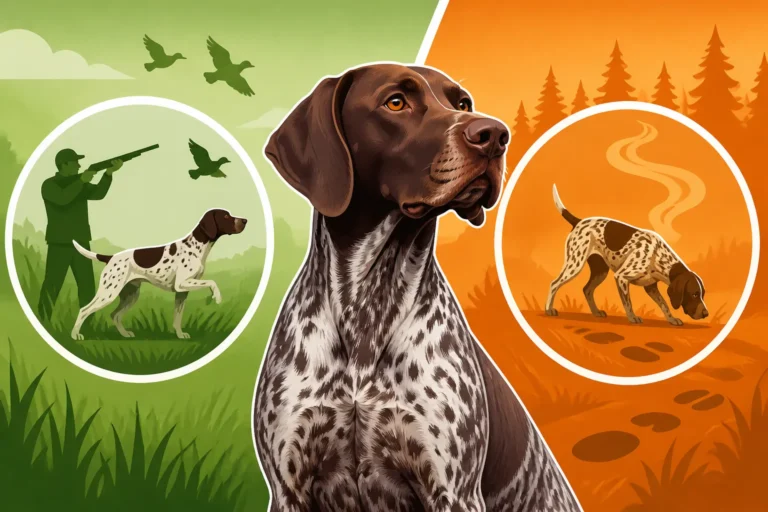
The story of the German Shorthaired Pointer and the German Wirehaired Pointer is one born from a shared philosophy: the desire to create the ultimate versatile hunting dog. In Germany, hunters didn't just want a dog that pointed birds; they needed an all-around partner capable of everything from pointing upland game to retrieving waterfowl, tracking wounded deer, and even dispatching small predators. This pursuit of versatility led to the development of several "Deutsch" (German) breeds, with the GSP and GWHP emerging as two of the most successful.
German Roots and the Versatile Ideal
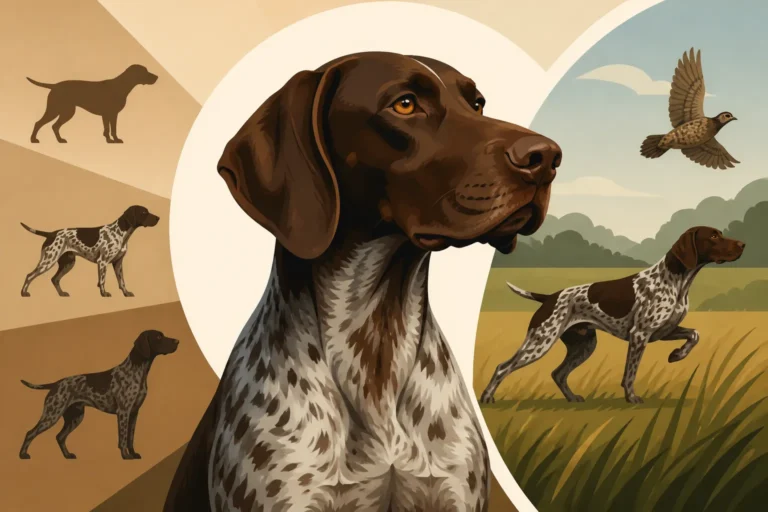
The German Shorthaired Pointer's lineage is deeply rooted in this pursuit of a truly all-purpose gun dog. Developed in the 19th century, its ancestry includes old Spanish Pointers, various German scent hounds, and English Pointers, all carefully selected and blended to create a dog with keen scenting abilities, a natural point, and an inherent desire to retrieve. The goal was to produce a dog that could excel on all types of game and in diverse terrains, capable of performing flawlessly before and after the shot. They needed a dog that could hunt tirelessly, then come home and be a calm, loyal family companion. This vision of a "do-it-all" dog is central to the GSP's very being. It was about creating one dog to replace the need for several specialists, a true testament to efficiency and multi-talent. Indeed, the early breeders truly aimed to streamline the hunting experience, developing How the Shorthair Was Bred to Replace Four Specialist Dogs.
The German Wirehaired Pointer shares this profound commitment to versatility, but its development took a slightly different, though equally intentional, path. Emerging later than the GSP, the GWHP was specifically bred to withstand even harsher conditions and denser cover. While its foundations also include Pointers and various German hunting breeds, it incorporated a more significant influence from dogs like the Pudelpointer and the Griffon, breeds known for their tough, protective coats. These additions were not just for aesthetics; they were crucial for producing a dog that could tackle icy water, thorny thickets, and cold weather with unparalleled resilience. The wirehair's ancestry reflects a deep understanding that while versatility was key, certain environments demanded a tougher, more weather-resistant package.
Defining "German Shorthaired Pointer" vs. "German Wirehaired Pointer"
While often grouped under the umbrella of German pointing breeds, the GSP and GWHP are distinct breeds with their own unique characteristics, officially recognized by kennel clubs worldwide. Understanding these distinctions is crucial, especially when considering which dog might best integrate into your home and hunting life.
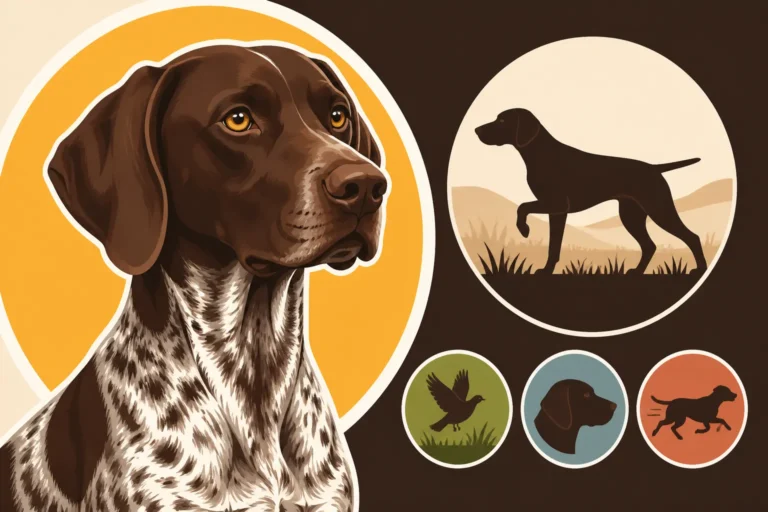
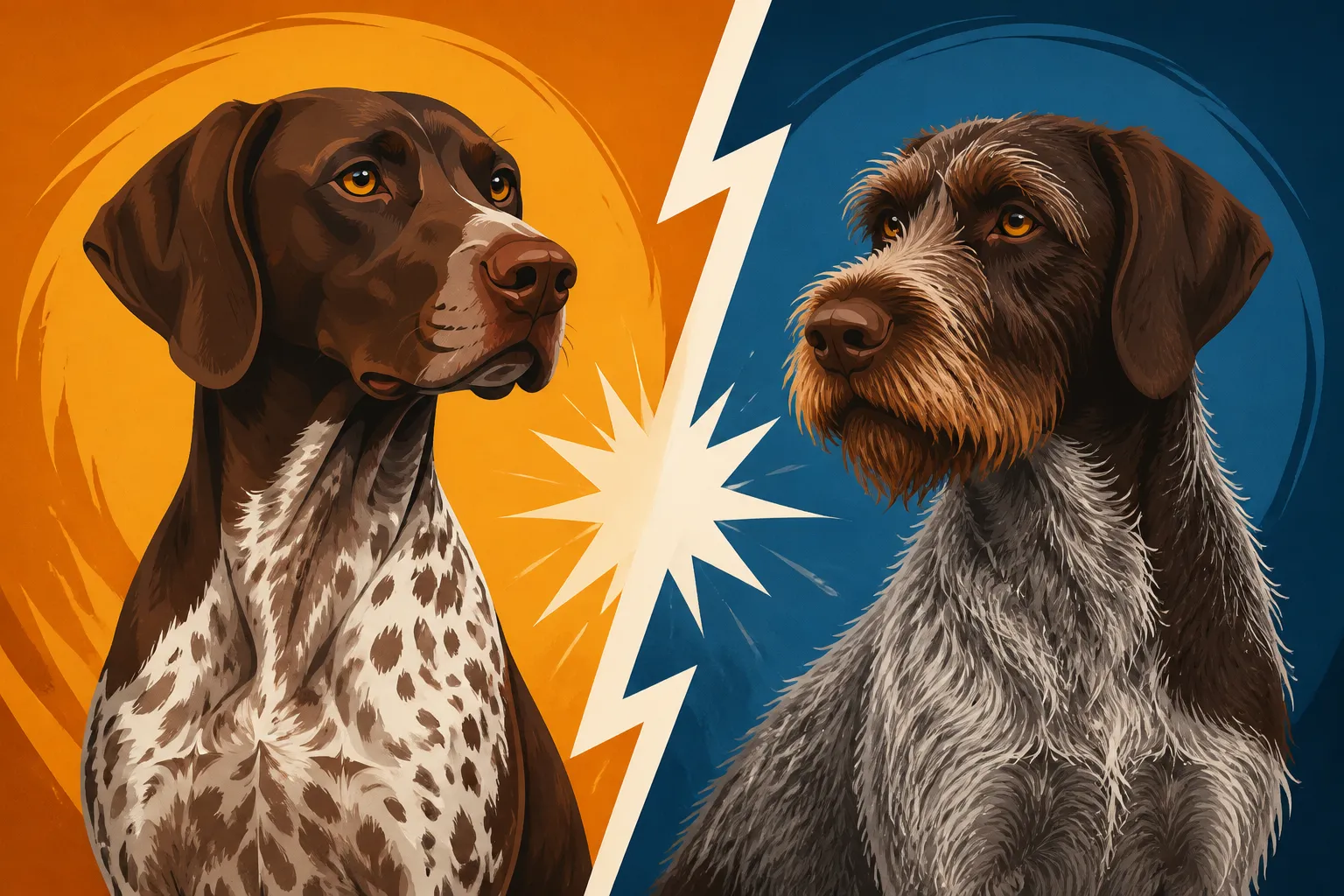
The German Shorthaired Pointer, or GSP, is recognized for its athletic, aristocratic appearance. They possess a short, dense coat, typically liver and white, or solid liver. Their build is lean and muscular, designed for speed, endurance, and agility. The AKC breed standard emphasizes a powerful, symmetrical, and well-balanced dog, with a strong, intelligent, and eager expression. They are often described as having a flowing gait, covering ground effortlessly. This physical conformation directly supports their role as wide-ranging bird dogs, capable of sustained, high-energy work over open terrain, while also being able to plunge into icy water for a retrieve. Their streamlined body makes them incredibly efficient movers.
In contrast, the German Wirehaired Pointer, or GWHP, presents a more rugged, robust image. Their defining feature is their harsh, wiry outer coat and dense undercoat, which provides superior protection against harsh weather and unforgiving cover. They sport distinctive facial furnishings, including a beard, whiskers, and bushy eyebrows, which further shield their eyes and muzzle from thorns and debris. While still athletic, the GWHP generally has a slightly heavier bone structure and a more blocky appearance than the GSP, reflecting their ability to push through dense brush. The AKC standard for the GWHP highlights their strong, active, and intelligent nature, emphasizing a dog built for tenacity and endurance in all conditions, without sacrificing speed or grace. Their overall presentation communicates a dog that is ready for serious work, no matter the challenge.
Coat, Conformation, and Conditioning: Built for Different Demands
When you look at a GSP and a GWHP side-by-side, the most obvious difference is their coat. But this isn't just a superficial trait; it's a fundamental design choice that impacts everything from their grooming needs to their performance in various hunting environments and their tolerance for different weather conditions. Each breed's physical attributes are fine-tuned for the specific demands placed upon them by their German creators.
The GSP's Sleek, Water-Resistant Armor
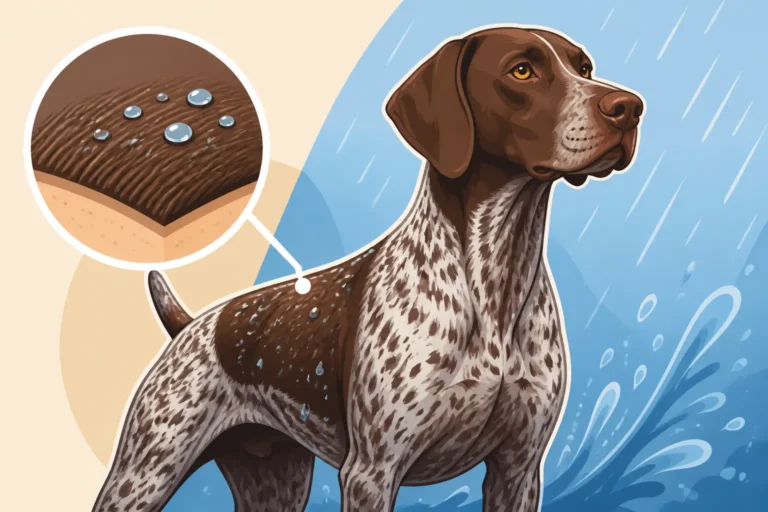
The German Shorthaired Pointer's coat is truly a marvel of natural engineering. It's short, thick, and coarse to the touch, lying flat against their body. This dense texture acts as a natural shield, providing excellent protection against mild weather, brush, and water. When a GSP comes out of a pond or creek, the water tends to bead off their coat, allowing them to dry surprisingly quickly. This water-repellent quality is a huge advantage, especially when making cold water retrieves, although their relatively thin coat doesn't offer the same insulation as a double-coated breed. Many owners appreciate Whether a Shorthair's Coat Was Bred for Water Work and how effective it is for quick drying.
Beyond the coat, a GSP's conformation is all about athleticism and efficiency. They are built for speed and endurance, with long, powerful legs, a deep chest, and a lean, muscular body that allows for fluid, ground-covering strides. Their sleek form reduces drag as they move through the air and water, enabling them to maintain high speeds for extended periods. This makes them perfectly suited for ranging widely in open fields, effortlessly covering vast amounts of ground in pursuit of game. Their lean build also means less surface area for burrs and seeds to cling to, simplifying post-hunt clean-up in many cases.
While generally low-maintenance in terms of grooming, the GSP's short coat can still pose its own challenges. They do shed, often year-round, and their stiff, short hairs can weave themselves into carpets and upholstery, becoming quite pervasive. Regular brushing with a rubber curry mitt helps manage the shedding and keeps their skin healthy. In extremely cold or harsh conditions, their short coat offers minimal insulation, meaning they might need a protective vest or coat if working in freezing temperatures or icy water for prolonged periods. Without this, they are prone to getting chilled quickly, which can impact their performance and health.
The Wirehair's Harsh Coat and Rugged Physique
The German Wirehaired Pointer's coat is its defining characteristic and a testament to its role as a hardy, all-weather hunter. This isn't just a rough coat; it's a double coat with a dense, harsh, wiry outer layer and a thick, soft undercoat. This formidable combination provides exceptional insulation against cold, wind, and rain, allowing the GWHP to work comfortably in conditions that would send a GSP shivering back to the truck. The wiry texture also acts as a natural armor, protecting them from thorns, brambles, and dense undergrowth that would scratch and cut a softer-coated dog. Their signature beard and eyebrows aren't just for looks; they protect the eyes and muzzle from debris, ice, and even the force of charging through heavy cover. When considering Whether a Wirehair Handles Cold Better Than a Shorthair, the answer is almost unequivocally yes, thanks to this specialized coat.
The GWHP's build complements its coat, presenting a more robust and substantial physique than the GSP. While still athletic and capable of speed, they tend to have heavier bone and a slightly more powerful, blocky frame. This conformation allows them to push through thick cover, such as cattails, willows, and thorny bushes, with greater force and less effort than their sleeker cousins. They are built for tenacity and endurance in the toughest environments, often working at a more deliberate pace that allows them to thoroughly investigate scent and navigate challenging terrain. This ruggedness makes them less prone to minor cuts and abrasions in the field compared to a GSP.
Grooming a GWHP, however, is a more involved process. While their wiry coat resists burrs surprisingly well compared to softer-coated breeds, it requires regular brushing to prevent matting, especially in the undercoat. To maintain the harsh texture and proper function of the coat, hand-stripping is often necessary a few times a year. This process involves plucking the dead outer hairs, which stimulates new, harsh growth. If the coat is simply clipped, it can become soft, lose its protective qualities, and shed excessively. Owners must be prepared for this commitment, or seek out professional groomers skilled in wirehair coats. Despite the extra effort, this coat ensures their readiness for any hunting adventure, from marshy duck blinds to frozen uplands.
Temperament and Trainability: Beyond the Field
Both German Shorthaired Pointers and German Wirehaired Pointers are renowned for their intelligence, eagerness to please, and unwavering devotion to their families. However, their temperaments, while sharing many common threads, also have distinct characteristics that influence their trainability and how they integrate into a home environment. Understanding these nuances is vital for any prospective owner.
The German Shorthaired Pointer: An Energetic, Affectionate Dynamo
The German Shorthaired Pointer is often described as a whirlwind of energy wrapped in a loving, loyal package. These dogs are incredibly athletic and possess an almost insatiable desire to run, explore, and work. They are renowned for their "Velcro" nature, often wanting to be right by their owner's side, whether in the field or on the couch. This deep bond makes them highly responsive to training, as they genuinely want to please their people. However, their high intelligence and boundless energy mean they absolutely require significant physical and mental stimulation daily. Neglect this, and you'll quickly have a bored, destructive, and potentially anxious dog on your hands. We're talking about The Two Hours a Day a German Shorthaired Pointer Needs as a bare minimum, not a suggestion.
GSPs are generally very sociable dogs, typically good with children and other pets, especially if properly socialized from a young age. Their playful nature makes them wonderful family companions, always ready for a game of fetch or a romp in the yard. However, their exuberance can sometimes be overwhelming for very young children, and their strong prey drive means careful introductions are necessary with cats or other small household animals. Despite their strong bond with their family, a GSP's intelligence means they can be prone to mischievous behaviors like counter-surfing or escaping if not given proper outlets for their energy and mental faculties. They are quick learners, which is a double-edged sword: they learn good habits quickly, but bad habits just as fast! Consistent, positive reinforcement training from puppyhood is essential to channel their drive productively.
Their trainability shines in the field, where their natural instincts for pointing and retrieving are often strong. They respond well to consistent, fair training methods and thrive on having a job to do. However, their enthusiasm can sometimes lead to an inability to settle down, even indoors. Owners need to be prepared to not only physically exhaust them but also engage their minds with puzzle toys, scent work, or advanced obedience. Without this holistic approach, that intense energy can manifest as destructive chewing, incessant barking, or even separation anxiety.
The German Wirehaired Pointer: Steadfast, Independent, and Driven
The German Wirehaired Pointer, while equally energetic and devoted, often exhibits a slightly more independent and discerning temperament than the GSP. They are intelligent, tenacious, and highly driven, embodying the spirit of a no-nonsense working dog. While they form strong bonds with their families, they may not be quite the "Velcro" dog that a GSP tends to be. Their loyalty is profound, but it often expresses itself in a more steadfast, rather than overtly affectionate, manner. They are incredibly focused in the field, a trait that translates into a thoughtful and sometimes stubborn nature at home.
GWHPs are also excellent family dogs, typically patient and protective with children, but like GSPs, their energy levels demand respect, and early socialization is crucial. Their robust build means they can easily accidentally knock over smaller children in their enthusiasm. With other pets, their strong prey drive means careful supervision and thoughtful introductions are paramount. Unlike some GSPs who might befriend a cat, a GWHP's instinct might be stronger, requiring more consistent management. Their independence can sometimes be misinterpreted as aloofness, but it’s more often a sign of their self-reliant nature, a trait highly valued in a dog expected to make decisions in challenging hunting situations.
Training a GWHP requires consistency, patience, and a deep understanding of their drive. They respond best to positive reinforcement and clear expectations. While intelligent, their independent streak means they might not always be as eager to please as a GSP, sometimes questioning a command or preferring to follow their own nose. They thrive on having a job, and without one, they can become bored and exhibit destructive behaviors. Early and ongoing obedience training is critical, especially establishing a reliable recall, as their powerful scenting ability can lead them to follow a captivating trail over long distances. They might require an owner with a bit more experience, or at least a strong commitment to structured training, to channel their strong will and inherent drive effectively.
Working Style and Field Performance: Different Tools for the Same Job
Both the German Shorthaired Pointer and the German Wirehaired Pointer are exceptional hunting companions, bred for versatility across various game and terrain. However, their physical attributes and temperamental leanings lead to subtle, yet significant, differences in their typical working styles and what environments they truly excel in. Both will bring game to hand, but they approach the task with distinct advantages.
The GSP's Ground-Eating Range and Classic Point
The German Shorthaired Pointer is renowned for its incredible speed and seemingly tireless endurance. In the field, a GSP typically works with a wide, ground-eating pattern, covering vast expanses of open ground with a powerful, athletic gallop. They are true athletes, built to quarter a field efficiently and at a high pace, often ranging farther from the hunter than a Wirehair. This expansive search pattern is ideal for finding widely dispersed birds in large, open fields like prairie or cut grain stubble. Their grace and fluid movement make them a joy to watch as they glide across the landscape, head held high, keenly searching for scent. Sometimes, they range too far, and an owner needs to specifically train for this, especially for A Shorthair That Ranges Too Far.
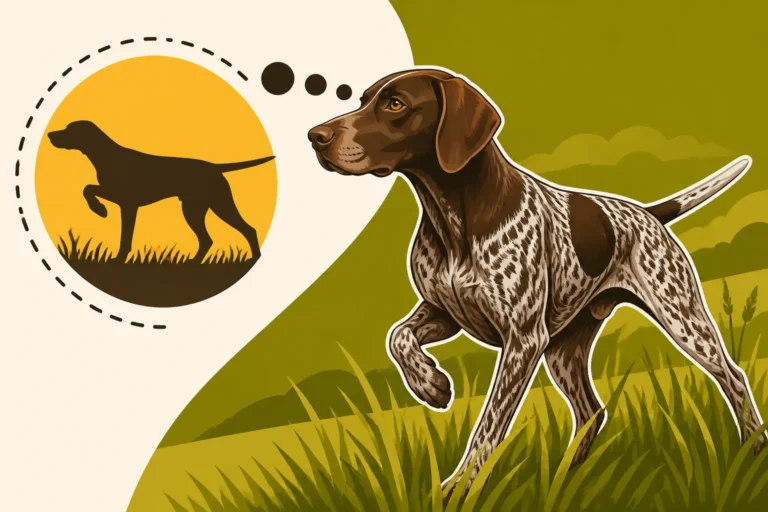
When a GSP locks onto scent, they deliver a classic, high-headed, staunch point, often with a rigid tail. This picture-perfect point is a hallmark of the breed, a testament to their strong pointing instinct. Their keen nose allows them to pinpoint game even in light cover, and their athleticism means they can quickly reposition themselves as birds move. After the shot, their retrieve is typically fast and enthusiastic, whether from land or water. Their sleek coat, while not as insulating as a wirehair's, is water-repellent, allowing them to make retrieves from ponds and streams without becoming waterlogged. They are eager retrievers, often bringing birds back with a soft mouth.
GSPs are incredibly driven and passionate about their work. They thrive on the chase and the find, showing an intensity that is captivating. While their open-field speed is legendary, they can also work cover, albeit perhaps not with the same ease and protection as a GWHP in truly dense, thorny thickets. For a hunter who values speed, wide casts, and a dog that can quickly locate game across large territories, the GSP is an unparalleled choice. They are high-octane machines, designed to maximize the hunt in environments where swift, wide coverage is paramount.
The Wirehair's Tenacious Cover Work and Deliberate Approach
The German Wirehaired Pointer, while still capable of covering ground with speed, often works in a more methodical, tenacious manner, especially when the cover gets heavy. Their rugged build and protective coat make them perfectly suited for busting through dense brush, thorny thickets, and matted cattails—environments where a GSP might struggle or get torn up. They are built to endure, to push, and to relentlessly track game, even in the most unforgiving landscapes. While they don't typically range as wide as a GSP, their thoroughness means they often leave no stone unturned, meticulously investigating every patch of cover.
When a GWHP finds game, their point is equally staunch and intense, though perhaps delivered from a slightly lower, more deliberate stance, reflecting their focus on pushing through dense vegetation. Their powerful nose is outstanding for tracking running birds or wounded game, a trait highly valued by hunters. They are known for their unwavering determination, often refusing to quit a retrieve or a track until the job is done. Their harsh, wiry double coat makes them exceptional cold water retrievers, providing superior insulation and protection against icy temperatures. They will break ice to get to a fallen duck, and their waterproof coat keeps them warm even after prolonged exposure to frigid water.
GWHPs are perhaps slightly more independent in their problem-solving in the field, a trait that comes from being bred to tackle challenging situations without constant guidance. This can manifest as a dog that is less prone to distraction and more focused on the task at hand, even if it means working slightly out of sight. For hunters who spend significant time in heavy cover, marshlands, or cold climates, and who value a dog that is built like a tank to take on anything, the GWHP's specialized attributes make them an ideal partner. They might not cover ground as quickly in open fields, but their ability to navigate and dominate harsh environments is second to none.
Health and Lifespan: Breed-Specific Considerations
Both German Shorthaired Pointers and German Wirehaired Pointers are generally healthy, robust breeds with lifespans that can often extend into their early teens. However, like all purebred dogs, they are prone to certain genetic and acquired health conditions. Understanding these potential issues is a critical part of responsible ownership, allowing you to work proactively with your veterinarian for early detection and management.
Common Concerns for the German Shorthaired Pointer
German Shorthaired Pointers are powerful, athletic dogs, and many of their common health concerns are related to their active lifestyle and genetic predispositions. Hip and elbow dysplasia are significant concerns, affecting the proper development of the hip and elbow joints. These conditions can lead to pain, arthritis, and lameness, particularly in a hard-running dog. Reputable breeders will screen their breeding stock using evaluations like OFA (Orthopedic Foundation for Animals) or PennHIP. It's heartbreaking to see a driven dog like a GSP suffer from Hip Dysplasia in a Hard Running German Shorthaired Pointer.
Another serious and acute risk for GSPs is bloat (gastric dilatation-volvulus or GDV). This life-threatening condition occurs when the stomach fills with gas and twists, cutting off blood supply. GSPs, with their deep chests, are genetically predisposed. Owners must be vigilant for signs like unproductive retching, a distended abdomen, and restlessness. Understanding The Bloat Risk a Shorthair Carries Into Every Season and implementing preventative measures, such as feeding smaller, more frequent meals and restricting exercise around meal times, is crucial. Some owners even opt for a prophylactic gastropexy surgery to tack the stomach in place.
Eye conditions can also affect GSPs. Cone degeneration is a genetic disorder causing day blindness, where affected dogs have difficulty seeing in bright light. Responsible breeders use DNA tests to screen for this. Other issues include progressive retinal atrophy (PRA) and entropion (rolled-in eyelids). Skin conditions, such as environmental allergies, can also arise, causing itching, redness, and infections. Regular veterinary check-ups, a balanced diet, and appropriate exercise contribute to a healthy life for a GSP, with many enjoying The Twelve to Fourteen Years a German Shorthaired Pointer Gets.
Health Insights for the German Wirehaired Pointer
German Wirehaired Pointers share some health predispositions with GSPs, particularly those related to their size and activity level. Hip and elbow dysplasia are common concerns, and screening breeding dogs is just as important for GWHPs. Their active, rugged nature means good joint health is paramount for their working longevity.
Due to their dense, protective coat and unique facial furnishings, GWHPs can be prone to certain issues. Their pendulous ears, often covered in dense hair, create a warm, moist environment that is ripe for ear infections. Regular cleaning and drying, especially after swimming or working in wet conditions, is essential to prevent painful infections. The thick hair around their eyes and muzzle, while protective, can sometimes trap debris or cause irritation if not kept clean.
Eye conditions, though less frequent than in some breeds, can include cataracts and entropion. Some GWHPs may also carry genes for Von Willebrand's disease, a bleeding disorder, though it is not as prevalent as in some other breeds. Responsible breeders will conduct genetic testing to avoid passing on such conditions. GWHPs, like GSPs, can also be susceptible to bloat due to their deep chests, making preventative measures and awareness just as important for them. Overall, the GWHP is a hardy breed, but diligent care, particularly for their ears and coat, and awareness of breed-specific health concerns, will ensure they remain fit for the field and a cherished companion.
Which Versatile Hunter is Right for You?
Deciding between a German Shorthaired Pointer and a German Wirehaired Pointer isn't a simple matter of preference; it's about making an informed choice that aligns with your lifestyle, your hunting ambitions, and your willingness to meet the specific demands of these incredible breeds. Both dogs are deeply rewarding companions, but they are not interchangeable.
Lifestyle Match: Assessing Your Home and Habits
The first, and perhaps most critical, consideration is your activity level and the amount of time you can realistically dedicate to a dog's exercise needs. Both GSPs and GWHPs are high-energy breeds. They aren't content with a leisurely stroll around the block. They demand serious, intense physical activity, often for an hour or two daily. If you live an active outdoor lifestyle – hiking, running, biking, or hunting several times a week – either breed could be a fantastic fit. If your routine is more sedentary, or you have limited access to safe, expansive areas for off-leash exercise, you might find yourself quickly overwhelmed by their boundless energy, leading to a frustrated dog and a frustrated owner.
Consider your climate and typical hunting environments. If you primarily hunt in open fields in moderate weather, the GSP's sleek coat and wide-ranging style might be more appealing. Their relatively low-maintenance coat is a plus for those who dislike extensive grooming. However, if you often find yourself in dense cover, thorny thickets, icy water, or extreme cold, the GWHP's rugged coat and tenacious working style offer superior protection and performance. Be prepared for the more involved grooming routine that comes with a wire coat, including regular brushing and potential hand-stripping, which can be done at home or by a professional. You can find durable grooming tools and high-quality brushes for both breeds on Chewy to help with these tasks.
Finally, think about your home environment. Both breeds thrive on being part of the family and are not dogs to be relegated to a backyard kennel. They are intelligent and sensitive, requiring companionship and engagement. If you're looking for a dog that will enthusiastically greet every visitor and want to be a constant shadow, a GSP might lean more into that "Velcro" role. If you appreciate a dog with a bit more independent spirit that is still deeply loyal, a GWHP could be a better match.
Training Commitment and Experience Level
Both GSPs and GWHPs are highly intelligent and eager to please, making them generally trainable. However, their drive and energy require a committed owner who understands positive reinforcement and consistency. Neither breed is ideal for a hands-off approach. Early socialization is paramount for both to ensure they grow into well-adjusted adults, especially given their strong prey drive and high energy. Without it, you might find yourself dealing with reactivity or an overly boisterous greeting style.
For first-time dog owners, the GSP might be a slightly easier entry point due to their generally more open and overtly biddable nature. They are often more openly affectionate and eager to work with their handler. Still, Whether a First Time Owner Can Handle a Shorthair is a question that depends heavily on the owner's commitment to training and exercise.
The GWHP, with its often more independent and sometimes stubborn streak, might present a slightly greater challenge for an inexperienced owner. Their strong will and self-reliance, while assets in the field, require a confident and consistent leader who can channel their drive without stifling their spirit. They need clear boundaries and will test them, making consistent training non-negotiable. Both breeds excel in various dog sports beyond hunting, such as agility, obedience, and scent work, which can be excellent ways to provide mental stimulation and build a strong bond.
Making the Informed Choice
Ultimately, the best way to choose between these two magnificent breeds is to spend time with them. Talk to breeders, meet adult dogs, and observe their temperaments both in a home setting and, if possible, in the field. Attend local dog shows or NAVHDA (North American Versatile Hunting Dog Association) events, where you can see both breeds in action and speak with experienced owners. Each dog within a breed will have its own personality, but these general guidelines should help you narrow down your search.
Here's a quick comparison to summarize some key differences:
| Feature | German Shorthaired Pointer (GSP) | German Wirehaired Pointer (GWHP) |
|---|---|---|
| Coat | Short, dense, sleek, water-repellent | Harsh, wiry double coat with dense undercoat, protective |
| Grooming | Low maintenance, sheds year-round, needs regular brushing | Moderate to high maintenance (brushing, occasional hand-stripping) |
| Build | Lean, athletic, built for speed and endurance | More robust, slightly heavier bone, built for tenacity in cover |
| Temperament | Energetic, highly affectionate ("Velcro"), eager to please | Energetic, steadfast, intelligent, often more independent |
| Hunting Style | Wide-ranging, fast, classic high-head point, excels in open fields | Methodical, tenacious, excels in dense cover and harsh weather |
| Cold Tolerance | Moderate, needs protection in extreme cold or icy water | High, excellent insulation for cold weather and icy water retrieves |
| Common Health Concerns | Hip/elbow dysplasia, bloat, cone degeneration, allergies | Hip/elbow dysplasia, ear infections, bloat, some eye conditions |
No matter which breed you choose, owning a German Shorthaired Pointer or a German Wirehaired Pointer is a significant commitment. These are not just pets; they are partners, requiring immense amounts of exercise, training, and a deep understanding of their working dog heritage. But for the right owner, either of these versatile German hunters will bring unparalleled joy, companionship, and thrilling adventures, whether in the field or at home. Remember, for all their needs, from a cozy bed to high-performance food, you can explore excellent options on Chewy.
Disclaimer
This article is for general informational purposes only and does not constitute professional advice. Laws, prices and regulations vary by location and change over time. Consult a qualified professional for guidance on your specific situation.