The German Shorthaired Pointer Against the Small Munsterlander
Choosing between a German Shorthaired Pointer and a Small Munsterlander often comes down to more than size or coat: both are versatile hunting dogs, but they can differ in pace, range, grooming needs, and how they work with a handler. This guide compares their typical traits and daily demands so you can picture which breed better fits your home and outdoor life.
How the German Shorthaired Pointer and Small Munsterlander Differ
Build, coat, and everyday care
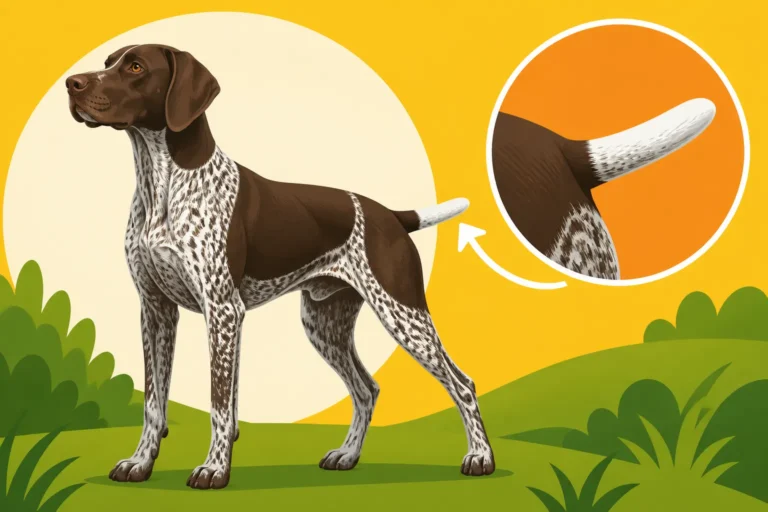
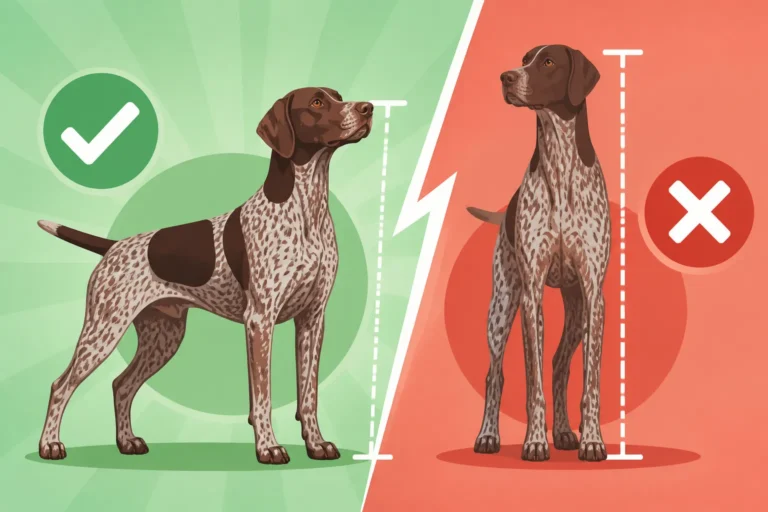
The German Shorthaired Pointer, often called a GSP or Shorthair, is generally the taller, more plainly coated dog. Its short, dense coat is practical in the field but does not make the breed maintenance-free. Short hairs can weave into upholstery, and burrs, ticks, and scratches may be easier to notice after a day in cover. The Small Munsterlander is smaller on average and has a longer coat with feathering on the ears, legs, tail, and underside. That coat needs more regular checking for tangles, seeds, and debris.
The difference is particularly noticeable after a wet walk. A GSP may be quicker to towel off, while a Small Munsterlander’s feathering can hold mud, leaves, and small burrs. Neither coat should be treated as weatherproof protection: both dogs can get cold or overheated depending on conditions, activity, and individual tolerance. Check the weather, provide access to water and shade, and dry your dog properly after swimming or working in cold conditions. For a closer look at coat care, see The Water Resistant Coat a Shorthair Carries and Whether a Wirehair Handles Cold Better Than a Shorthair.
Both breeds need routine attention to nails, ears, teeth, and skin. A Small Munsterlander’s longer ear furnishings can collect debris, while a GSP’s close coat makes scrapes and irritated patches easy to spot. Keep a brush and a tick-check routine where you can use them after outdoor outings. If you are buying basic grooming supplies, a retailer such as Chewy may be one place to look for suitable brushes and dog-safe cleaning items; choose tools based on your dog’s coat and your veterinarian’s advice rather than assuming one product fits every dog.
Size and working style are not the same thing
A Small Munsterlander is not simply a compact GSP. The breeds have distinct histories and were developed with different hunting styles in mind. Both are versatile sporting dogs, but their typical size, coat, and working tendencies can make them feel quite different to live with. A GSP is often recognized for speed, stamina, and a broad-ranging search. A Small Munsterlander is also energetic and capable, but many handlers value its close connection with the person and its willingness to work collaboratively.
These are broad tendencies, not guarantees. A particular dog’s behavior depends on breeding, early experience, training, health, and the work it is given. Some GSPs work close, and some Small Munsterlanders are independent or driven. If you are choosing a puppy, ask breeders how their adult dogs behave in the field and at home, not just whether they hunt. Ask what “close working” or “high drive” means in their program, and request real examples.
For a useful comparison of how different pointing breeds developed, read The German Shorthaired Pointer Against Its German Cousins. It can help clarify why a breed’s name, appearance, and general purpose do not tell the whole story about its working style.
| Trait | German Shorthaired Pointer | Small Munsterlander |
|---|---|---|
| Typical coat | Short and dense | Longer, with feathering |
| General impression | Athletic, rangy, and fast | Smaller, feathered, and often cooperative |
| Grooming focus | Shedding, ticks, scrapes, and skin checks | Brushing and checking feathering for burrs and tangles |
| Field reputation | Often associated with speed and a broad search | Often associated with close partnership and versatile work |
| Main household consideration | High exercise and training demands | High exercise and training needs, plus more coat care |
Exercise, Training, and Hunting Expectations
Both breeds need much more than a quick walk
A Small Munsterlander’s smaller frame does not make it a low-energy companion, and a GSP’s exercise needs are not solved by having a large yard. Both are athletic hunting dogs that need regular physical activity and meaningful interaction with their person. A brief leash walk around the block may meet a basic bathroom need, but it often will not leave either dog settled for the rest of the day.
A realistic routine might combine a brisk walk or safe run, short training sessions, and scent-based games. On some days, swimming or retrieving may be suitable; on others, practicing recall, waiting calmly, or searching for hidden food gives the dog’s brain something to do. The activity should match the individual dog’s age and fitness. A young puppy should not be pushed into repetitive long-distance running, and an adult dog returning to exercise after time off needs a gradual build-up.
Think about the week you can actually provide, not the ideal week you imagine during a burst of puppy excitement. If you work long days, who will exercise and train the dog? Can you meet the dog’s needs when weather is poor, hunting season is over, or an injury limits running? These practical questions matter for both breeds. The Two Hours a Day a German Shorthaired Pointer Needs and Whether a German Shorthaired Pointer Needs to Hunt to Be Happy offer more context on the Shorthair’s activity and enrichment needs, which are useful points of comparison when considering a Small Munsterlander too.
Hunting ability depends on training and the dog in front of you
Both breeds can be suitable for people who want a versatile hunting companion, but neither arrives as a finished gun dog. A puppy may show interest in scent, birds, water, or retrieving, yet those early signs do not replace patient training. The dog needs to learn recall, steadiness, safe behavior around firearms, and how to work within the handler’s expectations. A hunting plan should account for the dog’s confidence and readiness rather than pushing it into situations it does not understand.
The breeds may suit different preferences in the field. Someone who enjoys a fast, expansive search may be drawn to the GSP. A hunter who wants a close, connected partner may be attracted to a Small Munsterlander. But a breed label cannot promise a particular range or style. Discuss the parents’ working habits with the breeder, and look for honest descriptions of strengths and challenges. Training, terrain, weather, game, and the handler’s experience all influence the partnership.
If you are not a hunter, do not assume that regular fetch alone will meet a pointing dog’s needs. Nose work, tracking games, structured retrieving, obedience, and other activities can provide useful outlets, but the dog still needs thoughtful daily engagement. You can explore the breed’s versatility in Pointing, Retrieving and Tracking in One Shorthair and compare the demands of field and show breeding in The Split Between Field and Show Shorthairs.
Which Breed Fits Your Home and Lifestyle
Consider grooming, space, and your tolerance for intensity
The GSP may be the more straightforward choice for someone who wants a short-coated dog and is prepared to meet a high activity and training demand. Its short coat needs less brushing than the Small Munsterlander’s feathering, but shedding can still be a nuisance. The Small Munsterlander may appeal to a person who prefers a smaller dog with a longer coat and enjoys regular brushing and hands-on grooming checks.
Neither breed is automatically a better apartment dog or a better family dog. The decisive question is whether the household can support the dog’s needs every day. A fenced yard can help with safe play, but it cannot replace structured activity or training. A dog left to entertain itself may find its own occupation—often digging, chewing, counter-surfing, or repeatedly demanding attention. If your home includes children, other pets, or frequent visitors, plan careful introductions and supervise interactions, especially while the dog is young and exuberant.
Before deciding, consider how you handle the less glamorous parts of dog ownership. Can you keep mud and coat debris under control? Can you manage an excited dog at the door? Will you continue training once the novelty wears off? If you are comparing the GSP’s household fit with your own circumstances, The Household a German Shorthaired Pointer Actually Fits and Whether a First Time Owner Can Handle a Shorthair are useful further reading.
Ask breeders about real dogs, not just breed descriptions
Talk with people who live with the specific lines you are considering. Ask what the dogs are like indoors after exercise, how they handle time alone, whether they settle around guests, and what happens when their routines change. For hunting lines, ask how the dogs perform in the field and what kind of handler experience they require. For companion-focused homes, ask about energy, sensitivity, noise, and the dog’s ability to relax when the family is home but not actively engaging with it.
A responsible breeder should be willing to discuss health, temperament, and the possibility that a puppy may not match your original expectations. Meet adult dogs where possible. A lively puppy can be charming, but adult behavior gives a clearer picture of the size, coat, and daily rhythm you may eventually share your home with. If adopting, ask the rescue or foster caregiver about the dog’s known history, behavior around animals and children, and current exercise routine.
Prepare for either breed with practical equipment: a secure collar or harness, leash, identification, food and water bowls, a bed, grooming tools, and safe transportation arrangements. A retailer such as Chewy may be useful when assembling everyday supplies, but fit and suitability matter more than buying a long list of products. For a feathered Small Munsterlander, make sure you can keep the coat free of mats; for a GSP, consider where short hairs may collect and how you will check skin after outdoor work. Chewy can also be one option for comparing basic grooming and travel items, while a veterinarian or experienced groomer can advise on what is appropriate for your dog.
Making the Decision With Clear Eyes
A simple decision checklist
Before committing, write down what your ordinary week looks like. Include work hours, commuting, family activities, exercise time, travel, and the seasons when outdoor plans are less convenient. Then compare that schedule with the actual needs of the dogs you have met. A breed that seems perfect during a weekend visit may feel very different when it needs activity on a rainy Tuesday after a long workday.
Use these questions to guide conversations with breeders or rescue contacts:
- How much structured activity do the adult dogs in this line usually need?
- How easily do they settle indoors after exercise?
- What are their common training challenges?
- How much coat maintenance does the dog need after normal walks or field work?
- How do they behave around children, other dogs, cats, and unfamiliar people?
- What health screening and veterinary records are available?
- What support is offered if the dog’s needs turn out to be more demanding than expected?
You may also want to meet both breeds before choosing. Local sporting-dog clubs, breed events, and responsible breeders can help you observe adult dogs and ask practical questions. Online descriptions are useful starting points, but they cannot show you whether a particular dog’s energy, sensitivity, and working style feel manageable in your own household.
The better choice is the dog whose needs you can meet
Choose a German Shorthaired Pointer if its athletic, often expansive working style appeals to you and you can consistently provide exercise, training, and a job-like outlet. Choose a Small Munsterlander if you are drawn to its smaller size, longer feathered coat, and potentially close working partnership—and are equally ready to meet its exercise and training needs. Neither breed is a low-effort alternative to the other.
The best match is not determined by which dog is more attractive or which breed sounds easier in a short description. It comes from matching the individual dog’s temperament and needs with your real routine. Be candid about the time, energy, and grooming you can sustain. That honesty gives both you and the dog a much better chance of building a rewarding life together.
Disclaimer
This article is for general informational purposes only and does not constitute professional advice. Laws, prices and regulations vary by location and change over time. Consult a qualified professional for guidance on your specific situation.