The Age a Shorthair Puppy’s Tail Is Docked
Bringing home a German Shorthaired Pointer puppy is an incredibly exciting time, full of dreams of shared adventures and field successes. However, new owners often encounter questions about standard practices that can feel a little jarring, especially when it comes to procedures like tail docking. It’s a common source of confusion and sometimes worry, wondering why, when, and how this practice is carried out. This guide aims to shed light on the exact age a Shorthair puppy's tail is typically docked, explaining the rationale, the procedure, and what to consider as a responsible owner.
The Historical and Practical Reasons Behind German Shorthaired Pointer Tail Docking
When you look at a German Shorthaired Pointer, one of the defining characteristics, beyond their striking coat and athletic build, is their docked tail. This isn't just a cosmetic choice; it's deeply rooted in the breed's history and its intended purpose as a versatile hunting dog. Understanding these origins helps explain why the practice remains common, even as debates about it continue.
Protecting Tails in the Field: Preventing Injury and "Happy Tail"
Imagine a German Shorthaired Pointer, full of unbridled enthusiasm, tearing through thick cover in pursuit of game. This cover isn't always open fields; it can be dense briar patches, thorny blackberry brambles, heavy cattails along a marsh, or tangled undergrowth in the woods. A long, undocked tail, especially one that is wagging furiously with excitement – a trait GSPs are famous for – becomes incredibly vulnerable. These dogs move at speed, and their tails can whip against solid objects, catch on thorns, or get scraped repeatedly.
These sustained impacts and abrasions can lead to painful injuries. Think about a tail that gets repeatedly cut and bruised; it's not just a minor scrape. These wounds can be difficult to heal because the tail is constantly moving, both in general activity and, perhaps most painfully, when the dog is happy and wagging. This phenomenon is often referred to as "happy tail syndrome," where a dog repeatedly injures the tip or side of its tail, reopening wounds just as they begin to scab over. These injuries can be incredibly painful, lead to chronic infections, and in severe cases, necessitate amputation later in life, often when the dog is older and the procedure carries greater risk and recovery time. Many field enthusiasts attest that docking prevents future suffering and expensive veterinary bills associated with such injuries. An undocked tail on a hard-working GSP is, unfortunately, a frequent casualty of the field, causing discomfort and taking the dog out of commission.
Adhering to Breed Standards and Tradition
Beyond the practical concern of injury prevention, tail docking has also become an ingrained part of the German Shorthaired Pointer breed standard. For many years, and still in many regions and breed clubs, a docked tail is considered an essential component of the GSP's characteristic look and conformation. The standard often specifies a certain length, typically leaving about 40% of the natural tail. This contributes to the balanced appearance of the dog and is a factor in show rings and conformation events. You can learn more about this specific requirement in articles like The Forty Percent Tail a Shorthair Is Left With.
For breeders who are dedicated to producing dogs that not only excel in the field but also conform to the established physical ideals of the breed, maintaining this standard is important. It’s a part of the breed’s heritage, reflecting hundreds of years of selective breeding for a specific type of versatile hunting dog. For some, the docked tail is as much a part of the GSP's identity as its liver or black markings. While personal preference plays a role, the tradition and established breed standards strongly influence the continued practice of docking in certain circles, particularly those involved in showing or preserving the traditional look of the German Shorthaired Pointer. This isn't to say it's without controversy, but it's important to acknowledge the historical and aesthetic drivers that factor into the decision.
The Specifics of Tail Docking: Timing, Procedure, and Immediate Care
When a breeder decides to dock a German Shorthaired Pointer puppy's tail, it's not a decision taken lightly, nor is it a haphazard procedure. There's a very specific window of time considered ideal for this, based on both the puppy's development and the practicalities of the procedure itself. Understanding these specifics can help demystify the process for potential owners.
The Critical Age Window for Puppy Tail Docking
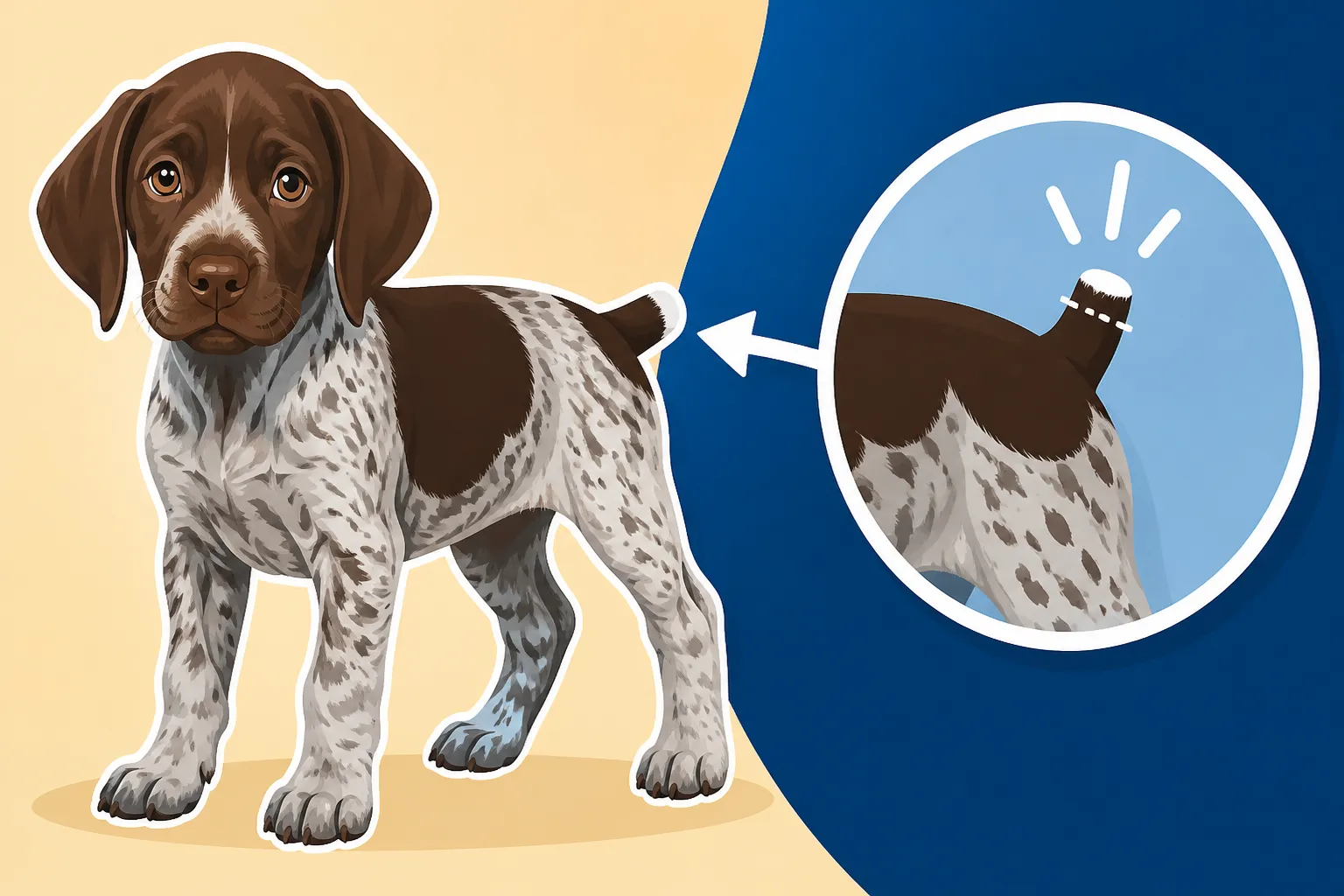
The vast majority of German Shorthaired Pointer tails are docked when the puppies are very young, typically between three and five days old. Some breeders and veterinarians might extend this window slightly, up to seven days, but rarely beyond that. There's a critical reason for this early timing: at this tender age, a puppy's nervous system is not fully developed, and their bones are still very soft cartilage, not yet hardened. This means the procedure is generally considered to be less painful and traumatic for the puppy than it would be if performed later.
During these first few days of life, puppies are still largely dependent on their mother for warmth, nourishment, and comfort. Their world revolves around nursing and sleeping. Performing the docking during this period minimizes the stress on the puppy because they recover quickly and are usually back to nursing and snuggling with their littermates within a very short time. If the procedure were delayed until the puppy was older, say a few weeks or months, it would be a much more involved surgical event, requiring general anesthesia, stitches, and a longer, more uncomfortable recovery period, often with a cone to prevent self-mutilation or further injury. This early window is chosen specifically to reduce pain, minimize complication risk, and allow for rapid healing, which is quite remarkable given how resilient young puppies are.
What Happens During the Docking Procedure
Tail docking, when performed on a newborn GSP puppy, is usually a relatively quick and straightforward procedure carried out by a veterinarian. In many cases, it's done without general anesthesia. While this might sound alarming to some, it's because the risks associated with anesthetizing such a tiny, fragile puppy often outweigh the benefits for this specific procedure. Instead, the vet relies on the puppy's undeveloped nervous system and the speed of the procedure to minimize discomfort.
The vet will typically use a sharp surgical tool to remove a specific portion of the tail, leaving the desired length – often around 40% of the original tail, as per breed standards. Some vets might use a ligature, a tight band applied to the tail, which cuts off blood supply and causes the tail to fall off within a few days, but surgical removal is also very common. There might be a brief cry from the puppy, much like the yelp they might give if a littermate nips them too hard. However, almost immediately after, puppies are typically returned to their mother and resume nursing without much fuss. There are no stitches involved in most cases; the small wound clots quickly and heals over within a few days. Breeders often use a clotting agent or simply apply pressure to ensure the tiny wound seals effectively. This swift recovery is a hallmark of performing the procedure in the critical early days.
Essential Post-Procedure Care for Your GSP Puppy
Even though tail docking is a quick procedure for very young puppies, proper post-procedure care is crucial to ensure smooth healing and prevent complications. As the breeder, your primary goal is to keep the docking site clean, dry, and protected from infection.
Here’s what that typically involves:
- Monitoring the Site: For the first few days, you'll want to gently check the tiny tail stub several times a day. Look for any excessive bleeding (a few drops are normal, but continuous dripping is not), swelling, redness, or discharge. These could be signs of an issue needing veterinary attention.
- Cleanliness: While the area needs to be kept clean, vigorous scrubbing isn't advised. Many breeders will use a mild antiseptic solution or even just warm water on a clean cotton ball to gently wipe around the area if it gets dirty. Avoid getting the area too wet for extended periods, especially during bathing, until it's fully healed. Products like gentle puppy wipes, available from retailers like Chewy, can be handy for quick, sterile clean-ups.
- Preventing Interference: Young puppies are still clumsy and might step on each other, or playful littermates might mouth at the new stub. Keep an eye on the litter dynamics to ensure no puppy is repeatedly bothering another's healing tail. Usually, the puppies are too young to really focus on it, but it's something to be aware of.
- Ensuring Comfort and Nutrition: The most important thing is that the puppy is comfortable and continues to nurse effectively. A well-fed, warm puppy is a happy puppy, and good nutrition aids in healing. Ensure the mother dog is also comfortable and not stressed, as her well-being directly impacts the puppies.
- Veterinary Follow-Up: While complications are rare with proper care, if you notice any persistent bleeding, significant swelling, pus, or if the puppy seems unusually lethargic or in pain beyond the immediate few minutes after the procedure, don't hesitate to contact your veterinarian. They can assess the situation and provide guidance or treatment. This diligent care ensures the puppy heals quickly and can get back to the serious business of growing and playing.
Navigating the Ethical Landscape and Regulatory Realities
Tail docking is a practice that often sparks strong opinions, and for good reason. It involves a surgical alteration to an animal, and with growing awareness of animal welfare, many people question its necessity. For potential German Shorthaired Pointer owners, it’s important to understand both sides of the argument and the varying legal landscape.
The Ongoing Debate: Welfare Concerns Versus Practicality
On one side of the debate are the animal welfare advocates and many veterinarians who argue that tail docking is an unnecessary cosmetic procedure that inflicts pain on puppies. They point to the fact that puppies, even newborns, experience pain, and that subjecting them to a surgical procedure without anesthesia is ethically questionable. For them, a dog's tail is a vital tool for balance, communication, and overall canine well-being, and removing part of it diminishes their natural capabilities. They often suggest that injuries can be managed with proper training, careful handling, or protective gear like a tail wrap when working in dense cover, negating the need for preemptive amputation.
On the other side, breeders and working dog enthusiasts often defend the practice on practical grounds, as discussed earlier. They argue that preventing severe tail injuries, such as those that lead to "happy tail syndrome," is a compassionate act that saves dogs from far greater pain and potential long-term complications later in life. For a German Shorthaired Pointer, whose tail is a vigorous, high-action rudder in the field, the risk of injury is very real. They might also emphasize that the breed standard has evolved with the docked tail in mind, meaning that an undocked tail might not perform as intended in the field or conform to showing requirements. The argument is often framed as a choice between a brief, minimal discomfort as a newborn versus potentially chronic pain and multiple surgeries as an adult. Why a Shorthair's Tail Is Shortened at All delves deeper into these practical considerations.
Regional Laws and Owner Choices Regarding Docking
The legality and acceptance of tail docking vary significantly depending on where you live. In many parts of the world, particularly in Europe and Australia, tail docking has been completely banned or severely restricted for non-medical reasons. These bans are largely driven by animal welfare legislation that deems the practice cruel and unnecessary. If you’re considering importing a German Shorthaired Pointer from one of these regions, or if you live in such a region, you will likely find that puppies are not docked.
In the United States, however, tail docking remains legal in all states, and it is a common practice among breeders of working and show breeds, including German Shorthaired Pointers. While the American Veterinary Medical Association (AVMA) has expressed opposition to cosmetic tail docking, they acknowledge that individual veterinarians can choose to perform the procedure. This means that if you're getting a GSP puppy in the US, it's highly probable it will already have its tail docked by the breeder's veterinarian before you even pick it up.
As a prospective owner, you have choices, but these choices depend on where you are and the breeder's practices. If you wish to have an undocked GSP, you would need to:
- Seek out a breeder who specifically chooses not to dock tails. These breeders might be rarer, especially among those focused on traditional working or show lines.
- Consider a GSP from a country where docking is banned.
- Potentially discuss with a breeder before the litter is born if they would consider leaving your puppy's tail undocked, though this is often not possible due to their commitment to the breed standard or the practicalities of a whole litter procedure.
It's a conversation worth having with any potential breeder to understand their philosophy and practices regarding tail docking, Whether an Undocked Shorthair Damages Its Tail Hunting can offer more insights into the practical challenges an undocked working GSP might face. Ultimately, understanding the different perspectives and the legal landscape allows you to make an informed decision that aligns with your personal values and your dog's future lifestyle.
Life with a GSP: Beyond the Tail
Bringing a German Shorthaired Pointer into your life is a commitment to an active, intelligent, and deeply affectionate companion. While the discussion around tail docking is an important one, it's just one small aspect of responsible ownership. These dogs thrive on exercise, training, and close companionship. Ensuring your GSP puppy gets a good start means focusing on comprehensive care from day one.
Puppy Development and Early Health Checks
From the moment you bring your GSP puppy home, their health and development will be a top priority. Regular veterinary check-ups are essential to monitor their growth, ensure they receive all necessary vaccinations, and address any potential health concerns. During these visits, your vet can also check the healed tail site and ensure everything looks good. It's a busy first year, with lots of milestones, from vaccinations to socialization to starting basic training. You might find resources like The Vet Schedule a Working Shorthair Should Keep or Raising a Shorthair Puppy Toward Its First Season invaluable as you navigate this period.
Proper nutrition is also paramount for a growing GSP puppy. Their high energy levels and rapid growth require a high-quality puppy food designed for large breeds to support healthy bone and muscle development. There are many excellent brands available, and online retailers like Chewy offer a wide selection, often with helpful reviews from other GSP owners. Always consult with your vet or breeder for recommendations tailored to your puppy's specific needs and activity level.
Essential Supplies and Ongoing Wellness
Beyond the initial health checks, owning a German Shorthaired Pointer means investing in a variety of supplies to keep them happy, healthy, and engaged. Think about durable chew toys to satisfy their strong chewing instincts, comfortable bedding for those well-deserved naps after a long run, and high-quality leashes and collars for training and walks.
For those who plan to utilize their GSP for hunting, additional gear will become essential as they mature, such as a sturdy crate for safe transport, appropriate field vests, and maybe even protective boots for their paws if you're working them in particularly harsh terrain. Don't forget grooming tools; while Shorthairs have a short coat, a good curry brush can help manage shedding and keep their skin healthy. Again, online pet supply stores like Chewy are excellent resources for finding everything from basic necessities to specialized gear, often with convenient delivery right to your door. The investment in these items contributes significantly to their overall well-being and allows you to enjoy countless adventures together.
Disclaimer
This article is for general informational purposes only and does not constitute professional advice. Laws, prices and regulations vary by location and change over time. Consult a qualified professional for guidance on your specific situation.