Whether an Undocked Shorthair Damages Its Tail Hunting
The question of whether to dock a German Shorthaired Pointer's tail is one that sparks a lot of discussion among GSP owners and enthusiasts, especially when we talk about dogs destined for the field. There’s a persistent worry among those who leave their Shorthairs undocked that the tail, left in its natural state, is simply an accident waiting to happen in the rigorous world of hunting. This guide will delve into the practical realities, potential risks, and careful considerations for hunting with an undocked German Shorthaired Pointer, helping you understand the full picture before you make a choice.
The Historical Rationale for Tail Docking in Working Breeds
For centuries, the practice of tail docking in working dog breeds, including the ancestors of our beloved German Shorthaired Pointers, wasn't about aesthetics. It was a purely practical decision rooted in the hard realities of their working lives. These dogs weren't just pets; they were integral tools for hunters, tasked with navigating dense, unforgiving terrain day in and day out. The belief was that a long tail, constantly whipping through thick brush and cover, was highly susceptible to painful and debilitating injuries.
Protecting Against Field Injuries
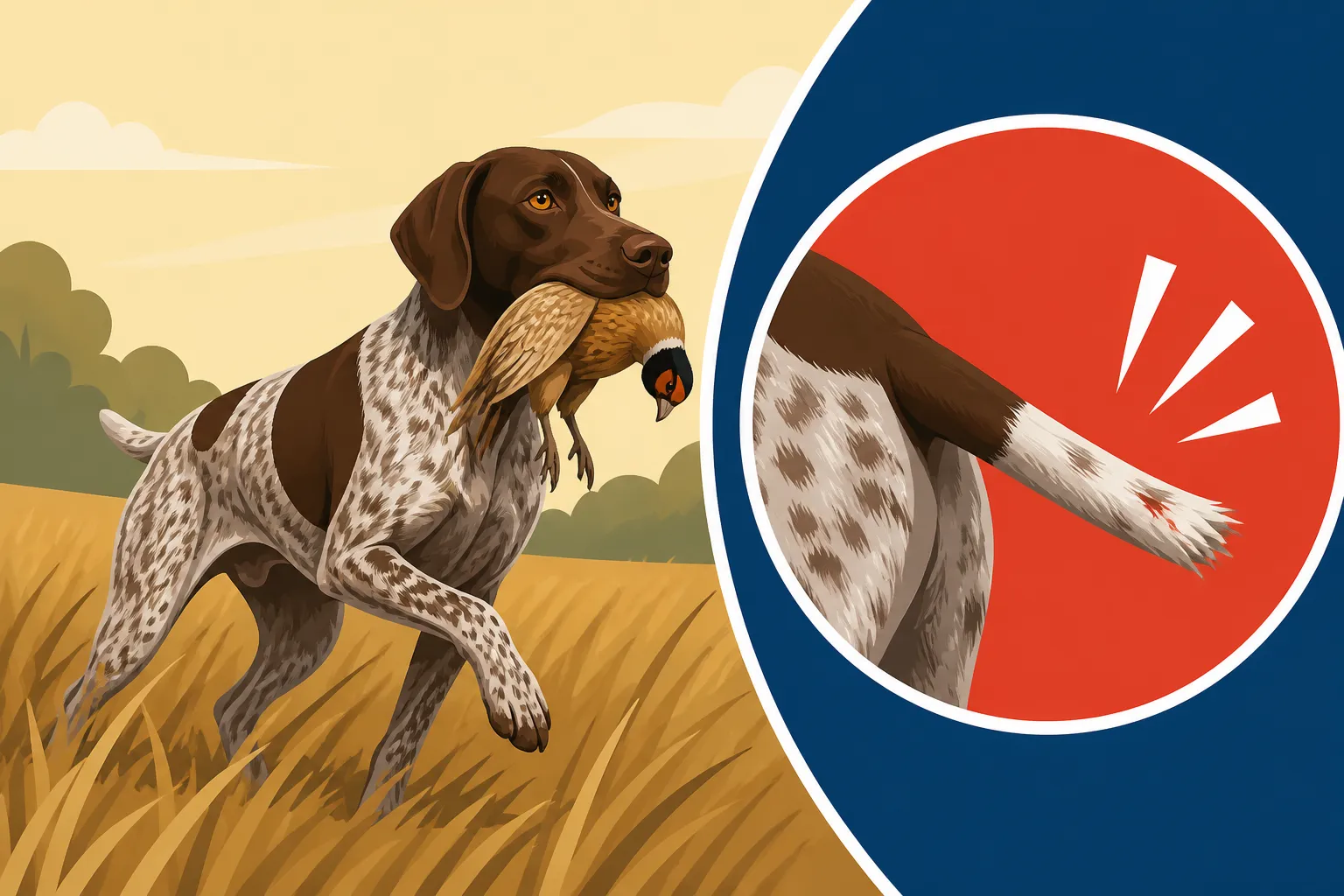
Imagine a German Shorthaired Pointer, full of drive and determination, quartering through thorny blackberry brambles, sharp stubble fields, or heavy cattails. A long, undocked tail, with its delicate skin and bone structure, becomes a vulnerable target. Every swing, every wag, every brush against a sharp object poses a risk. Breeders and owners historically saw these tails return from hunts raw, bleeding, and sometimes even broken. The theory was simple: a shorter tail presented less surface area to damage, reducing the likelihood of such injuries and keeping the dog sound for its work. This wasn't a casual thought; it was born from generations of observation and the need to keep valuable working dogs healthy and effective. Injuries weren't just painful for the dog; they meant time off work, expensive vet bills, and a potential loss of income or food for the hunter. Why a Shorthair's Tail Is Shortened at All dives deeper into these historical reasons.
Tradition and Breed Standards
Over time, as dog breeds became more formalized, tail docking became an ingrained part of the breed standard for many working dogs, including the German Shorthaired Pointer. This wasn't just about functionality anymore; it became part of the breed's visual identity. The "forty percent tail" we often refer to in GSPs is the result of decades of selective docking, aiming for a balance between practicality and appearance. For a long time, an undocked tail was simply not what was expected for the breed. In many countries and breed clubs, the docked tail is still the accepted norm, reflecting that historical emphasis on utility. While attitudes are shifting in some places, the traditional GSP look, for better or worse, still includes that distinctive short tail.
The Realities of Hunting with an Undocked GSP
So, what happens when you take an undocked German Shorthaired Pointer into the field? While many owners successfully hunt with natural-tailed GSPs, it's crucial to be realistic about the challenges and risks involved. It's not about whether it can be done, but what extra considerations you'll need to make and the potential price you might pay.
Types of Cover and Associated Risks
The type of terrain and cover your Shorthair hunts in is the single biggest factor in determining the risk of tail injury. Think about it:
- Dense Thickets and Briar Patches: These are notorious for snagging and tearing. A GSP's tail, whipping back and forth as they push through, is constantly exposed to thorns and sharp branches. Deep cuts and abrasions are common.
- Heavy Stubble Fields: After harvest, fields can leave behind tough, sharp stalks of corn, soybeans, or wheat. These can act like tiny knives, slicing through skin with repetitive motion.
- Rocky or Uneven Terrain: While less about direct "snagging," a tail can be slammed against rocks or hard ground if a dog missteps or falls, leading to bruising or even fractures.
- Cattails and Marshlands: The stiff, reedy growth in marshy areas can be surprisingly abrasive, causing friction burns and raw spots over time.
- Barbed Wire Fences: These are perhaps the most dangerous. A dog can easily catch its tail on a loose strand, leading to severe lacerations or degloving injuries that are incredibly painful and difficult to heal. Barbed Wire Cuts on a Running Shorthair are a field hazard for every part of a dog.
The constant movement of a GSP's tail, an expression of their high drive and excitement, actually increases its vulnerability. It's not just a passive appendage; it's an active part of their communication and balance, making it hard to protect fully.
Common Tail Injuries
When an undocked tail gets injured in the field, it's rarely a minor scrape. We're talking about things that can quickly escalate:
- Lacerations and Abrasions: These are the most frequent. Cuts can range from shallow surface wounds to deep gashes, often occurring at the tip or along the underside where the tail rubs most. They can bleed profusely and are prone to infection due to dirt and bacteria from the environment.
- "Happy Tail" Syndrome: This isn't just about excitement; it's a real and frustrating injury. A dog with a long, strong tail can wag it so hard and repeatedly against hard surfaces (kennel walls, tree trunks, door frames) that the skin at the tip breaks open. Because the tail is constantly moving, these wounds are incredibly difficult to heal. They reopen easily, leading to chronic infections and sometimes requiring amputation if they won't resolve. This is particularly relevant for GSPs with their powerful, high-set tails.
- Fractures and Sprains: Less common, but still a risk. A tail can be caught, twisted, or slammed, leading to breaks in the delicate caudal vertebrae or sprains of the surrounding soft tissues. These are immensely painful and can take a long time to heal, potentially affecting the dog's balance and communication.
- Infection: Any open wound in a field environment is a prime target for bacterial infection. Dirt, moisture, and lack of immediate care can quickly turn a simple cut into a serious problem requiring antibiotics and extensive wound management.
Dealing with these injuries means trips to the vet, potentially stitches, bandages, pain medication, and enforced rest—all things that take a toll on both the dog and the owner's time and wallet. Stapling a German Shorthaired Pointer's Field Wound is a technique sometimes used for immediate field care, but a tail injury often requires more than just staples.
Managing an Undocked Tail in a Hunting Shorthair
If you've decided to keep your German Shorthaired Pointer's tail undocked, or perhaps you've adopted a natural-tailed GSP, and you intend to hunt, proactive management is key. It's not just about hoping for the best; it's about being prepared and diligent.
Proactive Protection and Gear
While you can't completely eliminate risk, you can significantly reduce it. Think about it like protecting their feet with boots; you can also protect their tails.
- Tail Wraps and Protectors: These are designed to shield the tail from direct impact and abrasion. They come in various forms, from simple vet wrap (which needs to be applied correctly to avoid circulation issues) to specialized neoprene or silicone sleeves. The challenge is finding one that stays on during vigorous activity and doesn't irritate the dog. You might find options on sites like Chewy, which carries a range of protective gear for active dogs.
- Conditioning the Tail: Just like you condition your dog's pads, you can aim to keep the tail skin healthy and supple. Regularly checking the tail for any nicks, scrapes, or dry skin can help. Using a dog-specific moisturizer or balm might keep the skin less prone to cracking.
- Choosing Your Cover Wisely: This isn't always possible, especially if you're hunting public lands. But if you have the option, try to avoid the absolute densest, thorniest cover known to cause problems. Sometimes, taking a slightly longer route around a nasty thicket can save you a vet trip.
Table: Tail Protection Strategies for Hunting Shorthairs
| Protection Strategy | Description | Pros | Cons |
|---|---|---|---|
| Protective Tail Wrap | Bandage (e.g., vet wrap), self-adhering tape, or specialized sleeve. | Direct physical barrier, flexible. | Can slip, cut off circulation if too tight, dog may chew off. |
| Neoprene Tail Guard | Durable fabric sleeve, often with Velcro closures. | Good durability, water-resistant. | Can be bulky, may collect burrs, dog may chew off. |
| "Happy Tail" Brace | Rigid or semi-rigid device for tip, often used for healing. | Excellent protection for the vulnerable tip. | Not for active hunting, more for recovery. |
| Regular Inspection | Thoroughly check tail before, during (breaks), and after hunts. | Early detection of minor issues before they worsen. | Requires diligence, only prevents further damage, not initial. |
| Avoid Harsh Cover | Steer your dog away from extremely dense, thorny brush when possible. | Reduces direct risk, less wear and tear. | Limits hunting areas, may not always be feasible, goes against GSP drive. |
| Skin Conditioning Balm | Applying dog-safe balms to keep skin supple and less prone to cracking. | Promotes healthy skin, reduces minor dryness. | No protection against cuts, primarily for skin health. |
Post-Hunt Care and Vigilance
The real work often begins after the hunt. A thorough post-hunt inspection is critical for any working dog, but especially so for an undocked GSP's tail. Checking a German Shorthaired Pointer Over After a Hunt should be a non-negotiable routine.
- Immediate Inspection: As soon as you're done, or even during a break, visually inspect the entire tail. Feel along its length for any swelling, tenderness, or unusual bumps. Look for blood, matted fur (indicating dried blood or discharge), or any visible nicks and scrapes.
- Cleaning and First Aid: If you find a minor cut or abrasion, clean it immediately with an antiseptic solution (like dilute Betadine or chlorhexidine). Apply an antibiotic ointment. For anything more than a superficial scrape, a protective bandage might be needed, but remember the "happy tail" challenge: keeping a bandage on a constantly moving tail can be tough.
- Know When to See the Vet: Don't hesitate. If you see deep cuts, excessive bleeding, swelling, signs of pain (like guarding the tail or limping), or if your dog is constantly licking or chewing at the tail, it's time for a professional veterinary assessment. Tail injuries can quickly become infected and serious, and early intervention is always best. Large-scale trauma to the tail, such as from a barbed wire cut, almost always warrants immediate veterinary attention. This is also where the financial reality of ownership comes in; The Vet Bills a Hunting German Shorthaired Pointer Earns can be substantial for recurring injuries.
Making the Decision: Docked vs. Undocked for a Hunting GSP
The choice to dock or not to dock is deeply personal and often influenced by various factors, including local laws, personal ethics, and your dog's intended use. When it comes to a hunting German Shorthaired Pointer, the decision carries a significant practical weight.
Pros and Cons of an Undocked Tail in the Field
Let's break down the realities:
Pros of an Undocked Tail (for a hunting GSP):
- Natural Aesthetics: Many prefer the look of a natural tail, believing it completes the dog's natural form.
- Improved Balance (Debatable): Some argue a full tail aids in balance, especially during complex maneuvers in the field or in water. However, GSPs are bred to be agile even with a docked tail.
- Full Range of Communication: A natural tail allows for a broader spectrum of canine communication signals.
- No Early Procedure: Avoids a minor surgical procedure at a very young age.
Cons of an Undocked Tail (for a hunting GSP):
- Increased Risk of Injury: This is the primary concern. As discussed, dense cover significantly increases the likelihood of cuts, abrasions, and fractures.
- "Happy Tail" Syndrome: A notorious and stubborn injury, often leading to prolonged healing times or even late-stage amputation.
- Higher Vet Bills: More frequent or severe tail injuries will inevitably lead to more veterinary visits, treatments, and potentially higher costs over the dog's hunting career. The First Year Bills on a German Shorthaired Pointer can certainly increase with unexpected injuries.
- Discomfort and Downtime for the Dog: Injuries are painful. They mean the dog might be laid up, unable to hunt, and dealing with discomfort for extended periods.
What to Consider When Deciding
If you're weighing this decision, consider these points:
- Your Hunting Environment: Be brutally honest about the types of cover you consistently hunt. If it's open grasslands, the risk is lower. If it's thick, thorny woodlands or heavy marsh, the risk skyrockets.
- Your Dog's Drive and Style: A high-drive, relentless GSP that crashes through cover with abandon will naturally be at higher risk than a more cautious or closer-working dog.
- Your Commitment to Prevention and Care: Are you prepared to apply wraps, conduct thorough inspections, and seek prompt veterinary care for potential injuries? This requires time, effort, and financial readiness.
- Breeder's Recommendations/Practices: Many reputable GSP breeders will dock tails as a standard practice for their working lines, rooted in the historical and practical reasons discussed. They can offer valuable insight into their rationale. Understanding The Forty Percent Tail a Shorthair Is Left With and why it's the standard can provide context.
- Ethical Considerations and Laws: In some regions, tail docking is restricted or outright banned. Always be aware of local regulations. Beyond that, consider your personal ethics regarding elective procedures.
Ultimately, the goal is to ensure your German Shorthaired Pointer remains healthy, happy, and able to perform its intended work without undue suffering or chronic injury. An undocked tail certainly can get damaged while hunting, and for many owners of working GSPs, the decision to dock is made out of a genuine desire to prevent pain and preserve the dog's longevity in the field. If you choose to keep your GSP natural, you simply accept a higher degree of vigilance and a greater potential for managing tail-related incidents.
Disclaimer
This article is for general informational purposes only and does not constitute professional advice. Laws, prices and regulations vary by location and change over time. Consult a qualified professional for guidance on your specific situation.