Whether a Shorthair Can Be Born Without Ticking
It's a common sight in the German Shorthaired Pointer world: those beautiful, bold patches of liver or black, often dusted with tiny, intricate flecks of color. But what happens when you bring home a GSP puppy with striking white patches that seem… well, just plain white? Many owners wonder if their beloved Shorthair can actually be born without that signature ticking, or if something is amiss. This guide will dive deep into the fascinating genetics and visual presentation of German Shorthaired Pointers to explain whether a "plain white" Shorthair is a possibility and what it truly means for your canine companion.
Understanding Ticking: What It Is and Isn't in a German Shorthaired Pointer
When we talk about the markings on a German Shorthaired Pointer, the terms "ticking," "roan," and "solid white" get tossed around a lot, sometimes interchangeably, which can lead to confusion. It's really important to understand the distinctions because they describe very different genetic expressions and appearances, especially when wondering if a Shorthair can be born without that classic ticking.
Defining Ticking vs. Roan vs. Plain White
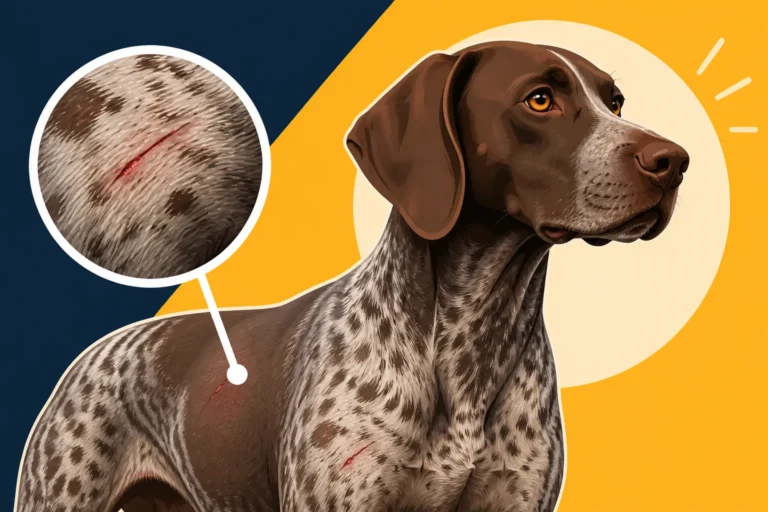
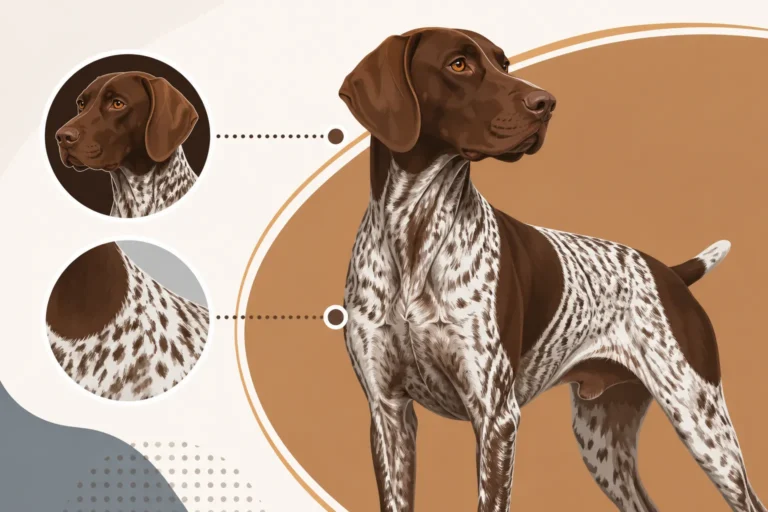
Let's break down these visual cues. Ticking in a German Shorthaired Pointer refers to those small, distinct, isolated spots of color scattered across the white areas of their coat. Think of it like someone took a paintbrush and flicked tiny specks of the main body color – liver or black – onto a canvas of white. These spots are usually quite clear and defined, and you can easily see them against the white background. They vary in density; some dogs are heavily ticked, almost appearing solid from a distance, while others have a lighter peppering.
Roan, on the other hand, is a much finer and more evenly distributed mix of colored and white hairs. Instead of distinct spots, the colored hairs are so finely interspersed with the white hairs that it creates a blended, almost mottled, or dusty appearance. Imagine a salt-and-pepper look that covers larger areas, rather than individual flecks. It gives the coat a distinct textured look and feel. While ticking is a hallmark, roan is also seen in GSPs and is recognized, though often described as a very dense ticking pattern. You can delve into The Difference Between Ticked and Roan on a Shorthair for more detail on these specific patterns.
Finally, plain white areas are exactly what they sound like: sections of pure white fur, completely devoid of any colored flecks, spots, or intermingled hairs. These are clean, crisp areas of undiluted white. When people ask if a Shorthair can be born without ticking, they are usually referring to these perfectly plain white patches. It’s worth noting that GSP puppies are always born with clean white areas; their ticking develops later, which is often the root of the initial confusion.
The Standard and Expectation for Ticking in GSPs
The breed standard for German Shorthaired Pointers, the blueprint that guides breeders and judges, typically describes a dog with liver, black, or liver and white, or black and white coat patterns, often with ticking. This ticking, particularly in the white areas, is deeply ingrained in the breed's aesthetic and historical working purpose. It helps them blend into diverse hunting environments, from dense cover to open fields, providing a natural camouflage. It’s one of the defining visual characteristics that many people associate with the breed.
Because of this strong presence in the breed standard and the historical look, most prospective owners and even many breeders expect German Shorthaired Pointers to have some degree of ticking. It's part of what makes a GSP look like a GSP. When a puppy appears with very minimal or no ticking, it can certainly raise questions, perhaps even a momentary doubt about the puppy's lineage or expected appearance as an adult. However, as we'll explore, a lack of ticking doesn't necessarily mean a deviation from purebred status or health. It simply means a less common genetic expression. For more on the expected look, you can read The Size and Build the Shorthair Standard Asks For.
The Genetics of Ticking: Why Some Shorthairs Have It (or Don't)
The patterns we see on our German Shorthaired Pointers are a testament to complex genetics, and ticking is no exception. It’s not just a random occurrence but the result of specific genes at play, inherited from both parents. Understanding these underlying genetic mechanisms can help explain why some GSPs are heavily ticked, some are lightly speckled, and a rare few might be born without any visible ticking at all.
The T Locus and Genetic Expression
The presence and density of ticking in dogs, including German Shorthaired Pointers, are primarily controlled by a specific gene known as the T locus. This gene is responsible for determining whether those little colored spots will appear on the white portions of the coat. What's fascinating about the T locus is that it's often considered an incompletely dominant gene. This means that having one copy of the ticking gene (T) and one copy of the non-ticking gene (t) will likely result in a dog with some degree of ticking, though it might be less dense or prominent than a dog with two copies of the ticking gene (TT).
When a dog inherits two copies of the recessive non-ticking gene (tt), then those beautiful little flecks simply won't appear. This is how an unticked German Shorthaired Pointer can be born, even if both of its parents are heavily ticked. If both parents carry one copy of the ticking gene and one copy of the non-ticking gene (Tt), there's a statistical chance in each litter that some puppies will inherit two recessive genes (tt) and thus display no ticking. It's just the luck of the genetic draw, a bit like how two brown-eyed parents can have a blue-eyed child if they both carry the recessive blue-eyed gene. This genetic lottery explains many of the variations in The Colors Two Liver Shorthairs Can Produce.
When Does Ticking Appear? The "Clean White" Puppy
Here's where a lot of the initial confusion, and sometimes even concern, arises for new puppy owners. German Shorthaired Pointer puppies are born with what appears to be completely clean, pure white patches on their coat. Those areas are utterly devoid of any ticking. You might bring home an adorable eight-week-old puppy with large, pristine white markings, and wonder if it will ever develop the ticking you've come to expect in the breed.
The truth is, ticking is a pattern that develops over time as the puppy matures. It's not present at birth in its final form. Typically, you'll start to notice the first faint specks of ticking appearing when puppies are around three to six weeks old. These initial spots might be very light and sparse, barely visible without a close look. As the weeks and months pass, the ticking will continue to darken, become more numerous, and spread across the white areas. Some German Shorthaired Pointers don't show their full, mature ticking pattern until they are six months, a year old, or even older. So, a "plain white" puppy isn't necessarily going to stay that way; it's just the beginning stage before its true coat pattern fully emerges. Patience is key!
The Appearance of an Unticked German Shorthaired Pointer: Expectations and Reality
When most people picture a German Shorthaired Pointer, they envision those classic ticked patterns across their white areas. This expectation is deeply ingrained in the breed's image and history. However, genetic variations mean that sometimes, a GSP might present with very minimal or, in rare cases, no ticking at all. This deviation from the common look often sparks curiosity and questions about what a truly unticked Shorthair looks like and what it means for their place within the breed.
What a Truly Unticked Shorthair Looks Like
A German Shorthaired Pointer that is truly unticked will have crisp, clear white patches on its coat that are completely free of any colored flecks or spots. Imagine those beautiful, defined liver or black patches, but instead of fading into a dappled pattern on the white, they meet a clean, unblemished expanse of pure white fur. The contrast can be quite striking.
In these rare instances, the dog's coat might appear bolder and more sharply defined, almost giving it a sleek, modern aesthetic that some find quite appealing. Depending on the size and distribution of their main color patches, an unticked GSP can sometimes bear a superficial resemblance to other breeds, such as an English Pointer, which typically has large, clean patches of color with very little to no ticking. It’s a distinct look that sets them apart from the more commonly seen, heavily ticked individuals. They are still 100% German Shorthaired Pointers in every other aspect, from their build to their boundless energy. You can see The German Kennels the Shorthair Was Built In for background on the breed's origins.
Impact on Aesthetics and Breed Type
From a purely aesthetic standpoint, a lack of ticking is a deviation from the widely accepted and preferred appearance for German Shorthaired Pointers. The ticking is a characteristic that many enthusiasts appreciate, seeing it as a defining trait of the breed's rustic elegance and working heritage. For this reason, dogs with minimal or no ticking might be viewed as "unconventional" by some within the breed community, particularly those focused on conformation showing.
However, for the vast majority of GSP owners, especially those who cherish their dogs as family pets or hunting companions, the absence of ticking is largely a cosmetic detail. It has absolutely no bearing on the dog's health, temperament, intelligence, drive, or hunting ability. An unticked GSP will still possess all the hallmark qualities of the breed: the tireless energy, keen intelligence, strong prey drive, and deep loyalty. Whether your GSP has a dense peppering of spots or clean white patches, their personality and capacity for work or companionship remain unchanged. It simply gives them a unique visual flair that can be just as charming and distinctive as the traditional ticked coat. Many owners will find themselves explaining that, yes, despite the lack of spots, their "plain" GSP is indeed a purebred German Shorthaired Pointer!
Show Ring, Breeding, and Everyday Life with an Unticked German Shorthaired Pointer
The question of ticking often extends beyond mere aesthetics, venturing into areas like breed standards, breeding choices, and even how an "unconventional" GSP might fit into the family dynamic. Understanding these implications can help owners navigate the world of purebred dogs with confidence and appreciation for their unique companion.
Show Ring and Breeding Considerations
For those involved in conformation showing, the presence or absence of ticking can be a significant factor. The AKC breed standard for German Shorthaired Pointers specifies acceptable colors as solid liver, liver and white, liver roan, liver and white ticked, solid black, black and white, black roan, and black and white ticked. While a complete lack of ticking isn't always an explicit disqualification if the primary color and white markings are otherwise correct, it's generally considered a deviation from the desired pattern. This means an unticked GSP might face penalties from judges in the show ring, making it more challenging for them to earn championship titles, simply because they don't embody the typical "look" of the breed as strongly as a well-ticked counterpart.
For responsible breeders, understanding the genetics behind ticking is crucial. If a breeder is producing unticked puppies from two ticked parents, it indicates that both parents are carriers of the recessive non-ticking gene. While not a health concern, this is valuable information for breeders who are aiming to produce dogs that closely adhere to the breed standard for appearance. If the goal is conformation, they might reconsider pairing those particular dogs or aim to introduce lines with stronger ticking genes. However, for breeders focused solely on working ability, health clearances like What OFA Hip and Elbow Films Cost on a Shorthair, and temperament, the ticking pattern is far less critical. After all, a lack of ticking does not impact a dog's nose, drive, or desire to hunt.
Living with an "Unconventional" GSP
If you find yourself with a German Shorthaired Pointer that boasts those striking, unticked white patches, rest assured that you have a wonderful dog in every other respect. Their lack of ticking is a genetic quirk, not a flaw, and certainly won't impact their incredible personality or their capacity to be an amazing companion. They will still demand The Two Hours a Day a German Shorthaired Pointer Needs of vigorous exercise, will be just as keen to learn, and will form the same strong bonds with their human family.
You might get a few more questions at the dog park or from fellow enthusiasts who are accustomed to seeing the more common ticked pattern, but that's part of celebrating your dog's unique beauty. Embrace it! Their care needs will be identical to any other GSP. You'll still want to ensure they have high-quality nutrition, perhaps exploring brands available on Chewy that support their active lifestyle. Finding durable toys and beds, readily available on Chewy, that can withstand their energetic play and powerful jaws will be just as important. Their short, sleek coat, whether ticked or unticked, will still benefit from occasional brushing, and you can even find specialized grooming tools on Chewy for a short-coated breed that will minimize the loose hair in your home. For more on coat care, you can read How Much a German Shorthaired Pointer Really Sheds.
Ultimately, an unticked German Shorthaired Pointer is a testament to the genetic diversity within the breed. They carry the same heart, intelligence, and athleticism that makes the GSP such a beloved and capable dog, regardless of their spots. The key is to celebrate their individual charm and provide them with all the love, training, and exercise a GSP thrives on for The Twelve to Fourteen Years a German Shorthaired Pointer Gets of life.
Ticking vs. Roan vs. No Ticking in GSPs
Here’s a quick overview of the key differences:
| Feature | Ticking | Roan | No Ticking (Solid White Patches) |
|---|---|---|---|
| Appearance | Small, distinct spots on white areas | Fine, even mix of colored & white hairs | Crisp, pure white patches without any flecks |
| Development | Appears gradually, weeks to months after birth | Generally present at birth, may slightly intensify | Present at birth, remains pure white |
| Texture | Often slightly coarser hairs within spots | Blended, softer appearance due to mixed hairs | Consistent with surrounding white coat |
| Commonality | Very common and desired in GSPs | Less common but recognized | Rare, considered a genetic variation |
| Genetic Basis | T locus, incompletely dominant | R locus (a different gene), often dominant | Homozygous recessive at T locus (tt) |
| Show Ring | Preferred, standard compliant | Acceptable, but ticking is more typical | Deviation, might be cosmetically penalized |
Disclaimer
This article is for general informational purposes only and does not constitute professional advice. Laws, prices and regulations vary by location and change over time. Consult a qualified professional for guidance on your specific situation.