Whether Neutering Timing Changes a Shorthair’s Joints
It’s a real worry, isn’t it? You’re trying to do the very best for your energetic German Shorthaired Pointer, and the question of when to spay or neuter looms large, often accompanied by conflicting advice. Many GSP owners, especially those with active dogs, hear whispers about how early sterilization might affect their beloved companion's joints, leading to a lot of stress and confusion. This guide is here to untangle that knot, exploring the intricate relationship between neutering timing and the long-term joint health of your German Shorthaired Pointer.
The Deep Dive into Hormones, Growth Plates, and Joint Development in German Shorthaired Pointers
The decision of when to spay or neuter your German Shorthaired Pointer isn't just about preventing puppies or curbing certain behaviors; it's a profound choice with implications for their entire physical development. This is especially true for an athletic, high-energy breed like the GSP, whose joints take a lot of impact throughout their lives. The science points to a significant connection between reproductive hormones and the integrity of their skeletal structure, a factor that every owner should understand before making a final call.
How Reproductive Hormones Influence Bone Growth
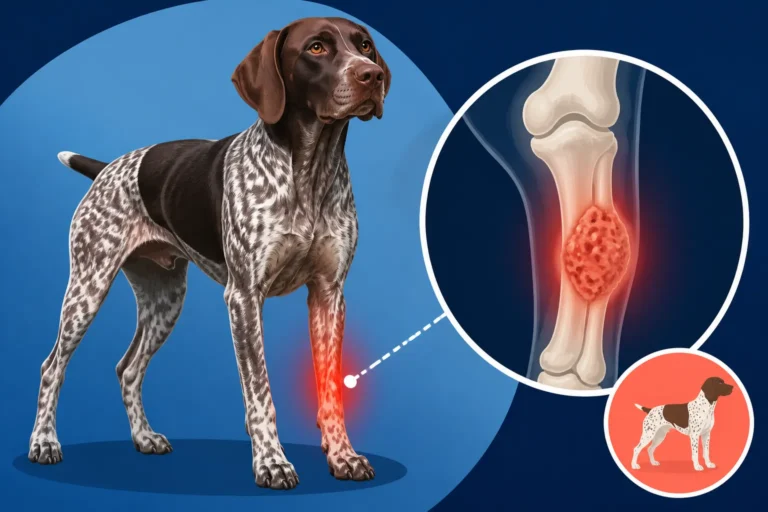
Think of your German Shorthaired Pointer's bones as a sophisticated construction project. For dogs, especially active breeds, the timing of puberty and the presence of sex hormones (estrogen and testosterone) play a crucial role in how that project finishes. These hormones signal the "closure" of growth plates – the soft, cartilaginous areas at the ends of long bones that are responsible for bone lengthening. When these growth plates close naturally, it indicates that the bones have reached their mature length and density.
If you remove the source of these hormones through spaying or neutering too early, before those growth plates have naturally fused, what happens? The signals for closure are diminished or absent. This can lead to the bones growing longer than they would have otherwise. While a slightly longer limb might not sound like a big deal, imagine an elaborate suspension bridge where the supports are a bit too long or not perfectly aligned. It changes the biomechanics, placing abnormal stresses on the joints and surrounding soft tissues. This altered development can predispose a GSP, already prone to certain orthopedic conditions, to a higher risk of injury and degenerative diseases down the line.
Common Orthopedic Concerns Magnified by Early Sterilization
German Shorthaired Pointers are, by nature, robust and athletic dogs, but they are not immune to orthopedic challenges. Conditions like hip dysplasia, elbow dysplasia, and cranial cruciate ligament ruptures are unfortunately prevalent in the breed. Hip dysplasia is a malformation of the hip socket, leading to instability and arthritis, while elbow dysplasia involves abnormal development of the elbow joint. A torn cranial cruciate ligament, often seen in active dogs, is a painful knee injury that frequently requires surgery and can be exacerbated by abnormal joint angles.
When the growth plates close prematurely or unevenly due to early neutering, it can subtly shift the angles and alignment of the joints. For instance, longer limb bones can lead to a shallower hip socket or increased stress on the knee joint, making a GSP more susceptible to these already concerning conditions. The increased torque and leverage on joints that weren't designed for those specific biomechanical forces can accelerate wear and tear, potentially leading to earlier onset or increased severity of arthritis. This is particularly concerning for a GSP expected to run, jump, and retrieve extensively, whether in the field or just in the backyard. It's a real frustration for owners who see their young, vibrant dog developing issues that could have potentially been mitigated.
Navigating the Research: What Studies Say About Neutering Timing and GSP Joints
The scientific community has been grappling with the question of optimal neutering timing for years, and while no single "perfect" age applies to every breed, or even every individual within a breed, a clearer picture is starting to emerge for active, large breeds like the German Shorthaired Pointer. It’s not just anecdotal evidence anymore; solid research is providing valuable insights that can help GSP owners make more informed decisions.
Unpacking Breed-Specific Data and General Findings
Several large-scale studies have looked into the link between neutering age and orthopedic issues. One particularly impactful study conducted by the University of California, Davis (UC Davis) examined thousands of dogs across various breeds, including German Shorthaired Pointers. The findings for GSPs specifically indicated that neutering, especially before one year of age, was associated with an increased risk of certain joint disorders. For example, male GSPs neutered before 6 months showed a significantly higher incidence of hip dysplasia and cranial cruciate ligament tears compared to intact males. Females, while also affected, generally showed a slightly lower, but still elevated, risk for these conditions when spayed early.
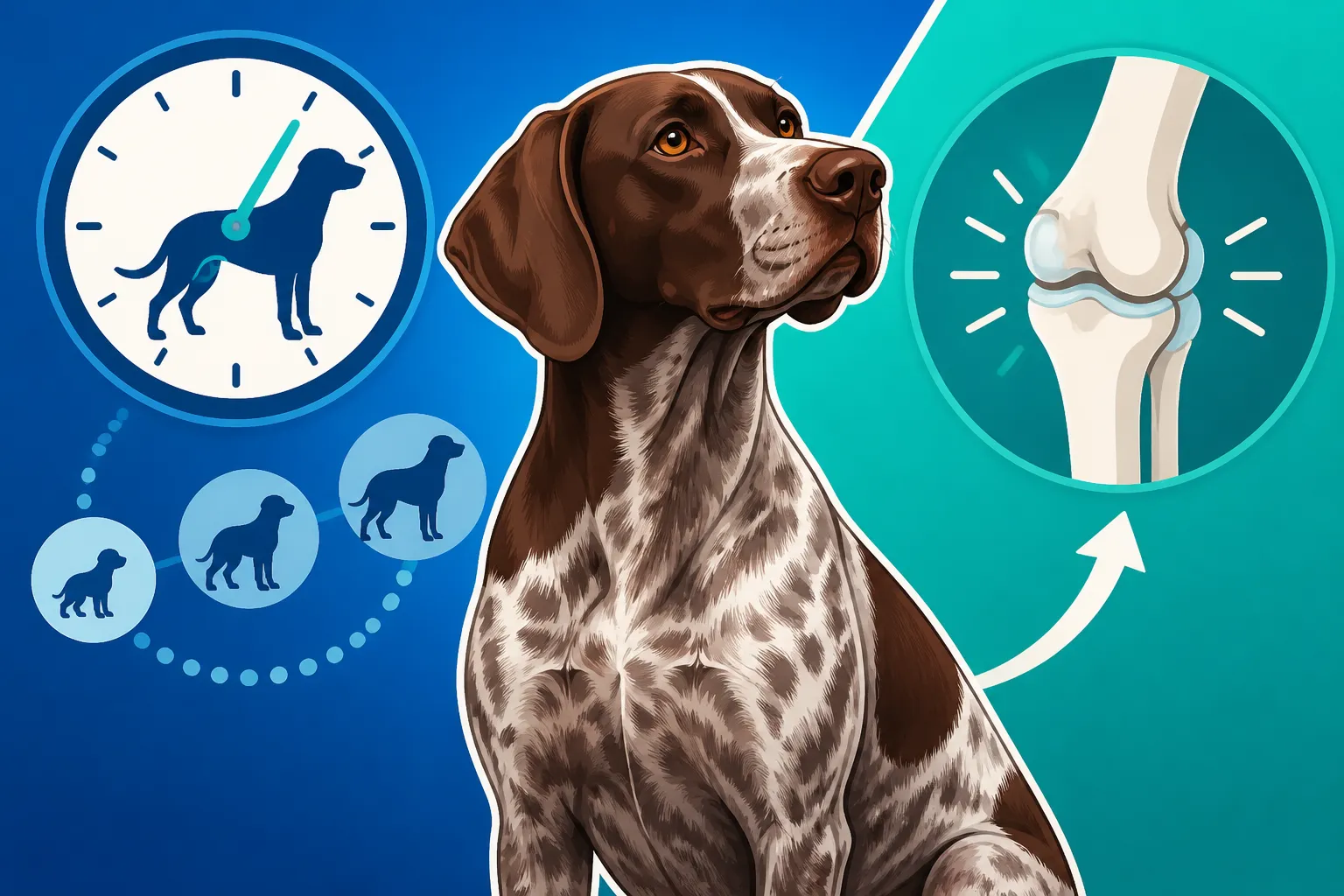
These studies underscore the importance of those sex hormones for proper bone and joint development, particularly in a breed like the GSP that has a relatively long growth period and a conformation built for demanding physical activity. The general consensus among many veterinary orthopedic specialists is shifting towards recommending delaying sterilization until after a dog's growth plates have closed, which for German Shorthaired Pointers is often between 12 and 18 months, sometimes even later for larger individuals. It's not about avoiding neutering entirely, but rather about optimizing the timing to support sound skeletal development and potentially reduce the risk of debilitating orthopedic issues.
Weighing the Trade-offs: Joint Health vs. Other Health Benefits
Of course, the decision isn't solely about joint health. There are compelling arguments for early neutering that must also be considered. For males, neutering eliminates the risk of testicular cancer and significantly reduces the risk of certain prostate problems. It can also mitigate unwanted behaviors like roaming, marking, and aggression. For females, spaying eliminates the risk of mammary cancer (especially if done before the first heat cycle), prevents pyometra (a life-threatening uterine infection), and, of course, unwanted pregnancies.
It's a delicate balance, and there’s no universal right answer that fits every German Shorthaired Pointer or every owner's circumstances. For a GSP that might struggle with extreme anxiety, aggression, or an uncontrollable urge to roam and breed, the behavioral and immediate health benefits of earlier neutering might outweigh the potential long-term orthopedic risks. Conversely, for a dog from excellent lines with a stable temperament and an owner committed to rigorous management, delaying sterilization to maximize joint development might be the preferred path. It's about looking at the whole picture – your dog's genetics, temperament, intended activities, and your ability to manage them intact – to find the most responsible course of action.
The Evolving Veterinary Perspective on Optimal Timing
The veterinary community, much like the general public, is continually learning and adapting. What was once standard practice – routine spay/neuter at six months – is now being critically re-evaluated, especially for larger, active breeds. Many veterinarians today are more open to discussing delayed neutering, acknowledging the growing body of evidence regarding orthopedic health. They understand that a blanket recommendation doesn't serve all dogs equally.
However, it's also true that some vets, particularly those in areas with high rates of pet overpopulation or who have seen numerous cases of mammary cancer or pyometra, may still lean towards earlier sterilization. This difference in perspective often comes down to weighing different health risks and public health concerns. It’s not that anyone is "wrong," but rather that the focus shifts depending on the primary concern. For a breed like the GSP, whose athleticism is central to their identity and owner's enjoyment, joint health has rightly become a more prominent consideration in these discussions. It's why having an open, honest conversation with your vet, armed with your own research and concerns, is so crucial.
Crafting a Tailored Neutering Plan for Your German Shorthaired Pointer
Ultimately, the decision of when to neuter your German Shorthaired Pointer is deeply personal and should be based on a comprehensive understanding of your dog's individual needs, your lifestyle, and the advice of trusted professionals. There's no one-size-fits-all answer, especially for a breed as unique and active as the GSP.
Your Veterinarian: The Cornerstone of the Decision
Your veterinarian is your primary partner in your German Shorthaired Pointer's health journey. They know your dog's medical history, can perform a thorough physical examination, and are familiar with local disease prevalence and risks. When discussing neutering timing, don't be afraid to ask direct questions about their recommendations specifically for GSPs, referencing studies you may have encountered. A good vet will engage in a thoughtful dialogue, explaining the pros and cons based on your dog's breed, age, size, and individual health markers.
They can help you assess if your particular GSP is at a higher risk for orthopedic issues, perhaps due to family history (if known) or early indicators of joint laxity. If you're considering delaying neutering, discuss strategies for managing an intact dog, such as heat cycle management for females or preventing unwanted pregnancies. This partnership is vital to ensuring you make the best, most personalized decision for your four-legged family member. Remember, having a solid pet insurance plan, like one from Healthy Paws, can provide peace of mind for unexpected vet visits, no matter when you choose to neuter.
Holistic Considerations for Your GSP's Future
Beyond the medical recommendations, consider your German Shorthaired Pointer's entire life context. Will they be a high-performance hunting dog, routinely putting immense stress on their joints? Or will they be a beloved companion, primarily exercising in a fenced yard and going on daily walks? A working dog's joint longevity might be a higher priority than for a less active pet. Your home environment and ability to manage an intact dog are also critical. Can you safely manage an intact female through her heat cycles, preventing accidental breeding? Are you prepared to handle the potential for increased roaming or marking behaviors in an intact male?
If you opt for delayed neutering, think about the full implications. This means diligent supervision, especially during "high-risk" times like a female's heat or if an intact male becomes fixated on local female dogs. It also means potentially dealing with the hormonal shifts that an intact dog experiences. Many owners find these challenges manageable with proper training and management, while others prefer the simpler routine of a neutered dog. It's about honest self-assessment regarding what you can realistically commit to for the well-being and safety of your German Shorthaired Pointer.
Proactive Strategies for Lifelong Joint Support
Regardless of when you decide to neuter your German Shorthaired Pointer, proactive joint care is paramount for this active breed. Their high-energy lifestyle means their joints are always working overtime. Maintaining a lean body condition is one of the most impactful things you can do. Excess weight puts incredible strain on joints, exacerbating any underlying orthopedic issues. A balanced, high-quality diet that supports muscle and bone health is also crucial.
Consider incorporating joint supplements, especially as your GSP ages or if they have a demanding activity schedule. Ingredients like glucosamine, chondroitin, and omega-3 fatty acids can help support cartilage health and reduce inflammation. Regular, appropriate exercise – not over-exertion, especially during their growth phases – helps build strong muscles that stabilize joints. Avoiding high-impact activities on hard surfaces when they are very young can also make a difference. Even if you delay neutering, these practices remain cornerstones of protecting your GSP's athletic frame for as long as possible. Many GSP owners budget for these preventative measures, and some even look into pet insurance policies from providers like Healthy Paws that can help with the costs of supplements or physical therapy down the line.
| Feature | Early Neutering (Before 12 Months) | Delayed Neutering (After 12-18 Months) |
|---|---|---|
| Impact on Joint Health | Increased risk of hip/elbow dysplasia, cruciate ligament tears. | Lowered risk of hip/elbow dysplasia, cruciate ligament tears. |
| Bone Growth | May lead to longer limbs, altered joint angles due to delayed growth plate closure. | Allows natural growth plate closure, promoting normal bone development. |
| Cancer Risk (Male) | Eliminates testicular cancer; reduces prostate issues. | Testicular cancer risk remains; prostate issues may arise. |
| Cancer Risk (Female) | Significantly reduces mammary cancer; eliminates pyometra. | Mammary cancer risk increases with each heat cycle; pyometra risk remains. |
| Behavioral | May reduce roaming, marking, aggression. | May allow more "intact dog" behaviors; requires diligent management. |
| Anesthesia Risk | Generally lower surgical risk due to younger age. | Slightly higher surgical risk with age, but still generally low. |
| Recovery | Often faster recovery due to youth. | Recovery may take slightly longer in older dogs. |
| Owner Responsibility | Less worry about heat cycles or unwanted litters. | Requires careful heat cycle management, supervision to prevent breeding. |
Disclaimer
This article is for general informational purposes only and does not constitute professional advice. Laws, prices and regulations vary by location and change over time. Consult a qualified professional for guidance on your specific situation.