Joint Supplements for a Hunting German Shorthaired Pointer
It’s a heart-wrenching moment for any German Shorthaired Pointer owner: seeing your once tireless companion start to lag, hesitate before jumping, or show a stiffness in their gait after a long day afield. The undeniable truth is that the very athleticism that makes our GSPs such incredible hunting partners also puts immense strain on their joints over time. This guide will dive deep into understanding these challenges and explore how joint supplements can play a crucial role in supporting their mobility and extending their active, joyful lives.
The Harsh Reality of Wear and Tear on a Hunting Shorthair's Joints
German Shorthaired Pointers are built for work. They live to run, point, and retrieve, often pushing themselves to their physical limits without complaint. This incredible drive, while admirable, comes at a cost, particularly for their hardworking joints.
Why Active Lifestyles Accelerate Joint Issues
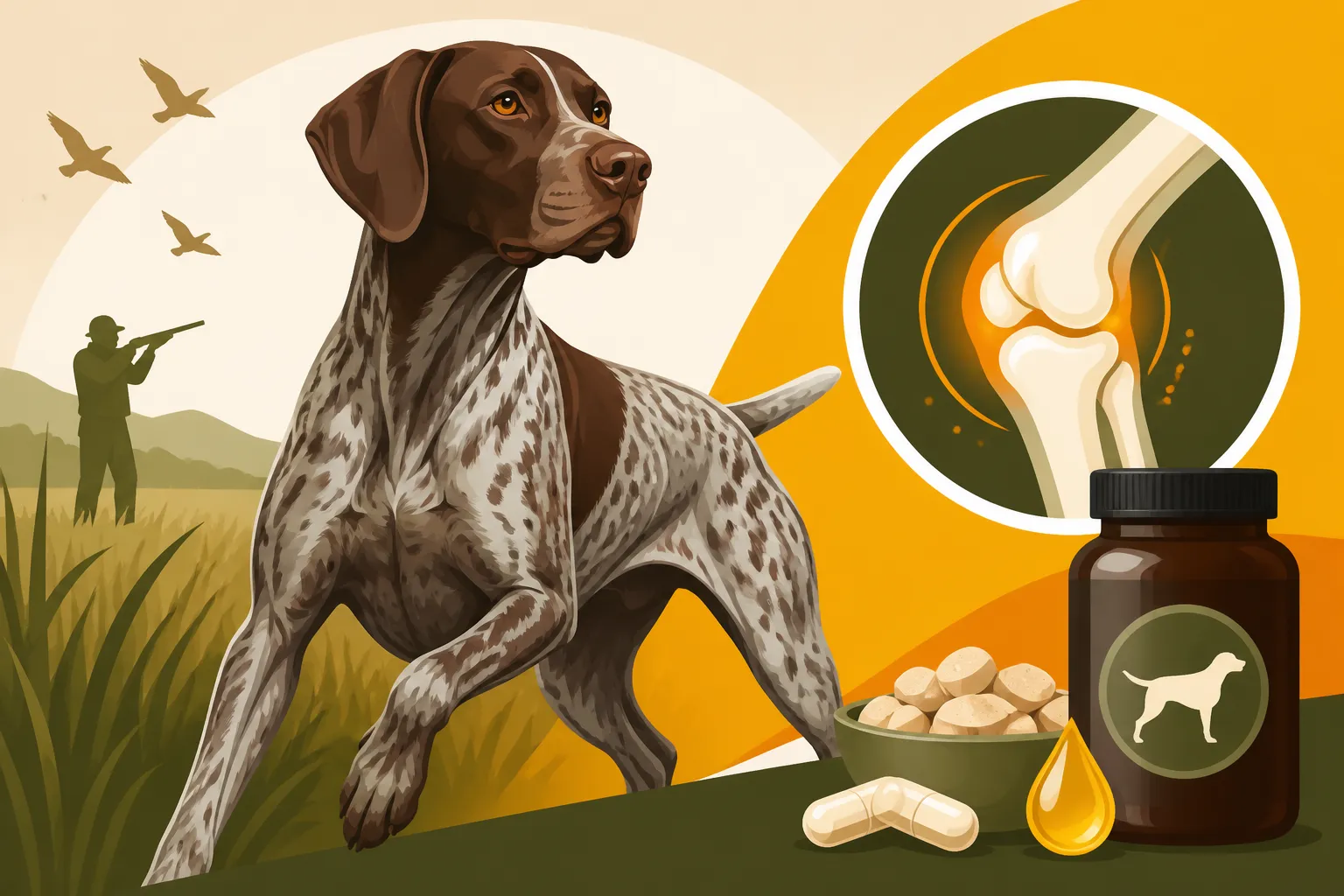
Think about a typical day in the field for a hunting German Shorthaired Pointer. They're not just trotting along a paved path; they're exploding through dense cover, leaping over fallen logs, navigating uneven terrain, and making sudden stops and turns on a dime. These aren't gentle movements; they're high-impact, repetitive actions that put tremendous stress on cartilage, ligaments, and bones. Every jump and every hard stop sends a shockwave through their shoulders, elbows, hips, and knees. Over years of doing this, especially during intense hunting seasons, the natural cushioning in their joints starts to degrade.
It’s not just the big, obvious movements either. The constant quartering back and forth, the intense focus that keeps them covering ground tirelessly, means their bodies are in near-constant motion. This persistent mechanical stress gradually wears down the smooth cartilage that allows bones to glide effortlessly. The body tries to repair itself, but sometimes the damage outpaces its ability to recover, leading to inflammation, pain, and eventually, degenerative joint disease like osteoarthritis. This is a common concern for owners wondering about how long a working German Shorthaired Pointer stays sound.
Early Signs of Joint Discomfort in a Working Dog
One of the toughest parts about owning a German Shorthaired Pointer is their incredible stoicism. These dogs are so driven to please and to work that they will often hide signs of pain until it becomes severe. This means it's up to us, their dedicated owners, to become experts in subtle observation. You might not see an obvious limp right away. Instead, look for more nuanced changes. Perhaps your dog is a little slower getting out of their dog box in the morning, or they hesitate slightly before jumping into the truck. They might seem stiff after a nap, taking a few extra moments to "warm up" before moving fluidly. You might notice them favoring a leg just slightly, or shifting their weight when standing.
Sometimes, it's a reluctance to engage in activities they once loved – maybe they're not as enthusiastic about fetching or they're cutting their runs a bit shorter in the field. They might even become a little irritable or withdrawn because they're uncomfortable. Pay close attention to how they lie down and get up. Do they grunt or struggle? Do they avoid stretching fully? These small behavioral shifts can be crucial early indicators that something is amiss with their joints. Catching these signs early is key, as timely intervention, including considering options like joint supplements worth giving a working Shorthair, can make a significant difference in their long-term comfort and mobility.
Understanding the Building Blocks: Key Ingredients in Joint Supplements
When you start looking into joint supplements, the sheer number of ingredients and formulations can be overwhelming. Let's break down some of the most common and effective components you’ll encounter.
Glucosamine and Chondroitin: The Dynamic Duo
These two ingredients are practically synonymous with joint health supplements, and for good reason. They are naturally occurring compounds found in healthy cartilage.
- Glucosamine: This is an amino sugar that plays a vital role in building and maintaining healthy cartilage, the flexible, connective tissue that cushions your dog's joints. It's thought to help stimulate the production of proteoglycans and collagen, which are essential components of cartilage matrix. Essentially, it helps provide the raw materials the body needs to repair and maintain cartilage. You’ll often see it listed as Glucosamine Sulfate or Glucosamine HCl (hydrochloride). While both are beneficial, some studies suggest Glucosamine HCl might be slightly more concentrated and bioavailable, meaning the body can absorb and use it more efficiently.
- Chondroitin: Often paired with glucosamine, chondroitin sulfate is a complex carbohydrate that helps maintain the elasticity and water retention of cartilage. It acts like a shock absorber, helping to prevent cartilage breakdown by inhibiting enzymes that can damage joint tissue. It also contributes to the synovial fluid's viscosity, which is the lubricating fluid within the joint capsule. Together, glucosamine and chondroitin work synergistically: glucosamine helps rebuild, while chondroitin helps protect and maintain. They're not a cure-all, especially not for advanced conditions like hip dysplasia in a hard running German Shorthaired Pointer, but they offer foundational support for joint health.
MSM, Omega-3s, and Other Supporting Actors
Beyond the primary pair, several other ingredients contribute significantly to joint health, often by targeting inflammation and pain.
- MSM (Methylsulfonylmethane): This is an organic sulfur compound known for its anti-inflammatory and pain-relieving properties. Sulfur is critical for the formation of connective tissues, and MSM can help reduce muscle damage and stiffness after intense exercise, which is incredibly beneficial for a hunting German Shorthaired Pointer. It’s often included to help manage discomfort and improve overall mobility.
- Omega-3 Fatty Acids (EPA and DHA): Derived primarily from fish oil (like salmon or sardine oil), these are powerful anti-inflammatory agents. EPA (eicosapentaenoic acid) and DHA (docosahexaenoic acid) can help reduce the production of inflammatory molecules in the body, thereby decreasing joint pain and swelling. While they don't directly rebuild cartilage, their anti-inflammatory effect is crucial for improving comfort and slowing the progression of degenerative joint disease. They also have countless other benefits for skin, coat, and cognitive health.
- Hyaluronic Acid (HA): A natural component of synovial fluid, HA acts as a lubricant and shock absorber within the joint. Supplementing with HA can help improve the viscosity of this fluid, making joint movement smoother and reducing friction. This is particularly helpful for joints that are already showing signs of wear and tear.
- Green Lipped Mussel (GLM): Hailing from the pristine waters of New Zealand, green lipped mussel is a powerhouse ingredient. It contains a unique combination of Omega-3 fatty acids, glucosamine, chondroitin, and other minerals and amino acids. Its comprehensive profile offers both anti-inflammatory benefits and support for cartilage health, making it an increasingly popular choice in high-quality joint supplements.
It’s important to remember that the quality and sourcing of these ingredients truly matter. Look for reputable brands that prioritize purity and use clinically relevant doses.
Navigating the Supplement Aisle: Choosing Wisely for Your GSP
With so many options out there, choosing the right joint supplement for your German Shorthaired Pointer can feel like a daunting task. It's not just about picking the first one you see; it requires a bit of informed decision-making.
Factors to Consider Beyond the Hype
First and foremost, always consult your veterinarian before starting any new supplement regime for your German Shorthaired Pointer. They can help diagnose any underlying issues, assess your dog's specific needs, and recommend products or ingredients tailored to their health status, age (whether they are still a young working dog or nearing the age a German Shorthaired Pointer is called senior), and activity level. They can also advise on potential interactions with any medications your dog might already be taking.
When evaluating products, prioritize quality and purity. The supplement industry isn't as strictly regulated as pharmaceuticals, so it's crucial to seek out brands that demonstrate transparency and commitment to quality. Look for products that have undergone third-party testing, which verifies the ingredients listed are actually present and in the stated amounts, and that the product is free from contaminants. Certifications from organizations like the National Animal Supplement Council (NASC) can be a good indicator of a brand's dedication to quality manufacturing processes.
Consider the dosage and administration. German Shorthaired Pointers are medium-to-large breed dogs, and their dosages will differ significantly from smaller breeds. Ensure the product provides adequate levels of the active ingredients for your GSP's weight. Also, think about the form of the supplement. Is it a chewable tablet, a powder you sprinkle on food, or a liquid? What will be easiest for you to administer consistently? Consistency is key to seeing results, so choosing a format your dog readily accepts will save you a lot of hassle.
Finally, while supplements can be an investment, consider the overall value. A higher price doesn't always guarantee better quality, but extremely cheap options might compromise on ingredient quality or concentration. Think of it as investing in your dog's long-term comfort and mobility.
When to Start and What to Expect
The question of when to start joint supplements often comes down to proactive versus reactive care. Many veterinarians and experienced GSP owners advocate for a proactive approach, especially for hunting dogs. Beginning a joint supplement regimen before obvious signs of pain appear can help support healthy joints, potentially slowing down the wear and tear associated with an active lifestyle. For a German Shorthaired Pointer that begins strenuous training or hunting at a young age, starting a preventive supplement around 2-3 years old, or even earlier if genetic predispositions like hip dysplasia are known in the lines, could be beneficial. For dogs already showing signs of stiffness or slowing down, starting a supplement can help manage discomfort and improve mobility.
It's important to set realistic expectations. Joint supplements are not magic pills. They work by supporting the body's natural processes, reducing inflammation, and providing building blocks for cartilage. This takes time. You likely won't see dramatic changes overnight. Most experts recommend a trial period of 4-6 weeks to observe any noticeable improvements. Pay attention to subtle changes in your dog's gait, energy levels, willingness to play, and comfort after rest. Keeping a journal can help you track these observations.
If you don't see improvement after the initial trial, discuss it with your vet. They might suggest increasing the dose, trying a different combination of ingredients, or exploring other treatment options. Remember to monitor your dog for any adverse effects, though side effects from joint supplements are generally rare and mild, often limited to digestive upset. When planning for ongoing care, it's also worth considering pet insurance options like Healthy Paws. While traditional supplements might not always be covered, if your vet diagnoses a condition like arthritis in a German Shorthaired Pointer at eight and prescribes specific joint medications or therapies, a good insurance plan could help manage the costs, allowing you to focus on your dog's recovery and comfort.
Integrating Joint Care into Your Shorthair's Routine
Joint supplements are just one piece of the puzzle when it comes to maintaining your German Shorthaired Pointer's long-term mobility and comfort. A holistic approach that integrates diet, exercise, and regular veterinary oversight is crucial.
Holistic Approaches: Beyond Just Supplements
One of the most impactful things you can do for your GSP's joints is to maintain a healthy weight. Even a few extra pounds can significantly increase the stress on their hips, knees, and elbows. Just like humans, leaner dogs tend to have fewer joint issues. Ensure your German Shorthaired Pointer is getting the appropriate daily ration a working Shorthair actually eats, and adjust as needed during the off-season. You should be able to easily feel their ribs without seeing them protruding sharply.
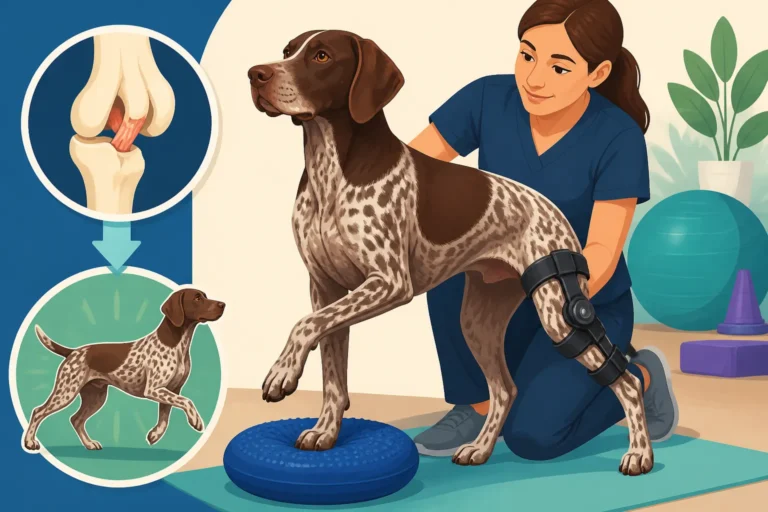
Appropriate, balanced exercise is also critical. While GSPs need a lot of activity, it's about quality, not just quantity. Avoid high-impact activities on hard surfaces, especially for puppies and older dogs. Focus on activities that build muscle and improve flexibility without excessive joint jarring. Swimming is an excellent low-impact exercise for building strength, as is walking on varied, soft terrain. Always ensure a proper warm-up before strenuous activity and a cool-down afterward, just like an athlete. This helps prepare the joints and muscles for work and aids recovery. Consider providing aids like ramps for getting into vehicles or elevated beds to help a stiff old German Shorthaired Pointer get up more easily.
Environmental considerations also play a role. Ensure your dog has a comfortable, orthopedic bed that supports their joints, especially as they age. Avoid slippery floors where they might lose traction and strain themselves. For those with hard floors, consider runners or rugs in high-traffic areas.
Regular Vet Check-ups and Monitoring
Consistent veterinary care is the cornerstone of managing joint health. Regular check-ups allow your veterinarian to monitor your German Shorthaired Pointer’s overall health, assess their gait and mobility, and catch any subtle changes before they become major problems. They can perform physical examinations, and if concerns arise, recommend diagnostic imaging like X-rays to get a clearer picture of the joint structures. This proactive approach is especially important for a breed prone to orthopedic issues and those that lead such active lives.
Discussing the efficacy of your chosen joint supplements during these appointments is vital. Your vet can help you assess if the current supplement regimen is working, if dosages need adjustment, or if a different product would be more beneficial. They can also introduce you to other supportive therapies, such as physical therapy, laser therapy, or even prescription medications if your dog's condition warrants it. Remember, an annual or bi-annual visit is a perfect opportunity to discuss "The Vet Schedule a Working Shorthair Should Keep" with your vet, ensuring your beloved hunting companion receives comprehensive care throughout their life. It's during these discussions that you might also review how your pet insurance, like Healthy Paws, could support potential future treatments, whether it's managing chronic arthritis or covering unexpected injuries.
Joint Supplement Ingredients Comparison
To help you visualize the different roles various ingredients play, here's a quick comparison of some common components found in joint supplements for dogs:
| Ingredient | Primary Role | Benefits for GSPs | Common Source |
|---|---|---|---|
| Glucosamine | Cartilage building block, promotes repair | Supports healthy cartilage, aids recovery from wear and tear | Shellfish (shrimp, crab), fungi |
| Chondroitin | Cartilage elasticity, hydration, inhibits breakdown | Helps cartilage retain water, acts as shock absorber, protects against damage | Bovine/porcine cartilage |
| MSM | Anti-inflammatory, pain relief, tissue formation | Reduces joint pain and stiffness, supports connective tissue health | Natural plant sources |
| Omega-3 Fatty Acids | Powerful anti-inflammatory | Decreases inflammation, reduces joint pain and swelling, supports overall health | Fish oil (salmon, sardine), flaxseed |
| Hyaluronic Acid | Joint lubrication, shock absorption | Improves synovial fluid viscosity, smoother joint movement | Fermentation, rooster combs |
| Green Lipped Mussel | Comprehensive joint support (Omega-3s, glucosamine, chondroitin) | Reduces inflammation, provides cartilage building blocks, broad spectrum benefit | New Zealand green lipped mussels |
Disclaimer
The information provided in this guide is for educational purposes only and is not intended to be a substitute for professional veterinary advice. Always consult with a qualified veterinarian before making any decisions about your German Shorthaired Pointer's health, diet, or supplement regimen.