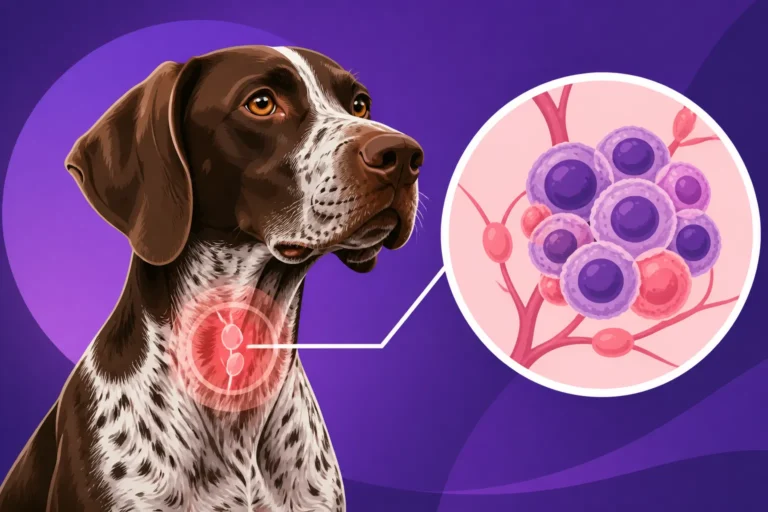
Whether a Shorthair With SAS Should Be Exercised
It’s a heartbreaking moment for any German Shorthaired Pointer owner when you get that diagnosis: Subaortic Stenosis, or SAS. Suddenly, all those dreams of long runs in the field, endless games of fetch, and active adventures with your high-energy companion are clouded by worry. You’re left wondering, can your Shorthair with SAS still be exercised, or are you putting their life at risk every time they get excited? This guide is here to walk you through the complexities of managing exercise for a GSP with SAS, offering realistic expectations and actionable advice to help you provide the best quality of life for your beloved dog.
Understanding Subaortic Stenosis in Your Shorthair
Discovering your German Shorthaired Pointer has a heart condition like Subaortic Stenosis can feel like a punch to the gut. It's a serious condition, and understanding what it truly means for your dog's heart is the first crucial step in navigating their care. It's not just a fancy medical term; it directly impacts how their heart functions and, consequently, how they can live their lives.
What is SAS and How It Affects the Heart?
Subaortic Stenosis (SAS) is a congenital heart defect, meaning your German Shorthaired Pointer was born with it. In simple terms, there's a narrowing (stenosis) just below the aortic valve (subaortic). The aorta is the main artery that carries oxygen-rich blood from the left ventricle of the heart to the rest of the body. When there's this fibrous ring or ridge narrowing the outflow tract, the left ventricle has to work much harder to pump blood past this obstruction. Think of it like trying to push water through a pinched hose – the pump (your dog's heart) has to generate a lot more pressure.
This increased workload can lead to several problems. First, the left ventricle muscle thickens (hypertrophies) over time as it strains to overcome the resistance. While this might sound like a stronger heart, it's actually detrimental; the thickened muscle becomes less efficient at relaxing and filling with blood, and it can also become prone to abnormal electrical activity. The severity of SAS is typically graded based on the velocity of blood flow through the narrowed area, measured via echocardiogram. Mild cases might have minimal symptoms and a relatively normal lifespan, while severe cases put immense strain on the heart, leading to a significantly higher risk of complications and a shorter life expectancy.
The Silent Threat and Early Diagnosis
One of the most insidious aspects of SAS, especially in an active breed like the German Shorthaired Pointer, is that it can often be a silent threat for quite some time. Puppies might show no outward signs of distress, even with a significant heart murmur present. Many owners only become aware when a routine vet check-up reveals a heart murmur. This is why it's so incredibly important for all German Shorthaired Pointer puppies to have a thorough cardiac examination. A murmur can indicate issues, and while not all murmurs are SAS, they warrant further investigation.
A common scenario is that a seemingly healthy, energetic puppy starts to display subtle signs as the condition progresses: perhaps they tire more quickly than their littermates, or they seem unusually winded after play. For some, the first sign is devastating – sudden collapse or even death during strenuous activity. This is the stark reality that underscores the importance of an early diagnosis. If your vet hears a murmur, don't hesitate to follow up with a veterinary cardiologist. They can perform an echocardiogram, which is the definitive diagnostic tool, to confirm SAS and assess its severity. Knowing the grade of SAS is absolutely critical, as it directly informs the prognosis and the safe activity levels for your dog. For more on this, you might find our article on The Heart Murmur a German Shorthaired Pointer Puppy Can Carry helpful in understanding initial findings.
The Exercise Dilemma for a GSP with SAS
The German Shorthaired Pointer is a breed renowned for its boundless energy and drive. They are literally bred to run all day. So, when you're told your high-octane companion has a heart condition, the question of exercise isn't just a casual thought; it's a major, agonizing dilemma that can weigh heavily on your mind. You want your dog to be happy and fulfilled, but you also don't want to risk their life.
Why Exercise is a Concern
The primary concern with exercising a German Shorthaired Pointer with SAS, particularly in moderate to severe cases, is the risk of sudden cardiac death. When your Shorthair exercises vigorously, their heart rate increases dramatically, and their heart has to pump blood at a much higher pressure and speed. For a heart already struggling against a narrowed outflow tract, this increased demand can be overwhelming. The hypertrophied (thickened) heart muscle, as mentioned before, can become electrically unstable. Strenuous exercise can trigger fatal arrhythmias, which are abnormal heart rhythms that can cause the heart to stop effectively pumping blood. This is why even seemingly healthy young Shorthairs with undiagnosed SAS can collapse and die unexpectedly during intense activity.
Beyond the immediate risk of sudden death, consistent high-intensity exercise puts chronic strain on the heart, potentially accelerating the progression of heart failure. The constant battle against the stenosis can lead to further thickening of the heart muscle, impaired function, and eventually, the heart simply can't keep up with the body's demands. It’s a cruel irony for a breed built for endurance, but it highlights why careful management is paramount. Our post on How Subaortic Stenosis Kills a Young Shorthair delves deeper into these tragic scenarios, helping owners understand the mechanisms at play.
Navigating Activity Levels Based on Severity
The good news is that not all SAS cases are created equal, and activity restrictions are not a one-size-fits-all directive. The key to navigating exercise for your German Shorthaired Pointer lies in understanding the severity of their SAS, which is typically graded by a veterinary cardiologist.
Here’s a general breakdown of how severity often dictates exercise guidelines:
| SAS Severity Grade | Pressure Gradient (mmHg) | Exercise Recommendations | Associated Risks |
|---|---|---|---|
| Mild | < 30 | Usually unrestricted, but monitor for symptoms. Avoid extreme exertion. | Low risk of sudden death; monitor for progression. |
| Moderate | 30-79 | Moderate restriction; leash walks, gentle play. Avoid intense bursts, hunting, competitive sports. | Increased risk of sudden death during intense activity. |
| Severe | ≥ 80 | Strict restriction; short, slow leash walks only. Avoid any strenuous activity or excitement. | High risk of sudden death even with moderate exertion. |
Note: These are general guidelines. Your dog's specific recommendations will come from your veterinary cardiologist based on their unique condition.
For Shorthairs with mild SAS, a veterinary cardiologist might give the green light for mostly normal activity, but with a strong caveat to avoid extreme, sustained exertion or sudden, intense bursts of energy. This means your Shorthair might still enjoy walks and light jogs, but perhaps not multi-hour hunts or competitive agility trials. You'll need to be extra vigilant for any signs of fatigue or distress.
With moderate SAS, the recommendations become much more conservative. You're generally looking at strictly controlled activity: think regular, but relatively short and slow, leash walks rather than off-leash romps. Fetch might be limited to a few gentle throws, not a full-blown session. High-energy activities like long-distance running, intense swimming, or field work are typically off the table. This is where the frustration can really set in for owners of high-drive dogs, but it's essential for their safety.
For Shorthairs with severe SAS, exercise restrictions are usually very strict. The heart is under such immense strain that even moderate exertion can be dangerous. Short, slow leash walks are generally the maximum recommended activity. Any form of intense play, excitement, or sustained running could trigger a fatal event. This is undoubtedly the hardest scenario for both dog and owner, requiring a complete shift in lifestyle expectations. Many owners consider pet insurance, and a provider like Healthy Paws can be a lifesaver in these situations, helping manage the costs of specialist care and ongoing monitoring.
Safe Activity and Management Strategies
Living with a German Shorthaired Pointer means embracing their need for activity, but when SAS is in the picture, that activity needs careful management. It’s not about stopping them from enjoying life, but about redefining what safe enjoyment looks like. This journey requires a strong partnership with veterinary professionals and a commitment to adapting your routine.
Working with Your Veterinarian and Cardiologist
This cannot be stressed enough: your regular veterinarian and a board-certified veterinary cardiologist are your absolute best resources for managing SAS. They are the experts who understand the nuances of your Shorthair's specific condition. Your general vet will handle routine care, but the cardiologist will perform specialized diagnostics and set the most appropriate exercise guidelines.
Regular follow-up appointments with the cardiologist are non-negotiable. These typically involve repeat echocardiograms to monitor the progression of the stenosis and the heart's response. The cardiologist will be able to tell you if the pressure gradient has changed, if the heart muscle has thickened further, or if any arrhythmias are developing. Based on these findings, they can adjust their recommendations for medication and, most importantly, for activity levels. Don’t hesitate to ask every question that comes to mind, no matter how small. Understanding the exact limitations and risks will empower you to make the best decisions for your dog. For a deeper dive into diagnostics, consider reading our post on Echocardiograms for a German Shorthaired Pointer. These exams are crucial for tracking the progression and managing the disease effectively.
Tailored Exercise Routines for SAS Shorthairs
Once you have a clear understanding of your Shorthair’s SAS severity from the cardiologist, you can start tailoring an exercise routine. For many GSPs with SAS, the traditional long runs, agility training, or intense field work are simply too risky. Instead, focus on low-impact, controlled activities that provide mental and physical stimulation without overtaxing the heart.
- Leash Walks: These will likely become the cornerstone of your Shorthair's exercise. The length and pace will depend entirely on their SAS grade. For mild cases, brisk walks might be fine. For moderate to severe cases, it's about slow, gentle strolls. Avoid hills, deep snow, or soft sand that demand more effort. Always keep a close eye on their breathing and energy levels. If you notice any labored breathing, excessive panting, or slowing down, it's time to head home.
- Controlled Play: Short, calm play sessions might be possible for some. Think gentle tug-of-war for a minute or two, or rolling a soft ball indoors. Avoid anything that encourages sustained running, jumping, or intense bursts of energy. Mental stimulation through puzzle toys or scent work can be an excellent alternative to physical exertion, keeping their clever minds engaged.
- Supervised Swimming (with caution): For some GSPs with mild SAS, swimming might seem like a good low-impact option. However, it requires careful consideration. Cold water can constrict blood vessels and increase cardiac workload. The excitement of water play can also be stimulating. Always discuss this with your cardiologist first. If approved, keep sessions very short, in warm water, and always supervised, stopping at the first sign of fatigue.
Remember, the goal is consistent, gentle activity that prevents muscle atrophy and boredom without pushing their heart into dangerous territory.
Lifestyle Adjustments Beyond Exercise
Managing SAS goes beyond just regulating physical activity; it involves a holistic approach to your German Shorthaired Pointer's lifestyle.
- Diet and Weight Management: Keeping your Shorthair at a lean, healthy weight is crucial. Extra pounds put additional strain on the heart. Your vet or cardiologist can recommend a diet appropriate for their activity level and overall health. Generally, a high-quality, balanced diet is recommended. For more information, our article on Feeding a German Shorthaired Pointer That Has Stopped Hunting offers insights into adjusting caloric intake for less active dogs.
- Stress Reduction: Excitement and stress can elevate heart rate and blood pressure, placing demands on the heart. Try to create a calm, predictable environment. Avoid situations that cause your Shorthair excessive excitement, such as boisterous dog parks or long car rides in unfamiliar places. Gentle training and positive reinforcement can help manage anxiety.
- Environmental Control: Extreme temperatures can be taxing for a dog with a heart condition. Avoid exercising in the heat of the day or in very cold weather. Provide a comfortable, temperature-controlled indoor environment. If your Shorthair shivers easily in the cold, a warm coat might be helpful for short outdoor excursions.
- Medication Adherence: Your cardiologist may prescribe medications to help manage SAS symptoms, such as beta-blockers to reduce heart rate and blood pressure, or diuretics if heart failure develops. Administer these medications exactly as prescribed. Never alter dosages without consulting your vet.
- Routine Care: Stay on top of all other routine veterinary care, including vaccinations and parasite control. Any illness or infection can put additional stress on an already compromised heart. When facing these ongoing medical costs, knowing you have support from a pet insurance plan, such as one from Healthy Paws, can certainly alleviate some financial pressure and ensure your Shorthair receives necessary care without hesitation.
Living with a Shorthair and SAS: A Realistic Outlook
Accepting and managing a chronic heart condition like SAS in your spirited German Shorthaired Pointer is a journey, often filled with emotional highs and lows. It means adjusting expectations and finding new ways to connect with your dog, always prioritizing their health and comfort. It's tough, but entirely possible to give them a rich, fulfilling life within their boundaries.
Recognizing Warning Signs During Activity
Being vigilant is one of the most important things you can do for your Shorthair with SAS. You need to become an expert in your dog's normal behavior and recognize the subtle cues that signal distress. These signs mean it's time to stop the activity immediately and potentially consult your vet or cardiologist.
Keep an eye out for:
- Excessive panting or difficulty breathing: More than usual for the level of activity, or labored breathing.
- Coughing or gagging: Especially after exertion.
- Weakness or stumbling: Your dog might seem wobbly or have trouble coordinating their movements.
- Lethargy or unusual fatigue: Unexpectedly slowing down or wanting to stop during a walk they usually enjoy.
- Blue or pale gums: This is a serious sign of poor oxygenation and requires immediate veterinary attention.
- Fainting or collapse (syncope): This is a critical emergency and means your dog needs immediate veterinary care.
- Changes in heart rhythm: You might notice a very rapid, irregular, or unusually slow pulse if you know how to check it.
If you observe any of these signs, especially the more severe ones like collapse or blue gums, do not delay. Seek immediate emergency veterinary care. It's always better to be overly cautious when dealing with a heart condition. Understanding when to intervene can genuinely save your dog's life.
The Emotional Toll and Support
Let's be real, owning a high-drive German Shorthaired Pointer who is restricted from their natural calling because of a heart condition is emotionally taxing. You might feel guilty, frustrated, or sad that your dog can't live the full, active life you envisioned. These feelings are completely normal and valid. It’s okay to grieve the loss of those anticipated adventures.
It’s crucial to find new ways to bond and provide enrichment for your Shorthair. Mental stimulation, as mentioned, can go a long way. Think about incorporating more training sessions focused on obedience, tricks, or scent games. Spending quality time together, even if it's just cuddling on the couch, is incredibly valuable. Many German Shorthaired Pointers, despite their drive, are also incredibly affectionate and thrive on close companionship. Consider reaching out to support groups for owners of dogs with chronic illnesses; sharing experiences can provide immense comfort and practical advice. The focus shifts from high-impact physical achievements to maximizing comfort, happiness, and the sheer joy of companionship for The Twelve to Fourteen Years a German Shorthaired Pointer Gets.
Remember, you are doing the best you can for your beloved dog. Their quality of life is now defined by your care, vigilance, and the loving adjustments you make to their world. While it might not be the life you initially imagined, it can still be a deeply rewarding and joyful journey for both of you.
Disclaimer
The information provided in this article is for general informational purposes only and does not constitute veterinary advice. Always consult with a qualified veterinarian or veterinary cardiologist for any medical concerns or before making any decisions about your German Shorthaired Pointer's health and exercise regimen. Every dog's condition is unique, and individualized professional guidance is essential.