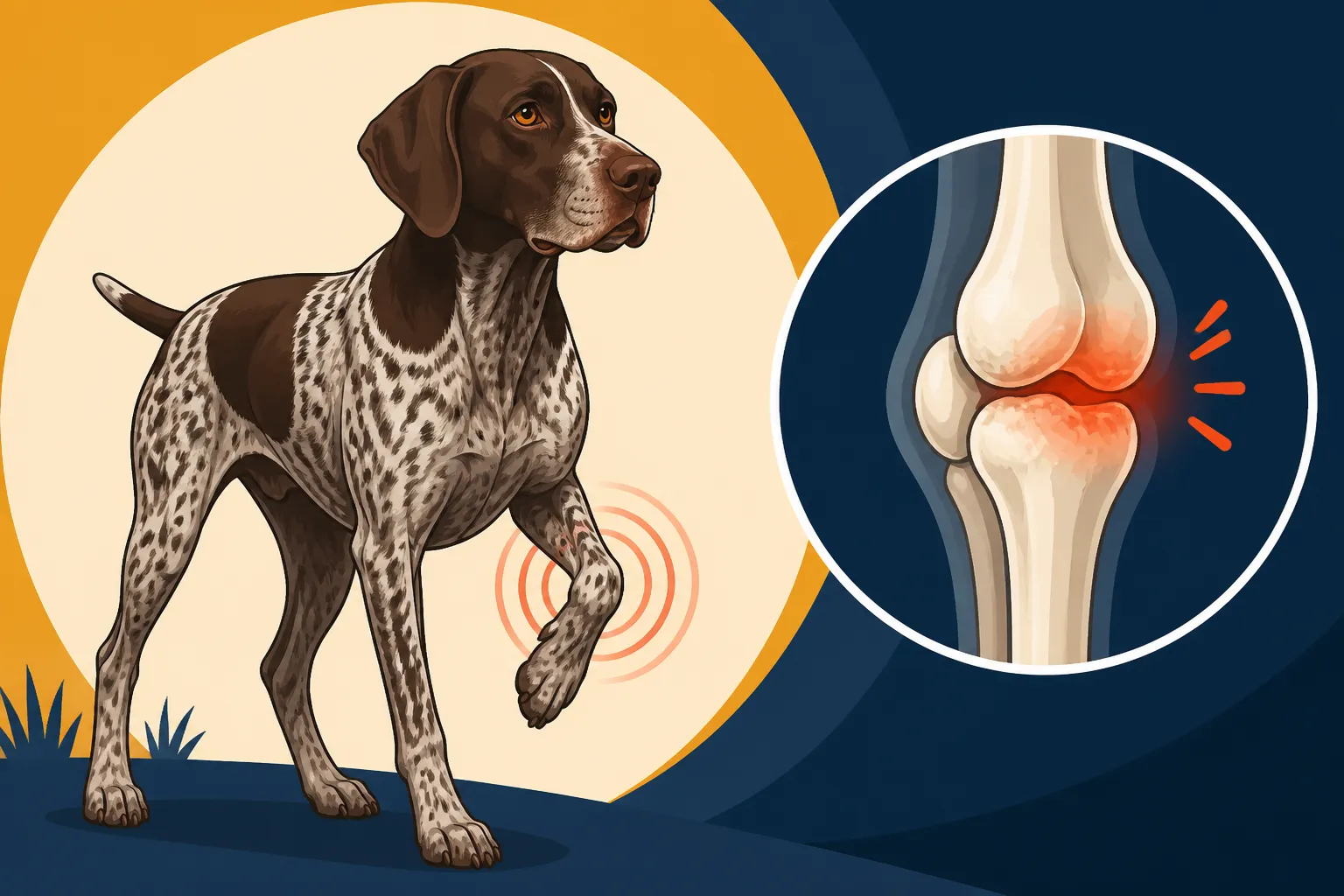
Arthritis in a German Shorthaired Pointer at Eight
It’s a tough pill to swallow when your once boundless German Shorthaired Pointer, who seemed to defy age with every joyous sprint, starts to show signs of slowing down at eight years old. That vibrant energy, the unwavering focus in the field, it all seems to hit a wall when you notice those stiff mornings or reluctance to jump. This guide is here to walk you through understanding, identifying, and most importantly, managing arthritis in your beloved GSP, helping you navigate this new chapter with empathy and practical solutions.
Recognizing the Subtle Nudges of Arthritis in an Eight-Year-Old GSP
You know your German Shorthaired Pointer better than anyone. You've seen them explode into action, point with unwavering intensity, and retrieve with boundless enthusiasm. So, when arthritis starts to creep in, it often presents not as a sudden, dramatic lameness, but as a collection of subtle changes that, when pieced together, tell a clear story. It’s not just about a limp; it’s about a shift in their entire demeanor and routine that can be heartbreaking to witness.
Early Warning Signs You Might Be Missing
It's easy to dismiss a little stiffness after a long day in the field or a slight hesitation on the stairs as just "getting old." But for a GSP, these are often early, crucial indicators that something more significant is at play. They are masters at masking pain, especially if they are driven working dogs, because their instinct tells them to push through discomfort. This means you have to be extra vigilant and really look for the nuances.
For instance, you might notice they're a bit slower to rise after a nap, perhaps shifting their weight awkwardly before standing fully. Maybe they're not greeting you at the door with quite the same gusto, or they've started choosing the ramp instead of jumping into the truck. Even something as seemingly minor as a change in their sleeping position – favoring one side, or stretching out in ways they didn't before – can be a sign their joints are complaining. Are they lagging a little on walks, or cutting their retrieves short? These aren't just quirks; they're whispers from their aching joints. Keep an eye on their willingness to play, too. A GSP that suddenly turns down a game of fetch or seems less interested in chasing squirrels might not just be tired; they might be hurting.
Changes in Gait, Movement, and Posture
As arthritis progresses, these subtle signs can become more pronounced and easier to identify in their movement. You might start noticing a distinct stiffness, particularly after periods of rest or in colder weather. Their once fluid, ground-eating stride might become shorter, choppier, or less coordinated. They might even develop a bunny-hopping gait when running, trying to take the strain off their hindquarters.
Observe them closely when they walk. Do they favor one leg? Is their back arching or sagging differently? A GSP with arthritis in its hips or spine might hold its tail lower than usual, or move it less freely. When they sit or lie down, do they hesitate, circling a few times before settling gingerly? You might also see muscle loss over the affected joints, especially in the hindquarters, because they're using those muscles less due to pain. Their once taut, athletic frame might appear a little gaunter around the hips or shoulders. Pay attention to how they navigate stairs; a dog struggling with hip or knee pain will often take stairs one step at a time, or refuse them altogether. It’s not a test of defiance; it’s a test of pain tolerance they are failing.
Unpacking the Roots of Arthritis in German Shorthaired Pointers
Arthritis, or osteoarthritis as it's often medically termed, isn't a single disease but rather a degenerative joint condition. It’s essentially the wear and tear of cartilage in the joints, leading to bone-on-bone friction, inflammation, and pain. In a breed as active and athletic as the German Shorthaired Pointer, the causes are often a mix of their genetic predisposition, their demanding lifestyle, and the unavoidable march of time. Understanding these factors is crucial for both prevention (if you're reading this proactively for a younger dog) and effective management.
Genetics and Breed Predispositions
While GSPs are generally a robust breed, they are not immune to genetic conditions that can predispose them to early-onset or more severe arthritis. Hip and elbow dysplasia are prime examples. These are inherited conditions where the hip or elbow joints don't form properly, leading to instability and abnormal wear and tear on the cartilage. Even a dog with mild dysplasia, certified by organizations like the Orthopedic Foundation for Animals (OFA) with ratings like "fair" or "good," can develop significant arthritis as they age, especially after years of high-impact activity. You can learn more about how "Hip Dysplasia in a Hard Running German Shorthaired Pointer" manifests and what to look for.
Other genetic factors, though less common, can also contribute. For instance, some lines may have a predisposition to osteochondrosis dissecans (OCD), a condition where cartilage doesn't develop properly, leading to flaps of cartilage detaching in the joint. While typically seen in younger dogs, it lays the groundwork for severe arthritis later in life. This is why reputable breeders prioritize health clearances and genetic testing, striving to reduce the incidence of these inheritable conditions in their litters. If you're considering a puppy, understanding "The Five Tests Behind a German Shorthaired Pointer CHIC Number" is invaluable.
The Toll of an Active Lifestyle
This is perhaps the biggest contributing factor for GSPs. These dogs are built for speed, endurance, and agility. They live to run, point, and retrieve, often over rugged terrain, through dense cover, and across varied surfaces. While this active life keeps them physically and mentally fit, it also puts immense strain on their joints. Every jump, every hard stop, every retrieve, and every mile covered adds micro-trauma to their cartilage and connective tissues.
Over eight years, for a German Shorthaired Pointer that has been actively hunting, running, or competing, this cumulative stress can lead to the breakdown of cartilage faster than their body can repair it. Think of it like a finely tuned machine that’s been operating at peak performance for years; eventually, the moving parts start to wear down. Ligament tears, such as "Torn Cruciates in a Field Bred German Shorthaired Pointer," or other "Field Injuries a Hunting German Shorthaired Pointer Comes Home With," even if surgically repaired, often lead to accelerated arthritis in that joint years down the line. Even seemingly minor sprains or strains can alter joint mechanics, setting the stage for future problems. The very passion that defines a GSP's life can, unfortunately, accelerate the onset and severity of arthritis.
Comprehensive Strategies for Managing Arthritis Pain and Enhancing Quality of Life
Finding out your eight-year-old GSP has arthritis can feel like a punch to the gut. The good news is that while there’s no cure, there are many effective ways to manage the pain, slow the progression, and significantly improve your dog’s comfort and quality of life. It’s not about stopping them from being a GSP, but about helping them adapt and enjoy their life with less discomfort.
Medical Interventions and Pain Management
Working closely with your veterinarian is paramount here. They can help create a tailored pain management plan that addresses your dog’s specific needs and the severity of their arthritis.
- Non-Steroidal Anti-Inflammatory Drugs (NSAIDs): These are often the first line of defense. Medications like carprofen (Rimadyl), meloxicam (Metacam), firocoxib (Previcox), or galliprant are commonly prescribed to reduce pain and inflammation. It's crucial to use these under veterinary guidance, as long-term use requires regular monitoring of kidney and liver function. Your vet will establish the correct dosage and watch for any side effects.
- Other Pain Relievers: For dogs that can't tolerate NSAIDs or need additional relief, other medications can be added. Gabapentin can help with neuropathic pain, while Amantadine might be used for chronic pain. Your vet might also consider newer options like Librela, an injectable monoclonal antibody therapy that targets nerve growth factor, a key mediator of pain. Many GSP owners report great success with it, seeing a noticeable improvement in mobility and comfort.
- Joint Injections: Intra-articular injections, such as corticosteroids or hyaluronic acid, can provide targeted relief directly to affected joints. Newer regenerative therapies like platelet-rich plasma (PRP) or stem cell therapy are also showing promise in reducing inflammation and promoting tissue repair. These are more advanced options that your vet might discuss if traditional medications aren't enough.
- Disease-Modifying Osteoarthritis Drugs (DMOADs): Polysulfated glycosaminoglycan (PSGAGs) injections (like Adequan Canine) are often used to slow the progression of arthritis by protecting cartilage and reducing inflammation. These are typically given as a series of injections and can be a fantastic addition to an arthritic GSP's regimen.
When it comes to the cost of these long-term treatments, especially if multiple medications or therapies are needed, it can really add up. This is where having pet insurance can be a game-changer. Companies like Healthy Paws are often recommended by GSP owners because they can cover a significant portion of eligible vet bills for chronic conditions like arthritis, allowing you to focus on your dog's health without financial stress.
Nutritional Support and Supplements
What goes into your GSP's bowl can play a significant role in managing arthritis.
- Weight Management: This is perhaps one of the most impactful things you can do. Every extra pound puts more strain on already compromised joints. Even a slight reduction in weight can lead to a dramatic improvement in your dog's comfort and mobility. Talk to your vet about the ideal lean weight for your GSP and a plan to achieve it. You can review "Feeding a Senior Shorthair That Has Slowed Down" for dietary considerations.
- Joint Supplements: Glucosamine and chondroitin sulfate are widely used to support cartilage health. Omega-3 fatty acids, particularly EPA and DHA found in fish oil, are powerful natural anti-inflammatories. Green-lipped mussel extract is another popular choice, known for its anti-inflammatory properties. Other supplements like MSM, ASU (avocado/soybean unsaponifiables), and turmeric can also be beneficial. It's important to choose high-quality, reputable brands and discuss these with your vet, as not all supplements are created equal. For more guidance, check out "Joint Supplements for a Hunting German Shorthaired Pointer".
- Prescription Joint Diets: Many veterinary brands offer prescription diets specifically formulated for joint health, containing higher levels of omega-3s, glucosamine, and chondroitin. These can be a convenient way to ensure your GSP is getting consistent nutritional support.
Lifestyle Adjustments and Therapeutic Care
Managing arthritis isn't just about medication; it's about making thoughtful adjustments to your GSP's daily life to minimize pain and maximize comfort.
- Controlled Exercise: While strenuous activity is out, keeping your GSP moving is crucial. Low-impact exercises like swimming or gentle leash walks can help maintain muscle mass, flexibility, and joint lubrication without excessive stress. The key is consistency and avoiding overexertion. Know their limits and don't push them past the point of pain. Remember, "Helping a Stiff Old German Shorthaired Pointer Get Up" is easier if they maintain some level of fitness.
- Physical Therapy and Rehabilitation: This is an invaluable tool for arthritic dogs. A certified canine rehabilitation therapist can develop a program that includes therapeutic exercises, stretches, massage, and modalities like laser therapy or hydrotherapy. Hydrotherapy, in particular, allows for non-weight-bearing exercise, building muscle strength around joints without pain.
- Comfortable Bedding and Accessibility Aids: Invest in an orthopedic dog bed that provides excellent support and pressure relief. For older GSPs, especially those who struggle to get up, a good quality bed can make a world of difference. Consider ramps for cars, beds, or stairs to reduce jumping and impact. Non-slip rugs on slick floors can prevent slips and falls that could exacerbate joint pain. "Beds for a Shorthair With Worn Out Joints" are a must-have.
- Warmth: Cold and damp weather can make arthritic joints ache more. Provide a warm, dry place for your GSP to rest, and consider a dog coat during cold outings.
- Regular Veterinary Check-ups: Arthritis is a progressive condition, so regular check-ups (typically every 6 months) with your vet are essential to monitor its progression, adjust pain management plans, and address any new concerns. This preventative approach aligns with "The Vet Schedule a Working Shorthair Should Keep." With comprehensive pet insurance from providers like Healthy Paws, these regular check-ups and ongoing treatments become much more manageable financially. They are there to help ensure your GSP gets the best care throughout their senior years.
Proactive Measures and Long-Term Wellness
Even though your GSP is already eight and showing signs of arthritis, it's never too late to implement strategies that can slow progression, prevent further damage, and ensure their comfort for the remainder of their years. Thinking proactively now can make a huge difference in their overall quality of life moving forward.
The Importance of Early Intervention
The moment you suspect your GSP might be dealing with joint pain, get them to the vet. Don't wait until they are overtly lame or visibly struggling. Catching arthritis early allows for intervention before significant degeneration occurs. Early diagnosis means you can start a management plan—including supplements, anti-inflammatories, and appropriate exercise—much sooner. This can delay the onset of severe symptoms and keep your dog more comfortable for longer. It's about preserving as much of their natural mobility as possible.
This means being incredibly observant. Are they stretching differently? Are they hesitant to lie down? Are those little whimpers more frequent when they get up? These small signals, especially in a breed known for its stoicism and drive to please, are significant. Your vet might recommend X-rays to assess the extent of joint changes, allowing for a more targeted treatment plan from the outset. Early intervention is not just about pain relief; it's about maximizing their functional years.
Maintaining an Optimal Lifestyle
Even with arthritis, your GSP still needs to be a GSP, just a modified version. Their mental and physical well-being are inextricably linked.
- Tailored Exercise Regimen: As mentioned, maintaining muscle mass is vital for supporting arthritic joints. However, the type and intensity of exercise must be carefully tailored. Consult with your vet or a canine rehabilitation specialist to design a routine that keeps them active without causing pain. This might mean shorter, more frequent walks on soft surfaces, structured swimming sessions, or even underwater treadmill work. The goal is to keep them mobile and strong, not to push them into pain. Remember, the natural exuberance of a GSP means they will often "work through" discomfort, so you, as their owner, must be the judge of when to stop. Even at eight, a GSP thrives on purpose, so find ways to engage their mind with scent work or gentle retrieves that don't tax their body too much.
- Mental Stimulation: A GSP's mind is as active as its body. When physical activity needs to be scaled back, mental stimulation becomes even more critical. Puzzle toys, scent games, short training sessions, and even just car rides to new places can keep their minds sharp and prevent boredom and frustration, which can sometimes manifest as destructive behaviors or increased anxiety. This helps them feel fulfilled even if they can't chase pheasants all day.
- Environmental Modifications: Look around your home from your GSP's perspective. Are there slippery floors? Consider runners or carpeted areas. Are they struggling with stairs? A ramp can be a lifesaver. Ensure their food and water bowls are raised to a comfortable height to avoid straining their neck and front joints. Think about how they get in and out of the car; a ramp or sturdy step stool can prevent painful jumps. These small changes collectively make a huge difference in their daily comfort and independence.
Regular Health Monitoring and Adaptability
Living with an arthritic GSP is an ongoing process of observation, adjustment, and collaboration with your veterinary team.
- Consistent Vet Visits: Beyond the initial diagnosis, regular follow-up appointments are crucial. Your vet will monitor the effectiveness of current treatments, check for any new areas of pain, and ensure that medications are not causing adverse side effects. Blood tests might be recommended periodically, especially if your dog is on long-term NSAIDs, to check liver and kidney function.
- Embracing New Therapies: The field of veterinary medicine is constantly evolving. New pain medications, supplements, and therapeutic techniques are always emerging. Be open to discussing these options with your vet. What works well today might be supplemented or replaced by something even better tomorrow. For example, the availability of comprehensive pet insurance from companies like Healthy Paws means you can confidently explore these newer, often more expensive, treatments without breaking the bank. They support your commitment to providing the best possible care, no matter how long the treatment plan runs.
- Patience and Empathy: This might be the most challenging part for us as owners. It’s hard to watch our once-vigorous companions slow down. There will be good days and bad days. Some days they might seem almost puppy-like, and others they might struggle significantly. Be patient, be empathetic, and remember that their slowness or reluctance isn't stubbornness; it's pain. Adjust your expectations, celebrate their good days, and offer extra comfort on the tough ones. The average lifespan of a German Shorthaired Pointer is about The Twelve to Fourteen Years a German Shorthaired Pointer Gets, so at eight, they are entering their senior years. Your unwavering support and thoughtful care will allow them to live out these golden years with dignity and as much comfort as possible.
Remember, seeing your GSP slow down with arthritis at eight years old is tough, but it's a journey you don't have to navigate alone. With a proactive approach, diligent care, and the right support, you can help your cherished companion continue to enjoy a fulfilling and comfortable life.
| Strategy Type | Example Actions | Key Benefits | Considerations |
|---|---|---|---|
| Medical | NSAIDs, Gabapentin, Librela, Joint Injections, Adequan | Reduces pain, decreases inflammation, protects cartilage, slows progression | Requires vet oversight, potential side effects, cost (insurance helps!) |
| Nutritional | Weight management, Glucosamine/Chondroitin, Omega-3s, Joint Diets | Lessens joint strain, supports cartilage repair, natural anti-inflammatory | Consistency is key, choose reputable supplements, vet consultation |
| Lifestyle/Therapy | Controlled low-impact exercise (swimming), Physical Therapy, Orthopedic beds, Ramps | Maintains muscle mass/flexibility, improves mobility, enhances daily comfort | Requires owner commitment, professional guidance for therapy |
| Environmental | Non-slip flooring, Raised bowls, Warm resting areas | Prevents falls, reduces strain, increases overall comfort | Ongoing observation and adjustment as needs change |
Disclaimer
The information provided in this article is for general informational purposes only and is not intended as a substitute for professional veterinary advice. Always seek the advice of your veterinarian or other qualified animal health provider with any questions you may have regarding a medical condition or treatment for your German Shorthaired Pointer.