What Insurers Charge for a Torn Cruciate on a Shorthair
The moment your German Shorthaired Pointer starts limping, or worse, completely refuses to put weight on a leg, a cold dread sets in. It’s one thing to deal with a minor scrape or a common ear infection, but when you hear those dreaded words "torn cruciate ligament," your mind immediately jumps to surgery, recovery, and of course, the potentially staggering cost. For active, high-energy breeds like our GSPs, these injuries are heartbreakingly common, and navigating the world of vet bills and pet insurance can feel like a labyrinth while your beloved companion is in pain. This guide is here to unravel what insurers typically charge for a torn cruciate on a Shorthair, what to expect financially, and how to prepare for this all-too-common scenario.
Understanding the Cruciate Ligament Injury in German Shorthaired Pointers
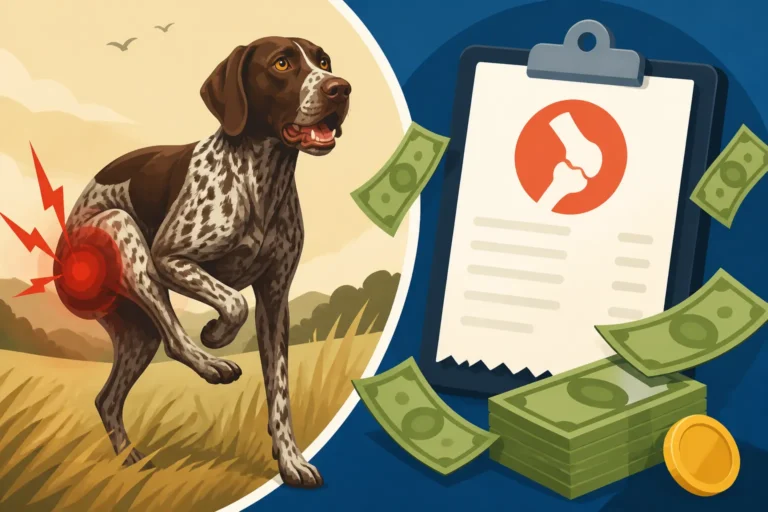
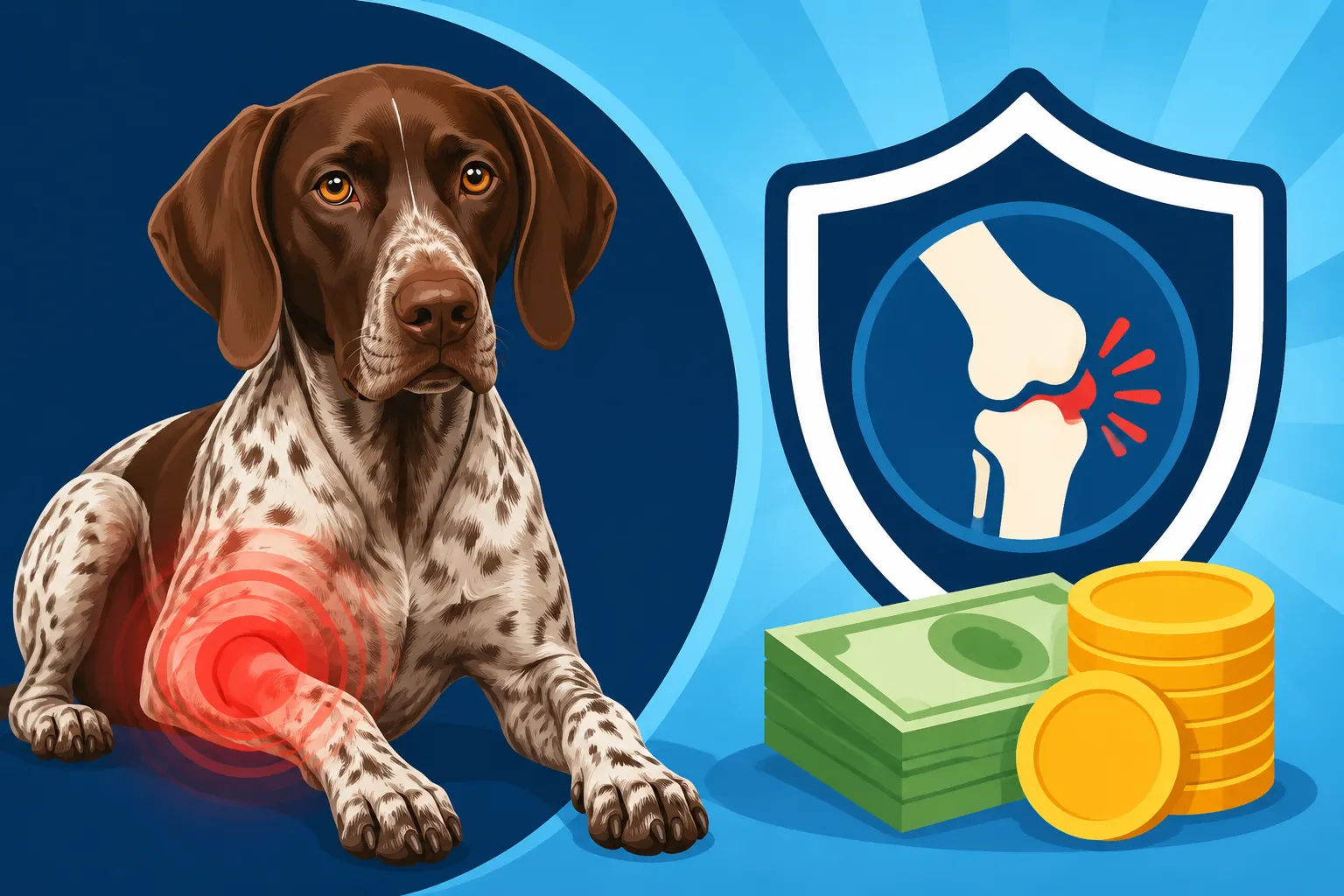
A torn cranial cruciate ligament (CCL), often simply called a "torn cruciate," is one of the most common orthopedic injuries we see in dogs, and German Shorthaired Pointers are, unfortunately, not immune. This ligament is crucial for stabilizing the knee joint (stifle), and when it tears, the joint becomes unstable, leading to pain and lameness. It’s a devastating injury for any dog, but especially for our athletic, high-drive GSPs who live to run, jump, and work.
Why GSPs Are Prone to Cruciate Tears
It’s incredibly frustrating when your dog, bred for athleticism and endurance, suffers an injury that sidelines them completely. German Shorthaired Pointers are marvels of canine engineering: powerful, agile, and seemingly boundless in their energy. They launch themselves over fallen logs, slam on the brakes to honor a point, and pivot on a dime while retrieving. This very athleticism, however, can put immense strain on their knee joints. The sudden starts, stops, twists, and high-impact landings inherent in their activities – whether it’s field work, agility, or just a spirited game of fetch in the backyard – can push the cruciate ligament beyond its limits.
Beyond the sheer mechanics of their active lifestyle, there can also be a genetic component at play. While not as clearly defined as in some larger breeds like Labradors, some Shorthair lines may have a predisposition to weaker ligaments or conformation that puts more stress on the knees. It’s not about blame, but understanding that even the healthiest, best-conditioned GSP can find themselves facing this injury due to their very nature. It’s a constant worry for those of us who cherish our hard-running companions.
Recognizing the Signs and Getting a Diagnosis
The signs of a torn cruciate can range from subtle to overtly dramatic, and it's easy to miss the early indicators if you're not attuned to your GSP's gait. Initially, you might notice a slight lameness after a particularly strenuous day, a kind of "toe-touching" where they barely put weight on the affected leg. They might seem stiff after resting or be reluctant to jump into the car or onto the couch. As the tear progresses or if it's a sudden, complete rupture, your Shorthair will likely become severely lame, holding the leg up entirely, or only putting minimal weight on it. This is usually accompanied by obvious pain.
Getting a timely and accurate diagnosis is critical, not just for your dog's comfort, but also for treatment success and insurance purposes. Your veterinarian will perform a physical examination, often looking for a "cranial drawer sign" or a "tibial compression test," which are ways to assess the instability of the knee joint. X-rays are typically taken to rule out other orthopedic issues, like fractures, and to get a clearer picture of the joint's condition. Sometimes, a sedated exam or even an MRI might be recommended for a definitive diagnosis, especially if the tear is partial or if there are other complicating factors. The sooner you get an accurate diagnosis, the sooner you can move towards a treatment plan and understand your financial obligations, which is where insurance can become a true lifesaver.
The Cost of Cruciate Ligament Repair Without Insurance
Let's be brutally honest: without pet insurance, a torn cruciate ligament repair can be one of the most financially draining veterinary emergencies an owner faces. The sticker shock alone can be enough to make your head spin, and it's a huge source of anxiety for many GSP families. This isn't just about the surgery itself; there's a whole cascade of associated costs that can quickly add up, turning an already stressful situation into a monumental financial burden.
Surgical Options and Their Associated Costs
When it comes to fixing a torn cruciate, there isn't a one-size-fits-all solution. The surgical approach chosen depends on several factors, including your dog's size, age, activity level, and the surgeon's preference. For a German Shorthaired Pointer, given their athleticism and medium-to-large size, the more advanced, stability-focused surgeries are often recommended to ensure a full return to function.
The three most common surgical techniques are:
- Tibial Plateau Leveling Osteotomy (TPLO): This is often considered the gold standard, especially for active, larger dogs like GSPs. It involves cutting the tibia and rotating it to change the angle of the tibial plateau, effectively neutralizing the forces that cause instability. It's a complex procedure, typically performed by a board-certified veterinary surgeon. Due to its complexity, specialized equipment, and extended recovery, TPLO is generally the most expensive option.
- Tibial Tuberosity Advancement (TTA): Similar to TPLO in its goal, TTA also alters the biomechanics of the knee. It involves advancing the tibial tuberosity forward to achieve stability. Like TPLO, it's a highly effective and intricate surgery, making it a significant investment.
- Lateral Suture (Extracapsular Repair): This is a less invasive and generally less expensive option, often recommended for smaller, less active dogs, or sometimes for older, less strenuous GSPs. It involves placing a strong suture outside the joint to mimic the function of the torn ligament. While effective, it may not provide the same long-term stability for a high-energy German Shorthaired Pointer as a TPLO or TTA, especially if they are expected to return to demanding field work.
The cost for these surgeries can vary dramatically based on your geographic location, the veterinary clinic's pricing, and whether you opt for a general practitioner who performs orthopedic surgeries or a specialist. For a TPLO or TTA, you could be looking at a substantial bill that includes not just the surgeon's fee, but also anesthesia, pre-surgical bloodwork, imaging (X-rays), post-operative pain management, and a few nights of hospitalization. This alone can be overwhelming, and it's just the start.
Beyond the Surgery: Hidden Costs of Recovery
Once the surgery is done, many owners breathe a sigh of relief, thinking the hardest part is over. But the recovery period for a torn cruciate is long, demanding, and comes with its own set of significant expenses that often catch people by surprise. You're not just paying for the initial procedure; you're investing in a comprehensive rehabilitation journey to get your GSP back on all fours safely.
Consider these additional costs:
- Medications: Your GSP will need a cocktail of medications post-surgery. This typically includes pain relievers, anti-inflammatory drugs, and sometimes antibiotics. These prescriptions can run for weeks, or even months, gradually tapering off as your dog heals.
- Physical Rehabilitation (PT): This is perhaps the most critical, yet often underestimated, part of recovery, especially for an athletic breed. Structured physical therapy is essential to rebuild muscle mass, improve range of motion, and prevent scar tissue from stiffening the joint. PT sessions, which might include hydrotherapy (underwater treadmill), therapeutic exercises, massage, and laser therapy, are usually weekly or bi-weekly for several months. Each session can be an additional fee, and the cumulative cost can rival that of the surgery itself. Skipping PT can compromise the surgical outcome and put your dog at risk of re-injury or developing arthritis.
- Follow-up Veterinary Visits and X-rays: Your GSP will need several follow-up appointments with the surgeon to monitor healing, check incision sites, and eventually take repeat X-rays to ensure proper bone fusion and alignment. These visits, along with the associated imaging fees, are a necessary part of ensuring a successful recovery.
- Specialized Equipment: You might need items like a special recovery harness or sling to assist your dog, particularly during the first few weeks when they need help moving around. Non-slip rugs are crucial to prevent falls, and you might consider dog ramps to help them get into cars or onto furniture safely, reducing strain on the healing leg.
- Joint Supplements: Many vets recommend starting or continuing joint supplements like glucosamine and chondroitin after cruciate surgery to support joint health and potentially slow the progression of arthritis in the affected knee and the other knee (as many dogs will eventually tear the other cruciate). Brands like Chewy often carry a wide range of these supplements, but it's an ongoing expense. Similarly, a high-quality diet, perhaps from a brand like Ollie, focused on lean protein and joint-supporting nutrients can be beneficial for long-term health and weight management.
When you add all these "hidden" costs to the surgical bill, it becomes clear why pet insurance is such a vital consideration for German Shorthaired Pointer owners. The thought of paying for all of this out of pocket, especially when an emergency hits unexpectedly, is enough to keep anyone up at night.
How Pet Insurance Steps In for Cruciate Ligament Injuries
This is where pet insurance can truly shine, transforming a potentially ruinous financial blow into a manageable expense. For GSP owners, whose dogs are predisposed to high-impact injuries like torn cruciates, understanding how insurance works is paramount. It’s not a magic bullet that makes costs disappear, but it can provide an invaluable safety net.
Understanding Your Policy: Deductibles, Reimbursement, and Caps
Navigating the intricacies of a pet insurance policy can feel like reading hieroglyphics, but understanding a few key terms is crucial to predicting your out-of-pocket costs for a cruciate repair.
- Deductible: This is the amount you pay first, out of pocket, before your insurance company starts to reimburse you. Most policies offer a range of deductibles, from a few hundred dollars to over a thousand. A lower deductible means higher monthly premiums, and vice-versa. For a major event like a cruciate tear, you'll likely meet your deductible with the initial diagnostic tests and surgery.
- Reimbursement Percentage: After your deductible is met, this is the percentage of eligible veterinary expenses that the insurance company will pay back to you. Common reimbursement levels are 70%, 80%, or 90%. So, if your bill is $5,000 and your reimbursement is 80%, after your deductible is met, the insurer would pay $4,000, leaving you responsible for $1,000 (plus the deductible).
- Annual or Per-Incident Caps: Many policies have a maximum amount they will pay out in a year (annual cap) or for a specific condition over the dog's lifetime (per-incident cap). For a torn cruciate, especially if it affects both knees over time, an annual cap can be a concern. Some policies, like those offered by Healthy Paws, are known for not having per-incident or lifetime caps, which can be a huge relief for chronic conditions or severe injuries. Always check if a specific policy has a cap on orthopedic issues, or if it applies to both knees if your GSP were to tear the other cruciate later on.
It’s easy to get caught up in comparing just the monthly premiums, but those numbers are meaningless without also considering the deductible, reimbursement percentage, and any caps. These figures, when combined, truly dictate what you’ll pay when an expensive injury strikes. It's often the smaller print that makes the biggest difference to your wallet.
Pre-Existing Conditions and Waiting Periods
This is probably one of the biggest points of frustration and misunderstanding for pet owners, and it's absolutely critical for cruciate injuries. Almost all pet insurance policies have strict rules regarding pre-existing conditions and waiting periods.
- Pre-Existing Conditions: A pre-existing condition is generally defined as any illness or injury that your pet had before their coverage started or during a waiting period. The crucial detail here is that any condition diagnosed or that showed symptoms before you enrolled or before the waiting period expired will likely be excluded from coverage. This is incredibly important for cruciate tears. If your GSP starts limping and then you buy insurance, that limp is a pre-existing condition, and the subsequent cruciate tear surgery will not be covered. This is why enrolling a young, healthy puppy is always recommended.
- Waiting Periods: These are specific time frames, usually ranging from a few days to several weeks or even months, that must pass after you enroll before certain conditions are covered. For accidents, the waiting period might be as short as 2-3 days. However, for orthopedic conditions, especially ligament issues like cruciate tears, the waiting periods are often much longer, commonly 6 months or even a year. This extended waiting period for orthopedic problems is precisely because cruciate tears are so common and expensive. If your GSP tears a cruciate during this waiting period, it will be considered pre-existing and won't be covered. This stipulation is a major reason why many people wish they had enrolled their GSP earlier.
This means you can’t wait until your GSP shows the first sign of a wobble to get insurance for a cruciate tear. To have coverage, you need to be proactive and enroll them while they are healthy and free of any symptoms.
Comparing Coverage: What Different Plans Offer
Not all pet insurance plans are created equal, especially when it comes to covering the robust (and sometimes reckless!) lifestyle of a German Shorthaired Pointer. You'll generally find two main types of plans:
- Accident-Only Plans: These are typically the most affordable plans, covering injuries resulting from accidents (like a torn cruciate, broken bones, or poison ingestion). They do not cover illnesses, chronic conditions, or routine care. For a GSP, an accident-only plan could cover a sudden cruciate tear, but it wouldn't cover things like arthritis developing later or other medical conditions.
- Accident & Illness Plans (Comprehensive): These plans offer much broader coverage, including accidents, illnesses (like allergies, cancer, ear infections), chronic conditions, and sometimes even hereditary conditions. This is often the preferred choice for GSP owners, as it provides a safety net for everything from a torn cruciate to a sudden bout of bloat (a serious risk for Shorthairs) or the unfortunately common skin disease that hits a German Shorthaired Pointer before one.
Within these categories, policies vary widely in what they specifically cover for orthopedic issues. Some might have lower caps for cruciate repairs or require specific diagnostics (like MRI) that need prior approval. Others might include rehabilitation therapy as part of their standard coverage, which is invaluable for GSPs.
Here's a simplified comparison of what you might look for across different pet insurance options for an active dog:
| Feature | Basic Accident-Only Plan | Standard Accident & Illness Plan | Premium Accident & Illness Plan |
|---|---|---|---|
| Monthly Premium | Lower | Moderate | Higher |
| Deductible | Higher options | Moderate options | Lower options |
| Reimbursement | Often 70-80% | 70-90% | 80-90% |
| Cruciate Tear Coverage | Yes (accident) | Yes (accident/illness) | Yes (accident/illness) |
| Orthopedic Waiting Period | Varies (often 6-12 months) | Varies (often 6-12 months) | Varies (often 6-12 months) |
| Physical Therapy Coverage | No or Limited | Sometimes included | Usually included |
| Annual/Lifetime Max Payout | Lower caps | Moderate to High caps | High or Unlimited caps (e.g., Healthy Paws) |
| Routine/Wellness Coverage | No | Optional Add-on | Optional Add-on |
When you're comparing plans, think about your GSP's specific risks. Are they a working dog in tough terrain? Do they compete in high-impact sports? These factors should influence your choice. For instance, Healthy Paws is often praised for its comprehensive coverage for accidents and illnesses, including hereditary and chronic conditions, with no caps, making it a popular choice for owners of active breeds. Other providers might offer different benefits, like direct payment to vets (reducing your upfront cost), or specific wellness packages. It’s about finding the balance between premium cost and the peace of mind knowing your Shorthair is covered for the demanding life they lead.
Navigating the Claims Process and Maximizing Your Reimbursement
So, your GSP has had surgery, and you’re starting the long road to recovery. Now comes the paperwork, which can feel daunting when your focus is rightly on your dog. A smooth claims process can make a huge difference in getting reimbursed efficiently and reducing financial stress.
Filing Your Claim: Tips for a Smooth Experience
Once the immediate crisis of surgery has passed, you'll need to gather your documents and submit your claim. While each insurance provider has its own specific procedures, there are universal tips to ensure a hassle-free experience:
- Understand Your Provider's Process: Before anything happens, familiarize yourself with how your specific insurer wants claims submitted. Do they have an online portal, an app, or do you mail in forms? What information do they require from your vet? Knowing this upfront, rather than scrambling when an emergency hits, will save you a lot of stress.
- Keep Meticulous Records: This cannot be stressed enough. Save every invoice, every receipt, and every vet report. This includes initial consultations, diagnostic tests (X-rays, bloodwork), the surgical invoice (itemized!), all medications, and every single physical therapy session. Organize them chronologically.
- Communicate with Your Vet: Your veterinary team is your partner in this. Many insurance companies require the vet to fill out a portion of the claim form or provide detailed medical notes. Ensure your vet knows you have insurance and ask them to be thorough in their documentation, clearly stating the diagnosis, treatment plan, and all services rendered. Some clinics are experienced with specific insurance providers and can help streamline the process.
- Submit Timely: Don't delay. Most policies have a timeframe within which claims must be submitted (e.g., within 90 days of treatment). Submitting promptly helps ensure you receive your reimbursement faster and avoids any issues with missed deadlines. Use your provider's online portal or app if available, as it often provides real-time tracking of your claim.
Brands like Healthy Paws often have streamlined online claim submissions, allowing you to upload photos of your invoices directly from your phone. This kind of efficiency can be a huge relief when you're already juggling post-op care.
What to Do if a Claim is Denied or Questioned
It's disheartening when you're expecting reimbursement, only to receive a denial or a request for more information. Don't panic, but also don't immediately give up. There are steps you can take:
- Read the Denial Letter Carefully: The letter should clearly state why the claim was denied. Is it due to a pre-existing condition, a waiting period, an exclusion in your policy, or insufficient documentation? Understanding the reason is the first step to addressing it.
- Review Your Policy Documents: Double-check your policy terms and conditions. Did you miss a specific exclusion? Was there an annual cap you weren't aware of? Compare the denial reason against what you understood your policy to cover.
- Contact Your Insurance Provider: Call their customer service. Be polite but firm. Ask for clarification on the denial. Sometimes, it's a simple matter of needing more information from your vet or a clerical error. Be prepared to provide specific dates, details of treatment, and a copy of your policy. If the reason is a pre-existing condition, ask what evidence they relied on.
- Work with Your Veterinarian: If the denial is based on medical records (e.g., suggesting a condition was pre-existing when it wasn't, or incomplete documentation), ask your vet to provide additional notes or clarify the timeline of symptoms and diagnosis. They may be able to write a letter or submit more detailed reports to support your case.
- Consider an Appeal: Most insurance companies have an appeal process. If you believe the denial is incorrect and you have supporting evidence (like clearer vet notes or proof that symptoms appeared after the waiting period), formally appeal the decision. Be persistent; sometimes, it takes a bit of back and forth, but advocating for your dog is worth it.
It's incredibly frustrating to deal with these hurdles, especially when you're already managing a recovering GSP. But by being organized, understanding your policy, and communicating effectively with both your vet and your insurer, you significantly improve your chances of a successful reimbursement.
Choosing the Right Insurance Provider for Your Active GSP
Selecting pet insurance isn't a decision to take lightly, especially for a German Shorthaired Pointer who lives a full, active life. The right policy can mean the difference between financial ruin and manageable expense when an injury like a torn cruciate strikes. It’s about finding a provider that truly understands the needs of an athletic, often injury-prone, breed.
Key Factors to Consider When Selecting a Policy
When you’re sifting through various pet insurance options, keep these crucial points in mind, specifically with your high-octane German Shorthaired Pointer in mind:
- Reputation and Customer Service: This is huge. When you're dealing with a stressful emergency like a torn cruciate, you want an insurance company that is responsive, empathetic, and easy to work with. Look for reviews from other pet owners, particularly those with active breeds, and check their ratings with consumer advocacy groups. A company like Healthy Paws, for example, often receives high marks for its customer service and quick claim processing, which can be a huge relief.
- Coverage for Orthopedic Issues: This is non-negotiable for a GSP. Confirm that the policy explicitly covers cruciate ligament tears, hip dysplasia (another common GSP concern, as detailed in Hips and the CHIC Panel a German Shorthaired Pointer Needs), and other common joint problems. Pay close attention to any specific caps or exclusions related to these conditions. Some policies might have a lower limit for orthopedic claims or stricter waiting periods.
- Rehabilitation Coverage: For a GSP recovering from a cruciate tear, physical therapy is vital. Does the policy cover hydrotherapy, laser therapy, and other forms of rehabilitation? This can be a substantial ongoing cost post-surgery, so ensure it's included.
- Deductible and Reimbursement Options: As discussed earlier, balance the monthly premium with the deductible and reimbursement percentage. A higher premium might mean a lower deductible and higher reimbursement, saving you more in the long run for a major claim.
- Waiting Periods: Again, pay close attention to the orthopedic waiting period. The shorter, the better, but it's often unavoidable. Enroll your GSP as young as possible to get through this period before any issues arise.
- Annual/Lifetime Limits: Ideally, look for policies with high annual limits or, even better, no annual or lifetime caps, especially if your GSP is prone to issues or develops chronic conditions. An injury like a torn cruciate can easily hit lower caps, leaving you on the hook for subsequent treatments or a tear in the other leg.
Consider the whole picture. It's not just about the lowest premium; it's about the most comprehensive coverage that gives you peace of mind when your GSP inevitably lives life to its fullest, sometimes a little too fully.
Brands That Understand Active Dog Needs
When it comes to insuring an active, driven breed like a German Shorthaired Pointer, some brands stand out for their robust coverage and understanding of the unique risks these dogs face.
- Healthy Paws: This is a name that frequently comes up in conversations among active dog owners. They are renowned for their straightforward, comprehensive accident and illness plans with no annual or lifetime limits on payouts. This is a massive advantage for chronic conditions, repeat injuries, or major surgeries like a cruciate repair, ensuring you don't hit a cap and suddenly find yourself uncovered for ongoing care or even a subsequent tear in the other knee. Their policies typically cover surgeries, rehabilitation, emergency care, and specialist visits. They also have a reputation for excellent customer service and fast claim processing, which is invaluable during a stressful time.
- Other Reputable Providers: Many other excellent pet insurance companies cater to a broad range of needs. When exploring options, compare their specific offerings for orthopedic issues. Some might have benefit schedules (fixed amounts paid for specific procedures), while others offer a percentage-based reimbursement. Always dig into the details to see how they handle conditions like "Torn Cruciates in a Field Bred German Shorthaired Pointer" and related rehabilitation, like "Physical Therapy for a Shorthair After Knee Surgery." Don't hesitate to get quotes from several providers and read their sample policies thoroughly before committing. The goal is to find a policy that aligns with your GSP's lifestyle and your financial comfort level, ensuring that if the worst happens, you're prepared.
Long-Term Management and Prevention of Future Cruciate Issues
Even after a successful surgery and rehabilitation, the journey doesn't end. A torn cruciate is a significant event, and proper long-term management is crucial to minimize the risk of re-injury and support your GSP's overall joint health. For an active breed, this is especially important to ensure they can continue to enjoy their lives without undue pain or instability.
Post-Surgery Rehabilitation and Continued Care
The months following cruciate surgery are critical. Rushing your GSP back to full activity too soon is a recipe for disaster, risking re-injury to the repaired knee or, very commonly, a tear in the other knee due to compensatory strain. It's a cruel irony that once one cruciate goes, the other is at a higher risk. This is why careful rehabilitation and ongoing care are so important.
- Structured Physical Therapy: Don't underestimate the power of professional physical therapy. It's not just for elite athletes; it's a vital part of recovery for any GSP post-cruciate surgery. A certified canine rehabilitation therapist will guide your dog through exercises to rebuild muscle, improve balance, and restore range of motion. This might include controlled leash walks, specific strength-building exercises, massage, and hydrotherapy using an underwater treadmill. The goal is a gradual, progressive return to activity. You might start by "Rehabbing a Shorthair After Cruciate Surgery" with simple movements at home, but professional guidance is often necessary for optimal results.
- Controlled Exercise: Even after formal PT, controlled exercise is key. Avoid sudden, explosive movements, high jumps, or intense games of fetch that involve sharp turns or stops. Focus on long, steady walks, controlled running on soft surfaces, and swimming (which is excellent low-impact exercise). Gradually increase duration and intensity as your vet and therapist advise.
- Weight Management: Keeping your GSP at a lean, healthy weight is perhaps one of the most impactful things you can do for their joints. Every extra pound puts additional stress on the knees. This is particularly important after a cruciate repair, as even a little excess weight can increase the risk of re-injury or a tear in the other knee. A balanced diet, perhaps utilizing premium food from a company like Ollie, tailored to their activity level, is essential.
Proactive Measures to Protect Your GSP's Joints
Prevention is always better than cure, and while you can't eliminate all risk, you can certainly take steps to support your German Shorthaired Pointer's joint health throughout their life.
- Appropriate Exercise Regimen: While GSPs need a lot of exercise, it needs to be appropriate. Avoid over-exercising puppies, as their growth plates are still open and susceptible to damage. Introduce high-impact activities gradually as they mature. Focus on activities that build strength and endurance without excessive stress on joints. You can read more about "Whether Running a Shorthair Puppy Damages Its Joints" to understand the critical timing for rigorous exercise.
- Joint Supplements: Many GSP owners proactively give their dogs joint supplements, even before an injury. Ingredients like glucosamine, chondroitin, and MSM can help support cartilage health and reduce inflammation. Omega-3 fatty acids are also beneficial for overall joint health. You can find a wide array of options at retailers like Chewy. While not a magic bullet, "Joint Supplements for a Hunting German Shorthaired Pointer" can be a valuable part of a preventative strategy.
- Regular Veterinary Check-ups: Consistent vet visits are crucial for monitoring joint health, catching any subtle signs of lameness early, and ensuring your GSP maintains a healthy weight. Your vet can also advise on the best nutrition plan, like "Feeding a German Shorthaired Pointer That Runs All Day," and recommend preventative strategies tailored to your dog's individual needs and activity level.
- Genetic Screening for Breeding Dogs: For breeders, taking precautions like screening breeding dogs for hip and elbow dysplasia, as part of tests for a CHIC number, is crucial to reduce the prevalence of these issues in the breed. While cruciate tears aren't always directly linked to hip dysplasia, strong, healthy joints overall are always the goal.
- Mindful Training: Teach your GSP good body awareness and control during training. Avoid repetitive, high-impact jumping on hard surfaces. Encourage controlled stops and turns rather than sudden, uncontrolled movements.
By being proactive, providing consistent care, and working closely with your veterinarian, you can give your German Shorthaired Pointer the best possible chance at a long, active life, minimizing the risks associated with such a common and debilitating injury.
Disclaimer
This article is for general informational purposes only and does not constitute professional advice. Laws, prices and regulations vary by location and change over time. Consult a qualified professional for guidance on your specific situation.