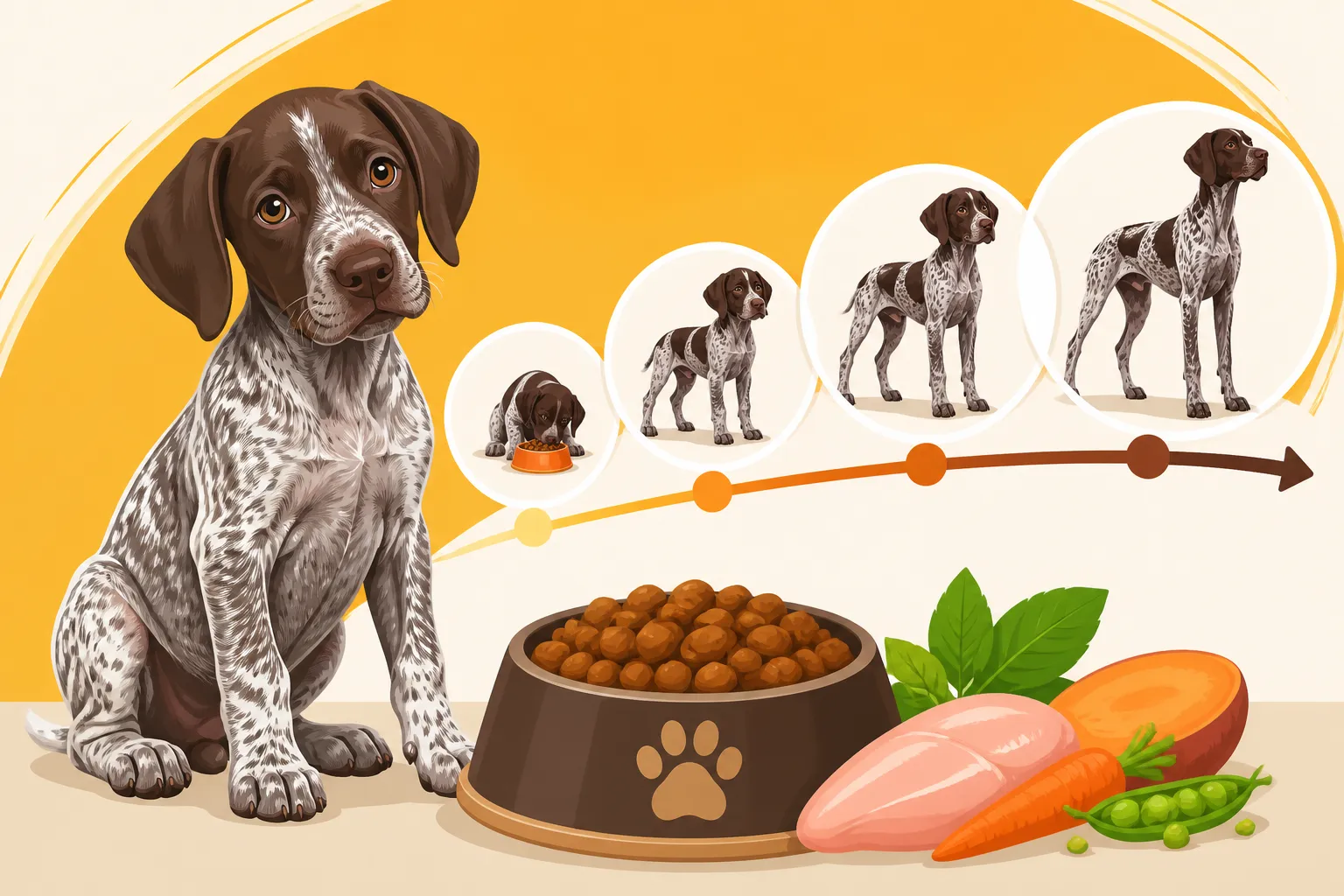
Feeding a Shorthair Puppy Through Its First Year
Bringing home a German Shorthaired Pointer puppy is an absolute joy, but let's be real, it also comes with a mountain of questions, especially when it comes to what, when, and how much to feed your energetic little land shark. Many new GSP owners feel overwhelmed trying to ensure their rapidly growing pup gets the right fuel without overdoing it or missing crucial nutrients. This guide is here to walk you through the entire first year of feeding your German Shorthaired Pointer puppy, from those first few weeks to their transition into adulthood, addressing those nagging worries and setting you up for success.
The Foundations of Fuel: What Your German Shorthaired Pointer Puppy Needs First
That tiny bundle of liver and white, or solid liver, that bounds into your home is a growth machine, and proper nutrition during these early months is absolutely non-negotiable. They aren't just getting bigger; their bones, muscles, immune system, and brain are developing at an incredible rate. Skimping on quality or misunderstanding their needs now can lead to problems down the road that are hard to correct.
Starting Strong: Picking the Right Puppy Food
When you first bring your GSP puppy home, the most straightforward advice is to continue feeding them the same food their breeder was using for at least a week or two. This minimizes stress during an already big transition. If you plan to switch foods, do it gradually after they've settled in. But which food to choose? You'll want a high-quality commercial puppy food, ideally one formulated for large breeds, even though GSPs aren't giant dogs, their rapid growth benefits from the controlled calcium and phosphorus levels found in these formulas. Look for a brand that uses real meat as the first ingredient, and steer clear of excessive fillers or artificial anything. Think about what a working dog needs – protein for muscle, healthy fats for energy and coat condition. Many reputable brands offer formulas specifically tailored for puppies, and sites like Chewy make it easy to compare ingredients and reviews. Remember, your GSP is an athlete in the making, and their diet should reflect that from day one. Puppy Food That Suits a Growing German Shorthaired Pointer offers more insights into making this crucial choice.
The Critical Balance of Growth: Protein, Fat, and Calcium
German Shorthaired Pointers grow quickly, but not too quickly. The goal isn't maximum growth speed, but controlled, steady growth to allow their bones and joints to mature properly. This is where the right balance of nutrients comes in. Puppies need more protein and fat than adult dogs to support their rapid development and boundless energy. Aim for puppy foods with around 25-30% protein and 15-20% fat on a dry matter basis.
However, the big concern for fast-growing large breeds like GSPs is calcium. Too much calcium, especially when paired with an imbalance in phosphorus, can contribute to developmental orthopedic diseases like hip and elbow dysplasia, even if your dog is genetically predisposed. This is why specialized large breed puppy formulas are so important; they regulate these mineral levels. You absolutely do not want to supplement calcium on your own unless specifically instructed by your vet, as it's far easier to cause harm than good. Forget the old advice about adding cottage cheese or extra calcium – modern puppy foods are designed to be complete and balanced. For a deep dive into this topic, read Calcium Levels in a Shorthair Puppy's Diet.
Feeding Schedules and Portion Sizes: Getting It Right From Day One
Consistency is key for a puppy, especially when it comes to meal times. In the early weeks (8-12 weeks), your GSP puppy will likely need three to four meals a day. This helps keep their blood sugar stable and prevents them from getting too hungry, which can lead to gulping food too fast. As they grow, you'll gradually reduce this to three meals, then two, by the time they're around six months old.
Portion sizes aren't static; they'll change as your puppy grows and their activity levels fluctuate. Always start by consulting the feeding guidelines on your chosen puppy food bag. These are usually broken down by age and expected adult weight. However, these are just guidelines. Your puppy's individual metabolism, activity level, and body condition are the ultimate indicators. You should be able to easily feel your GSP's ribs with a light touch, but not see them prominently. If you see ribs sticking out, increase food slightly; if you can't feel them at all, cut back. It's a constant dance of observation and adjustment. How Many Meals a Shorthair Puppy Gets provides further details on establishing a good routine.
| Age Range | Recommended Meals Per Day | Key Nutritional Focus | Common Challenges |
|---|---|---|---|
| 8 – 12 Weeks | 3-4 meals | High protein, controlled calcium for rapid growth | House training, gulping food |
| 3 – 6 Months | 3 meals | Sustained growth, increased energy for play/training | Growth spurts, managing calorie intake |
| 6 – 12 Months | 2-3 meals | Transitioning to adult food, maintaining lean body mass | Adolescent energy, preventing obesity |
| 12 Months + (Adult) | 2 meals | Maintenance, performance for active lifestyle | Adjusting for activity, managing bloat risk |
Navigating Growth Spurts and Changing Appetites
The first year is a whirlwind of change for your German Shorthaired Pointer. They'll go from a rolly-polly pup to a lanky adolescent, seemingly overnight, and then start to fill out into their adult physique. This means their dietary needs are a moving target, requiring your constant attention.
When to Adjust Portions: Reading Your Growing GSP's Body
One of the biggest mistakes owners make is feeding the same amount of food day in and day out, regardless of how their puppy is developing. Your GSP puppy will have growth spurts where they seem to shoot up like a weed, and then periods where they mostly gain muscle and fill out. During a growth spurt, their caloric needs might temporarily jump. Conversely, if they're less active for a few days due to weather or a minor illness, their needs will dip.
The best way to know when to adjust is to regularly assess their body condition. Run your hands over their ribs. You should be able to easily feel the ribs without pressing hard, but they shouldn't be visibly sticking out. Look at them from above – you should see a discernible waist tucking in behind their ribs. If your pup is looking too thin and you've already increased food slightly, consult your vet to rule out any underlying health issues or discuss a more calorie-dense food. If they're getting a bit chunky, it's time to reduce portions or increase appropriate exercise. Keeping a German Shorthaired Pointer lean and hard is important for joint health and overall athleticism. The Body Condition a Field Shorthair Should Carry delves into what a healthy GSP physique looks like.
Puppy Energy vs. Food Intake: The Exercise Equation
German Shorthaired Pointers are synonymous with energy. Even as puppies, they seem to have an endless supply. This incredible energy output burns a lot of calories, which is why they need nutrient-dense food. However, it's a delicate balance. Too much high-impact exercise, especially on growing joints, can be detrimental. You can't just run them ragged to burn off extra weight from overfeeding.
Instead, focus on appropriate, controlled exercise for their age. Short, frequent play sessions, supervised romps in a secure yard, and leash walks are perfect for young pups. As they get older, around 6-9 months, you can gradually introduce longer walks, gentle off-leash exploration in safe areas, and even very short, controlled retrieves. Their food intake should match this controlled energy expenditure. If they're particularly active one day, a little extra might be warranted, but don't overfeed just because they're a "hungry" GSP. Mental stimulation, like puzzle toys or training sessions, also burns energy and helps prevent boredom-related behaviors that can sometimes be mistaken for needing more food. Want to know more about appropriate activity levels? Check out How Much Exercise a Shorthair Puppy Should Get.
Introducing Treats and Supplements Wisely
Treats are an invaluable tool for training your smart and eager-to-please GSP puppy. However, they're also a source of calories and can quickly add up, throwing off their balanced diet. Choose small, low-calorie training treats, and remember that even kibble pieces can serve as effective rewards. Always factor treats into their daily caloric intake – if you're giving a lot of treats, reduce their meal portion slightly.
When it comes to supplements, the general rule of thumb for a healthy puppy on a complete and balanced diet is: less is more. Adding random vitamins or minerals can actually create dangerous imbalances. The only supplements you should consider are those recommended by your veterinarian. For example, some vets might suggest a joint supplement later in their first year, especially if your GSP comes from lines with known orthopedic concerns, or if they're a particularly active field dog. Fish oil, for healthy skin and coat, might also be considered, but again, always consult your vet first. If you're struggling with dental health, look for chews safe for puppies. Chews Safe for a Teething German Shorthaired Pointer offers some guidance.
The Big Transition: Moving from Puppy to Adult Food
Somewhere between 10 and 16 months, your German Shorthaired Pointer will be ready to transition from puppy food to adult formula. This isn't a hard and fast rule set by a calendar date; it's more about their growth plate closure and overall maturity. Making this switch at the right time is important for their continued health and maintaining that athletic physique.
Signs Your Shorthair is Ready for Adult Food
How do you know when your GSP is ready? There are a few key indicators. Physically, they'll have reached most of their adult height and will be starting to "fill out" rather than just growing taller. Their growth plates, which are the soft areas at the ends of long bones responsible for growth, will typically have closed or be nearing closure. Puppy food, with its higher caloric density and mineral levels, can encourage too rapid growth after this point, which isn't ideal for their mature joints.
Behaviorally, they might also start acting more like a young adult, with some of the frantic puppy energy beginning to mellow (though it's still a GSP we're talking about, so "mellow" is relative!). Often, their appetite might seem to stabilize, or even slightly decrease, as their intense growth period wanes. If you're unsure, a quick chat with your veterinarian is always a good idea. They can assess your individual dog's development and advise on the best time for the switch. Generally, for a breed like the GSP, waiting until around 12-16 months is a safe bet.
The Gradual Switch: Avoiding Upset Stomachs
Once you've decided it's time to switch to an adult formula, do it slowly. A sudden change in diet can lead to digestive upset – think diarrhea, vomiting, or a generally unhappy belly. Nobody wants to clean up GSP puppy diarrhea, trust me! The transition should take at least 7-10 days, ideally two weeks, by gradually mixing the new food with the old.
Here's a common schedule:
- Days 1-3: 75% old food, 25% new food
- Days 4-6: 50% old food, 50% new food
- Days 7-9: 25% old food, 75% new food
- Day 10 onwards: 100% new food
Watch your GSP closely during this time for any signs of digestive upset. If you notice soft stools or vomiting, slow down the transition and keep them on the current mix for a few extra days until their system adjusts. If issues persist, consult your vet. They might recommend a probiotic to help. Moving a Shorthair From Puppy Food to Adult offers more specifics on this transition process.
Choosing the Right Adult Formula for an Active Dog
When selecting an adult food, remember that your German Shorthaired Pointer is not just any dog; they are a highly active, athletic breed, even if they're "just" a family pet. Their adult food needs to support that energy level and maintain their lean muscle mass. Look for adult formulas that are still rich in protein from quality meat sources. The fat content might be slightly lower than puppy food, but still adequate to fuel their drive.
Many companies offer "active dog" or "sporting dog" formulas, which can be a good fit. Some owners opt for fresh food options like Ollie, which can provide excellent nutrition tailored to their specific needs. Others might stick with high-quality kibble from brands they trust. Regardless of the type, always ensure the food is formulated to meet the nutritional levels established by the AAFCO Dog Food Nutrient Profiles for maintenance. Pay attention to how your dog looks and feels on the new food – a shiny coat, good energy, firm stools, and a healthy body condition are all signs you've made a good choice.
Common Feeding Challenges and Solutions in the First Year
The first year with a German Shorthaired Pointer puppy is rarely without its quirks. Their intelligence, energy, and sometimes stubborn nature can lead to some common feeding-related challenges. Being prepared for these and knowing how to address them can save you a lot of headache and ensure your pup stays healthy.
Picky Eaters and Food Refusals
"Picky eater" and "German Shorthaired Pointer" aren't usually found in the same sentence, as these dogs tend to be enthusiastic about food. However, sometimes a GSP puppy might suddenly refuse their food, or seem less interested than usual. This can be alarming! First, rule out any health issues. A sudden loss of appetite could indicate illness, so a vet visit is warranted if it persists for more than a meal or two, especially if accompanied by other symptoms.
If health issues are ruled out, consider these possibilities:
- Too many treats: Are you overdoing it with training treats or table scraps? Your pup might be holding out for the good stuff. Cut back drastically.
- Boredom with food: While less common, some dogs can get tired of the same old kibble. Try adding a little warm water, low-sodium broth, or a tablespoon of plain pumpkin puree to their food to entice them.
- Stress or environmental changes: A new routine, a change in household dynamics, or even loud noises can temporarily affect a puppy's appetite.
- Growth phase shift: Sometimes as they transition out of rapid growth, their ravenous hunger might normalize a bit, leading you to perceive them as picky.
Generally, a healthy GSP won't starve themselves. If they skip a meal, pick up the food after 15-20 minutes and offer it again at the next scheduled mealtime. Don't leave food down all day, as this encourages grazing and can make pickiness worse.
Preventing Counter Surfing and Resource Guarding
German Shorthaired Pointers are smart, agile, and have an incredible sense of smell. This combination makes them prime candidates for counter surfing. It might seem cute when they're a small puppy, but a full-grown GSP easily reaches countertops and can steal food, which can be dangerous (think Foods That Upset a German Shorthaired Pointer or choking hazards). Start prevention early:
- Don't leave food unattended: This is the golden rule. No opportunities, no practice.
- Train a "leave it" command: This is a lifesaver for all sorts of situations, including tempting food.
- Manage their environment: Use baby gates or crates to keep them out of the kitchen during meal prep.
Resource guarding, where a dog protects their food, toys, or even space from others, can also develop if not managed. While a GSP isn't typically prone to aggressive resource guarding, it's good practice to teach them that human presence around their food bowl is a positive thing. Gently drop high-value treats into their bowl while they're eating, or periodically exchange their bowl for an even better treat, then give the bowl back. This builds trust and teaches them that a hand near their food means good things happen, rather than something being taken away.
Understanding Bloat Risk and Meal Timing
German Shorthaired Pointers, like many deep-chested breeds, carry a higher risk for Gastric Dilatation-Volvulus (GDV), commonly known as bloat. This is a life-threatening condition where the stomach fills with gas and can twist, cutting off blood supply. While it can't always be prevented, certain feeding practices can help reduce the risk.
The primary recommendation is to feed smaller, more frequent meals rather than one large meal. This is why most GSP owners stick to two meals a day for adults, and often three or even four for puppies. Avoid intense exercise or excessive water intake immediately before or after meals. A good rule of thumb is to wait at least an hour before and after eating before engaging in vigorous activity. Elevated food bowls were once thought to help prevent bloat, but current research does not support this and some studies even suggest it might increase risk. Stick to bowls on the floor.
If your German Shorthaired Pointer shows signs of bloat – such as unproductive retching (trying to vomit but nothing comes up), a distended abdomen, restlessness, or excessive drooling – seek immediate emergency veterinary care. Time is critical with bloat. The Unproductive Retching That Means a Shorthair Is Bloating is essential reading for any GSP owner. Considering pet insurance from providers like Healthy Paws might be a good idea, as emergency bloat surgery can be incredibly expensive, and early intervention is crucial for a positive outcome.
Your GSP's first year of feeding is a journey of careful observation, adjustment, and commitment to providing the very best. By focusing on quality nutrition, appropriate portion control, and mindful management, you'll be laying the groundwork for a healthy, happy, and long life for your remarkable hunting companion.
Disclaimer
This article is for general informational purposes only and does not constitute professional advice. Laws, prices and regulations vary by location and change over time. Consult a qualified professional for guidance on your specific situation.