Treats a German Shorthaired Pointer Trains For
Trying to find the perfect training treats for your German Shorthaired Pointer can feel like a never-ending quest, especially with their boundless energy and sometimes finicky palates. It's a real challenge to keep them motivated while also ensuring they're getting healthy, calorie-appropriate rewards. This guide will help you navigate the world of GSP training treats, highlighting what works best to keep your spirited companion focused, happy, and well-nourished during every training session.
Why the Right Treats Make All the Difference for a GSP
German Shorthaired Pointers are, by nature, incredibly intelligent, energetic, and highly driven dogs. They thrive on activity and mental stimulation, and training is a huge part of fulfilling those needs. But let's be honest, getting and keeping their attention, especially when there are exciting scents or sights around, requires something truly special. The right treat isn't just a reward; it's a powerful motivator, a communication tool, and an essential component of positive reinforcement that helps shape their behavior.
High Energy Demands High-Value Rewards
Your GSP isn't going to be impressed by just any old crumb. These are dogs bred to work hard all day, cover vast amounts of ground, and maintain intense focus. Their high energy levels mean they burn through calories quickly, and they often need rewards that feel substantial and exciting enough to break their concentration on, say, that distant squirrel or the thrilling scent of a pheasant. A low-value treat might work in a quiet living room, but out in the field or at a busy training class, it simply won't cut it. You need something that screams "jackpot!" to them.
Think about it from your GSP's perspective: they're constantly evaluating what's most rewarding in their environment. If a bland biscuit is offered for a perfect retrieve, but a fascinating scent trail could be explored for free, guess which one wins? High-value treats cut through distractions and tell your GSP, unequivocally, that you are the source of the best rewards. This is especially critical when you're working on advanced commands or challenging new environments. The Structure a German Shorthaired Pointer Needs Daily often includes intense training, making treat selection even more crucial.
Nutritional Considerations for an Active Breed
Because GSPs are so active, their dietary needs are different from a more sedentary breed. Every treat you give them adds to their daily caloric intake, and if you're doing frequent training sessions (which, let's face it, with a GSP, you probably are!), those treats can add up fast. It's not just about avoiding obesity; it's about providing treats that offer actual nutritional benefits without causing digestive upset or throwing off their balanced diet. You don't want treats to replace meals, but rather to complement their regular high-quality kibble or fresh food.
This means looking beyond just "tasty" and considering ingredients. Are there fillers? Is it packed with artificial colors or preservatives? A GSP's sensitive stomach, especially one that's working hard, can react poorly to low-quality ingredients, leading to gas, loose stools, or even skin issues. A dog that is constantly itching or having an upset tummy isn't going to be focusing on training. This is where companies like Ollie, which focus on fresh, human-grade ingredients, can be a great resource for not only meals but also healthy, digestible treats. Feeding a German Shorthaired Pointer Around a Hunt highlights the importance of proper nutrition, and treats are a part of that puzzle.
Characteristics of the Best Training Treats for GSPs
Choosing the right treat isn't as simple as grabbing the first bag you see. For a German Shorthaired Pointer, there are several key characteristics that elevate a good treat to a great one for training purposes.
Small Size and Easy to Dispense
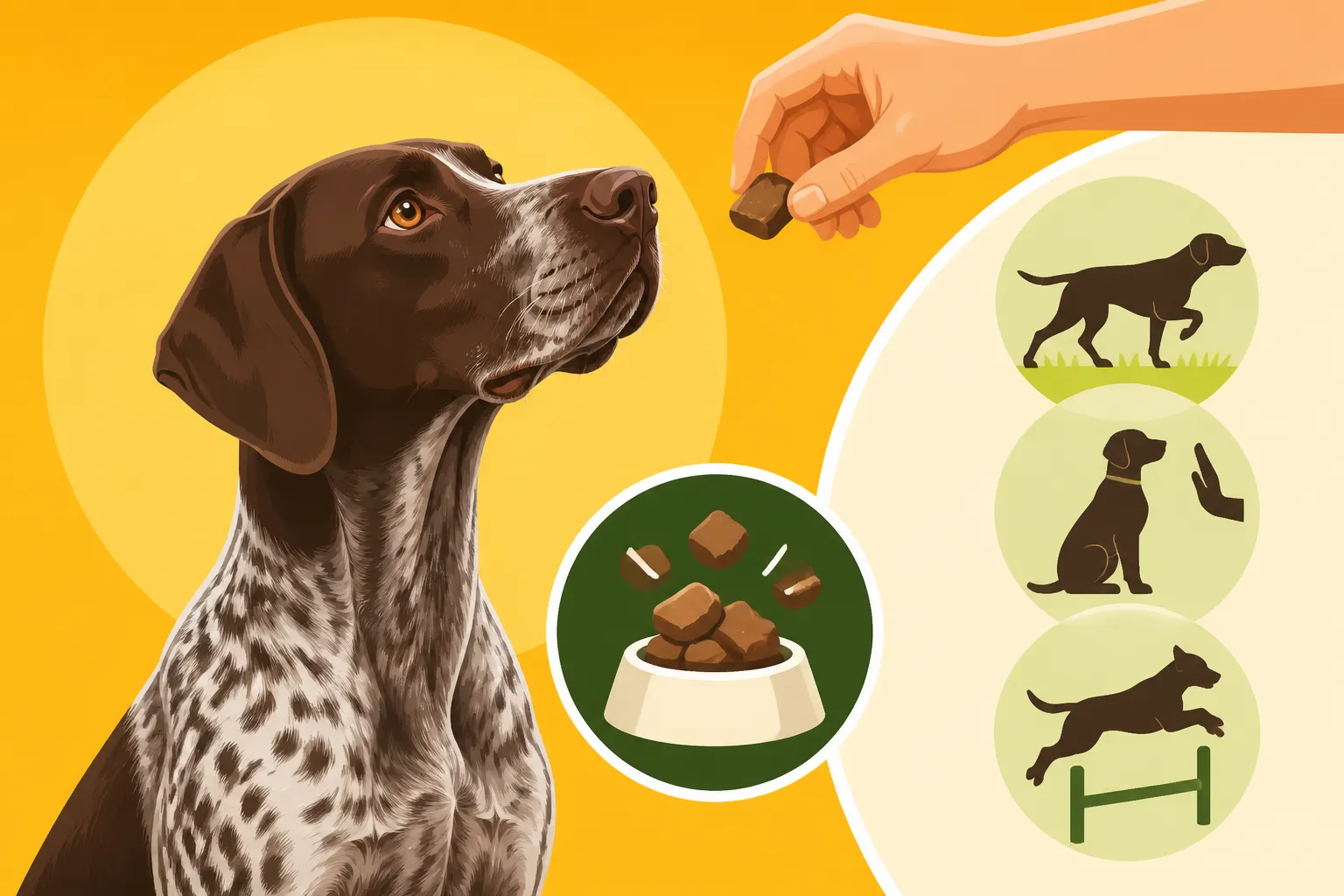
When you're training a GSP, you'll be giving a lot of treats, sometimes multiple times in quick succession. Large treats mean slower delivery, more chewing, and more calories per reward. This breaks the flow of your training session and can quickly lead to an overweight dog. The ideal training treat should be small enough to be swallowed almost instantly, or easily broken into tiny pieces. Think pea-sized or smaller.
This rapid consumption allows you to mark the desired behavior immediately and deliver the reward with minimal interruption. You want your GSP to associate the treat directly with the action, not with a long chewing session that distracts from the lesson. Plus, your hands will thank you! Constantly breaking apart crumbly treats or sticky larger pieces gets messy and tedious. Many commercial training treats are designed with this in mind, but even their regular kibble can often be broken down.
High Palatability and Strong Scent
As mentioned, GSPs need something truly appealing to cut through distractions. High palatability means your dog loves the taste, and a strong scent makes it even more enticing, especially when their powerful nose is already working overtime on other environmental smells. Treats that are slightly moist or have a rich, meaty aroma tend to be much more appealing than dry, bland biscuits.
Imagine trying to teach your GSP "heel" next to a busy road with cars going by. A dry, low-scent cracker just isn't going to compete with the exhaust fumes and intriguing human smells. But a tiny piece of freeze-dried liver? That's a game-changer. The intense smell acts as an immediate draw, grabbing their attention and keeping it focused on you. This strong appeal makes them work harder and more enthusiastically.
Healthy and Low-Calorie Options
Given how many treats you'll dole out during a typical GSP training week, prioritizing health and calorie content is paramount. Look for treats made with wholesome, recognizable ingredients. Single-ingredient treats, like freeze-dried meats or small pieces of cooked chicken, are often ideal. Avoid anything with artificial colors, flavors, or a long list of unpronounceable ingredients.
Many commercial treats are designed to be low in calories specifically for training, allowing you to reward frequently without overfeeding. When shopping online at places like Chewy, you can often filter for these types of treats, or look at the nutritional panel to ensure they're a wise choice. Remember, moderation is key, even with healthy treats. These additions to their diet should support their overall well-being, not detract from it. The Daily Ration a Working Shorthair Actually Eats outlines their general food needs, and treats must fit within that caloric budget.
Popular and Recommended Treat Types
Now that we know what makes a great treat, let's explore some specific types that tend to be winners for German Shorthaired Pointers and how to best utilize them.
Commercial Training Treats
The market is flooded with commercial training treats, and many brands do an excellent job of creating products tailored for this purpose. These typically come in small, soft, and palatable forms, often with meaty flavors that GSPs adore. They're convenient, easy to carry, and generally shelf-stable, making them a go-to for many owners.
When choosing commercial treats, always read the ingredient list carefully. Look for options where meat is the first ingredient, and avoid excessive fillers, by-products, or artificial additives. Brands like Zuke's Mini Naturals, Wellness Soft Puppy Bites, or Blue Buffalo Blue Bits are often well-received by GSP owners. Their small size means you can give many rewards without overfeeding, and their soft texture means quick consumption. Don't forget that if your GSP has any health issues, getting them on a quality pet insurance plan like those offered by Healthy Paws can help cover the costs of vet visits for dietary sensitivities if they arise.
Freeze-Dried Meats
These are often considered the "gold standard" for high-value training treats, especially for active breeds like GSPs. Freeze-dried chicken, liver, salmon, or beef lung are incredibly palatable, intensely aromatic, and usually made from a single ingredient, making them highly digestible and natural. They are lightweight, easy to break into smaller pieces, and don't leave a greasy residue in your treat pouch.
The concentrated flavor and scent of freeze-dried meats make them exceptionally motivating, perfect for working through tough distractions or for rewarding breakthrough moments in training. Because they are so rich, you often only need a tiny crumb to make an impact, further helping with calorie control. You can find a wide variety of these high-quality options on platforms like Chewy, often in bulk sizes which can be more economical if you train frequently.
Small Pieces of Cooked Meat or Cheese
Sometimes, the best treats are simple, human-grade items from your own kitchen. Small pieces of cooked, unseasoned chicken breast, turkey, beef, or even hot dogs can be incredibly effective. For some GSPs, a tiny cube of mild cheese can also be a super high-value reward. The key here is small pieces – think pinky-fingernail size or smaller – to prevent overfeeding and ensure quick consumption.
These options offer maximum palatability and scent, making them excellent for particularly challenging training scenarios or for dogs that are easily distracted. However, they do require preparation, can be a bit messier to handle, and may not be shelf-stable for long training outings. Always ensure any human food given as a treat is safe for dogs and free of onions, garlic, excessive salt, or other harmful ingredients. If you're using a fresh food service like Ollie for your GSP's meals, you might even find that their protein recipes can be cut into small pieces and used as incredibly high-value, healthy training treats.
Your Dog's Regular Kibble
Don't underestimate the power of your GSP's regular kibble, especially if they really love their food! For basic obedience, daily practice, or for a GSP puppy just learning the ropes, individual pieces of their own kibble can be a perfectly acceptable and healthy training treat. This is especially useful for managing calorie intake, as it's already factored into their daily diet. How Long House Training Takes on a Shorthair Puppy often involves a lot of small rewards, making kibble a smart choice.
Kibble might not be high-value enough for major distractions, but for frequent repetition in a low-distraction environment, it's fantastic. You can even mix a few high-value treats in with a larger portion of kibble in your treat pouch to keep your GSP guessing and working for those occasional "jackpot" rewards. This helps maintain enthusiasm without relying solely on richer, more caloric options.
Tips for Smart Treat Usage in Training
Having the right treats is only half the battle; knowing how to use them effectively is where the real magic happens. Mastering treat delivery and timing will greatly enhance your GSP's training progress.
Timing and Delivery are Everything
The effectiveness of a treat hinges on its timing. You want to deliver the treat within 1-3 seconds of your GSP performing the desired behavior. This immediate association helps them understand exactly what they're being rewarded for. If you wait too long, they might associate the treat with whatever they were doing after the correct behavior, leading to confusion.
Practice quick delivery. Keep treats readily accessible in a treat pouch on your hip, so you don't have to fumble around. Use a verbal marker like "yes!" or a clicker the instant your dog performs the action, then follow immediately with the treat. This precise timing builds strong, clear communication between you and your GSP, making training sessions much more productive and enjoyable for both of you.
Varying Treat Value and Rewards
Not every behavior requires a five-star meal. You can (and should) vary the value of your treats based on the difficulty of the task and the level of distraction. For easy, known behaviors in a quiet environment, lower-value treats like kibble or small commercial biscuits are fine. For new commands, in a distracting environment, or for breaking a bad habit, pull out the super high-value stuff like freeze-dried chicken or cooked meat.
This strategy keeps your GSP engaged without burning through your best treats too quickly or causing them to become blase about even the good stuff. It also teaches them that sometimes, the reward is just a simple "good dog" and a pat, which is important for fading out constant food rewards as they master commands. Remember to keep variety in the types of treats too; just like us, GSPs can get bored with the same old thing. What a German Shorthaired Pointer can still do as they age might require less intense training, but treat variety can still keep them sharp.
Moderation and Calorie Management
This is crucial for a breed prone to being lean and hard, but still susceptible to weight gain if overfed. All those delicious training treats add up! If you're doing a lot of training with high-value treats, remember to adjust your GSP's regular meal portions accordingly. A good rule of thumb is that treats should make up no more than 10% of their daily caloric intake.
Consider the calorie count of your chosen treats. Many commercial training treats are specifically formulated to be low-calorie per piece. If using human foods, be mindful of their density. Weighing your GSP regularly, especially during intense training periods, can help you keep track of their body condition. You want to see their ribs slightly, but not prominently, and maintain a noticeable tuck-up at their waist. If you're worried about managing weight or any other health concerns, having pet insurance like Healthy Paws can provide peace of mind for unexpected vet bills.
When to Phase Out Treats (and When Not To)
The goal of training isn't for your GSP to only respond when food is present. You want them to perform commands reliably based on your cues and their desire to please. This means gradually phasing out constant food rewards. Start by rewarding intermittently for known commands – sometimes they get a treat, sometimes just praise. As they become more consistent, you can ask for multiple repetitions before a reward, or vary the type and value of the treat.
However, never completely eliminate treats, especially for certain behaviors or in new, challenging environments. Treats remain incredibly useful for reinforcing perfect performance, for teaching new, complex tasks, and for maintaining motivation in high-distraction settings. For a GSP, who loves to work and often needs that immediate, tangible feedback, treats will likely remain a part of your training toolkit throughout their life, even if only occasionally. The idea is to have them respond even without food, but to always be open to rewarding excellent work.
Treat Comparison Table for German Shorthaired Pointers
Here's a quick comparison of popular treat types to help you decide what's best for your GSP's training needs.
| Treat Type | Pros | Cons | Best Use Case |
|---|---|---|---|
| Commercial Training Treats | Convenient, low calorie, pre-sized, good scent | Can contain fillers, varying quality | Everyday obedience, reinforcing known commands |
| Freeze-Dried Meats | Single ingredient, high value, strong scent | More expensive, can be crumbly | High-distraction environments, new commands, jackpot rewards |
| Cooked Meats (e.g., Chicken) | Extremely high value, natural, strong scent | Requires preparation, messy, not shelf-stable | Breaking through tough behaviors, critical learning |
| Regular Kibble | Low cost, controls calories, always available | Lower value, less motivating | Frequent repetitions, basic training, puppies |
| Small Cheese Cubes | High value for many dogs, easy to cut | Higher fat/calories, not for all dogs | Occasional high-value reward, variety for motivation |
Disclaimer
This article is for general informational purposes only and does not constitute professional advice. Laws, prices and regulations vary by location and change over time. Consult a qualified professional for guidance on your specific situation.