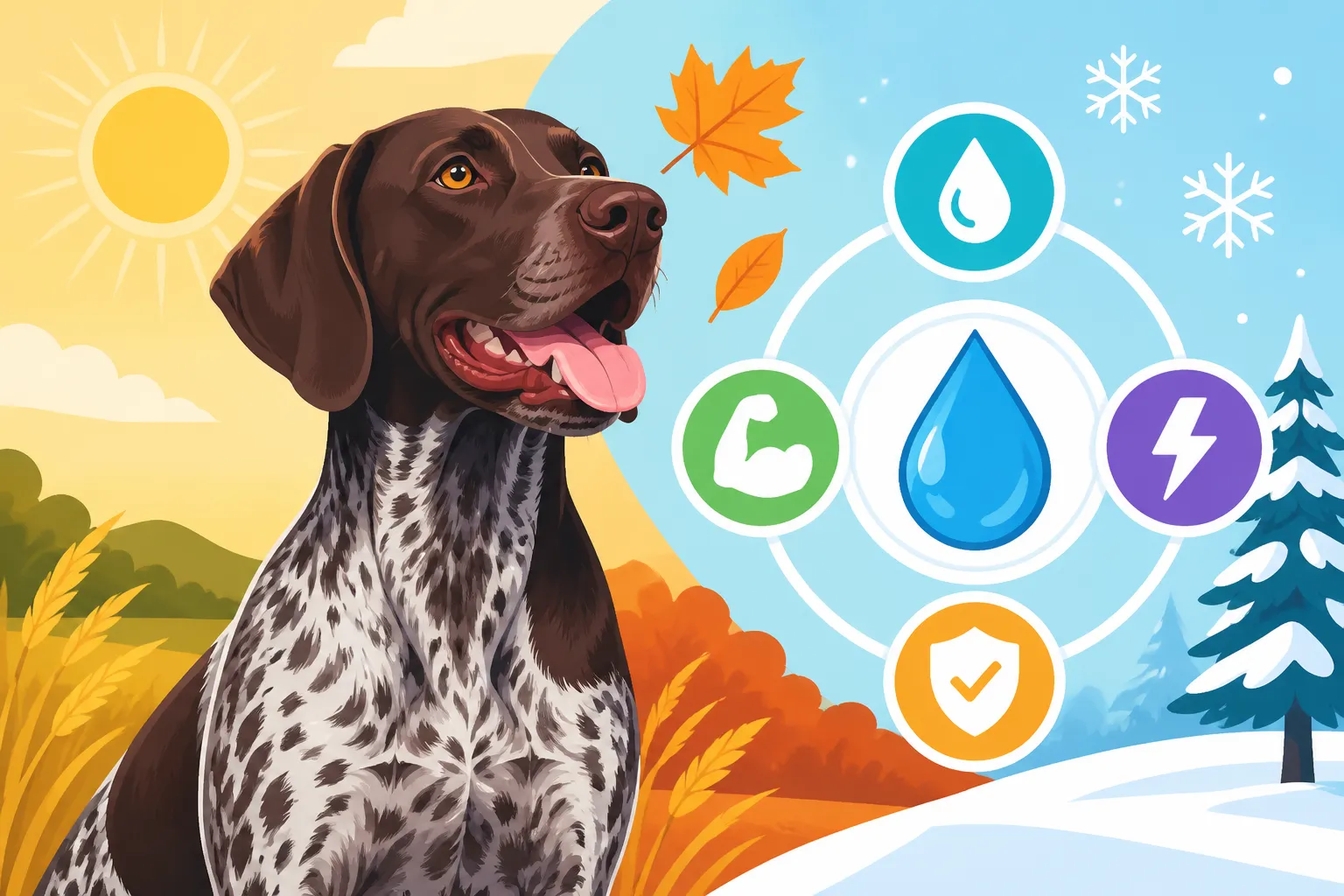
What Electrolytes Add to a Shorthair’s Season
You know that feeling when you've just put in a long day, whether it's on the job site or chasing after kids, and you just feel drained? Not just tired, but deeply, fundamentally depleted? Well, your German Shorthaired Pointer, with their boundless energy and incredible drive, experiences something very similar after a demanding day in the field, even if they'd never show it. This guide is here to shed light on how electrolytes can be a crucial addition to their care, helping them recover faster, perform better, and stay healthier through a strenuous hunting season.
The Relentless Drive of a German Shorthaired Pointer and Why Hydration Matters
Let's be real, a German Shorthaired Pointer isn't just a dog; they're a finely tuned athlete, a four-legged engine built for endurance and speed. Their enthusiasm for work is admirable, but it also means they push their bodies to the limit, often without a second thought for their own fatigue. This relentless drive, while a hallmark of the breed, can also mask underlying physical stress, especially when it comes to hydration and electrolyte balance.
The Intense Demands of a Hunting Season
Imagine your Shorthair quartering through dense cover for hours, pushing through thick brambles, swimming across icy sloughs, and then making a long retrieve. This isn't just a walk in the park. This is high-intensity cardio, endurance training, and weightlifting all rolled into one, often performed in challenging weather conditions, from stifling early season heat to bone-chilling late season cold.
Every pant, every stride, every retrieve your GSP makes causes them to lose fluids. Dogs don't sweat like humans do across their whole body; instead, they primarily cool themselves through panting. This rapid respiration, while effective for cooling, also expels significant amounts of water vapor and, crucially, electrolytes. Couple this with urination and defecation, and you have a recipe for dehydration and depletion of vital minerals. A GSP working a full day in stubble fields under a warm autumn sun isn't just burning calories; they're actively flushing out the very elements their body needs to maintain nerve function, muscle contraction, and overall cellular balance. They'll keep going because that's what they're bred to do, but their internal reserves can be running on fumes.
Beyond Just Water: The Role of Electrolytes
So, you're a responsible owner, you're always carrying water, and you offer it frequently. That's fantastic, and it's the absolute baseline of good care. But here's the thing many owners discover: you pour water down them at every break, but sometimes, they still seem drained, lacking that typical GSP sparkle, or just not bouncing back as quickly as you'd expect. This is where electrolytes come into play.
Electrolytes are essentially salts—minerals like sodium, potassium, chloride, magnesium, and calcium—that carry an electrical charge when dissolved in water. They are absolutely essential for countless bodily functions in your GSP, just as they are in humans. They regulate nerve and muscle function, hydrate the body, balance blood acidity and pressure, and help rebuild damaged tissue. When your dog pants heavily, urinates more frequently due to increased water intake, or exerts itself strenuously, these electrolytes are lost. Plain water replaces the volume of fluid, but it doesn't replenish these critical minerals. In fact, drinking excessive amounts of plain water without replenishing electrolytes can sometimes even dilute the remaining electrolytes in the body, exacerbating the problem. Think of it like trying to run your car on just fuel, without any oil or brake fluid—it might go, but not for long and not safely. For a hard-working GSP, especially during peak The Season a Shorthair Starts Hunting Shorter Days, understanding this distinction is vital.
Recognizing the Signs of Electrolyte Imbalance and Dehydration
The challenge with German Shorthaired Pointers is their incredible pain tolerance and work ethic. They are often reluctant to show weakness, pushing through discomfort long after another breed might have quit. This makes it particularly tricky to spot the early signs of electrolyte imbalance and dehydration, as your dog's instinct might be to just keep going.
Subtle Clues a Hunting Shorthair Gives You
It's those subtle cues that you, as their handler and best friend, need to learn to recognize. These aren't always glaring emergencies, but rather quiet whispers from their body saying, "I'm struggling." You might notice a slight decrease in their usual boundless energy, perhaps a less enthusiastic retrieve, or a slower pace when quartering. Their eyes might seem a little less bright, or their gums, instead of being wet and glistening, might feel a bit tacky to the touch. You might also notice they aren't finishing their food with their usual gusto, or they seem more interested in just lying down during a break rather than exploring.
Consider this scenario: You've been out all morning, and after a particularly long retrieve through heavy marsh grass, your GSP returns with the bird, but then instead of immediately looking for the next command, they stand for a moment, head down, taking longer to shake off the water. Later, when you offer water, they drink a lot, but still seem a bit listless. This isn't necessarily a dire emergency, but it's a sign that their system is under stress. They might have replaced the lost water, but their electrolyte levels are likely lagging, making recovery slower and performance for the rest of the day potentially compromised. Missing these early signals can lead to bigger problems down the line, especially for a dog that consistently pushes itself.
The Dangers of Severe Dehydration and Electrolyte Depletion
If those subtle clues are missed, or if the conditions are particularly harsh, severe dehydration and electrolyte depletion can quickly escalate into a serious health crisis. This is where your GSP moves from "just isn't quite right" to visibly unwell. More severe symptoms include a wobbly or uncoordinated gait, profound weakness, muscle tremors or cramps (though these can be hard to spot under a short coat), confusion, or even collapse. Their eyes might appear sunken, and their skin might lose its elasticity—if you gently pinch the skin on their neck or back, it will tent up and return to normal very slowly, rather than snapping back quickly.
The most critical danger of severe electrolyte imbalance combined with dehydration is the risk of heat exhaustion, which can rapidly progress to life-threatening heat stroke. When the body can't regulate its temperature effectively due to fluid and electrolyte loss, its core temperature can skyrocket. This can lead to organ damage, kidney failure, and even death. We've talked about Heat Exhaustion in an Early Season Shorthair before, and it's a truly terrifying experience for any owner. In these severe cases, regular water simply isn't enough; the body desperately needs those crucial salts to restore balance and absorb fluids properly at a cellular level. Rapid veterinary intervention, often involving intravenous fluids with electrolytes, is essential. This is precisely why having a robust hydration strategy, including electrolytes, is not just about performance, but about safety and well-being.
When and How to Effectively Use Electrolytes for Your GSP
Incorporating electrolytes into your German Shorthaired Pointer's routine isn't about giving them a "performance enhancer" in the way a human athlete might think. It's about replenishing what their body naturally loses during intense activity, ensuring they can maintain peak health and recover efficiently. It's a foundational aspect of supporting their high-octane lifestyle.
Pre-Season Conditioning and Maintenance
Proactive use of electrolytes can make a world of difference. Don't wait until your GSP is showing signs of being run down; start incorporating them during your pre-season conditioning. As you build up their stamina and muscle, their body will be adapting to increased exertion, and supporting their hydration and mineral balance during this phase is key. This could mean adding a small amount of electrolyte supplement to their water bowl on particularly strenuous training days, or after long runs or swims. If you're traveling a long distance to a hunt, especially across different climates, offering electrolytes during travel can help mitigate stress and keep them well-hydrated for the work ahead.
Think about it like this: you wouldn't expect your GSP to perform at its best without proper physical conditioning. We've discussed Conditioning a Shorthair Before Opening Day in depth, and just as important as the physical prep is the nutritional and hydration prep. Many quality pet food suppliers, like Chewy, offer a variety of electrolyte powders and liquids designed for active dogs. Some owners even mix small amounts into their dog's regular food, particularly if they're using fresh food options like Ollie, to ensure consistent intake.
During and Post-Hunt Strategies
This is often where electrolytes shine brightest. During a long hunting day, offering electrolytes during breaks can help prevent depletion. Instead of just plain water, mix an electrolyte solution into some of their water rations. This is especially critical during the middle of the day when they've already put in several hours of work, or after an exceptionally demanding retrieve, like a multi-bird blind retrieve from cold water. Cold Water Tail in a German Shorthaired Pointer isn't just about discomfort; it represents a huge metabolic demand.
At the end of a hard day, when your GSP is resting in the truck or back at camp, an electrolyte drink can dramatically aid recovery. It helps their body rehydrate more effectively and replenish the lost minerals needed for muscle repair and energy restoration. Many dogs will eagerly lap up an electrolyte solution, especially if it has a palatable flavor. Always ensure they also have access to plain water, as some dogs might prefer that, or drink the electrolyte solution and then seek more plain water afterward. The goal is to make it easy and appealing for them to get those vital minerals back into their system. It's an investment in their continued health and ability to bounce back for the next day's hunt. When considering Watering a German Shorthaired Pointer Through a Long Day, electrolytes add another layer of support.
Choosing the Right Electrolyte Supplement
Navigating the world of dog supplements can feel overwhelming, but when it comes to electrolytes, focus on transparency and quality ingredients. You'll find them in various forms: powders to mix with water, concentrated liquids, or even gels.
Here's what to look for:
- Balanced Electrolytes: Ensure it contains a good balance of sodium, potassium, chloride, calcium, and magnesium. These work in concert, so an imbalance in one can affect the others.
- Minimal Sugars: While some dextrose or glucose can aid absorption, avoid products with excessive added sugars or artificial sweeteners. A small amount can be helpful, but too much can cause stomach upset.
- Added Nutrients: Many good formulas include B vitamins (for energy metabolism), antioxidants (to combat oxidative stress from exertion), and sometimes amino acids (for muscle recovery).
- Natural Flavoring: Palatability is key. Many are beef or chicken flavored, which dogs usually find appealing.
Things to generally avoid:
- Human Sports Drinks: While they contain electrolytes, the balance and other ingredients (like artificial sweeteners or excessive caffeine) are not formulated for canine physiology and can be harmful.
- Excessive Artificial Ingredients: Stick to cleaner labels.
- Unproven Claims: Be wary of products that promise miraculous energy boosts rather than focusing on replenishment and recovery.
Reputable brands and pet supply stores like Chewy offer a wide selection of canine-specific electrolyte supplements. Always read the labels carefully for dosage instructions based on your dog's weight and activity level. If you're already using other supplements, like those for joints, you might find some crossover in reputable brands that offer both, making your shopping a bit easier. Joint Supplements Worth Giving a Working Shorthair can be a great addition, but electrolytes serve a different, immediate purpose for hydration and mineral balance.
Beyond Electrolytes: Holistic Hydration and Care for Your GSP
While electrolytes are a powerful tool, they are just one piece of the puzzle in ensuring your German Shorthaired Pointer remains a happy, healthy, and high-performing companion. True well-being comes from a comprehensive approach to their care, recognizing that everything, from their diet to their environment, plays a role.
Integrating Electrolytes into a Comprehensive Care Plan
It's crucial to remember that electrolytes are a supplement, not a magical cure-all, and certainly not a replacement for fundamental good care. They work best when integrated into an already solid foundation of proper diet and consistent access to fresh, clean water.
Start with a high-quality diet tailored to an active sporting dog. Performance kibble, rich in protein and healthy fats, provides the sustained energy your GSP needs. What Performance Kibble Costs for a Shorthair can vary, but it's an investment in their fuel source. Alternatively, some owners opt for fresh food diets, which can be highly hydrating and nutrient-dense; companies like Ollie deliver pre-portioned, human-grade meals that can be a fantastic base for an active dog. This robust nutritional intake helps their body function optimally, making them more resilient to the stresses of exertion.
Regular veterinary check-ups are also non-negotiable. Your vet can provide tailored advice on nutrition, hydration, and supplementation based on your dog's individual needs, age, and activity level. They can also catch any underlying health issues that might affect their ability to handle strenuous activity or absorb nutrients properly. Having The Vet Schedule a Working Shorthair Should Keep is about prevention and early detection, which can save you a lot of heartache (and potentially vet bills) in the long run.
Preventing Issues: Routine Hydration and Monitoring
Prevention is always better than reaction. Make hydration a constant priority, not just during hunts.
- Multiple Water Sources: Have fresh water available in multiple locations at home and ensure it's always accessible in the yard, kennels, and vehicles.
- Encourage Drinking: Some dogs prefer cool water. Adding a few ice cubes to their bowl can entice them, especially in warmer weather. A splash of low-sodium broth can also make water more appealing if your dog is a reluctant drinker.
- Hydration Checks: Get into the habit of performing simple hydration checks.
- Gum Test: Gently lift their lip and touch their gums. They should be moist and slippery. If they're dry or tacky, your dog needs water.
- Skin Turgor Test: Gently pinch a fold of skin on their neck or between their shoulder blades. It should snap back immediately. If it takes a few seconds to return to normal, they're likely dehydrated.
Here's a quick guide for those checks:
| Hydration Level | Gum Test | Skin Turgor Test | Action |
|---|---|---|---|
| Normal | Moist, pink, slippery | Snaps back immediately | Continue offering fresh water |
| Mild Dehydration | Slightly tacky, less pink | Returns slowly (1-2 seconds) | Offer water, consider adding electrolytes |
| Moderate Dehydration | Tacky, dry, pale gums | Returns very slowly (2-4 seconds) | Offer water with electrolytes, monitor closely |
| Severe Dehydration | Very dry, pale, or brick red, sunken eyes | Stays tented (>4 seconds), signs of shock | Immediate veterinary care is required |
Crucially, build in rest and cooling breaks during intense activity. Even the most driven GSP needs a moment to catch its breath, bring its core temperature down, and rehydrate. Don't push them past obvious signs of fatigue. Knowing Signs a Shorthair Is Overheating in the Field means you're prepared to take action before it becomes a crisis. Ensure they have access to shade and quiet downtime, especially after intense exertion. We've talked about The Rest a Shorthair Needs Between Eating and Running as a way to prevent bloat, but it's also critical for overall recovery and electrolyte balance.
The Peace of Mind with Proper Planning
The German Shorthaired Pointer is a magnificent breed, full of spirit, intelligence, and an unparalleled desire to work. Owning one is a privilege, but it also comes with the responsibility of understanding and meeting their unique needs. By understanding the critical role electrolytes play in their hydration and recovery, especially during their active season, you're not just supporting their performance; you're safeguarding their long-term health.
There's a deep satisfaction that comes from seeing your GSP bound out of the truck, full of vigor, ready for another day in the field, knowing that you've done everything you can to keep them sound and strong. It allows you to focus on the joy of the hunt, the thrill of the point, and the companionship, rather than constantly worrying about their well-being. And while proper care goes a long way, knowing that you have a plan for unexpected emergencies—like having pet insurance from a provider such as Healthy Paws to help with sudden, severe dehydration complications—can offer invaluable peace of mind. Investing in their health now means you get to enjoy those incredible The Twelve to Fourteen Years a German Shorthaired Pointer Gets to the fullest, creating countless cherished memories with your remarkable partner.
Disclaimer
This article is for general informational purposes only and does not constitute professional advice. Laws, prices and regulations vary by location and change over time. Consult a qualified professional for guidance on your specific situation.