German Shorthaired Pointers That Won Best in Show
German Shorthaired Pointer winners at Westminster include Carlee in 2005 and CJ in 2016 after winning their groups.
Is this the right one for you?
Origins and temperament, size and coat, what living with one is actually like, and how it compares to the breeds people weigh against it.

German Shorthaired Pointer winners at Westminster include Carlee in 2005 and CJ in 2016 after winning their groups.

German Shorthaired Pointer breed standards can change over time and differ between organizations, creating conflicting written descriptions.
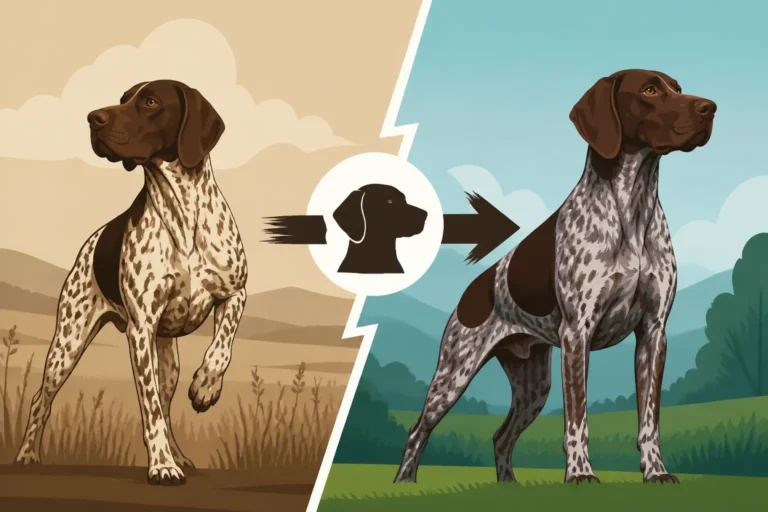
German Shorthaired Pointer changes since 1930 include shifting breeding priorities, varied modern roles, and differences between field and show lines.

German Shorthaired Pointer attachment patterns explain why the breed shadows one person and how households build bonds.
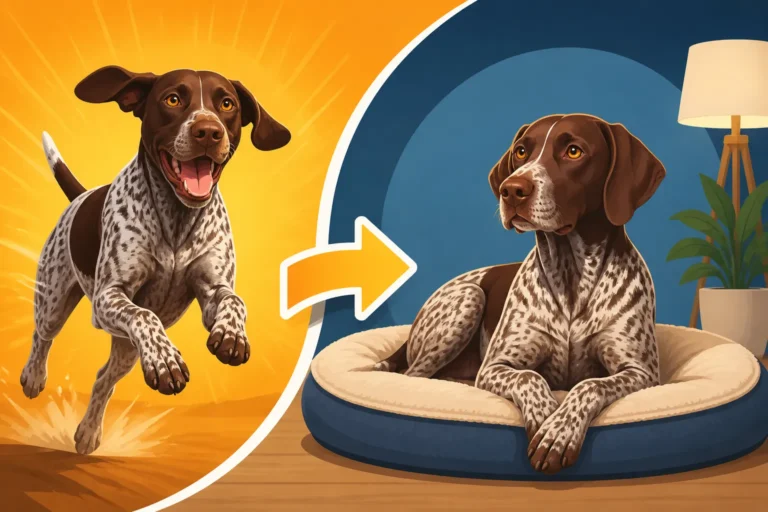
German Shorthaired Pointers typically settle between two and three years old, influenced by genetics, training, and exercise routines.

German Shorthaired Pointer aging behaviors and daily routines explain how dogs mature and learn to settle down at home.

German Shorthaired Pointer ownership loyalty depends on whether high energy, training needs, and daily routines fit the owner.

German Shorthaired Pointer adolescence at eighteen months creates severe behavioral and exercise challenges that lead to rehoming.

German Shorthaired Pointer ownership realities include high daily energy, strong bird instincts, and the need for structured exercise.

Keeping two German Shorthaired Pointers requires managing individual exercise, training, and veterinary care without relying on dogs to tire each other out.