Whether a German Shorthaired Pointer Suits an Allergy Home
So, you're dreaming of bringing a spirited German Shorthaired Pointer into your home, but there's a nagging worry about allergies? It's a common dilemma that many prospective owners face, often complicated by conflicting information and hopes. This guide aims to cut through the confusion and give you a realistic, empathetic look at whether a GSP can truly thrive in an allergy-sensitive household, and what steps you can take to manage potential issues.
Understanding the German Shorthaired Pointer's Coat and Shedding
When people think about dogs and allergies, the first thing that often comes to mind is hair. We picture long-haired breeds leaving fluffy tumbleweeds everywhere, and assume that a short-coated dog like a German Shorthaired Pointer would be a perfect, low-allergen fit. Unfortunately, this isn't always the case, and understanding the GSP's unique coat is crucial for managing allergies.
The GSP's Short, Harsh Coat – a Misconception?
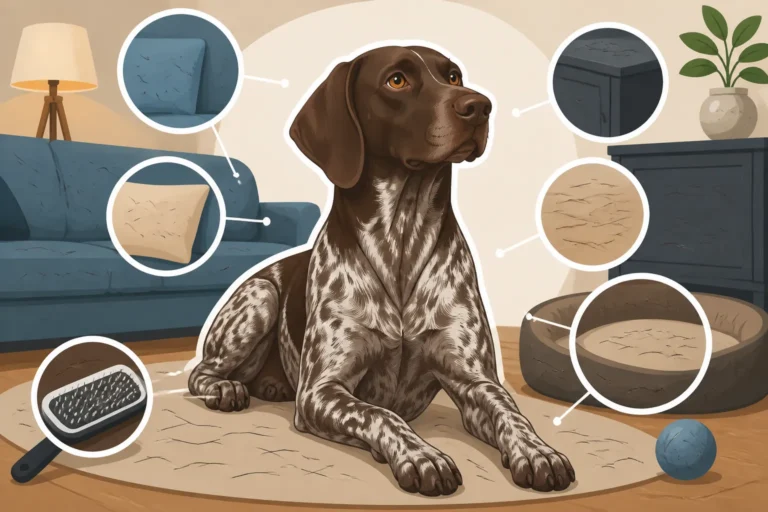
It's a common misconception that short-haired dogs are "hypoallergenic" or produce less dander simply because their hair isn't long and flowing. The German Shorthaired Pointer's coat is indeed short, dense, and feels quite coarse to the touch. It’s designed for function, meant to protect them from brambles and harsh weather while out in the field. This isn't a fluffy, soft coat, and while it might not create visible hairballs quite as large as a Siberian Husky, it definitely sheds. The individual hairs are stiff and can embed themselves deeply into carpets, upholstery, and clothing, making them surprisingly difficult to remove even with the most powerful vacuums.
What's more, the length of the hair has very little to do with the primary source of dog allergies. Allergies are typically triggered by proteins found in a dog's dander (dead skin cells), saliva, and urine, not the hair itself. These proteins hitch a ride on shed hair and dander, becoming airborne and settling on surfaces throughout your home. So, even a dog with very short hair can still be a significant allergen source if they're shedding skin cells and saliva into the environment. Many people are genuinely surprised by how much a GSP actually sheds, given their short coat.
Seasonal Shedding vs. Constant Hair Loss
While German Shorthaired Pointers may not have the dramatic "coat blows" of some double-coated breeds, they are certainly not non-shedders. They shed year-round, a persistent, low-level process that means you'll consistently find their stiff hairs on your furniture, floors, and clothes. Beyond this daily shedding, GSPs, like many breeds, often experience more significant periods of shedding, typically twice a year, as they adapt their coat to the changing seasons. The Weeks a Shorthair Drops Its Coat can feel like an endless battle against a tide of liver, black, or roan hairs.
During these heavier shedding periods, the amount of dander released into your home also increases. Imagine your GSP romping around, shaking their body, rubbing against the sofa, or diving into their favorite dog bed. Each of these actions can release a fresh cloud of microscopic dander particles, which then float through the air and land on every surface. For someone with allergies, these periods can be particularly challenging, as the allergen load in the environment significantly increases. It's a continuous process that requires consistent management to keep under control.
Allergies: What Really Triggers Them
When we talk about pet allergies, it’s easy to point fingers at the hair, but the truth is a bit more nuanced. Understanding what truly causes an allergic reaction is the first step toward effective management, especially if you're considering a high-energy breed like a GSP.
Dander, Saliva, and Urine – The Real Culprits
As mentioned, dog hair itself isn't the primary allergen. The real culprits are specific proteins found in a dog's dander (microscopic flakes of dead skin), saliva, and urine. When a GSP licks themselves, eats, drinks, or uses the bathroom, these proteins are deposited onto their fur, skin, and into the environment. As their dander naturally sheds, or as their saliva dries and flakes off their fur, these invisible particles become airborne. They can remain suspended in the air for hours, or settle on surfaces like carpets, upholstery, bedding, and even walls.
Consider a German Shorthaired Pointer's lifestyle: they are active dogs, often running, jumping, and rolling around inside and outside. This constant movement means they're effectively aerosolizing these allergen-laden particles into every corner of your home. A GSP's affectionate nature, which includes plenty of licks and close snuggles, also means direct transfer of salivary proteins onto human skin and clothing. For someone with an allergy, even minimal exposure to these proteins can trigger a range of symptoms, from sneezing and itchy eyes to skin rashes and even asthma attacks. It’s a silent, invisible battle for those who are sensitive.
Hypoallergenic Breeds: What Makes Them Different?
The term "hypoallergenic" is often misunderstood. No dog breed is truly 100% hypoallergenic, as all dogs produce dander, saliva, and urine containing the allergenic proteins. However, certain breeds are considered "more hypoallergenic" because they tend to shed less dander, or their hair traps dander and prevents it from becoming airborne. Breeds like Poodles, Portuguese Water Dogs, or Bichon Frises typically have coats that grow continuously and shed minimally, more like human hair. This means fewer airborne allergen particles are released into the environment.
German Shorthaired Pointers do not fall into this category. Their short, stiff coat, combined with their active nature, ensures that dander and hair are regularly distributed throughout your living space. While some owners of short-coated dogs mistakenly believe their dogs are better for allergies, it’s often the opposite for sensitive individuals. The persistent, fine hairs and constant dander production of a GSP can make them a challenging companion for someone with moderate to severe dog allergies. You're not just dealing with shed hair; you're dealing with the microscopic particles it carries.
To illustrate the difference, here's a quick comparison:
| Characteristic | German Shorthaired Pointer | "Hypoallergenic" Breed (e.g., Poodle) |
|---|---|---|
| Coat Type | Short, dense, harsh; double coat | Curly, continuously growing; single coat |
| Shedding Level | Moderate to heavy, year-round with seasonal "blows" | Minimal to no shedding; hair is released during grooming |
| Dander Production | Moderate to high, easily released into environment | Moderate, but dander tends to be trapped in coat, less airborne |
| Grooming Needs | Regular brushing to manage shedding, occasional baths | Regular professional grooming or clipping, daily brushing to prevent mats |
| Allergy Suitability | Generally not suitable for moderate to severe allergies | Often a better choice for mild to moderate allergies |
Managing Allergies with a German Shorthaired Pointer
If your heart is set on a German Shorthaired Pointer despite the allergy concerns, don't despair entirely. It's not an impossible situation, but it demands a significant and consistent commitment to managing allergens. It requires a multi-faceted approach involving rigorous grooming, meticulous environmental control, and sometimes, personal and medical interventions.
Grooming Routines to Minimize Allergens
Regular and thorough grooming is your first line of defense against dog allergens. For a GSP, this means more than just a quick brush-over. You'll need to establish a consistent routine to remove loose hair and dander before it has a chance to spread throughout your home. Aim for daily brushing, perhaps with a rubber curry comb or a deshedding tool like a "ZoomGroom" or something similar you might find on Chewy or Amazon. These tools are excellent at capturing loose hairs and dander from their short, dense coats. The Grooming Mitt That Suits a Shorthair Coat can make this task more effective and enjoyable for both of you.
Bathing is also crucial. While you don't want to over-bathe and dry out your dog's skin, a regular bath every few weeks can significantly reduce allergen load. Use a gentle, veterinarian-approved shampoo, especially one designed for sensitive skin, to avoid irritating your GSP's coat, which could paradoxically increase dander if their skin becomes flaky. Some owners find that wiping their GSP down with a damp cloth or specialized pet wipes daily can also help pick up surface dander and saliva between baths. Remember, this isn't just about keeping your dog clean; it's about physically removing the allergy triggers. How Often a Shorthair Needs Washing will depend on your GSP's skin health and your specific allergy sensitivity.
Environmental Management for an Allergy-Friendly Home
Beyond grooming your GSP, you'll need to become a proactive environmental manager in your home. This is where you significantly reduce the places allergens can hide and multiply. Start by making at least one room, preferably the allergic individual's bedroom, a "dog-free zone." This provides a sanctuary where allergen levels can be kept as low as possible. Consider hard flooring over carpets, as carpets are notorious for trapping dander and other allergens. If you must have carpets, invest in a high-quality HEPA filter vacuum cleaner and use it frequently, perhaps daily. You can find excellent options and replacement filters on Amazon.
Using air purifiers with HEPA filters throughout your home, especially in rooms where your GSP spends a lot of time, can also make a noticeable difference by capturing airborne particles. Regularly wash all dog bedding, blankets, and even your own bedding in hot water. Microfiber cloths are excellent for dusting and wiping down surfaces as they effectively trap particles rather than just scattering them. Consider adding washable covers to furniture your GSP enjoys, allowing for easy, regular cleaning. The goal is to create as many barriers as possible between the allergens and the allergic person, minimizing the overall allergen load in your living space. Where Shorthair Hair Ends Up in a House is everywhere, so thorough cleaning is key.
Personal Care and Medical Options
Managing allergies with a GSP also extends to personal habits and, if necessary, medical interventions. For the allergic individual, simply washing hands thoroughly after interacting with the dog is paramount. Avoid touching your face or eyes after petting your GSP. Changing clothes after extended play sessions with your dog, or when returning from a hunt, can also prevent bringing additional allergens into clean areas of the home.
On the medical side, the allergic individual might consult with an allergist or their doctor to discuss options such as antihistamines, nasal sprays, or even allergy shots (immunotherapy) if their symptoms are severe. These treatments don't eliminate the allergens, but they can help manage the body's reaction to them. For the dog's part, ensuring their skin is healthy can indirectly help reduce dander. A high-quality diet, potentially one from brands like Ollie that focuses on fresh, limited ingredients, can contribute to healthier skin and coat, potentially reducing excessive flaking. If your GSP has skin issues that increase dander, your vet might recommend specific supplements or medicated treatments. This holistic approach ensures both human and canine health are considered.
Making the Decision: Is a GSP Right for Your Allergy Home?
Ultimately, the decision of whether a German Shorthaired Pointer suits an allergy home is a deeply personal one, requiring honest self-assessment and a realistic understanding of the commitment involved. It's not a choice to be made lightly, as the well-being of both the human and the dog depends on it.
Trial Periods and Exposure Testing
Before making the leap, it is absolutely vital to conduct some form of exposure testing. Don't rely solely on theoretical knowledge. Spend extended time with German Shorthaired Pointers, ideally in a home environment similar to your own. Visit breeders, attend dog shows, or even better, find a local GSP rescue group that offers fostering opportunities. A foster situation provides an invaluable real-world test, allowing the allergic individual to live with a GSP for a few days or weeks to gauge their reaction. It gives you an accurate picture of how your specific allergies respond to a GSP's dander, saliva, and shedding in a real-life setting.
Remember, a quick visit to a breeder might not trigger a full allergic response, as the allergen load might be lower or your body hasn't had prolonged exposure. You need to simulate daily living with the dog. Consider how the allergic person feels after touching the dog, after the dog has been in the same room for hours, and especially after the dog has slept in the house. This kind of careful, extended exposure is the best way to determine if living with a GSP is truly feasible for your allergy-sensitive household. Where to Meet German Shorthaired Pointers Before Buying is a crucial first step for this exposure testing.
The Commitment Beyond the Coat
Even if you find that your allergies are manageable with a German Shorthaired Pointer, you must also be prepared for the immense commitment this breed requires. GSPs are not merely "allergy-friendly" pets to be kept at a distance. They are high-energy, intelligent, and deeply people-oriented dogs that thrive on close companionship, rigorous exercise, and consistent training. The Two Hours a Day a German Shorthaired Pointer Needs for physical activity is non-negotiable, and mental stimulation is just as important.
If you cannot allow your GSP to snuggle on the couch, or play freely in certain areas of the house due to allergy concerns, will they truly be happy and fulfilled? Will the constant cleaning and management routines eventually lead to resentment or an inability to provide the dog with the close bond they crave? Owning a GSP means embracing their active lifestyle, their desire to be involved in everything you do, and their affectionate nature. For a first-time owner, or anyone not fully prepared for their energy, it can be overwhelming, even without allergies in the mix. What Shorthair Owners Wish Someone Had Told Them often includes the sheer amount of exercise and attention these dogs demand. If you're going to put in the effort to manage allergies, you must also be ready to commit fully to the GSP's overall needs to ensure a happy, healthy life for everyone involved. Whether a First Time Owner Can Handle a Shorthair is a critical question, and allergies only add another layer of complexity.
Disclaimer
This article is for general informational purposes only and does not constitute professional advice. Laws, prices and regulations vary by location and change over time. Consult a qualified professional for guidance on your specific situation.