Shampoo for a German Shorthaired Pointer With Bad Skin
It's incredibly frustrating to watch your spirited German Shorthaired Pointer, usually a picture of boundless energy, scratching and gnawing at their skin, leaving red patches and flakes behind. You want them to be comfortable, happy, and ready for their next adventure, but when their skin is acting up, it can feel like a never-ending battle to find relief. This guide aims to help you navigate the confusing world of dog shampoos and skin care, focusing specifically on what works best for a German Shorthaired Pointer struggling with "bad skin."
Understanding "Bad Skin" in Your GSP: More Than Just Dryness
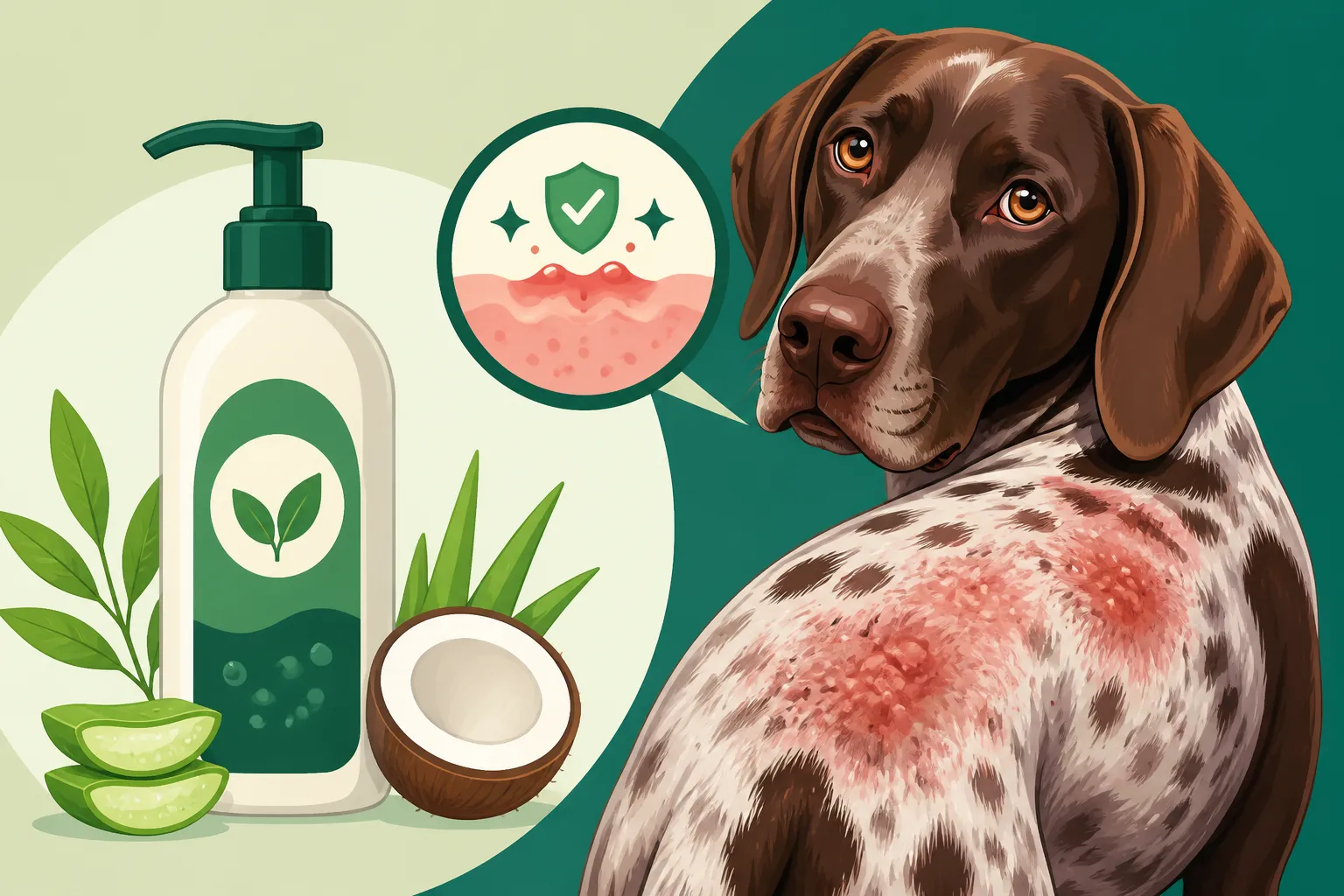
When we talk about "bad skin" in our German Shorthaired Pointers, it's rarely just a simple case of dry skin, although that can certainly be a component. GSPs, with their short, dense coats and active lifestyles, are prone to a range of skin issues that can be incredibly uncomfortable for them and perplexing for us as owners. It’s important to remember that skin problems are often symptoms of an underlying cause, and shampoo alone might not be the complete answer, but it's a crucial part of managing the discomfort and supporting skin health.
Common GSP Skin Issues and Their Symptoms
German Shorthaired Pointers are often found running through fields, swimming in ponds, and generally exposing themselves to all sorts of environmental elements. This active lifestyle, combined with certain breed predispositions, can lead to specific skin challenges. One common culprit we see is environmental allergies, often manifesting as itchy skin, redness, and sometimes secondary infections. These can pop up after they've been frolicking in pollen-rich fields or even just from dust mites in the house. You might notice them chewing at their paws, rubbing their face, or scratching intensely around their ears or flanks. Environmental Allergies in a Shorthair That Works Cover goes into more detail about how these can impact your GSP.
Another issue can be bacterial or yeast infections, which often appear as a secondary problem when the skin's natural barrier is compromised by allergies or excessive moisture. Think about those areas under their floppy ears, or between their toes – warm, moist places are perfect breeding grounds. You might notice a greasy feel to their skin, a yeasty smell, or circular red lesions. Sometimes, especially after a swim or a particularly damp hunting trip, you might find a "hot spot" – a rapidly developing, painful, red, moist lesion that your GSP won't leave alone. These are nasty and often need swift attention. Hot Spots on a Shorthair After Swimming covers how to deal with these.
Less commonly, but still important to be aware of, are breed-specific conditions like Lupoid Dermatosis, which can cause significant scaling and hair loss. This is a genetic condition that needs veterinary diagnosis and ongoing management, where specialized shampoos play a supportive role. Lupoid Dermatosis and a Shorthair's Scaling Skin discusses this in depth. Regardless of the specific issue, the goal with a good shampoo is to soothe, cleanse, and help restore the skin's natural balance.
Why a Generic Dog Shampoo Might Not Cut It
You've probably seen a dozen different dog shampoos at the pet store or even on a big online retailer like Amazon, promising everything from "shiny coat" to "fresh scent." While these might be fine for a GSP with perfectly healthy skin, they can actually exacerbate problems for a dog already struggling. Many generic shampoos contain harsh detergents, artificial fragrances, and dyes that can strip the skin of its natural oils, leading to further dryness, irritation, and itching. Imagine using a harsh dish soap on your own sensitive skin – it wouldn't feel great, would it?
For a GSP with "bad skin," you need a targeted approach. The pH balance of dog skin is different from human skin, so never reach for your own shampoo, no matter how gentle you think it is. A good shampoo for problematic GSP skin should aim to be gentle, moisturizing, and, in many cases, possess specific medicinal properties to address the underlying issue. It's not about making them smell like a field of daisies; it's about providing relief and promoting healing.
Choosing the Right Shampoo: Decoding Ingredients for Sensitive GSP Skin
Selecting the right shampoo for a German Shorthaired Pointer with irritated skin can feel like walking through a minefield of ingredients and claims. The key is to understand what those ingredients do and how they interact with your GSP's specific skin challenge. This isn't just about reading the front of the bottle; it's about flipping it over and scrutinizing the label.
Medicated vs. Soothing Shampoos: When to Use Which
The first distinction to make is between medicated shampoos and soothing/hypoallergenic shampoos.
Medicated Shampoos: These are often prescribed or recommended by your veterinarian when a specific condition, like a bacterial, fungal, or yeast infection, has been diagnosed.
- Antifungal Ingredients: Look for ingredients like Miconazole or Ketoconazole if your vet suspects a yeast or fungal infection. These are powerful and designed to kill the offending organisms.
- Antibacterial Ingredients: Chlorhexidine is a common and effective antibacterial agent found in medicated shampoos. It helps to reduce bacterial load on the skin, which is crucial for secondary skin infections.
- Antiparasitic Ingredients: If mites or other parasites are suspected, your vet might recommend a shampoo with pyrethrin or similar ingredients, though these are less common for general "bad skin" and more for specific infestations.
- Key takeaway: Medicated shampoos are potent tools. They should be used under veterinary guidance, as over-reliance or incorrect use can sometimes lead to resistance or further irritation. Whether Medicated Baths Help a Shorthair's Scaling offers more insight into their application.
Soothing and Hypoallergenic Shampoos: These are your go-to for general itchiness, dryness, or known environmental allergies where an active infection isn't the primary concern.
- Oatmeal: Colloidal oatmeal is a classic for a reason. It's incredibly soothing, anti-inflammatory, and helps to relieve itching. It forms a protective barrier on the skin, locking in moisture.
- Aloe Vera: Known for its healing and soothing properties, aloe vera can help calm inflamed skin and promote healing.
- Ceramides: These are lipids that are naturally found in the skin and play a crucial role in maintaining the skin's barrier function. Shampoos with ceramides can help restore this barrier, which is often compromised in dogs with skin issues.
- Humectants (Glycerin, Urea): These ingredients attract moisture to the skin, helping to hydrate dry, flaky patches.
- Essential Fatty Acids (e.g., Omega-3, Omega-6): While often given as supplements (more on that later), some shampoos incorporate these to help nourish the skin topically.
- Key takeaway: Always opt for "fragrance-free" and "dye-free" options. Less is often more when dealing with sensitive skin. You can find many excellent soothing shampoos on sites like Chewy, with detailed ingredient lists to help you choose.
Ingredients to Avoid Like the Plague
Just as important as knowing what to look for, is knowing what to steer clear of. Many common shampoo ingredients can be detrimental to a GSP with already compromised skin.
- Sulfates (SLS, SLES): These are harsh detergents that create a rich lather but can strip the skin of its natural oils, leading to dryness and irritation. Think of it like washing your hair with dish soap – it gets clean, but at what cost to your scalp?
- Artificial Fragrances and Dyes: These are common irritants and allergens. They add nothing beneficial to your dog's skin and can often trigger or worsen allergic reactions. The scent might be pleasant to you, but it could be causing your GSP misery.
- Parabens: These are preservatives, and while they prevent bacterial growth in the product, some studies have raised concerns about their potential endocrine-disrupting effects. While conclusive evidence in dogs is limited, for sensitive skin, it's often best to err on the side of caution.
- Phthalates: Often found in conjunction with artificial fragrances, these are another class of chemicals linked to potential health concerns.
- Alcohol: While sometimes used as a solvent, high concentrations of alcohol can be very drying and irritating to already sensitive skin.
When you're scrutinizing labels, look for shampoos that explicitly state "hypoallergenic," "for sensitive skin," or "dermatologist-tested." Many quality brands will highlight their commitment to avoiding these harsh chemicals.
| Shampoo Type | Primary Purpose | Key Ingredients to Look For | Key Ingredients to Avoid | When to Use |
|---|---|---|---|---|
| Medicated | Treat specific infections (bacterial, fungal, yeast) | Chlorhexidine, Miconazole, Ketoconazole | Harsh detergents, artificial fragrances & dyes | Diagnosed infection, vet-prescribed/recommended |
| Soothing/Hypoallergenic | Relieve itching, dryness, inflammation; support skin barrier | Colloidal Oatmeal, Aloe Vera, Ceramides, Glycerin | Sulfates, artificial fragrances & dyes, parabens | General irritation, allergies, dry skin (no active infection) |
Bathing Best Practices for a German Shorthaired Pointer with Skin Issues
Once you've got your hands on the perfect shampoo, the way you actually bathe your German Shorthaired Pointer makes a huge difference. It's not just about getting them wet and scrubbing; for a GSP with bad skin, every step matters. A careful, thorough, and patient approach can maximize the benefits of the chosen shampoo and minimize further irritation.
Preparing for the Bath: Setting the Scene for Success
Before you even turn on the water, get everything ready. Trust me, trying to grab a towel with a wet, squirming GSP in a tub is an experience no one needs. Gather your shampoo, a large absorbent towel (or two), cotton balls for their ears, and a non-slip mat for the tub if you have one. You might even want some treats for positive reinforcement, especially if your GSP isn't keen on baths.
Temperature matters. Aim for lukewarm water – too hot can irritate already inflamed skin, and too cold can be a shock to their system. Plug the drain before you put them in; the sound of rushing water can be unsettling for some dogs. Place cotton balls gently in your GSP's ears to prevent water from getting in, which can lead to ear infections, especially in a breed with floppy ears like a GSP. Make sure the water level is appropriate; for a GSP, you usually only need a few inches in the tub, enough to wet their legs without making them feel like they're drowning.
The Art of the Gentle Wash and Thorough Rinse
Now for the main event. Start by thoroughly wetting your GSP's coat from head to tail, making sure the water penetrates all the way to the skin. Take your time with this step; their dense short coat can sometimes repel water initially. Once they are thoroughly soaked, apply the shampoo. If it's a medicated shampoo, follow your vet's specific instructions regarding application and contact time. Otherwise, apply a generous amount and work it into a lather, gently massaging it all over their body, paying extra attention to areas of concern like itchy flanks, armpits, or their belly. Avoid getting shampoo directly into their eyes.
This isn't a quick scrub-and-rinse job. For most soothing or medicated shampoos, a contact time of 5-10 minutes is crucial for the active ingredients to work their magic. This is where those treats or a lick mat smeared with peanut butter on the tub wall can come in handy! Use this time to continue gently massaging, reassuring your dog, and inspecting their skin.
The rinse is perhaps the most critical part for a dog with bad skin. Any shampoo residue left behind can dry on the skin, leading to more irritation, flaking, and itching. Rinse, rinse, and rinse again. Work your fingers through their coat, feeling for any slippery spots that indicate leftover shampoo. Start from the neck and work your way down, ensuring all traces are gone. It should take significantly longer to rinse than to shampoo. For extra assurance, after you think you've rinsed enough, rinse for another minute or two.
Drying and Post-Bath Care
Once thoroughly rinsed, the drying process is just as important. Gently squeeze excess water from their coat, then wrap them in a soft, absorbent towel. Pat, don't rub, to avoid irritating their delicate skin further. If your GSP tolerates it, a low-setting hairdryer (specifically designed for pets, or a human one on a cool setting) can help ensure they are completely dry, especially if they have thicker feathering on their legs or tail. However, air drying is usually fine, especially in warmer weather, as long as you prevent them from getting chilled. Just ensure they don't roll in anything immediately after that could re-contaminate their freshly cleaned skin.
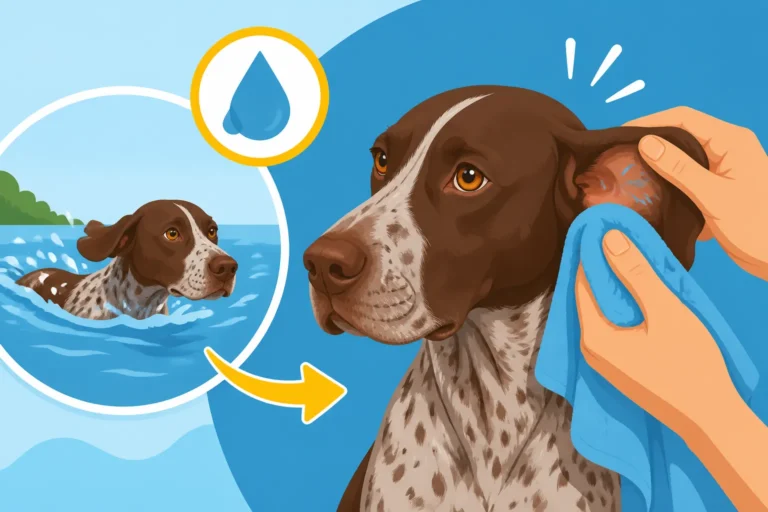
After drying, remove the cotton balls from their ears and check their ears for any moisture. A quick wipe with a dog-specific ear cleaner can help prevent infection. Drying a Shorthair's Ears After Every Swim is a great resource if your GSP is frequently getting wet. Finally, consider applying a veterinarian-recommended leave-in conditioner or topical soothing spray designed for sensitive skin. These can help lock in moisture and provide continued relief. Finish with plenty of praise and perhaps a favorite chew to make the bath a positive experience.
Beyond the Bottle: Holistic Approaches to GSP Skin Health
While a targeted shampoo is a vital tool for managing your German Shorthaired Pointer's bad skin, it's rarely the only piece of the puzzle. True, long-lasting skin health often requires a more holistic approach, addressing diet, supplements, environmental factors, and knowing when it's time to call in the professionals. Thinking about your GSP's overall well-being will provide the most sustainable relief.
The Role of Diet and Supplements in Skin Health
What goes into your GSP's body is just as important as what goes on it. A high-quality diet provides the building blocks for healthy skin and a robust immune system. Look for foods with good sources of animal protein and healthy fats. Some GSPs with persistent skin issues may benefit from a limited ingredient diet or a novel protein diet if food allergies are suspected. Brands like Ollie, known for their fresh, human-grade food, often offer options that can be tailored to sensitive dogs and might be worth exploring with your vet.
Supplements can also play a significant supportive role:
- Omega-3 Fatty Acids: Fish oil, rich in EPA and DHA, is a powerhouse for skin health. It's a natural anti-inflammatory and helps improve the skin barrier function. Many owners report a noticeable improvement in coat quality and a reduction in itching after consistent supplementation. Fish Oil for a German Shorthaired Pointer's Skin gives a detailed look at this.
- Probiotics: A healthy gut often translates to healthy skin. Probiotics can help balance gut flora, which in turn supports the immune system and can reduce inflammatory responses that contribute to skin issues.
- Vitamin E: This antioxidant can protect skin cells from damage and promote healing. It's often included in skin-supportive supplements.
Always discuss any dietary changes or supplements with your veterinarian to ensure they are appropriate for your individual GSP and don't interfere with any medications.
Environmental Management and Routine Care
Your GSP's environment plays a huge role in their skin health. If environmental allergies are suspected, minimizing exposure to triggers can make a big difference. This might mean:
- Regular Cleaning: Vacuuming and washing your dog's bedding frequently can reduce dust mites and dander.
- Wiping Paws: After outdoor adventures, wiping your GSP's paws and belly with a damp cloth can remove pollen and other allergens before they can cause irritation.
- Air Filters: High-efficiency particulate air (HEPA) filters in your home can help reduce airborne allergens.
- Preventive Care: Consistent flea and tick prevention is critical. Even a single flea bite can trigger intense itching in a sensitive dog.
- Moisture Control: Ensuring your GSP is thoroughly dried after swimming or wet weather can prevent secondary yeast or bacterial infections. Skin Infections Under a Shorthair's Short Coat can shed more light on prevention.
Beyond bathing, general grooming habits contribute to skin health. Even with a short coat, regular gentle brushing can help distribute natural oils, remove loose hair, and allow you to inspect their skin for any new issues. Don't forget their nails; keeping them trimmed prevents them from scratching themselves excessively and causing further damage.
When to Consult Your Veterinarian
While careful shampoo selection and home care are important, it's crucial to know when to seek professional veterinary help. If your GSP's skin issues are:
- Severe or Rapidly Worsening: Intense itching, open sores, severe hair loss, or a foul odor.
- Not Responding to Home Treatment: If you've been diligently using appropriate shampoos and care for a week or two without improvement.
- Accompanied by Other Symptoms: Lethargy, loss of appetite, vomiting, or diarrhea alongside skin issues.
- Recurring Frequently: If the skin problems keep coming back despite your best efforts, it suggests an underlying issue needs to be addressed.
Your vet can perform diagnostic tests, such as skin scrapes, fungal cultures, or allergy testing, to pinpoint the exact cause of the "bad skin." They can then prescribe stronger medicated shampoos, oral medications (like antibiotics, antifungals, or anti-itch drugs), or immunotherapy for allergies. They can help you develop a comprehensive management plan. Sometimes, what seems like a simple skin irritation can be a sign of a more complex problem, and early veterinary intervention can prevent a minor issue from becoming a major headache. Ultimately, managing your GSP's skin health is a team effort between you, your vet, and a thoughtful approach to their daily care.
Disclaimer
This article is for general informational purposes only and does not constitute professional advice. Laws, prices and regulations vary by location and change over time. Consult a qualified professional for guidance on your specific situation.