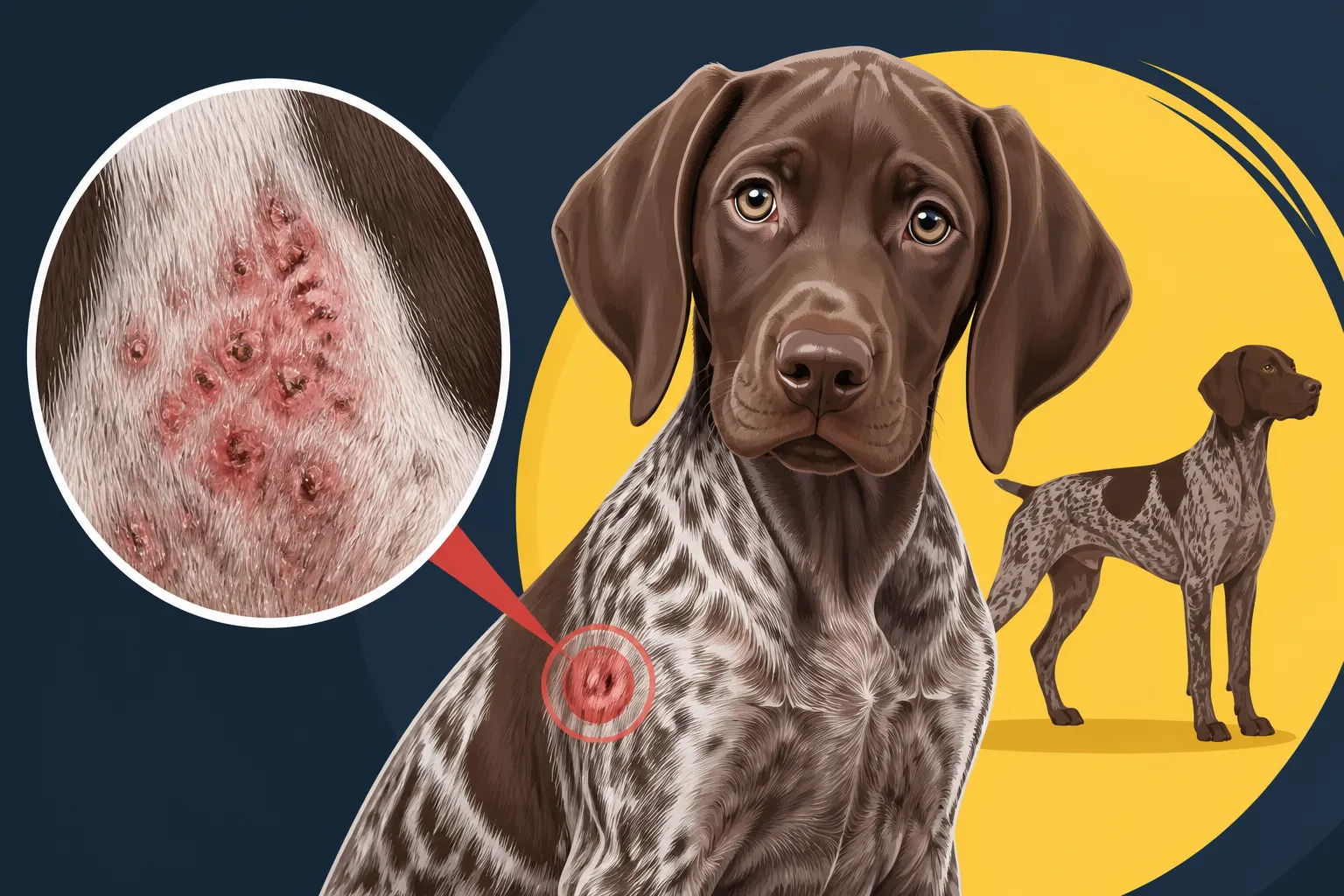
The Skin Disease That Hits a German Shorthaired Pointer Before One
It's absolutely heartbreaking to see your bouncy, energetic German Shorthaired Pointer puppy suddenly develop nasty, painful skin lesions, especially around their sweet, innocent face. When you're expecting endless games of fetch and happy chaos, a serious skin condition that appears seemingly out of nowhere before they even turn one year old can be incredibly alarming and stressful. This comprehensive guide is here to shed light on one such distressing condition: juvenile cellulitis, often nicknamed "puppy strangles," covering everything from identifying the first signs to navigating diagnosis and long-term care for your beloved GSP.
Understanding Juvenile Cellulitis in German Shorthaired Pointers
Bringing home a German Shorthaired Pointer puppy is an exciting time, full of anticipation for years of adventures. But sometimes, things take an unexpected turn, and a serious health issue can emerge when they're barely past the newborn stage. Juvenile cellulitis is one of those conditions that can really catch you off guard, appearing suddenly and severely. It's not just a minor skin irritation; it's a profound immune system response that demands immediate attention.
What Exactly Is Puppy Strangles?
Despite its alarming nickname, "puppy strangles" (medically known as juvenile cellulitis or sterile granulomatous dermatitis and lymphadenitis) isn't contagious, nor does it typically involve a bacterial infection as the primary cause. Instead, it's a peculiar and severe inflammatory disease that affects puppies, usually between three weeks and four months of age, though it can sometimes show up a bit later. Imagine your puppy's own immune system, which is still developing, suddenly deciding to attack its skin and lymph nodes. That's essentially what's happening. The body overreacts, causing profound swelling, pustules, and crusting, most commonly on the face, especially around the muzzle, eyelids, and ears. It can also cause the lymph nodes under the jaw to swell significantly, hence the "strangles" moniker, as these swollen glands can sometimes make it difficult for the puppy to swallow or even breathe comfortably.
This isn't a condition you can just "wait and see" with; it progresses rapidly and can cause extreme discomfort and permanent scarring if not treated promptly. It's a true medical emergency that requires swift veterinary intervention. The term "sterile" is crucial here, as it means initial antibiotics often aren't the solution, and chasing a bacterial infection that isn't the root cause can delay the correct, often steroid-based, treatment.
Why GSPs are Susceptible
While juvenile cellulitis can affect any breed, there does seem to be a breed predisposition, and unfortunately, German Shorthaired Pointers are among those breeds sometimes seen with this condition. It’s not as common as, say, hip dysplasia, but when it hits, it truly hits hard. The exact genetic mechanism isn't fully understood, but many veterinarians and researchers believe it's an inherited predisposition, meaning certain GSP lines might carry a higher risk. If you're looking at a litter and learn that a prior litter from the same parents or grandparents had puppies with juvenile cellulitis, it’s a huge red flag.
This susceptibility means that if you own a GSP puppy, it's wise to be particularly vigilant for the early signs, even more so than with some other breeds. It’s one of those things that can feel like a curveball, especially with a breed generally known for its robust health and hardiness in the field. But even the toughest dogs have their specific vulnerabilities, and for some GSPs, this immune-mediated skin disease is one of them. Understanding this breed-specific risk can help you act quickly if your puppy ever develops symptoms.
The Immune System's Overreaction
At its core, juvenile cellulitis is an autoimmune-like disease, a malfunction of the immune system. For reasons still not entirely clear to science, the puppy's immune system mistakenly identifies its own skin cells and lymphatic tissue as foreign invaders. This triggers a powerful inflammatory response, leading to the characteristic swelling and lesions. It's not a direct attack by bacteria or viruses, but rather the body attacking itself. This is why standard antibiotics, while sometimes necessary to manage secondary infections, won't resolve the underlying problem.
The key to understanding treatment lies in this immune system overreaction. The goal isn't to kill a pathogen, but to calm the immune system down. This immune dysregulation often resolves as the puppy matures, but the acute phase can be devastating if not managed aggressively. Think of it like a short circuit in the body's defense system, causing chaos where there should be order. This understanding is vital because it directs the treatment protocol squarely towards immunosuppressive medications, rather than traditional infection fighters.
Recognizing the Early Signs and Symptoms
Catching juvenile cellulitis early is paramount for a successful outcome and minimizing long-term damage. These puppies can go from seemingly healthy to severely affected very quickly, sometimes within just a day or two. Knowing what to look for can make all the difference, especially when your GSP is in that vulnerable puppy stage, typically before four months of age.
Swelling and Lesions on the Face
The most striking and often the first visible signs of juvenile cellulitis are dramatic swelling and the appearance of skin lesions, primarily concentrated on your puppy's face. You might notice their muzzle becoming puffy, almost like they've been stung by a bee, but far more severe and widespread. The lips can swell to an alarming size, and the skin around the eyes can become so edematous that their eyes appear squinted or even completely swollen shut. This facial swelling is often accompanied by reddened skin.
Beyond the swelling, you'll start to see distinct lesions. These can manifest as small, raised bumps that quickly turn into fluid-filled pustules. These pustules can then rupture, leading to crusting, weeping sores, and even deep, painful ulcers. Imagine deep, ulcerated lesions appearing on their chin, cheeks, and around their eyes. This isn't just cosmetic; these lesions are incredibly painful and itchy, causing immense distress for the puppy. They might paw at their face, rub it on surfaces, or become noticeably lethargic and reluctant to eat due to the discomfort. Any sudden, severe facial swelling and skin breakdown in a young GSP puppy should trigger an immediate call to your veterinarian.
Pustules and Crusting Around the Eyes and Mouth
The delicate areas around the eyes and mouth are particularly susceptible and often bear the brunt of the disease. You might observe a sudden eruption of pustules – small, pus-filled bumps – that quickly spread. These pustules often cluster together, breaking open to form thick, yellowish or brownish crusts. It can look a lot like a severe bacterial infection, which is why it's so easy for this condition to be misdiagnosed initially. The skin underneath these crusts is often red, raw, and very tender.
Around the eyes, the inflammation can cause so much swelling and discomfort that the puppy struggles to open them fully. This can also lead to discharge from the eyes, further compounding the crusting. Similarly, the mouth area, including the lips and chin, becomes inflamed and crusted. Eating and drinking can become difficult and painful, which in turn can lead to dehydration and weight loss in a rapidly growing puppy. Owners often report their puppies showing a marked decrease in appetite or reluctance to chew, simply because their mouth and jaw are too sore. This level of discomfort is a clear signal that something serious is happening and requires prompt veterinary assessment.
Enlarged Lymph Nodes
Beyond the visible skin changes, one of the hallmark features of juvenile cellulitis, and a key reason for the "strangles" nickname, is the dramatic enlargement of the lymph nodes. Specifically, the submandibular lymph nodes, located under the jaw, often swell to an astonishing size. These can become hard, firm lumps, sometimes as large as walnuts or even golf balls, making them easily palpable and often visible.
This swelling of the lymph nodes is a direct result of the immune system's overreaction. While lymph nodes typically swell during infection as they filter pathogens, in juvenile cellulitis, this swelling is part of the sterile inflammatory process. The enlarged nodes can be quite painful to the touch and, in severe cases, can impede the puppy's ability to swallow or move their head comfortably. This can exacerbate reluctance to eat or drink. Sometimes, these swollen lymph nodes can even abscess and rupture, adding another layer of complication and pain. Your veterinarian will always check these lymph nodes during an examination if your puppy presents with facial swelling and skin lesions.
The Critical Importance of a Timely Diagnosis
When your GSP puppy is exhibiting the painful and distressing symptoms of juvenile cellulitis, time is truly of the essence. A swift and accurate diagnosis isn't just important; it's absolutely critical to prevent permanent scarring, manage pain, and ensure your puppy makes a full recovery. Delaying the correct treatment, often due to misdiagnosis, can have significant and lasting consequences.
Differentiating from Other Skin Issues
One of the biggest challenges with juvenile cellulitis is that its symptoms can mimic several other common puppy ailments. This is where an experienced veterinarian, particularly one with a strong background in dermatology, becomes invaluable. For instance, severe bacterial skin infections (pyoderma), fungal infections (like ringworm), severe allergic reactions, or even parasitic infestations like demodicosis (demodectic mange) can present with similar facial swelling, pustules, and crusting. Puppy acne, while usually less severe, might also initially be mistaken for something more sinister.
The key differentiator is often the sterility of juvenile cellulitis – meaning it's not primarily caused by external pathogens. However, secondary bacterial infections are very common because the compromised skin barrier is an open invitation for bacteria. This creates a confusing clinical picture, where a vet might initially prescribe antibiotics for what appears to be a severe infection. While antibiotics are often needed to clear up secondary bacterial invaders, they won't resolve the underlying immune-mediated inflammation. This is why careful diagnostic steps are crucial to avoid prolonged suffering and ineffective treatments. The nuanced presentation often requires a discerning eye.
The Diagnostic Process: Biopsy and Culture
To arrive at a definitive diagnosis of juvenile cellulitis, your veterinarian will likely recommend a combination of tests. The gold standard for diagnosis is often a skin biopsy. This involves taking a small sample of the affected skin, usually under local anesthetic and sometimes light sedation, and sending it to a specialized veterinary pathologist. The pathologist will examine the tissue under a microscope, looking for characteristic inflammatory patterns that are unique to juvenile cellulitis, such as granulomatous inflammation and sterile abscess formation. This microscopic examination is what truly differentiates it from bacterial or fungal infections.
In conjunction with the biopsy, your vet will almost certainly perform bacterial cultures of any pustules or open sores. While juvenile cellulitis itself is sterile, the damaged skin is highly prone to secondary bacterial infections, which do need to be treated with appropriate antibiotics. These cultures help identify the specific bacteria present and determine which antibiotics will be most effective. Sometimes, a fungal culture might also be taken to rule out ringworm. Blood tests might also be performed to assess the puppy's overall health and rule out other systemic illnesses. It's a thorough process, but it's essential to pinpoint the exact problem.
Misdiagnosis and its Consequences
Unfortunately, because of its confusing presentation, juvenile cellulitis is often initially misdiagnosed. It's easy for even experienced vets to jump to the conclusion of a severe bacterial skin infection, especially when pus-filled lesions are present. The most common consequence of misdiagnosis is a delay in administering the correct treatment: corticosteroids. While antibiotics are prescribed for the assumed bacterial infection, the immune system continues its unchecked attack on the skin and lymph nodes.
This delay can have serious repercussions for your young German Shorthaired Pointer. The inflammation continues to rage, leading to more extensive and deeper skin damage. This not only increases the puppy's pain and discomfort but also significantly raises the risk of permanent scarring, hair loss, and disfigurement, particularly on the face. In very severe, untreated cases, puppies can become so debilitated from pain and inability to eat that their lives are at risk. Financial implications can also compound the stress, as repeated ineffective treatments can rack up significant bills. This is where having pet insurance, like a plan from Healthy Paws, can be a huge relief, covering diagnostic tests and the long-term medications needed. It’s a testament to why advocating for thorough diagnostics is so important for your GSP.
Effective Treatment Strategies for Juvenile Cellulitis
Once your German Shorthaired Pointer puppy has been definitively diagnosed with juvenile cellulitis, the good news is that there are highly effective treatment protocols. The key is aggressive intervention to stop the immune system's damaging overreaction and to manage any secondary issues that have arisen.
Steroids: The First Line of Defense
The absolute cornerstone of treatment for juvenile cellulitis is corticosteroids, commonly referred to as steroids. These powerful anti-inflammatory and immunosuppressive medications work by calming down the overactive immune system, stopping it from attacking your puppy's own tissues. Prednisone or prednisolone are typically the drugs of choice and are often prescribed at a relatively high dose initially, then gradually tapered down as the puppy responds to treatment.
The response to steroids can be quite dramatic and rapid, often within 24 to 48 hours. Owners often report seeing a noticeable reduction in swelling, pain, and redness, and the puppy's overall demeanor improves significantly. It’s like hitting the reset button on their immune system. It’s crucial to follow your veterinarian's instructions precisely regarding dosage and tapering schedule. Stopping steroids too abruptly can lead to a rebound of symptoms, and prolonged high doses can have side effects. This initial, aggressive steroid therapy is essential to prevent permanent tissue damage and bring your puppy comfort.
Addressing Secondary Bacterial Infections
While juvenile cellulitis itself is a sterile condition, the severe damage to the skin barrier creates an ideal environment for opportunistic bacteria to move in and cause secondary infections. These secondary bacterial infections are very common and can complicate the clinical picture, making the lesions even more painful and delaying healing. This is why, even though steroids are the primary treatment, antibiotics are almost always prescribed concurrently.
The bacterial cultures performed during diagnosis help your vet choose the most appropriate antibiotic to target the specific bacteria present. It's important to understand that the antibiotics are treating the secondary infection, not the underlying cellulitis. However, treating these secondary infections is vital for your puppy's comfort, to prevent further tissue damage, and to allow the skin to heal properly once the immune reaction is under control. Without addressing these bacterial invaders, healing would be significantly delayed, and the puppy would continue to suffer unnecessarily. It’s a two-pronged approach that tackles both the cause and the consequence.
Managing Pain and Discomfort
Beyond the specific medications targeting the immune system and bacteria, managing your GSP puppy's pain and discomfort is a critical aspect of treatment. These lesions and swollen lymph nodes are incredibly painful, and a puppy in pain won't eat, drink, or rest properly, which can hinder their recovery. Your veterinarian may prescribe pain relief medications, such as non-steroidal anti-inflammatory drugs (NSAIDs) if appropriate, or other analgesics to keep your puppy comfortable.
Gentle wound care is also part of pain management. This might involve carefully cleaning the crusted areas with warm water or a diluted antiseptic solution prescribed by your vet, being careful not to cause more discomfort. Preventing your puppy from scratching or rubbing their face, which can worsen the lesions and introduce more bacteria, is also important. This might mean using an Elizabethan collar (e-collar) or soft cone for a period, despite how much puppies generally dislike them. Providing a soft, clean resting area and ensuring access to fresh water and palatable food will also contribute significantly to their overall well-being during this challenging time.
Long-Term Management and Prognosis
The good news is that with prompt and aggressive treatment, most German Shorthaired Pointer puppies make a full recovery from juvenile cellulitis. However, the path to recovery might have some bumps, and there are aspects of long-term management and future considerations that every owner should be aware of.
Potential for Scarring and Hair Loss
One of the unfortunate realities of severe juvenile cellulitis, especially if diagnosis and treatment are delayed, is the potential for lasting physical reminders. The deep inflammation and ulceration of the skin can lead to permanent scarring. These scars might appear as patches of thickened, depigmented skin, and in some cases, the hair follicles in the affected areas can be permanently damaged. This results in patchy or complete hair loss on the face, particularly around the muzzle, eyes, and chin. While this is primarily a cosmetic concern, for a breed as striking as the GSP, it can be a noticeable change.
The extent of scarring often depends on the severity of the initial outbreak and the speed of intervention. Puppies treated very early and aggressively tend to have less severe scarring or even none at all. However, if the lesions were deep and widespread, some degree of permanent hair loss or alteration in skin texture might be unavoidable. As they grow, these areas might become less prominent, but they can remain a visible testament to their early struggle with the disease. Your vet can advise on potential remedies or protective measures for these sensitive skin areas.
Monitoring for Recurrence
While most puppies recover completely and never experience another episode of juvenile cellulitis, there is always a slight chance of recurrence, particularly if the steroid treatment was tapered too quickly or stopped prematurely. It's essential to remain vigilant even after your puppy appears fully recovered. Keep a close eye on their face, lymph nodes, and overall behavior.
Any signs of renewed facial swelling, new pustules, crusting, or enlarged lymph nodes should trigger an immediate call to your veterinarian. Early detection of a recurrence means treatment can be reinstated quickly, often with a lower dose of steroids and for a shorter duration, preventing the condition from escalating to its former severity. Maintaining a good relationship with your vet and keeping regular check-ups, even after the acute phase has passed, is key to proactive monitoring. This is where pet insurance, like a policy from Healthy Paws, can continue to be beneficial, as it helps manage the costs of potential follow-up visits or future medication needs.
Considering Future Breeding Implications
For German Shorthaired Pointer owners who might have considered breeding their dog in the future, a diagnosis of juvenile cellulitis in a puppy carries significant implications. While not definitively proven to be a purely genetic disease, there is a strong suspicion of an inherited predisposition. Most reputable breeders and veterinarians would strongly advise against breeding a GSP that has had juvenile cellulitis, and certainly against breeding its parents again, especially if they have produced multiple affected puppies.
The goal in responsible breeding is to improve the health and well-being of the breed, and passing on a potential predisposition to a painful, severe immune-mediated disease goes against this principle. Even if the dog itself recovers fully, carrying the genes that contribute to this condition could mean producing more affected puppies in future litters. Discussing this thoroughly with your veterinarian and breeder is essential. Understanding the genetic risks associated with conditions like juvenile cellulitis is part of responsible dog ownership, ensuring we contribute to healthier generations of GSPs. You can find more information on responsible breeding practices and health clearances for GSPs, including those for The Bleeding Disorder in German Shorthaired Pointer Lines, in our detailed articles.
Supportive Care at Home for Your Affected Shorthair
While medical treatment is crucial, the care you provide at home plays a huge role in your German Shorthaired Pointer puppy's comfort, recovery, and overall well-being. Your love and attention, combined with practical supportive measures, can make a significant difference during this challenging time.
Gentle Cleaning and Wound Care
Keeping your puppy's affected skin clean is absolutely vital, but it must be done gently to avoid causing more pain or further irritating the delicate skin. Your veterinarian will likely provide specific instructions on how to clean the lesions and what solutions to use. Often, this involves using warm water to soften crusts and carefully wiping them away with a soft cloth or cotton balls. Sometimes a diluted antiseptic wash, like chlorhexidine, might be recommended.
It’s important to be patient and proceed slowly, especially if the areas are very painful. You might need a second person to help gently hold your puppy still, providing comforting words and treats. Always pat dry the area thoroughly afterward, as moisture can exacerbate skin issues. Never pick or aggressively scrub the crusts, as this can tear the healing skin and introduce new bacteria. Regular, gentle cleaning helps prevent secondary infections, removes irritating debris, and allows topical medications (if prescribed) to penetrate effectively. Your puppy might need to wear an Elizabethan collar to prevent them from scratching or licking at the wounds, which can undo your careful cleaning efforts.
Nutrition and Immune Support
A puppy battling juvenile cellulitis needs optimal nutrition to support their healing process and bolster their developing immune system. Ensuring they eat and drink sufficiently can be challenging, especially if their mouth and jaw are swollen and painful. Offer soft, palatable foods that are easy to chew and swallow. You might need to soften their regular puppy kibble with warm water or switch to a high-quality canned puppy food temporarily. You can learn more about Puppy Food That Suits a Growing German Shorthaired Pointer to ensure they're getting the right nutrients.
Adequate hydration is also critical. Make sure fresh water is always available, and consider offering water in a shallow bowl or even from a syringe if they're struggling to drink on their own. Some veterinarians might suggest adding immune-supporting supplements, such as omega-3 fatty acids (like fish oil), which have anti-inflammatory properties and can support skin health. Always discuss any dietary changes or supplements with your vet to ensure they are appropriate and won't interfere with their medication. Good nutrition provides the building blocks for tissue repair and helps your GSP puppy regain their strength. For more insights into supplements, you can read our article on Fish Oil for a German Shorthaired Pointer's Skin.
Creating a Calm Healing Environment
Stress can negatively impact a puppy's immune system and slow healing, so creating a calm, quiet, and comfortable environment is incredibly important. Designate a peaceful area where your GSP puppy can rest undisturbed, away from loud noises, boisterous children, or other pets during their recovery. A soft, clean bed in a quiet corner can make a world of difference.
While GSPs are known for their boundless energy, during recovery from juvenile cellulitis, their activity should be limited to allow their body to focus on healing. Short, gentle leash walks for potty breaks are usually fine, but strenuous exercise or rough play should be avoided. Keep their environment clean to minimize the risk of secondary infections. This means frequent washing of their bedding and cleaning of their food and water bowls. Your consistent, gentle presence and reassurance will also play a huge role in their emotional well-being, helping them feel secure and loved as they recover from this painful ordeal.
Preventative Measures and Breeder Responsibility
While juvenile cellulitis is not always preventable, particularly given its suspected genetic component, there are certainly steps you can take as a prospective owner and considerations for responsible breeders to minimize its occurrence and impact. It’s about being informed and making responsible choices.
Screening Breeding Lines
For breeders of German Shorthaired Pointers, being aware of the potential for juvenile cellulitis in their lines is paramount. While there isn't a direct genetic test for juvenile cellulitis like there is for, say, Cone Degeneration and the Shorthair DNA Test for It, responsible breeders track the health history of their dogs and their ancestors. If a particular pairing has produced a puppy with juvenile cellulitis, or if the condition appears multiple times in a specific line, those dogs should ideally be removed from breeding programs.
Prospective puppy buyers should always ask about the health history of the sire and dam, as well as their siblings and previous litters. A transparent breeder will be open about any health issues that have arisen in their dogs, even rare ones like juvenile cellulitis. While it can be a devastating diagnosis, an honest breeder is more trustworthy than one who claims their lines are entirely free of any health issues – that's simply not realistic for any living creature. This due diligence on both sides helps ensure healthier generations of German Shorthaired Pointers and aligns with the principles of preventing future cases of The Skin Tumors Shorthairs Get Younger Than Most or any other inherited conditions.
Early Detection in Puppies
For any GSP puppy owner, understanding the early signs of juvenile cellulitis is your best defense. Since the condition typically strikes puppies between 3 weeks and 4 months of age, this is a critical window for vigilance. Regularly examine your puppy's face, paying close attention to any swelling around the muzzle, eyes, or lips. Feel under their jaw for any enlarged or painful lymph nodes. Note any changes in their skin, such as redness, pustules, or crusting.
Because GSPs are such energetic and playful puppies, a sudden onset of lethargy, reluctance to play, or a decrease in appetite should also raise a red flag. If you notice any of these symptoms, don't wait. Contact your veterinarian immediately. Early detection and prompt initiation of treatment are the most critical factors in minimizing pain, preventing permanent scarring, and ensuring a full recovery for your GSP. Regular vet check-ups for puppies are always recommended, as detailed in our guide on The Vet Schedule a Working Shorthair Should Keep.
Discussing Health Guarantees with Breeders
When acquiring a German Shorthaired Pointer puppy, especially from a breeder, it's wise to discuss the breeder's health guarantee and contract thoroughly. Many reputable breeders offer a health guarantee that covers specific inherited diseases for a certain period. While juvenile cellulitis might not be explicitly listed on every guarantee, a good breeder will stand by the health of their puppies and be willing to work with you if such a severe condition arises.
Understand what the health guarantee entails. Does it cover the cost of veterinary treatment? Does it offer a replacement puppy? What are the conditions for invoking the guarantee? Knowing these details upfront can provide peace of mind and financial protection should your puppy develop an unforeseen condition like juvenile cellulitis. It's a sign of a responsible breeder who is confident in their lines and committed to the welfare of the puppies they produce. You can find more information about what to expect in a breeder contract, including topics such as The Health Guarantee in a Shorthair Contract, in our detailed guide on ownership costs. This proactive approach helps protect both you and your puppy.
| Feature / Condition | Juvenile Cellulitis (Puppy Strangles) | Bacterial Pyoderma (Skin Infection) | Demodectic Mange | Allergic Dermatitis (Puppy) |
|---|---|---|---|---|
| Primary Cause | Immune system overreaction (sterile) | Bacterial overgrowth | Demodex mites | Environmental/food allergens |
| Onset Age | 3 weeks to 4 months (typically) | Any age, common in puppies | Young puppies (<18 mos) | Any age, often seasonal or dietary |
| Primary Location | Face (muzzle, eyes, chin, ears), lymph nodes | Anywhere, often skin folds, belly, armpits | Face, bony prominences, often patchy | Paws, ears, belly, groin |
| Key Symptoms | Severe facial swelling, pustules, crusts, enlarged painful lymph nodes (submandibular) | Red bumps, pustules, scabs, hair loss, itchiness | Hair loss (patches), redness, mild scaling, rarely itchy early | Redness, intense itching, licking, chewing, secondary infections |
| Pain Level | High | Moderate to high | Mild to moderate | Moderate to high |
| Systemic Signs | Lethargy, fever, loss of appetite, swollen lymph nodes | Rarely, unless severe/widespread | Rarely, unless severe generalized | Rarely, unless severe secondary infection |
| Diagnosis | Skin biopsy (definitive), culture (secondary bacteria) | Skin cytology, bacterial culture | Skin scrapings | Exclusion, dietary trials, allergy tests |
| Main Treatment | High-dose corticosteroids | Appropriate antibiotics | Miticides | Antihistamines, steroids, diet change |
| Contagious? | No | Rarely (often opportunistic) | No | No |
Disclaimer
The information provided in this guide is for general informational purposes only and does not constitute professional veterinary medical advice. Always consult with a qualified veterinarian for any health concerns or before making any decisions related to your pet's health and treatment. Early diagnosis and treatment are crucial for juvenile cellulitis, and this guide is not a substitute for professional veterinary care.