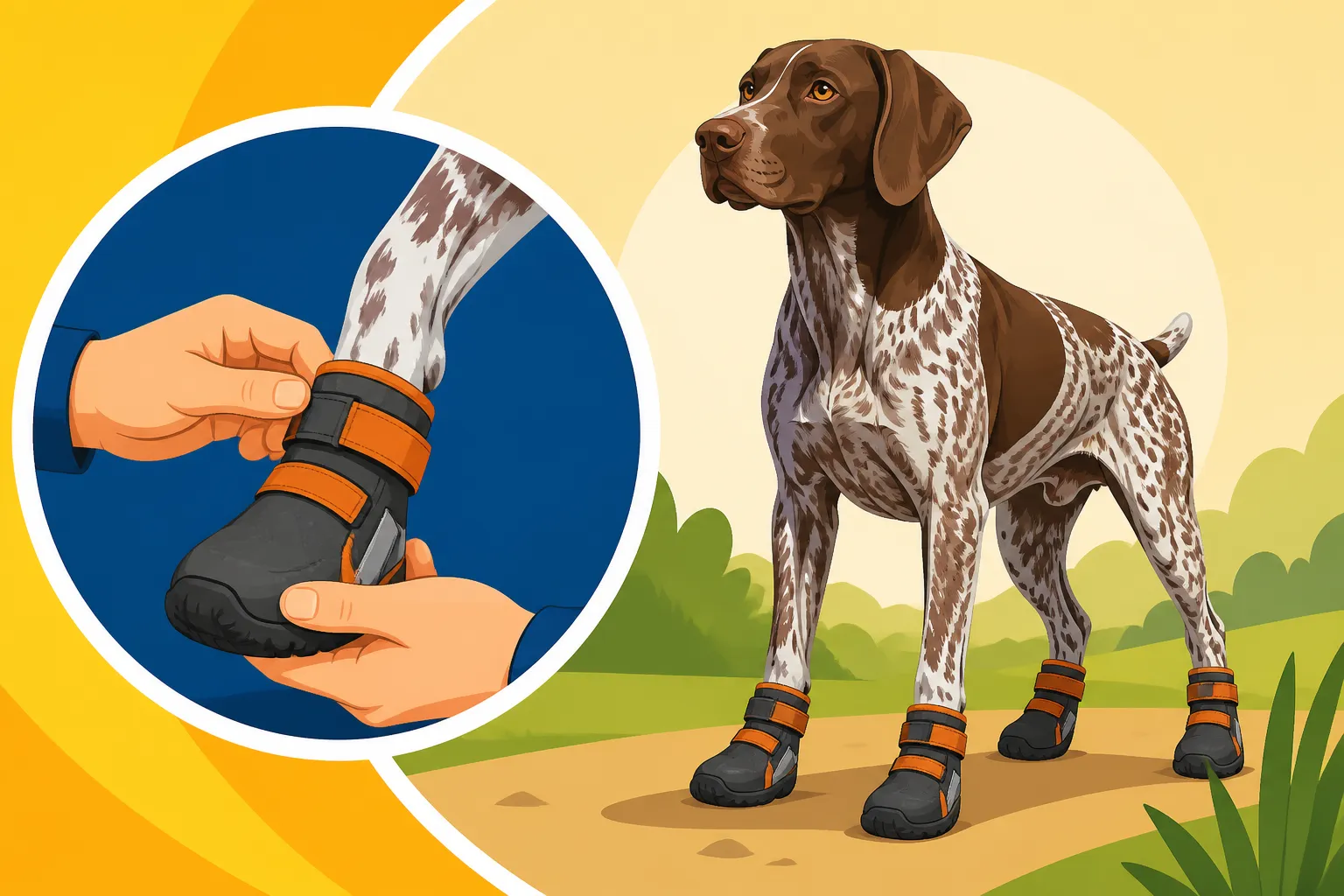
Fitting Boots on a German Shorthaired Pointer
If you've ever watched your magnificent German Shorthaired Pointer tear through rocky terrain, sprint across frozen fields, or even just navigate a patch of hot asphalt, you've probably worried about those incredibly hard-working paws. Our Shorthairs are athletes, built for endurance, but their paw pads, while tough, aren't invincible. This guide is all about how to properly fit boots on your German Shorthaired Pointer, ensuring their comfort and protecting those precious feet from the rigors of their active lives.
Why Your German Shorthaired Pointer Might Need Boots
It's easy to think of a German Shorthaired Pointer as an all-terrain vehicle, a dog that can go anywhere and do anything. And while that's largely true of their spirit and drive, their physical make-up, especially their paws, can sometimes be a limiting factor. The thin, short coat offers little protection, and their pads, while durable, can be susceptible to a myriad of environmental hazards.
Protecting Against Rough Terrain and Injuries
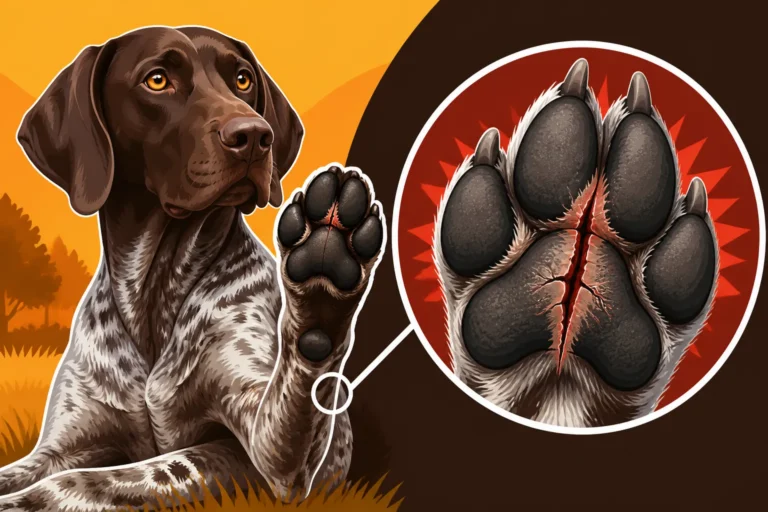
Imagine yourself running barefoot across a gravel road or an icy path. That's essentially what we ask our Shorthairs to do sometimes, and it's no wonder their pads can take a beating. From sharp stubble left behind after harvest to jagged rocks and hidden shards of glass in urban environments, the world is full of hazards that can cause painful cuts, scrapes, and abrasions. In winter, icy patches or even rough snow can chap and crack pads, leading to discomfort or even serious injury. In summer, pavement and sand can reach blistering temperatures, causing burns before you even realize what's happening.
A well-fitted set of boots acts as a crucial barrier, shielding your dog's paws from these dangers. Think of it like wearing your own sturdy hiking boots when you hit the trails – it's about prevention and comfort. For a German Shorthaired Pointer that's constantly on the move, whether it’s hunting, hiking, or just enjoying vigorous play, this protection can be the difference between a successful outing and a trip to the vet. Protecting against these kinds of acute injuries is one of the primary reasons many GSP owners turn to boots. You might be surprised at how quickly a seemingly minor cut can sideline a dog, especially when it's on a paw pad that bears so much weight and impact.
Managing Existing Paw Issues and Sensitivities
Sometimes, the need for boots isn't just about preventing new injuries but about managing existing ones or inherent sensitivities. Some German Shorthaired Pointers have naturally more sensitive pads, or perhaps they've had a previous injury that makes that paw more vulnerable. A minor cut, a torn nail, or even severe cracking can make continued activity painful, if not impossible. Boots can provide the cushioning and protection needed to allow these injuries to heal while still permitting some level of supervised, low-impact exercise. They can also keep wound dressings clean and in place, which is a huge benefit if you're trying to keep your Shorthair from licking or chewing at a healing paw.
Beyond acute injuries, boots can be invaluable for chronic issues. If your Shorthair's pads tend to dry out and crack easily in certain weather, or if they develop A Shorthair's Pads Splitting Halfway Through the Season, boots can offer consistent relief and protection. While Pad Toughener Products for a Hunting Shorthair can help build resilience, boots add an extra layer of defense that can be critical for maintaining your dog's comfort and willingness to work. They can also be a game-changer for older Shorthairs who might have thinning pads or a bit of arthritis, providing extra cushioning against hard surfaces.
Understanding Different Types of Dog Boots for GSPs
Once you've decided boots are a good idea for your German Shorthaired Pointer, you'll quickly realize there's a dizzying array of options out there. Not all boots are created equal, and what works for a Chihuahua on a city stroll certainly won't cut it for a hard-charging German Shorthaired Pointer. It's about finding the right balance of protection, durability, and fit for their specific needs and activities.
Materials and Durability for Active Dogs
The material of the boot is paramount, especially for a breed as active as the GSP. You'll see options ranging from soft, fleece-lined fabric boots to heavy-duty rubber or durable synthetic materials.
- Fabric/Fleece Boots: These are often softer and more flexible, great for indoor use, light trails, or protecting sensitive paws from minor irritants or cold. However, they typically lack the durability for serious outdoor work or rough terrain. They can also soak through quickly.
- Neoprene Boots: Neoprene is popular for its flexibility, cushioning, and water-resistance. It's the material often used in wetsuits, so it handles wet conditions well and offers some insulation. These are a good mid-range option for moderate conditions and provide decent grip. They can be great for keeping a Shorthair's feet warm in cold, wet conditions. You'll find many suitable options on sites like Chewy or Amazon.
- Rubber Boots: Boots made largely of rubber offer excellent waterproofing and grip. They are fantastic for wet, muddy, or icy conditions, and some have very durable soles. The downside can be breathability and flexibility, making them less comfortable for long periods or intense running, and they might feel less "natural" on the paw.
- Cordura/Synthetic Fabric with Rubber Soles: These are often the workhorses for hunting and hiking dogs. They combine a durable, often water-resistant synthetic fabric upper (like Cordura or similar heavy-duty nylon) with a robust, textured rubber sole. This combination offers good protection, grip, and a balance of flexibility and durability. They are designed to withstand abrasion and provide significant paw protection against Boots for a Shorthair on Rock and Stubble. When choosing, look for double-stitched seams and reinforced toe caps for maximum longevity.
For a German Shorthaired Pointer, especially one that hunts or regularly tackles varied terrain, you're generally going to want a boot with a tough, abrasion-resistant sole and a durable upper material that can stand up to brush and rocks. Consider if you need full waterproofing (for snow or marsh work) or more breathability (for hot weather). Remember, even the best materials wear out, so always have a spare set, especially if you're heading out for a long hunt.
Fastening Mechanisms and Fit Considerations
A boot is only useful if it stays on, and getting dog boots to stay put, especially on a German Shorthaired Pointer with their boundless energy and unique paw shape, can be a real challenge. The fastening system is key.
Most dog boots use some form of Velcro straps or hook-and-loop closures. The best designs feature two straps, often placed at different heights on the leg. One strap usually goes around the narrower part of the pastern (just above the paw), and another higher up, around the ankle. This two-point system provides a more secure hold and prevents the boot from twisting or slipping off. Look for wide straps that distribute pressure evenly and are long enough to wrap securely without too much excess flopping around. Some boots also feature elastic sections or drawstrings, which can further customize the fit, but be careful not to make them too tight.
The fit itself needs to be snug but not restrictive. You want the boot to cover the paw completely, including the nails, and extend slightly up the leg. If the boot is too loose, it will inevitably twist, rub, and fall off – a common frustration for GSP owners. If it's too tight, it can cut off circulation, cause chafing, or simply be uncomfortable, making your dog want to kick it off. It’s a delicate balance. The boot needs to allow for natural paw flexion and extension, especially when your Shorthair is running or jumping. Consider the length of your dog’s dewclaws (if present) as well; some boots can rub against them if not properly designed or fitted. When you're trying them on, stand your dog up and make sure the paw is completely inside the boot, with enough room for the pads to splay slightly under weight.
The Step-by-Step Guide to Fitting Boots on Your Shorthair
Getting dog boots to fit properly on your German Shorthaired Pointer is more of an art than a science, but with patience and a methodical approach, you can find a solution that works for both of you. It's not just about picking the right size off a chart; it's about understanding your dog's unique paw shape and how they move.
Measuring Your Shorthair's Paws Accurately
This is the most critical first step. Don't guess! Many boot failures come down to incorrect sizing. Here’s how to get it right:
- Get Prepared: You'll need a piece of paper, a pencil, and a ruler or tape measure.
- Weight-Bearing Measurement: Have your German Shorthaired Pointer stand naturally on the piece of paper, placing their full weight on the paw you're measuring. This ensures the paw is splayed as it would be when walking or running.
- Trace the Paw: Carefully trace around the paw, including the nails. It's often easier if another person holds the dog steady or distracts them with a treat.
- Measure Width: Measure the widest part of your tracing. This is usually across the bottom of the toes.
- Measure Length: Measure from the back of the paw pad (where it meets the leg) to the tip of the longest nail.
- Repeat for All Paws: Important: Your Shorthair's front paws are often wider and longer than their back paws. Measure all four paws. You might need two different sizes of boots – it's common! Most manufacturers sell boots in pairs or sets of four, but some reputable brands offer individual boots, which can be a lifesaver for dogs needing mixed sizes.
Once you have these measurements, compare them to the manufacturer's sizing chart. Always err on the side of slightly larger if your dog is between sizes, as too-small boots are more likely to pinch and cause discomfort.
Here’s a simple table to help you record your measurements:
| Paw Location | Width (inches) | Length (inches) | Notes (e.g., "front left, widest") |
|---|---|---|---|
| Front Left | |||
| Front Right | |||
| Rear Left | |||
| Rear Right |
Introducing Boots and Ensuring Comfort
Putting boots on a German Shorthaired Pointer for the first time is usually met with a mix of confusion, indignation, and hilarious high-stepping. They truly don't know what to make of these strange things on their feet! The key is to make it a positive experience and introduce them gradually.
- Start Slow, Stay Positive: Don't just slap them on and expect your dog to go for a run. Start by letting your Shorthair sniff and investigate the boots. Offer treats and praise.
- One Boot at a Time: Put just one boot on for a few minutes. Give treats, praise, and then take it off. Repeat this a few times over the day.
- Gradual Increase: Once one boot is tolerated, try two, then three, then all four. Keep sessions short and fun. Distract them with their favorite toys or a quick game. Many owners find that immediately going outside for a walk or a bit of play helps, as their attention shifts from the odd feeling on their paws to the excitement of activity.
- Positive Association: Always associate the boots with good things – treats, walks, play, or going out for a hunt. Never put them on as punishment.
- Be Patient: Your German Shorthaired Pointer might do the "boot dance" or try to chew them off. This is normal. Redirect chewing to an appropriate toy and continue with positive reinforcement. It might take several days or even a couple of weeks for them to fully acclimate. Finding a good variety of well-reviewed boots on platforms like Chewy or Amazon can help you find different styles that might be more readily accepted.
Checking the Fit and Adjusting for Activity
Even with accurate measurements and a positive introduction, the real test of fit comes when your German Shorthaired Pointer is actually moving in them. You need to observe carefully.
- Initial Check: Once the boots are on and fastened, try to slide a finger easily under the straps. If you can’t, it’s too tight. If you can fit more than one finger, it might be too loose. The boot should fit snugly around the leg, but the paw itself should have room to splay. The sole should extend beyond the paw pads slightly but not be so oversized that it becomes a tripping hazard.
- Observe Movement: Take your Shorthair for a short walk on various surfaces. Watch how they move.
- Are they limping or excessively high-stepping? The boots might be uncomfortable, too tight, or rubbing.
- Are the boots twisting? This usually means they are too loose, or the straps aren't secured properly. Twisting boots can lead to rubs and sores.
- Are they falling off? Definitely too loose, or the straps aren't robust enough. This is especially frustrating if your Shorthair is working in heavy cover, as lost boots are hard to find.
- Do they seem uncomfortable when running? The boot material might be too stiff, or the fit might be restricting their natural gait.
- Check for Rubbing and Chafing: After a short session, remove the boots and check your dog’s paws and lower legs for any red spots, raw areas, or signs of irritation. Just like human shoes, dog boots can cause chafing if the fit isn’t perfect. Pay particular attention around the dewclaws and where the straps sit. If you notice rubbing, you might need to adjust the straps, try a different size, or even consider a different brand or style of boot. Some owners use thin socks underneath the boots for added comfort and to prevent chafing, especially if their dog is particularly sensitive or if Whether a Shorthair Tolerates Boots is an ongoing challenge. For sensitive skin, sometimes a thin cotton sock helps create a barrier.
The goal is to have the boots fit like a second skin – protective and secure, but barely noticeable to your active Shorthair.
Maintaining Your German Shorthaired Pointer's Boots
Investing in a good set of boots for your German Shorthaired Pointer is a smart move, but their effectiveness and lifespan largely depend on proper maintenance. These aren't disposable items; with a little care, they can serve your GSP well for many adventures.
Cleaning and Care for Longevity
After a day out in the field, whether it's muddy marshland or dusty plains, your Shorthair's boots are going to be dirty. Regular cleaning is essential to prevent material breakdown, maintain effectiveness, and ensure hygiene for your dog's paws.
- Brush Off Loose Debris: Before doing anything else, give the boots a good shake and brush off any loose dirt, mud, or burrs. Pay attention to the Velcro straps, as they can quickly become clogged with debris, reducing their ability to fasten securely.
- Gentle Washing: Most dog boots can be hand-washed with mild soap and water. For tough mud or grime, a soft brush might be needed. If they're particularly smelly, a pet-safe odor eliminator can be used, but generally, soap and water suffice. Avoid harsh chemicals or bleach, as these can damage the material and irritate your dog's paws.
- Thorough Rinsing: Rinse the boots completely to remove all soap residue. Any soap left behind can dry out or irritate your dog's skin and pads.
- Air Dry Completely: This is crucial. Never put damp boots back on your dog, and never store them damp. Dampness can lead to mildew, bacterial growth, and uncomfortable chafing for your Shorthair. Hang them up or lay them out in a well-ventilated area away from direct heat or sunlight. It can be a good idea to turn them inside out if possible to ensure the interior dries fully.
- Inspect Regularly: As you clean, take the opportunity to inspect the boots. Check the soles for excessive wear, tears, or embedded objects. Look at the stitching for any signs of fraying or coming undone. Examine the Velcro or other fasteners to ensure they are still strong and secure. This routine inspection helps catch minor issues before they become major problems.
When to Replace or Repair Boots
Dog boots, especially for a hard-working breed like a German Shorthaired Pointer, are consumables. They won't last forever, and knowing when to replace them is just as important as knowing how to care for them.
- Sole Wear: The most common reason for replacement is a worn-out sole. If the tread is gone, or if you can see holes or thinning in the protective layer, the boots are no longer providing adequate grip or protection. This is a safety issue, as a lack of grip can lead to slips and falls.
- Material Damage: Tears, rips, or large holes in the boot fabric compromise its protective capabilities. Even small holes can let in water, debris, or allow sharp objects to penetrate. While minor tears can sometimes be mended with heavy-duty thread or patches, extensive damage means it's time for new boots.
- Fastener Failure: If the Velcro straps lose their stickiness, stretch out, or tear, the boots won't stay on properly. A boot that constantly falls off is useless and frustrating. Sometimes you can replace Velcro strips, but often it indicates the overall quality of the boot is declining.
- Compromised Fit: Over time, materials can stretch or stiffen, altering the fit. If boots that once fit perfectly now twist, rub, or fall off regularly, they might be beyond their useful life. Cut Pads on a German Shorthaired Pointer After a Long Day can often be attributed to a boot that slipped or chafed due to poor fit.
- Loss of Cushioning: For older dogs or those needing extra comfort, the internal cushioning of the boot can compress over time. If your dog seems less comfortable in their boots despite no visible damage, it might be that the cushioning has worn out.
Remember, having a backup pair of boots is always a wise idea, especially if your GSP relies on them for regular activity or you have a hunting trip planned. Being proactive about replacement ensures your German Shorthaired Pointer always has the protection they need to keep their paws safe and sound, whether they're navigating rough terrain or simply enjoying a brisk winter walk. It's a small investment in their long-term health and happiness.
Disclaimer
This article is for general informational purposes only and does not constitute professional advice. Laws, prices and regulations vary by location and change over time. Consult a qualified professional for guidance on your specific situation.