Feeding a Senior Shorthair That Has Slowed Down
It's never easy watching our once boundless German Shorthaired Pointers start to slow down. That incredible energy, that relentless drive in the field, it transitions into a more sedate pace, and with that comes a whole new set of considerations for their well-being, especially when it comes to what's in their food bowl. This guide is here to help you navigate the dietary changes needed when your beloved senior shorthair isn't quite the blur of motion they used to be, ensuring they remain comfortable, healthy, and happy in their golden years.
Understanding the Shifting Nutritional Landscape of Your Senior Shorthair
When your German Shorthaired Pointer hits its senior years – typically around seven or eight years old, though some keep charging hard longer – their body starts to operate a little differently. You might notice they aren't bouncing off the walls quite as much, or that a long walk now means a deep nap afterwards instead of another round of fetch. This slowdown isn't just about less enthusiasm; it's a sign that their metabolism is changing, and their nutritional needs are shifting right along with it.
Recognizing the Signs of Slowing Down
One of the first things you'll probably observe is a decrease in overall activity. Your shorthair might be less eager for their usual run, or they might not push through heavy cover with the same vigor. They might sleep more, play less intensely, and generally appear to conserve energy. This can be subtle at first, maybe just taking an extra second to get up, or being a little less enthusiastic about retrieving that last dummy. Over time, these small changes become more pronounced, signifying that their high-octane engine is starting to dial back. It's a natural part of aging, but it means their body isn't burning calories at the same rate it once did.
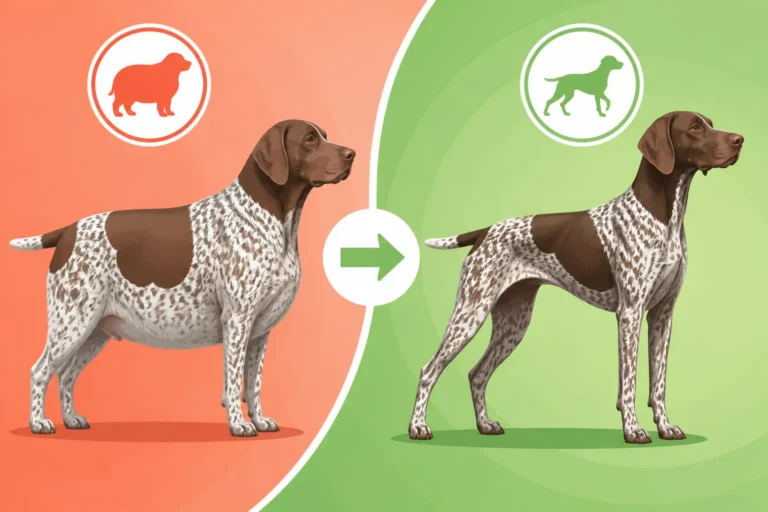
Another tell-tale sign is a change in body condition, even if their food intake hasn't changed. They might start to put on a little weight around the middle, or conversely, if they're struggling with appetite or dental issues, they might lose condition and appear thinner. Their muscle mass might start to decrease, especially over their hindquarters, which is a common sign of sarcopenia, or age-related muscle loss. This muscle loss can impact their mobility, making them seem stiffer or less stable. Observing these physical changes is your cue to reassess their diet and make proactive adjustments to support their aging body. The Age a German Shorthaired Pointer Is Called Senior is a great resource if you're wondering about the timing of these changes.
The Impact on Calorie Needs and Metabolism
A slower metabolism means fewer calories are burned at rest and during activity. If you continue to feed your senior shorthair the same amount and type of food they ate during their prime hunting years, you're very likely to see them gain weight. Obesity in senior dogs is a major concern, as it exacerbates joint pain, contributes to heart disease, and can even shorten their lifespan. It's a difficult balance to strike, because you want them to feel well-fed and satisfied, but you also want to prevent those extra pounds that put strain on already tired joints.
On the other hand, some senior GSPs might experience a decline in appetite or have conditions that make maintaining weight difficult. If your dog is losing weight, it could indicate underlying health issues that need veterinary attention. The key is to monitor their body condition closely, feeling their ribs, spine, and hip bones regularly. You should be able to feel their ribs without seeing them, and they should have a discernible waist. Adjusting their calorie intake downward for weight gain or exploring more palatable, nutrient-dense options for weight loss becomes crucial. It's a journey of careful observation and adaptation, ensuring their daily food intake perfectly matches their reduced energy output.
Key Dietary Adjustments for the Aging German Shorthaired Pointer
Once you recognize that your German Shorthaired Pointer is entering their senior years and their activity levels are naturally declining, it's time to consider specific dietary changes. This isn't just about less food; it's about different food that supports their changing body, focusing on ingredients that promote joint health, maintain muscle mass, and are easy on their digestive system.
Protein, Fat, and Carbohydrate Ratios
For senior German Shorthaired Pointers, maintaining muscle mass is paramount, even as their activity decreases. This means that while overall calories might need to drop, the quality and amount of protein often needs to remain high, if not slightly increased, to combat sarcopenia. Look for highly digestible protein sources like chicken, turkey, lamb, or fish. A diet with around 25-30% protein (on a dry matter basis) is often recommended for senior dogs, but always consult with your vet, especially if your dog has kidney issues.
Fats are still important for energy, skin and coat health, and vitamin absorption, but the amount typically needs to be reduced compared to their younger, high-energy years. Too much fat in a less active dog's diet will quickly lead to weight gain. Aim for moderate fat levels, perhaps 10-15% (dry matter basis), focusing on healthy sources like omega-3 fatty acids, which also have anti-inflammatory benefits for joints. Carbohydrates provide energy, but for a less active senior, complex carbohydrates that are easily digestible and provide sustained energy without spikes are best. Think oats, sweet potatoes, or brown rice, rather than simple sugars or excessive fillers. Many high-quality senior dog foods found on sites like Chewy.com are specifically formulated with these ratios in mind.
The Role of Fiber for Digestive Health
As dogs age, their digestive systems can become a bit more sluggish. Constipation can be a common issue, and a lack of dietary fiber can contribute to it. Increasing the fiber content in your senior shorthair's diet can help promote regular bowel movements and maintain a healthy gut microbiome. Soluble fibers, found in foods like pumpkin, sweet potato, and oats, can help regulate digestion and stool consistency. Insoluble fibers, found in ingredients like beet pulp or cellulose, add bulk to stool.
However, it's a balance. Too much fiber can reduce nutrient absorption and lead to loose stools or gas. A moderate increase in fiber, often included in senior-specific formulas, is usually sufficient. If you're adding fiber yourself, introduce it slowly and in small amounts, observing your dog's stool for any changes. A healthy gut contributes to overall well-being and nutrient absorption, which is vital for an aging dog whose body might not be as efficient as it once was.
Essential Supplements for Joint and Cognitive Support
Supplements can play a crucial role in supporting the specific needs of a senior German Shorthaired Pointer. Joint supplements are almost universally recommended. Ingredients like glucosamine and chondroitin sulfate help maintain cartilage health, while MSM (methylsulfonylmethane) can reduce inflammation and pain. Omega-3 fatty acids, particularly EPA and DHA, derived from fish oil, are powerful anti-inflammatories that benefit joints, skin, and even cognitive function. Joint Supplements for a Hunting German Shorthaired Pointer offers more detail on specific options.
Beyond joint health, consider supplements for cognitive support. Antioxidants like Vitamin E and C, along with ingredients like medium-chain triglycerides (MCTs) found in coconut oil, can help support brain health and potentially slow cognitive decline. If your shorthair is experiencing significant stiffness or has been diagnosed with arthritis, your veterinarian might also recommend specific prescription-strength joint medications in addition to over-the-counter supplements. Always discuss any new supplements with your vet to ensure they are appropriate and won't interact negatively with existing medications or conditions. Arthritis in a German Shorthaired Pointer at Eight is a common reality, and supplements can certainly help.
Here's a quick comparison of common senior dog food approaches:
| Feature | Senior-Specific Kibble | Fresh Dog Food (e.g., Ollie) | Canned/Wet Food |
|---|---|---|---|
| Protein | Often moderate to high, digestible sources | High-quality, human-grade, easily digestible | Varies, can be good quality, very palatable |
| Fat | Lowered to prevent weight gain | Balanced for lean body mass | Often higher, good for picky eaters/weight loss |
| Fiber | Moderate, for digestive regularity | Can be adjusted with added vegetables | Varies, often moderate |
| Palatability | Good, but can be less appealing to picky eaters | Very high, often entices reluctant eaters | Very high, good for appetite stimulation |
| Moisture | Low, requires plenty of water intake | High, excellent for hydration | High, great for hydration and kidney support |
| Convenience | High, shelf-stable, easy to store | Moderate, requires refrigeration/freezing | High, easy to serve |
| Cost | Generally most affordable per serving | Higher investment due to fresh ingredients | Moderate to high, depending on brand/quality |
| Availability | Widely available at pet stores, online (Chewy) | Subscription-based, specialized online retailers | Widely available at pet stores, supermarkets |
Navigating Common Feeding Hurdles in Senior GSPs
Even with the best intentions and the perfect senior formula, feeding an older German Shorthaired Pointer isn't always straightforward. They can develop new preferences, face physical limitations, and encounter health issues that directly impact their ability and willingness to eat. Being prepared for these challenges can make a huge difference in keeping them well-nourished.
Dealing with Decreased Appetite or Picky Eating
It's not uncommon for senior dogs to become less enthusiastic about their food. This could be due to a blunted sense of smell or taste, dental pain, or simply a lower overall drive for food because they're not burning as many calories. If your shorthair suddenly turns up their nose at a food they once loved, don't immediately assume they're just being fussy; first, rule out any underlying medical issues with your veterinarian. Bloodwork Worth Running on an Older Shorthair can help rule out systemic illness.
Once health issues are addressed, you can try several strategies to tempt them. Warming wet food or adding a little low-sodium broth can enhance the aroma and make it more appealing. Mixing in a small amount of a highly palatable fresh food option, like those from Ollie, can also stimulate their appetite. Some senior dogs prefer wet food over dry kibble due to its softer texture and stronger scent. Offering smaller, more frequent meals throughout the day instead of two large ones can also make eating less daunting. Experiment a little, but avoid constantly switching foods, which can upset their sensitive stomachs.
Addressing Dental Issues and Eating Discomfort
Dental disease is incredibly common in older dogs, and it can be a major reason for a senior GSP's reluctance to eat. Painful teeth, gum disease, or even missing teeth can make chewing dry kibble an uncomfortable, if not impossible, task. If you suspect dental issues, a vet visit is essential for a thorough oral exam and cleaning if necessary. Dental Disease in a Middle Aged German Shorthaired Pointer covers this in detail.
For dogs with sensitive mouths, switching to a softer diet is often the best solution. Wet food, soaked kibble, or fresh food options are much easier to manage. If your shorthair still has some healthy teeth, you might try larger kibble pieces if they tend to swallow food whole, as this can encourage a bit more chewing. Alternatively, a puzzle feeder that dispenses softer treats can make mealtime a fun challenge without taxing their teeth. Ensuring good dental hygiene throughout their life, with regular brushing and professional cleanings, can help delay or mitigate these age-related dental problems.
Managing Digestive Sensitivity
An aging digestive system can become more sensitive, leading to issues like gas, diarrhea, or constipation. This might manifest as more frequent stomach upsets after meals, or simply a general discomfort that makes them hesitant to eat. When you transition to a new food, always do so gradually over 7-10 days, mixing increasing amounts of the new food with decreasing amounts of the old. This allows their system to adjust slowly.
Choosing a senior-specific food that is formulated for easy digestion, often with prebiotics and probiotics, can be very beneficial. Avoid sudden changes in diet or introducing too many new treats or table scraps, which can easily trigger an upset stomach. If digestive issues persist, your vet might recommend a prescription diet specifically designed for sensitive stomachs or prescribe digestive enzymes or probiotics. Remember, consistency in diet and careful monitoring of stool quality are key to managing a senior shorthair's sensitive tummy.
Practical Strategies for Keeping Your Older Shorthair Well-Nourished
Beyond choosing the right food, how you feed your senior German Shorthaired Pointer, and the environment you create around mealtime, can significantly impact their health and happiness. These practical strategies can help ensure your aging companion receives all the nutrition they need, comfortably and stress-free.
Adjusting Meal Frequency and Timing
While many adult GSPs thrive on two meals a day, senior dogs, especially those with sensitive stomachs or decreased appetites, often benefit from smaller, more frequent meals. Breaking their daily ration into three or even four smaller meals can be easier on their digestive system, prevent feelings of being overly full, and maintain a more consistent energy level throughout the day. It can also help stimulate their appetite, as a smaller portion might seem less daunting than a large bowl.
Consider your senior shorthair's routine. If they're experiencing joint stiffness, they might struggle to get up and down, so ensure their meal times are consistent and perhaps coincide with when they're already moving around. Feeding them after a gentle walk or a potty break can be a good routine. Avoid feeding large meals right before strenuous activity (even if "strenuous" for a senior means a short walk), as this can increase the risk of bloat, a concern for German Shorthaired Pointers at any age. The Bloat Risk a Shorthair Carries Into Every Season remains a concern, even if their activity is lower.
Creating a Comfortable Feeding Environment
For a senior dog, comfort is key, especially during mealtime. If your shorthair is experiencing arthritis or hip and elbow dysplasia, bending down to eat from a bowl on the floor can be painful. Elevated food and water bowls can make a huge difference by reducing strain on their neck and joints. You can find a wide variety of elevated feeders on platforms like Amazon, ranging from simple stands to adjustable models.
Additionally, ensure their feeding area is quiet, easily accessible, and free from competition from other pets if you have them. A senior dog might take longer to eat, and they shouldn't feel rushed or stressed. Place their bowls on a non-slip mat to prevent them from sliding around, which can be disorienting or difficult for a dog with limited mobility. A calm, consistent, and comfortable feeding spot promotes better digestion and makes mealtime a positive experience. Helping a Stiff Old German Shorthaired Pointer Get Up is often about these small adjustments around the house.
Monitoring Hydration and Water Intake
Hydration is crucial for senior dogs, and it's something many owners don't actively monitor. Older dogs can be more prone to dehydration due to various factors, including decreased thirst drive, kidney issues, or certain medications. Ensuring your German Shorthaired Pointer has constant access to fresh, clean water is non-negotiable.
Consider placing multiple water bowls around the house, especially in areas where your senior shorthair spends a lot of time. If they're reluctant to drink, try adding a splash of low-sodium broth to their water bowl to entice them, or invest in a pet water fountain, which often encourages more drinking due to the flowing water. Feeding wet food, as discussed earlier, is another excellent way to boost their daily water intake. Regular hydration supports kidney function, helps with digestion, and keeps their body systems running smoothly, all of which are vital for a healthy senior life. Whether an Old Shorthair Should Still Swim is a question that often comes up, and ensuring they have access to water, even if it's not for swimming, is key.
Remember, every German Shorthaired Pointer is an individual, and their senior journey will be unique. What works for one might not work for another. The best approach is always a partnership with your veterinarian, who can provide tailored advice based on your dog's specific health status and needs.
Disclaimer
This article is for general informational purposes only and does not constitute professional advice. Laws, prices and regulations vary by location and change over time. Consult a qualified professional for guidance on your specific situation.