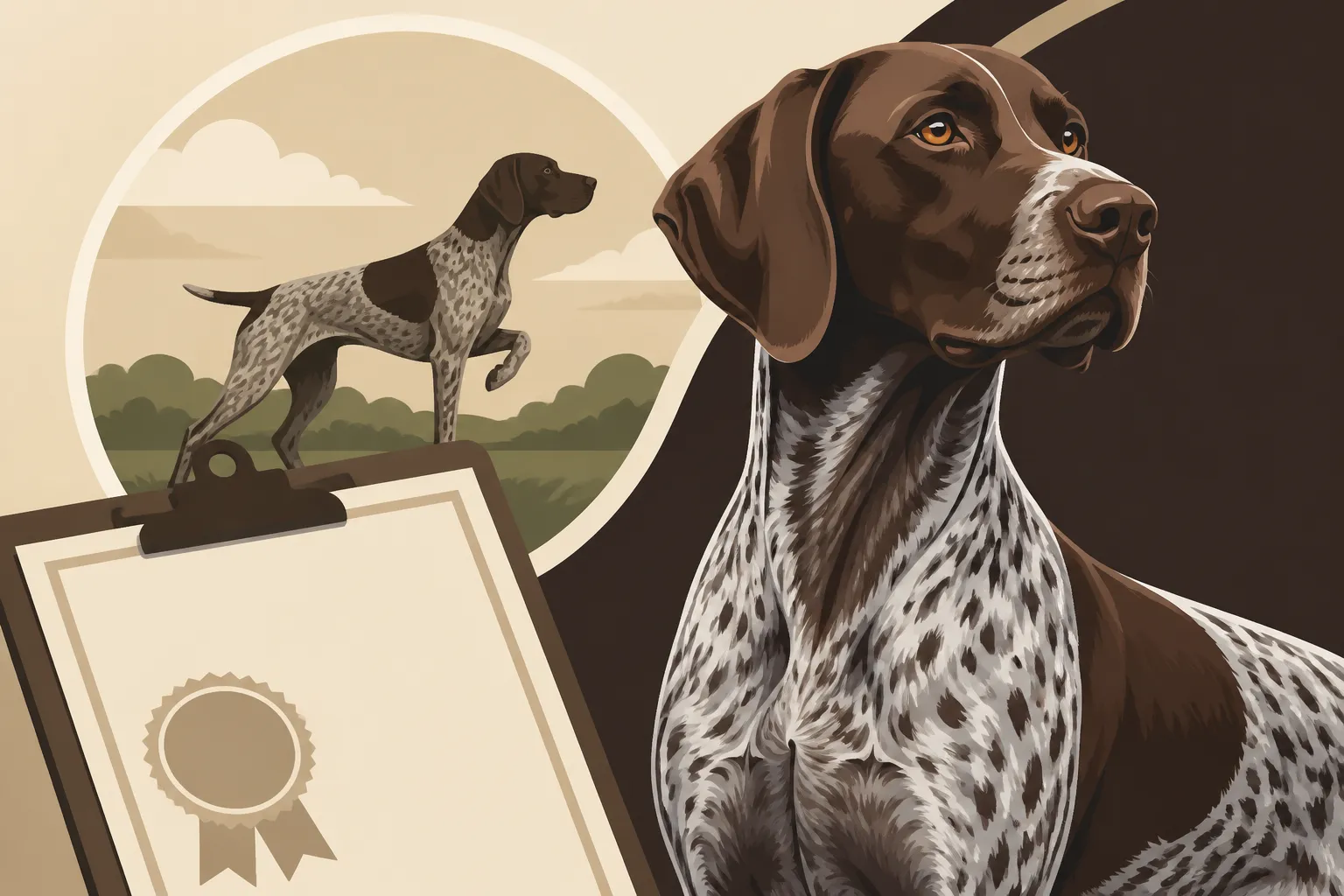
The 1930 AKC Entry of the German Shorthaired Pointer
Bringing a newly recognized dog breed into the official fold of a major kennel club is a monumental task, full of paperwork, politics, and passionate advocates. For the eager German Shorthaired Pointer owners of the early 20th century, getting their beloved versatile hunting companions recognized by the American Kennel Club was a defining moment, one that solidified the breed's future in the United States and changed how these incredible dogs would be understood and valued by generations to come. This guide will explore the journey of the German Shorthaired Pointer to its significant AKC entry in 1930.
The German Roots and Development of the Shorthair
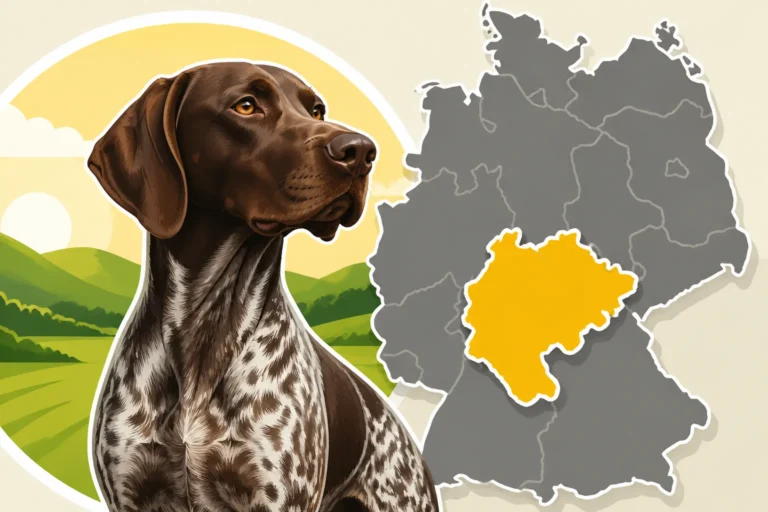
Before the German Shorthaired Pointer ever set paw on American soil, it was a carefully crafted masterpiece of canine genetics developed in Germany. Imagine a group of dedicated hunters in the 19th century, frustrated by the need to take a different dog for every hunting task. They wanted one dog that could do it all: point upland game, track wounded deer, retrieve from both land and water, and even guard the homestead if necessary. This ambitious goal led to the creation of the Deutsch Kurzhaar, or German Shorthaired Pointer, a breed built on utility and versatility.
Early Breeding Goals and European Influences
The development of the German Shorthaired Pointer wasn't a haphazard affair; it was a methodical process driven by a very specific vision. The goal was to create a "Vollgebrauchshund," a versatile utility dog, that could handle all aspects of hunting, from finding game to retrieving it. This meant carefully blending existing breeds known for different strengths. You can trace lines back to the old Spanish Pointer, a strong pointing dog, and various German hounds that offered superior scenting ability and tracking prowess. It was a conscious effort to combine the best traits from different working dogs to produce a single, superior hunting companion. The German Kennels the Shorthair Was Built In illustrates just how intricate this process was, often involving several generations of selective breeding to achieve the desired traits.
The early breeders weren't just looking for physical attributes; temperament was equally crucial. They needed a dog that was intelligent, biddable, and eager to please, yet hardy and tenacious enough to work long hours in challenging conditions. The German hunting tradition placed a high value on a dog that was a true partner, not just a tool. This meant a dog that could be trusted in the field, reliable in its work, and a calm, loyal companion at home. It was this foundation of purpose-driven breeding that would later make the Shorthair so appealing to American hunters.
The Versatile Hunter Ideal
The concept of "versatility" is central to understanding the German Shorthaired Pointer. Unlike some breeds specialized for a single task, the Shorthair was designed to excel across a broad spectrum of hunting activities. Picture a vast European estate or rugged American wilderness: a hunter might need a dog to point pheasants in a stubble field, then later track a wild boar through dense woods, and finally retrieve ducks from an icy pond. For a Shorthair, this wasn't an impossible feat; it was a Tuesday. This inherent ability to switch gears and perform multiple roles with equal dedication is what set the breed apart and made it truly unique.
This ideal wasn't just about showing off; it was about efficiency and practicality for the hunter. Instead of maintaining a kennel full of specialized dogs, each for a different type of game or terrain, a single Shorthair could fulfill those roles. This made owning and working with such a dog incredibly appealing, reducing the logistical challenges and costs associated with managing multiple breeds. It also fostered a deeper bond between hunter and dog, as they relied on each other for a wider range of tasks, building trust and communication that goes beyond a single-purpose relationship. What Versatile Actually Means for a Shorthair delves into this comprehensive skill set.
Characteristics of the Early German Shorthaired Pointer
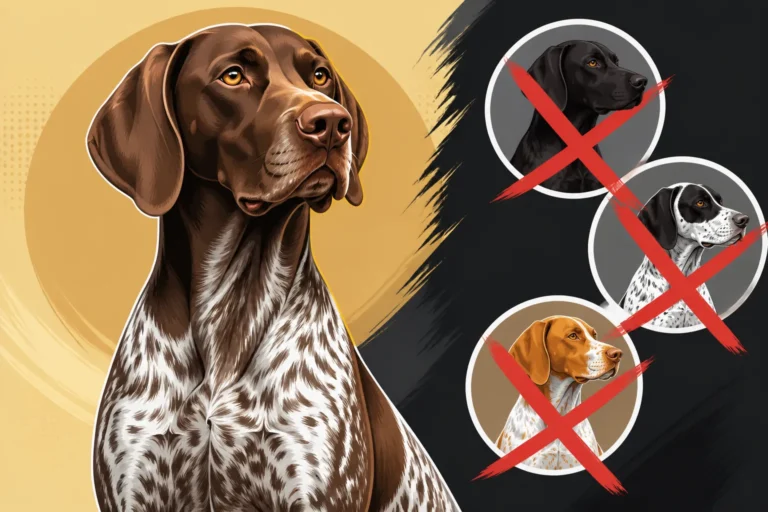
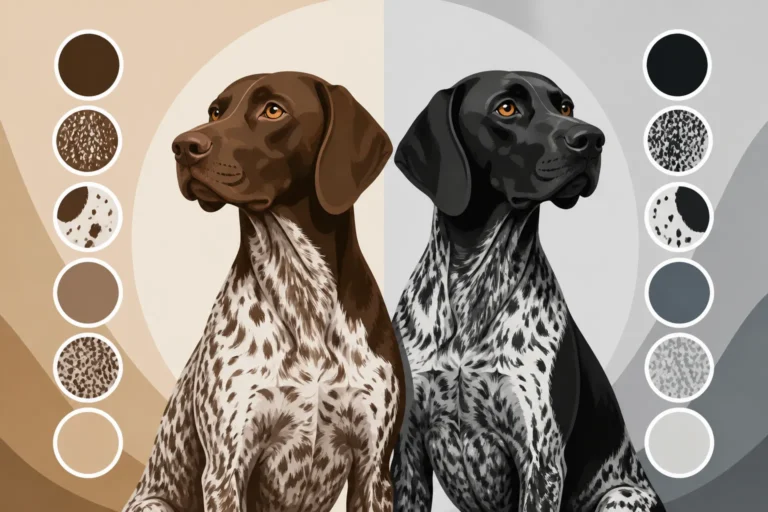
When you look at an early image or description of the Deutsch Kurzhaar, you'd recognize the breed, but there might be some subtle differences from the sleek, athletic Shorthair we know today. Early dogs were often a bit heavier-boned, perhaps a tad slower, reflecting the need for endurance and tracking power over pure speed. Their coats, while short, were dense and water-resistant, built for traversing brush and taking to cold water. The liver and white coloring, or solid liver, was prevalent, although black dogs would eventually gain acceptance.
These foundational characteristics were paramount. A strong constitution, robust health, and an undeniable drive to hunt were bred into every generation. The breed's distinctive docked tail, often about 40% of its natural length, was also established early on, believed to prevent injury during active work in dense cover. These traits were not cosmetic; they were functional, carefully selected to create a dog that could withstand the rigors of hunting day in and day out, in any weather, across varied terrain. The breed’s physical attributes were a direct reflection of its demanding job description.
Bringing the Shorthair to America
The journey across the Atlantic was a significant step for the German Shorthaired Pointer, moving from its carefully cultivated German homeland to the vast and varied landscapes of North America. Early immigrants and passionate sportsmen recognized the potential of this versatile breed to thrive in the diverse hunting grounds of the United States, bringing with them the first true Shorthairs and the ideals of the German breeding programs.
Pioneering Importers and Early Enthusiasts
The first German Shorthaired Pointers didn't just appear in America; they were actively sought out and imported by dedicated individuals who saw their immense value. Picture passionate hunters who had heard tales of these incredible "do-it-all" dogs from friends or family still in Germany, or perhaps encountered them during travels abroad. These were often men who were deeply invested in hunting and understood the need for a truly capable gun dog. They believed the Shorthair could fill a niche that existing American breeds weren't quite meeting.
One of the most influential early importers was Dr. Charles Thornton, who brought some of the earliest foundation dogs to the United States in the early 1920s. He wasn't just bringing dogs; he was importing a philosophy of breeding for versatility and performance. These pioneers weren't just pet owners; they were visionaries who understood the breed's potential to revolutionize American hunting. They had to contend with long sea voyages, the complexities of customs, and the challenge of establishing a new breed in a new country, often starting with a very small gene pool.
Building a Base of American Shorthairs
Once these initial imports arrived, the real work began: establishing a robust and healthy breeding population. This meant carefully selecting breeding pairs to maintain the desired characteristics and avoid common pitfalls like inbreeding. Early enthusiasts formed small, informal groups, sharing knowledge, comparing notes on hunting performance, and strategizing on how to grow the breed responsibly. They were essentially the first American stewards of the German Shorthaired Pointer.
Imagine the discussions over coffee after a hunt, comparing one dog's nose to another's retrieve, or debating the merits of a particular bloodline. This grassroots effort was critical. They weren't just focused on quantity, but quality, striving to uphold the German standards of versatility and sound temperament. They often kept meticulous records, sometimes on index cards or in handwritten ledgers, tracking lineage and performance long before computerized databases were even a dream. These dedicated efforts laid the groundwork for the breed's eventual widespread acceptance.
Initial Challenges of Establishing the Breed
Establishing any new breed in a new country comes with its share of hurdles, and the German Shorthaired Pointer was no exception. One major challenge was simply educating the American hunting public. Many were accustomed to specialized breeds, like English Pointers for upland game or Labradors for waterfowl, and the idea of one dog excelling at everything was a novel concept. There was skepticism to overcome, and the best way to do that was to simply showcase the Shorthair's abilities in the field.
Another challenge was the limited gene pool. With only a handful of dogs initially imported, breeders had to be very careful to expand their lines without sacrificing genetic diversity or introducing undesirable traits. This often meant strategic pairings and sometimes waiting for additional imports to broaden the foundational stock. Furthermore, there was the task of developing a consistent American interpretation of the breed standard, ensuring that as the breed grew, it maintained its integrity and purpose. It was a slow, deliberate process, built on passion and patience, leading up to the momentous decision to seek formal recognition.
The Road to American Kennel Club Recognition
The efforts of those early GSP enthusiasts culminated in a concerted push for official recognition by the American Kennel Club. This wasn't just about prestige; it was about legitimacy, standardization, and opening doors for the breed to compete and flourish on a national level. The year 1930 marked a pivotal turning point, granting the German Shorthaired Pointer the official status it deserved.
Formation of the Parent Club and Breed Standards
Before a breed can be recognized by the AKC, it needs a dedicated parent club to represent its interests and uphold its standards. For the German Shorthaired Pointer, this was the German Shorthaired Pointer Club of America (GSPCA), founded in 1927. This club became the central hub for all things Shorthair in the US. Imagine a group of committed individuals, united by their love for the breed, meeting to formally organize and articulate what made their dogs special. They were tasked with defining the ideal German Shorthaired Pointer.
This involved drafting a comprehensive breed standard – a detailed description of the perfect Shorthair, covering everything from desired height and weight to coat color, ear set, tail length, and even gait. This standard wasn't just pulled out of thin air; it was meticulously developed based on the original German ideals and the best examples of the breed then present in the United States. It provided a blueprint for breeders and judges, ensuring consistency and preserving the breed's unique characteristics. It was a foundational document that would guide the breed's development for decades. The Parent Club That Sets Shorthair Health Rules details the ongoing role of such organizations.
Demonstrating Breed Purity and Consistency
A crucial part of gaining AKC recognition was proving that the German Shorthaired Pointer was a distinct, pure breed with consistent characteristics, not just a collection of similar-looking dogs. This meant providing extensive pedigrees, tracing individual dogs back to their German origins, and demonstrating that offspring consistently displayed the traits defined in the breed standard. Early breeders had to provide evidence of their dogs' lineage and show that they were breeding true to type.
This wasn't always easy, especially with a relatively new breed in America and records that might have been less formal than those kept today. However, the dedication of the GSPCA members ensured that sufficient documentation was compiled and presented. They organized exhibitions and field demonstrations, allowing AKC officials and other stakeholders to see the dogs in action, to observe their conformation, and to witness their working ability firsthand. It was about showing, not just telling, that the Shorthair was a legitimate, established breed worthy of recognition.
Navigating the AKC Application Process
The application process for AKC recognition is rigorous and demanding. It requires a significant amount of administrative work, including formal petitions, detailed breed histories, copies of the proposed breed standard, and photographic evidence. The GSPCA had to meticulously compile all this information, present it clearly, and advocate for their breed. Think of it as presenting a legal case, but for dogs, where every detail matters and every claim must be substantiated.
This process often involved several rounds of review, questions, and sometimes even revisions to the proposed standard or club bylaws. It required persistence and a strong, unified voice from the breed's proponents. The AKC wanted assurance that the breed was well-established, that its characteristics were stable, and that there was a committed group of individuals to uphold its future integrity. The patience and dedication of the early German Shorthaired Pointer Club of America members finally paid off in 1930 when the breed was officially admitted to the AKC Stud Book and allowed to compete in the Sporting Group.
The Significance of the 1930 AKC Entry
The American Kennel Club's official recognition of the German Shorthaired Pointer in 1930 was more than just a bureaucratic milestone; it was a foundational event that dramatically altered the breed's trajectory in the United States. It validated years of dedicated breeding and advocacy, opening up new opportunities and cementing the Shorthair's place in the American sporting dog landscape.
Opening Doors for Competition and Registration
With AKC recognition, German Shorthaired Pointers could now be officially registered in the AKC Stud Book, providing a verifiable pedigree and lineage that was crucial for responsible breeding. This wasn't merely a formality; it meant that every registered Shorthair now had documented proof of its heritage, which helped prevent misidentification and ensured the integrity of the breed. For potential owners, especially those looking for quality hunting stock, an AKC registration provided a level of assurance they hadn't had before.
Beyond registration, the AKC entry flung open the doors to a world of competitive events. German Shorthaired Pointers could now participate in AKC-sanctioned conformation shows, where judges evaluated them against the breed standard for physical appearance. More importantly for many, they could also compete in AKC Hunt Tests and Field Trials, proving their working ability in a structured, competitive environment. This provided a platform for breeders to assess their dogs' performance against others, driving improvements in the breed's natural abilities. The Shorthair's Move Into the AKC Sporting Group signifies the breed's official placement in this prestigious category.
Increased Visibility and Popularity
Official AKC recognition brought with it a significant boost in public awareness and popularity for the German Shorthaired Pointer. Before 1930, the breed was largely known only within a small circle of dedicated hunters and enthusiasts. After, with dogs appearing in prominent shows and events, the Shorthair gained exposure to a much wider audience. People who had never heard of a German Shorthaired Pointer before suddenly saw these striking, athletic dogs, and their reputation as versatile hunters began to spread.
This increased visibility meant more people considering the breed, not just as hunting partners but also as active family companions. While the core focus remained on working ability, the broader appeal helped to solidify the breed's presence in American households. Of course, with increased popularity comes the responsibility to ensure that new owners understand the breed's intense energy and training needs. The more exposure the breed received, the more critical it became for ethical breeders to educate potential buyers about what truly owning a Shorthair entails.
Impact on Breeding Practices and Preservation
The AKC entry had a profound and lasting impact on breeding practices in the United States. With a formalized breed standard and registration system, breeders had clear guidelines to follow. This helped to standardize the breed's appearance and working traits across the country, ensuring that a German Shorthaired Pointer in California resembled one in New York. It encouraged selective breeding for health, temperament, and adherence to the standard, rather than arbitrary pairings.
Moreover, AKC recognition played a vital role in the preservation of the breed. By establishing a clear registry and a parent club, it provided a framework for future generations to safeguard the Shorthair's genetic health and working capabilities. It allowed for the collection of data on health clearances, pedigrees, and titles, enabling more informed breeding decisions. This formal structure ensured that the unique qualities painstakingly developed in Germany and championed by American pioneers would not be lost but would continue to thrive and evolve responsibly.
| Year | Event | Significance |
|---|---|---|
| ~1870s | German breeders begin focused development | Goal: "Vollgebrauchshund" (versatile utility dog) |
| 1920s | First significant GSP imports to the U.S. | Dr. Charles Thornton and others bring foundation stock |
| 1927 | German Shorthaired Pointer Club of America founded | Essential for breed advocacy and establishing standards |
| 1930 | AKC officially recognizes the German Shorthaired Pointer | Breed enters AKC Stud Book, allowed to compete in Sporting Group |
| Post-1930 | Increased popularity & formal competitions begin | Broader exposure, conformation shows, field trials commence |
The Shorthair's Evolution Post-AKC Recognition
Once formally recognized by the AKC, the German Shorthaired Pointer began to truly find its footing in America, adapting to the unique demands of its new home. This period saw the breed evolve, with different lines emerging to prioritize specific traits, yet always striving to maintain the fundamental versatility that defined it.
Developing American Field Lines
With AKC recognition, the Shorthair could now formally compete in field trials and hunt tests, and this created a strong incentive for breeders to focus on working ability. American hunting styles, often involving vast expanses and diverse game birds, sometimes differed from European traditions. This led to the development of distinct American field lines, where emphasis was placed on speed, range, nose, and intense bird drive, often suited for covering large territories quickly.
These field-bred dogs were athletes, honed for performance. Their stamina and desire to hunt became legendary. Breeders meticulously tracked performance records, favoring dogs that excelled in competitive events. While conformation was still a consideration, it often took a backseat to proven ability in the field. This specialization was a natural consequence of competition, as breeders aimed to produce dogs that could consistently win titles and provide unparalleled hunting experiences. If you're looking into How Long a Working German Shorthaired Pointer Stays Sound, the genetics from these strong field lines play a huge role. Many of these lines emphasize structural soundness to ensure longevity in demanding conditions.
The Influence of the Show Ring
While field performance was paramount for many, the show ring also exerted its own influence. Conformation shows, where dogs are judged on how well they adhere to the written breed standard, became another avenue for the German Shorthaired Pointer. This meant breeders focused on aesthetics – ensuring correct head shape, ear set, coat pattern, and overall balanced movement. Dogs that consistently won in the show ring became highly sought after for breeding.
Sometimes, a divide emerged between "field lines" and "show lines." While ideally, a Shorthair should be able to do both, the specific demands of each arena could lead to different priorities. A dog bred primarily for the show ring might have an exquisite head and perfect angulation but perhaps lack the burning desire to cover miles of open country with relentless speed. Conversely, a top field dog might not have the refined elegance that wins Best in Show. Responsible breeders, however, always tried to bridge this gap, aiming for a dog that was both beautiful and a capable worker.
Maintaining the Versatility Ethos
Despite the emergence of specialized field and show lines, the core ethos of versatility remained a defining characteristic for many German Shorthaired Pointer enthusiasts. The breed was founded on the principle of being an all-around hunting dog, and for many, that ideal was non-negotiable. They sought dogs that could still point with intensity, retrieve birds from land and water, and track wounded game, while also possessing the sound structure and temperament to be a cherished family member.
Organizations like NAVHDA (North American Versatile Hunting Dog Association) played a crucial role in preserving this versatility. They established tests that evaluated a dog's natural abilities and trained skills across multiple hunting disciplines, rewarding dogs that excelled in all areas. This provided an alternative, or complementary, path to AKC competitions for those who wanted to ensure their Shorthairs remained true "Vollgebrauchshunds." Many owners find that even just basic obedience training, like that offered through places like Chewy's online resources, helps to manage the energy and intelligence of a truly versatile hunting dog. For any serious owner, understanding The Structure a German Shorthaired Pointer Needs Daily is vital to maintaining that balance of activity and composure.
Understanding Today's German Shorthaired Pointer Legacy
The journey from its German origins to its formal AKC recognition in 1930 has left an indelible mark on the German Shorthaired Pointer, shaping the breed we know and love today. Understanding this history helps us appreciate the breed's strengths and anticipate its needs as a companion and hunting partner.
The Enduring Versatility of the Breed
Even now, decades after its AKC entry, the German Shorthaired Pointer remains a testament to its original breeding goals. It continues to be celebrated as one of the most versatile gun dog breeds in the world. Modern Shorthairs still exhibit that incredible adaptability, capable of excelling in various hunting disciplines, from upland birds to waterfowl, and even tracking. Their athleticism and intelligence make them suitable for a wide array of canine sports beyond hunting, including agility, obedience, dock diving, and scent work.
This versatility isn't just about hunting titles; it translates into a dog that thrives on having a "job" to do, whether it's finding hidden treats in a puzzle feeder, retrieving a favorite toy, or being your running companion for miles. It means they need mental and physical stimulation to be truly happy and well-adjusted. The capacity for sustained activity means that The Two Hours a Day a German Shorthaired Pointer Needs isn't just a suggestion; it's often a baseline for keeping them physically and mentally content.
Health and Temperament Considerations
The emphasis on sound breeding and robust health that underpinned the breed's development continues to be a priority for responsible breeders today. However, like any purebred dog, German Shorthaired Pointers can be predisposed to certain genetic conditions. Reputable breeders conduct health screenings for issues like hip and elbow dysplasia, eye conditions (like cone degeneration), cardiac abnormalities, and certain bleeding disorders. Understanding these potential health concerns, and how they connect to a sound breeding program, is crucial for anyone considering adding a GSP to their family. Hips and the CHIC Panel a German Shorthaired Pointer Needs and The Bleeding Disorder in German Shorthaired Pointer Lines are essential reading for prospective owners.
In terms of temperament, the Shorthair is known for being intelligent, eager to please, and generally quite affectionate with its family. They are often described as "Velcro dogs" due to their desire to be close to their people. However, their high energy, strong prey drive, and need for mental stimulation mean they aren't the right fit for every household. An under-exercised or under-stimulated Shorthair can develop destructive behaviors, from digging up the yard to chewing furniture. Their exuberance, while charming, can sometimes be a challenge, especially around small children or fragile items.
Finding a Reputable Breeder or Rescue
If you're considering welcoming a German Shorthaired Pointer into your life, the legacy of its AKC entry and the dedication of its early proponents mean there's a wealth of information and resources available. Finding a reputable breeder is paramount. A good breeder will be transparent about health clearances, provide pedigrees, allow you to meet the puppy's parents, and ask you just as many questions as you ask them. They will prioritize health and temperament over quick sales. Many breeders today also utilize online platforms or breed-specific forums to connect with potential buyers, sometimes listing their litters on sites where Chewy might also advertise pet supplies.
Alternatively, German Shorthaired Pointer rescues are wonderful organizations dedicated to rehoming dogs that, for various reasons, need a new start. These dogs often come with their own stories, but a good rescue will assess their temperament and provide appropriate medical care before placing them. Adopting a rescue Shorthair can be an incredibly rewarding experience, offering a deserving dog a second chance at a loving, active home. Whether you choose a breeder or a rescue, doing your homework and committing to providing the significant exercise and training a German Shorthaired Pointer requires is key to a long, happy life together.
Disclaimer
This article is for general informational purposes only and does not constitute professional advice. Laws, prices and regulations vary by location and change over time. Consult a qualified professional for guidance on your specific situation.