Why a Flesh Colored Nose Disqualifies a Shorthair
It can be incredibly confusing, and even a little frustrating, when you're looking at German Shorthaired Pointers and keep hearing about breed standards and disqualifications. What exactly does it mean when a certain physical trait, like a "flesh-colored nose," can disqualify an otherwise magnificent dog? It might seem like a minor detail to a loving pet owner, but in the world of purebred dogs, these standards are deeply rooted in history, function, and the health of the breed. This guide is going to peel back the layers and explain precisely why a flesh-colored nose is a disqualification for a German Shorthaired Pointer, what that means for the dog, and why breeders and judges take it so seriously.
Understanding the German Shorthaired Pointer Breed Standard for Nose Color
When we talk about breed standards, we're not just discussing preferences; these are the blueprints that define what a German Shorthaired Pointer (GSP) is supposed to look like and, importantly, what characteristics best enable it to perform the duties it was bred for. Every detail, down to the color of their nose, has a purpose, even if it’s not immediately obvious to the casual observer.
What the Official Standard Dictates
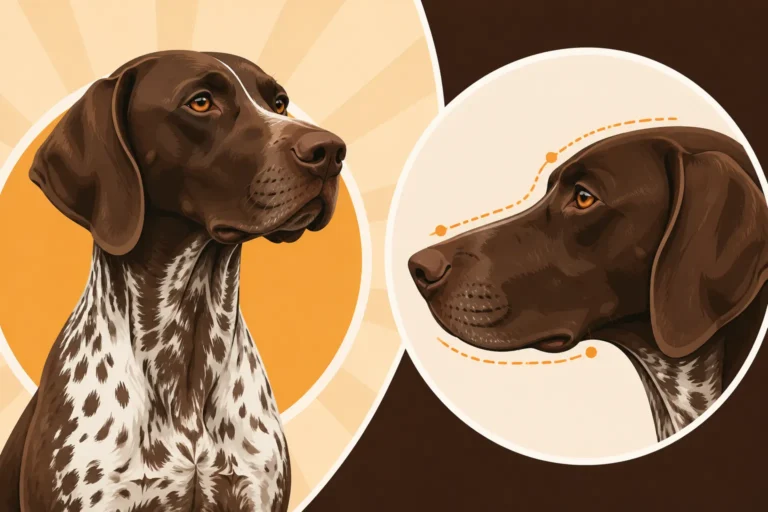
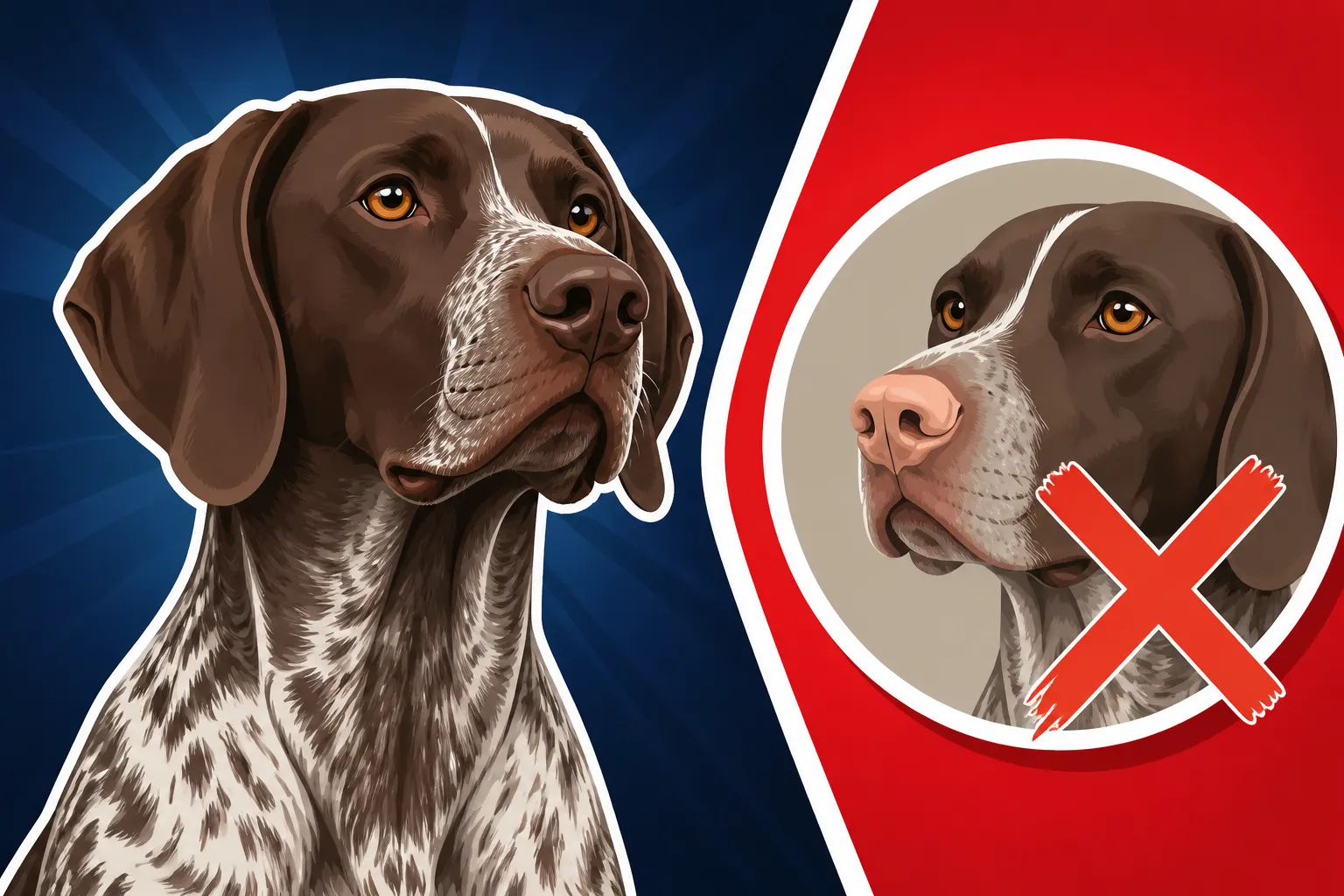
The official breed standards, set by organizations like the American Kennel Club (AKC) in the United States or the Fédération Cynologique Internationale (FCI) internationally, are quite specific about nose color for German Shorthaired Pointers. They universally state that the nose should be solid liver or, for black-coated GSPs, solid black. There's no wiggle room here for variations that might be acceptable in other breeds. A "flesh-colored nose," which essentially means a pink or unpigmented nose, is explicitly listed as a disqualification. This isn't just a minor fault that might cost a few points in the show ring; it means the dog cannot be awarded a conformation title, regardless of how perfect it might be in every other aspect.
Imagine you've poured countless hours into training, conditioning, and presenting your beautiful GSP. You’ve worked on its gait, its stance, its overall presence. The dog might move like a dream and embody the ideal temperament. But if a judge comes across a flesh-colored nose, all that effort in the conformation ring comes to a halt. It’s an immediate "thank you for coming," and the dog is excused. This rule emphasizes the non-negotiable nature of proper pigmentation within the breed standard. It's a fundamental characteristic that breeders strive to maintain, carefully selecting breeding pairs to ensure their puppies meet this essential requirement.
The Importance of Pigmentation Beyond Aesthetics
While a dark, uniformly pigmented nose might simply look "right" on a GSP, its importance extends far beyond just pretty looks. Pigmentation, particularly in areas exposed to the sun like the nose, eyelids, and lips, plays a crucial role in protecting the dog's health. Think of it like natural sunscreen. Just as people with fair skin are more susceptible to sunburn, a dog with a flesh-colored nose has much less natural protection from harmful ultraviolet (UV) rays.
For a breed like the German Shorthaired Pointer, which is meant to be out in the field, often for hours under the sun, this protection is vital. A lack of pigment leaves the delicate skin on the nose vulnerable to sunburn, which can be painful, lead to cracking, and in severe or chronic cases, increase the risk of skin cancer. Melanoma and squamous cell carcinoma are serious concerns for dogs with insufficient pigmentation. So, when the breed standard demands a dark nose, it's not just about tradition; it's a practical measure to ensure the long-term health and resilience of a working dog. This commitment to robust health is part of why the GSP became such a respected, versatile hunting companion in the first place, as discussed in The German Kennels the Shorthair Was Built In.
Historical Context and Functionality Behind the Standard
To truly grasp why a flesh-colored nose is such a critical disqualification, we need to look back at the origins of the German Shorthaired Pointer. This breed wasn't developed purely for aesthetics or companionship, but as a robust, all-around hunting dog, capable of excelling in various tasks in the field. Every physical trait was selected for a reason, contributing to the breed's impressive versatility and durability.
Breeding for a "Total Dog"
The German Shorthaired Pointer was specifically developed to be a "total dog" – a versatile hunter that could point upland game, retrieve downed birds from land and water, and even track wounded game. This required a dog with keen senses, immense stamina, intelligence, and a physical conformation that could withstand the rigors of diverse hunting environments, from dense cover to open fields, in varying weather conditions.
When breeders were meticulously crafting this new breed, they understood the importance of resilient physical characteristics. A dark nose, along with dark eye rims and lips, signifies strong pigmentation throughout the dog's body. This strong pigmentation is often associated with overall hardiness and disease resistance, qualities essential for a dog expected to work tirelessly outdoors. The nose, being the primary tool for a pointing and tracking dog, is constantly exposed to the elements as the dog works the ground. A well-pigmented nose is less likely to suffer damage from sun exposure, frostbite, or even minor abrasions that could affect its delicate sensory capabilities. The strong, sensitive nose was a key characteristic the German Shorthaired Pointer was selected for, a point further elaborated in The Nose the German Shorthaired Pointer Was Selected For. This attention to functional detail, down to the smallest feature, is what truly defines the GSP as a working breed, setting it apart in its ability to handle demanding conditions, a trait it shares with its esteemed The German Shorthaired Pointer Against Its German Cousins.
The Role of Genetics in Nose Pigment
The color of a dog's nose, just like its coat and eye color, is determined by a complex interplay of genetics. Specifically, the amount and type of melanin pigment produced in the skin and hair follicles dictate these colors. For GSPs, the standard calls for liver or black pigment. A flesh-colored nose indicates a genetic inability to produce sufficient dark pigment in that area. It's not just a lighter shade of liver or black; it's a fundamental lack of proper melanocyte function in the nasal planum.
While many GSP puppies might be born with a slightly lighter nose that darkens to its full, rich liver or black pigment over the first few weeks or months, a true flesh-colored nose will remain unpigmented into adulthood. This is usually due to recessive genes that prevent melanin production in that specific area. Breeders who prioritize the breed standard and the health implications behind it will meticulously research pedigrees and undertake genetic testing where available to ensure they are not perpetuating this trait. A flesh-colored nose in an adult dog is a clear sign that the genetic makeup isn't aligning with the established healthy and functional parameters of the breed. Understanding these genetic nuances is part of the comprehensive approach to GSP breeding, which often involves multiple health clearances and adherence to strict guidelines, such as those that might be outlined in Whether a German Shorthair Breeding Rules Beat American Ones.
Implications for German Shorthaired Pointers with Flesh-Colored Noses
So, what does it truly mean for a German Shorthaired Pointer to have a flesh-colored nose? While it has significant consequences in some aspects of the dog world, it's important to differentiate between those implications and the dog's intrinsic value as a companion or a working dog for personal use.
In the Show Ring and for Breeding Stock
The most immediate and obvious impact of a flesh-colored nose is in the conformation show ring. As a disqualifying fault, a GSP with a pink or unpigmented nose simply cannot compete for titles. This means that if your goal is to showcase your dog's adherence to the breed standard or to produce champion lines, a flesh-colored nose is an insurmountable obstacle. Judges are trained to identify these disqualifications swiftly, as they are non-negotiable aspects of the breed's identity.
For breeders, this also carries significant weight. Responsible GSP breeders are dedicated to improving the breed and preserving its defining characteristics, including robust health and proper conformation. Breeding a dog with a disqualifying fault like a flesh-colored nose would be counter to these goals. It risks perpetuating a genetic trait that compromises the breed standard and potentially introduces health vulnerabilities. Therefore, dogs with flesh-colored noses are typically not used in breeding programs, even if they possess many other excellent qualities. Breeders often rely on comprehensive health testing, like those detailed in The Five Tests Behind a German Shorthaired Pointer CHIC Number, to ensure the genetic soundness of their breeding stock, and proper pigmentation is another critical piece of that puzzle. The rigorous standards ensure that future generations of GSPs maintain the integrity and health that define the breed, including proper The Size and Build the Shorthair Standard Asks For.
As a Beloved Companion or Hunting Partner
Now, here's the crucial part: a flesh-colored nose does not diminish a German Shorthaired Pointer's ability to be an incredible pet, a devoted family member, or even a highly capable hunting companion for a private owner. These dogs are still brimming with the intelligence, energy, and affectionate nature that make GSPs so beloved. They will still point with intensity, retrieve with enthusiasm, and bond deeply with their families. The disqualification is purely about adherence to a specific show standard, not about the dog's inherent worth or functional capabilities in a non-competitive setting.
However, owning a GSP with a flesh-colored nose does come with one important consideration: sun sensitivity. Without sufficient pigment, their noses are prone to sunburn. This means you, as their owner, need to be proactive about protection. During sunny days, especially when your GSP is outdoors for extended periods, applying a dog-safe sunscreen to their nose is essential. Many excellent options are available from reputable pet supply retailers like Chewy, specifically formulated for canine use. Limiting their exposure during peak UV hours (midday) can also help prevent discomfort and potential long-term health issues. Just because they might not make it in the show ring doesn't mean they can't have a full, happy, and healthy life in your home and field; it just means you need to be a little more mindful of sun protection, as detailed in Sunscreen on a German Shorthaired Pointer's Nose.
Common Misconceptions and Variations in Pigmentation
It’s easy to get confused when discussing nose colors, especially since there are some normal variations and temporary changes that can occur. Understanding these distinctions is key to recognizing a true flesh-colored disqualification.
"Dudley Nose" Versus Puppy Noses
The term "Dudley nose" is often used to describe a nose that is entirely flesh-colored, or very pink, and lacks any dark pigmentation. In many breeds, including the German Shorthaired Pointer, this is considered a severe fault or a disqualification if it persists into adulthood. A true Dudley nose is a permanent genetic trait.
However, it's really common for GSP puppies to be born with noses that appear lighter, sometimes even pinkish, especially for liver-coated puppies. This is perfectly normal. As the puppy matures, usually within the first few weeks or months, the pigment will gradually darken to the proper liver or black color. This is the natural process of pigment development. So, don't panic if your tiny GSP puppy doesn't have a perfectly dark nose right away! It's when an adult dog maintains this unpigmented, flesh-colored appearance that it becomes a concern for breed standards. This distinction is crucial for breeders and prospective puppy owners alike, as understanding natural development prevents unnecessary worry. It’s one of the many The Eye and Nose Faults That Disqualify a Shorthair that judges must be aware of.
Environmental Factors and Temporary Changes
Beyond genetic causes, there are also some environmental and age-related factors that can affect nose pigmentation, which are different from a genetic flesh-colored nose. One common phenomenon is known as "snow nose" or "winter nose." This is when a dog's dark nose temporarily fades to a lighter pinkish-brown during the colder, less sunny months, and then darkens again in the summer. The exact cause isn't fully understood, but it's believed to be related to temperature and sunlight exposure. This is a benign condition and does not affect the dog's health or its status in the breed standard (as it's usually temporary and the underlying genetic capacity for dark pigment is still present).
Similarly, some older GSPs may experience a natural lightening or fading of their nose pigment as they age. This is often just a sign of the aging process, similar to how human hair turns gray. While it might result in a nose that looks less intensely pigmented, it's not the same as being born with and retaining a flesh-colored nose, which signifies a genetic lack of pigment. These temporary or age-related changes are not considered disqualifications. It’s important to distinguish these natural variations from the true genetic absence of pigment that defines a disqualifying flesh-colored nose. For all your GSP's needs, from sun protection for their sensitive nose to high-quality food, a place like Chewy can be a convenient resource.
Here's a quick overview of GSP nose pigmentation:
| Nose Color Description | GSP Coat Color Match | Show Ring Status | Health & Pet Life Implications |
|---|---|---|---|
| Solid Liver | Liver, Liver Roan | Acceptable | Normal pigmentation, good sun protection |
| Solid Black | Black, Black Roan | Acceptable | Normal pigmentation, good sun protection |
| Flesh-colored / Pink (Adult) | Any | Disqualification | Increased risk of sunburn and skin cancer, requires sun protection |
| Puppy Lightening | Any | Normal development | Usually darkens to proper pigment over time |
| "Snow Nose" (Seasonal fading) | Any | Acceptable | Temporary, usually no health issues |
| Lightening with Age | Any | Acceptable | Normal aging, usually no health issues |
Ultimately, while the term "disqualification" might sound harsh, for the German Shorthaired Pointer, it's a reflection of a deep-seated commitment to preserving the health, functionality, and classic appearance of a truly remarkable breed. It’s a standard born out of generations of careful breeding to create a dog that is as sound in body as it is in spirit.
Disclaimer
This article is for general informational purposes only and does not constitute professional advice. Laws, prices and regulations vary by location and change over time. Consult a qualified professional for guidance on your specific situation.