The Cardiologist Exam a Breeding Shorthair Needs
One of the most heart-wrenching concerns for any German Shorthaired Pointer breeder or owner is the thought of passing on a hidden health issue. It’s a heavy responsibility, especially when you’re dealing with something as serious and often silent as a cardiac condition. This guide is here to walk you through why a thorough cardiologist exam is not just a good idea, but an absolute necessity for your breeding shorthair, what to expect, and how to navigate the results with confidence and care.
Why a Cardiologist Exam is Absolutely Critical for Breeding German Shorthaired Pointers
Bringing new life into the world, especially from a beloved German Shorthaired Pointer, is a privilege, but it comes with a deep obligation to ensure the health and well-being of future generations. Cardiac issues, unfortunately, are not uncommon across many breeds, and GSPs are no exception. A cardiologist exam goes far beyond a routine vet check-up; it’s a deep dive into the heart's function, crucial for making responsible breeding decisions.
Genetic Predisposition and Breed Responsibility
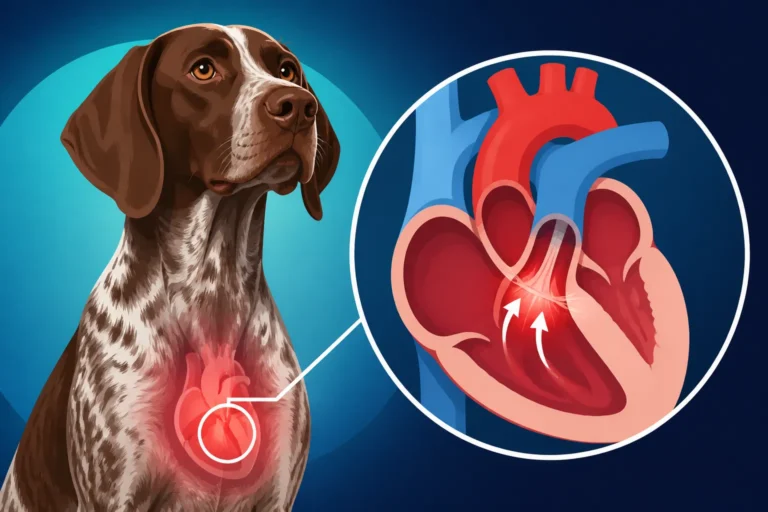
German Shorthaired Pointers, like many purebred dogs, can be predisposed to certain inherited conditions. When it comes to the heart, conditions like subaortic stenosis (SAS) and dilated cardiomyopathy (DCM) are of particular concern in the breed. SAS, for instance, is a narrowing of the outflow tract from the left ventricle of the heart, which can range from mild to severe. A severe case can lead to sudden death, even in seemingly healthy young dogs, a truly devastating outcome that every breeder strives to prevent. DCM, while perhaps less common in GSPs compared to some other breeds, is another serious condition where the heart muscle weakens and can't pump blood effectively.
As a breeder, understanding these predispositions isn't just about avoiding a tragic loss; it's about safeguarding the entire breed's future. By proactively screening your breeding stock, you contribute to a healthier gene pool, reducing the incidence of these conditions in subsequent generations. This isn't about perfection – no dog is perfect – but it's about minimizing risk and ensuring you're doing everything in your power to produce robust, healthy puppies. Think of it as your ethical duty to the breed you love.
Impact on the Litter and Future Generations
Imagine the emotional and financial toll on a new puppy owner if their beloved German Shorthaired Pointer puppy develops a severe heart condition shortly after coming home. It's not just about the vet bills; it's the heartbreak, the shattered dreams of years of companionship and field work. Responsible breeders understand that the health of their puppies is a direct reflection of their breeding practices. A comprehensive cardiac screening program helps ensure that the puppies you produce have the best possible start in life, free from inherited heart defects.
Furthermore, failing to screen can perpetuate these issues through carrier dogs who might not show symptoms themselves but can pass on the problematic genes. This creates a hidden burden on the breed that can resurface years down the line. It's a complex puzzle, but with the right tools, like a thorough cardiologist exam, breeders can make informed choices to prevent this. The goal is always to breed dogs that can live a full, active life, whether that's chasing pheasants in the field or simply enjoying long walks with their family.
Understanding the Different Types of Cardiac Exams for Breeding Shorthairs
When you talk about a "cardiologist exam," it's more than just listening to the heart. There are several layers to this screening, each providing different insights into your German Shorthaired Pointer's cardiac health. Knowing what each test entails helps you understand the process and why your specialist might recommend one over another, or a combination of them.
Auscultation and Basic Screening
The first step in any cardiac evaluation, whether for breeding or just a routine check-up, is usually auscultation – simply listening to your dog's heart with a stethoscope. A general practitioner vet might do this as part of a regular exam. They're listening for murmurs, abnormal rhythms, or extra heart sounds that could indicate an underlying issue. This is a vital first line of defense. If your regular vet hears something suspicious, or if you're planning to breed, a referral to a board-certified veterinary cardiologist is the next logical step.
For breeding purposes, organizations like the Orthopedic Foundation for Animals (OFA) require an OFA Basic Cardiac exam, which often involves an auscultation performed by a board-certified cardiologist or a general practitioner vet who has specific training for this screening. This initial screening can flag obvious issues, but it's important to understand its limitations. A clear auscultation doesn't necessarily rule out all potential cardiac problems, especially those that might be subtle or develop later in life. It's a snapshot, and while valuable, often needs more in-depth follow-up for truly comprehensive breeding clearance.
Echocardiogram and Doppler Imaging
This is where the real detailed work begins. An echocardiogram is essentially an ultrasound of the heart. It allows the cardiologist to visualize the heart's structure in real-time: the size of the chambers, the thickness of the heart walls, the function of the valves, and how efficiently the heart muscle is contracting. For German Shorthaired Pointers, this is particularly important for assessing conditions like subaortic stenosis, where the narrowing of the aorta outflow tract can be clearly seen. You might find yourself scheduling an Echocardiograms for a German Shorthaired Pointer if your vet suspects a murmur or you're getting serious about breeding.
Often, a Doppler echocardiogram is performed simultaneously. This uses sound waves to measure the speed and direction of blood flow through the heart. This is incredibly useful for detecting turbulence or abnormal flow patterns, which can be indicative of valvular disease or conditions like SAS. For instance, with SAS, the Doppler can measure the velocity of blood flow through the narrowed area, giving the cardiologist a precise severity score. This level of detail is invaluable for making informed breeding decisions, ensuring you're not unknowingly perpetuating a problem. The results from these detailed tests are crucial for obtaining a full cardiac clearance, often through the OFA's advanced cardiac database.
Holter Monitoring for Arrhythmias
While auscultation and echocardiograms assess the heart's structure and function at a specific moment in time, Holter monitoring offers a different perspective: it records the heart's electrical activity over a longer period, typically 24-48 hours, as your dog goes about their normal activities. This is critical for detecting intermittent arrhythmias (irregular heartbeats) that might not be present during a brief exam. Some conditions, like certain forms of DCM or other electrical abnormalities, can manifest as irregular heartbeats that come and go.
A German Shorthaired Pointer known for its boundless energy might have an arrhythmia that only shows up during periods of high activity or stress. A Holter monitor allows the cardiologist to capture these fleeting events, providing a more complete picture of the heart's electrical health. The dog wears a small, lightweight device, similar to a vest, with electrodes attached to its chest. It's a non-invasive way to gather crucial data that simply can't be obtained during a static vet visit. This test is especially useful if there's any history of fainting, weakness, or unexplained exercise intolerance, even if other cardiac tests appear normal.
The Cardiologist Exam Process: What to Expect
Going through a specialist exam can feel a bit daunting, especially when it involves something as vital as your beloved GSP's heart. But knowing the steps involved can ease your mind and help you prepare. The process is thorough, designed to get the clearest possible picture of your dog's cardiac health.
Pre-Exam Preparation and Consultation
Before you even step into the specialist's office, there's a bit of prep work to do. First, gather all your dog's medical records, especially any previous veterinary exams where a heart murmur or other cardiac anomaly might have been noted. This includes any previous OFA Basic Cardiac clearances or any general health reports. If you're going for a breeding clearance, ensure you have your dog's registration papers and any microchip or tattoo information handy.
When you arrive, the cardiologist will conduct a comprehensive consultation. They'll ask you about your German Shorthaired Pointer's history, energy levels, exercise tolerance, any coughing, fainting spells, or unusual behaviors. It's important to be honest and thorough, even about subtle changes you might have noticed. This initial conversation helps the cardiologist decide which tests are most appropriate and gives them a starting point for their investigation. They might even ask about your dog's pedigree and if there's any known history of cardiac issues in its bloodlines, which can be an important piece of the puzzle.
The Exam Day: A Step-by-Step Overview
On the day of the exam, your GSP will likely have their vital signs taken and a thorough physical exam performed, including the all-important auscultation. From there, the process will typically move to the echocardiogram. For this, your dog will usually lie quietly on a padded table with a small area of their chest shaved to ensure good contact for the ultrasound probe. Most German Shorthaired Pointers tolerate this very well; it's non-painful, though some might need a little distraction or a calming presence from you. Sedation is usually avoided if possible, as it can sometimes affect heart function and skew results. The cardiologist will systematically scan the heart from various angles, taking measurements and observations.
If Holter monitoring is indicated, the vet tech will fit your dog with the vest and electrodes. This involves carefully shaving small patches of fur to ensure good contact for the electrodes, then securely attaching the monitor. You'll receive instructions on how to care for the monitor and record your dog's activities over the next 24-48 hours – this activity log is crucial for correlating any detected arrhythmias with what your dog was doing at the time. The entire process for the initial exam and echocardiogram might take an hour or two, depending on the findings and the cardiologist's detailed assessment. It can feel like a long wait for your active GSP, but it’s worth it for the peace of mind.
Post-Exam Discussions and Next Steps
Once the echocardiogram is complete, or after the Holter monitor has been returned and analyzed, the cardiologist will sit down with you to discuss the findings. They will explain everything in detail, often showing you images or videos from the echo, and clarify what the results mean for your German Shorthaired Pointer. If everything looks normal, they'll provide the necessary paperwork for OFA clearance or other breeding databases. This is the goal, of course, and a huge relief!
If any abnormalities are found, the discussion will pivot to diagnosis, prognosis, and potential treatment options. This can be a very emotional moment. The cardiologist will outline what this means for your dog's health and, critically, for their suitability as a breeding animal. They might recommend further diagnostics, medication, or lifestyle adjustments. This is where understanding genetic conditions, like How Subaortic Stenosis Kills a Young Shorthair, becomes acutely important. If a condition is diagnosed, you'll need to carefully consider your breeding plans, working closely with your vet and genetic counselors if available. You might also want to discuss insurance options, as companies like Healthy Paws can help manage the costs of ongoing care for chronic conditions, should that be necessary.
Interpreting the Results and Making Breeding Decisions
Receiving your German Shorthaired Pointer's cardiac exam results is a pivotal moment for any breeder. It's not always a clear-cut "yes" or "no," and understanding the nuances is key to making truly responsible decisions.
Achieving Cardiac Clearances
The primary goal for breeding animals is to achieve a cardiac clearance from a recognized organization like the OFA (Orthopedic Foundation for Animals). For advanced cardiac evaluations, a board-certified veterinary cardiologist will submit their findings directly to OFA. If the heart is found to be free of congenital cardiac disease based on their examination and echocardiogram, your GSP will receive an OFA "Normal" rating. This clearance is often a requirement for reputable breeders and is a strong indicator of your dog's cardiac health at the time of examination.
It's important to remember that these clearances are snapshots in time. Some conditions can develop later in life. This is why many breeders choose to re-certify their breeding stock periodically, particularly for certain conditions. For example, some forms of DCM might not manifest until a dog is middle-aged. Discussing the appropriate re-screening intervals with your cardiologist is a wise step to ensure continued vigilance and confidence in your breeding program. A solid cardiac history for your dog and its ancestors is a testament to dedicated breeding. You'll often find these clearances listed alongside other important health checks required for a The Five Tests Behind a German Shorthaired Pointer CHIC Number.
Diagnosing Conditions and Their Implications
Sometimes, despite all best efforts, an exam might reveal a cardiac condition. This is tough news to receive, but it's far better to know than to unknowingly pass on a serious health problem. If a condition like subaortic stenosis is diagnosed, the cardiologist will grade its severity. Mild SAS might have minimal impact on a dog's life, while moderate to severe SAS could significantly shorten their lifespan or require ongoing management. For breeding, any grade of SAS would typically mean that the dog should be removed from a breeding program.
Similarly, if an arrhythmia or early signs of a condition like DCM are detected, the implications for breeding are significant. Even if a dog can lead a relatively normal life with medication, the potential to pass on a genetic predisposition to its offspring is a serious concern. This is where the ethical responsibility of a breeder truly comes into play. It means making hard choices, prioritizing the health of the breed over individual breeding ambitions. Your cardiologist will provide guidance, but the ultimate decision about continuing to breed rests with you, informed by the best available science and ethical considerations. This is also a good time to consider how conditions like The Heart Murmur a German Shorthaired Pointer Puppy Can Carry might impact future generations.
Understanding Carrier Status and Genetic Testing
Beyond structural and functional issues, some cardiac conditions can be linked to specific genes. While genetic tests for all cardiac conditions are not yet available for GSPs, research is ongoing. For some conditions in other breeds, dogs can be "carriers" – meaning they carry one copy of a gene for a disorder but do not express the disease themselves. However, if bred to another carrier, their offspring could inherit two copies and be affected. Understanding carrier status, where applicable, is vital for responsible breeding.
Even without a specific genetic test for a particular cardiac condition, understanding the modes of inheritance for conditions like SAS (which is generally considered polygenic, meaning multiple genes are involved) can help guide breeding decisions. If a GSP has a family history of cardiac disease, even if cleared themselves, it warrants extra careful consideration and possibly avoiding breeding them to dogs with similar family histories. This approach helps to slowly dilute problematic genes out of the population, a long-term goal for dedicated breeders.
Beyond the Exam: Ongoing Cardiac Health Management
A cardiologist exam is a crucial step, but it’s not the end of the journey for your German Shorthaired Pointer’s heart health, especially for a breeding dog or one that has been identified with a condition. Ongoing care and a proactive approach are just as important.
Lifestyle and Nutritional Support for Heart Health
Even a GSP with a perfectly clear heart can benefit from a lifestyle that supports cardiovascular health. German Shorthaired Pointers are athletes; they thrive on regular, vigorous exercise. This keeps their hearts strong and their weight in check, both crucial for preventing cardiac strain. Ensure your dog gets their full The Two Hours a Day a German Shorthaired Pointer Needs of activity. However, if a cardiac condition is diagnosed, your cardiologist will provide specific exercise recommendations, as strenuous activity might need to be modified or limited, depending on the severity of the issue, like with Whether a Shorthair With SAS Should Be Exercised.
Nutrition also plays a significant role. A high-quality, balanced diet that meets the energy demands of an active German Shorthaired Pointer is fundamental. For dogs with diagnosed heart conditions, specialized prescription diets, often lower in sodium, might be recommended to help manage symptoms and reduce the heart's workload. Supplements like omega-3 fatty acids, coenzyme Q10, or L-carnitine might also be suggested by your vet or cardiologist, though always discuss these with your specialist before adding them to your dog's regimen. There's also ongoing research into the link between certain "boutique" or grain-free diets and dilated cardiomyopathy, so sticking with diets formulated by reputable brands that meet WSAVA guidelines is generally recommended. You may even be checking Taurine Levels in German Shorthaired Pointers if diet is a concern.
Regular Follow-ups and Monitoring
For breeding dogs, especially those that will continue to produce litters, regular cardiac re-evaluations are often a good idea. This is particularly true as dogs age, as some conditions can develop or progress over time. Your cardiologist will recommend a schedule, which might be yearly or every two years, depending on your dog’s age, breed-specific risks, and previous findings. These follow-up exams allow the cardiologist to monitor any changes, address new concerns, and ensure your GSP’s heart remains in optimal condition.
For dogs diagnosed with a heart condition, follow-up appointments are even more critical. These often include repeat echocardiograms, blood pressure checks, and possibly Holter monitoring to assess the effectiveness of medication and track disease progression. Working closely with your cardiologist and general veterinarian is key to managing any cardiac issue effectively, giving your GSP the best possible quality of life. This integrated approach ensures that your dog receives continuous, informed care throughout its life, part of maintaining a comprehensive The Vet Schedule a Working Shorthair Should Keep.
Financial Planning and Insurance Considerations
The costs associated with specialist cardiac exams, diagnostics, and ongoing treatment for heart conditions can be substantial. A single echocardiogram might run several hundred dollars, and if lifelong medication or multiple specialist visits are needed, those bills can quickly add up. This is a realistic consideration for any German Shorthaired Pointer owner, especially for breeders who might need to put multiple dogs through these screenings.
Having pet insurance can provide a much-needed financial safety net. Companies like Healthy Paws offer comprehensive coverage that can help cover a significant portion of these unexpected veterinary expenses. When choosing a policy, it's vital to understand what's covered, what the deductible is, and if there are any per-incident or annual limits. Crucially, most pet insurance policies do not cover pre-existing conditions, so enrolling your German Shorthaired Pointer when they are young and healthy is usually the best strategy. This proactive planning can alleviate a significant burden should a cardiac issue arise, allowing you to focus on your dog's care rather than the financial strain. Understanding Monthly Insurance Premiums on a German Shorthaired Pointer and what they cover is a key part of responsible ownership.
Disclaimer
The information provided in this article is for general informational purposes only and does not constitute veterinary advice. Always consult with a qualified and licensed veterinarian or a board-certified veterinary cardiologist for any health concerns or before making any decisions related to your German Shorthaired Pointer's health or breeding program.