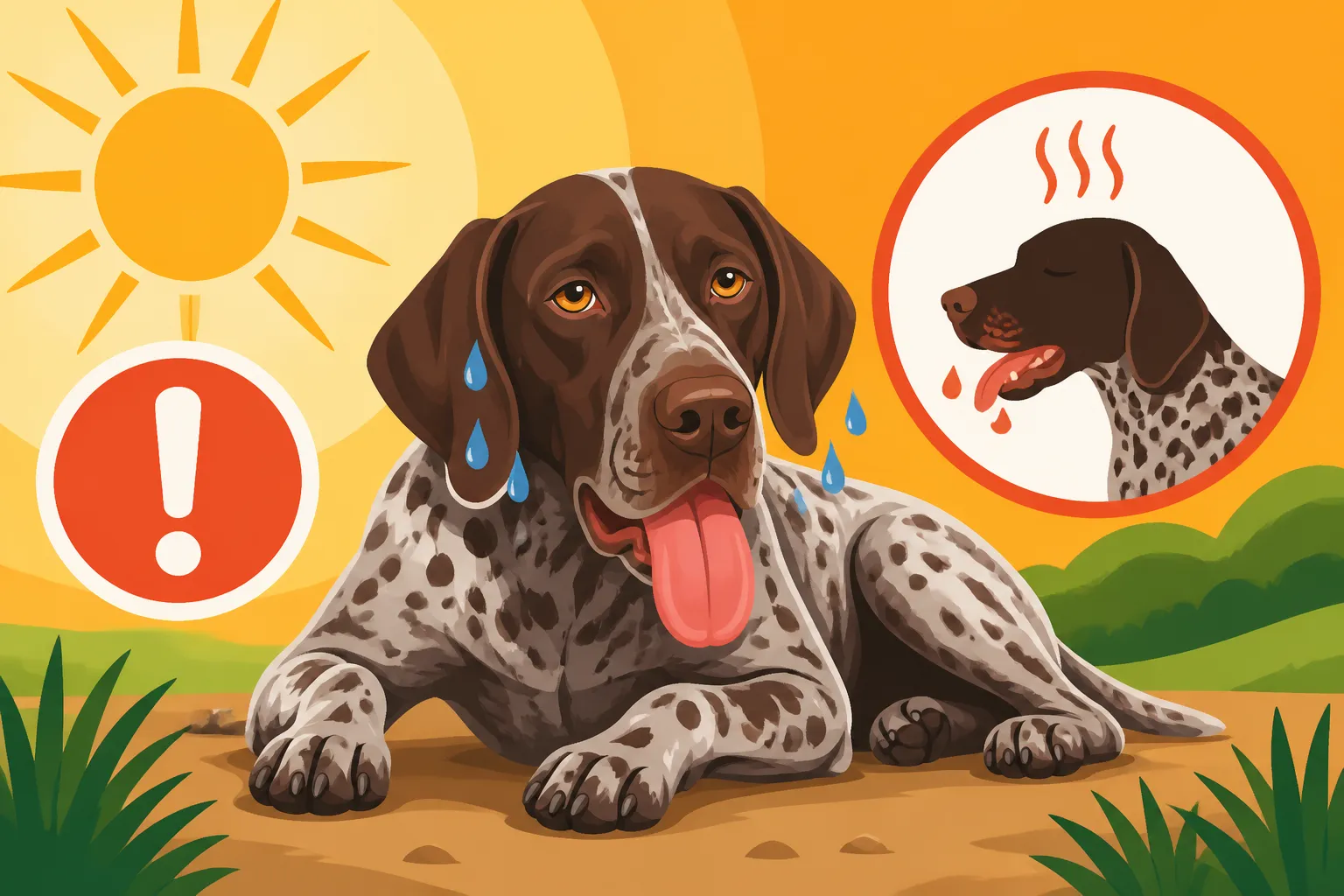
Heat Exhaustion in an Early Season Shorthair
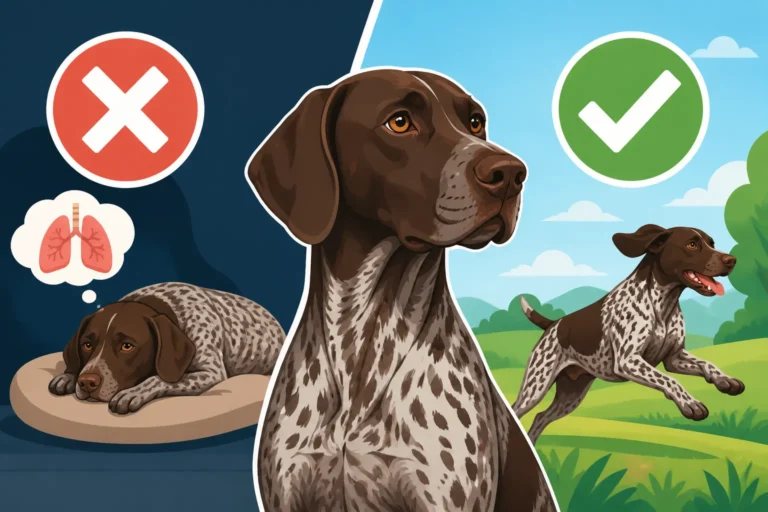
That crisp morning air can be incredibly deceiving, can't it? One minute you're watching your German Shorthaired Pointer bound through stubble fields with boundless energy, feeling that cool breeze on your face, and the next you're seeing signs that make your heart pound with fear: your loyal companion is struggling, collapsing from the heat. Early season heat exhaustion in a shorthair is a silent, swift predator, often catching us off guard when we least expect it. This guide is here to walk you through exactly why this happens, how to spot the subtle and obvious warnings, and most importantly, what you can do to prevent it and react quickly if it strikes.
The Deceptive Danger of Early Season Heat
It’s a common scenario for many of us who live for those early dove or pheasant hunts: you’ve been looking forward to opening day for months, and your shorthair is just as eager. The air might feel pleasant to you, maybe even a little cool, but that doesn't mean your dog isn't silently boiling from the inside out. The truth is, early season hunting presents a unique set of challenges that can make German Shorthaired Pointers particularly vulnerable to overheating.
The Illusion of Cooler Air
When we talk about early season, we often think of late summer or early fall. For us humans, a temperature of 70 or even 80 degrees Fahrenheit might feel quite comfortable, especially with a slight breeze. We're wearing lighter clothing, and our bodies are efficient at sweating to cool down. Our German Shorthaired Pointers, however, are wearing a permanent fur coat, even if it's short and sleek. Their primary cooling mechanism is panting, which becomes far less effective as ambient temperatures rise, particularly when humidity is also a factor. What feels like a "cool" morning to us can quickly become a furnace for a dog expending intense energy, pushing through thick cover or retrieving tirelessly. That illusion of mild weather can lead us to overestimate how much work our dogs can safely do.
The Unconditioned Dog
Let’s be honest, during the off-season, even the most dedicated hunting dogs might not be in peak physical condition. They might have enjoyed more couch time, fewer long runs, and generally less strenuous activity. Their cardiovascular systems and muscle endurance aren't quite ready for the demanding, high-intensity bursts required for a full day of hunting. When a German Shorthaired Pointer, still shaking off the cobwebs of summer, is suddenly asked to quarter a field for hours, sprint after pheasants, and make multiple retrieves, their body generates a tremendous amount of internal heat. Without the proper conditioning, they simply can't dissipate this heat efficiently, leading to a rapid core temperature increase. It's like asking a marathon runner to tackle a race without any training – the consequences can be severe. This lack of conditioning, combined with the season's early warmth, creates a perfect storm for heat-related illnesses.
The Role of Humidity
Temperature is only one piece of the puzzle; humidity is the silent killer. Imagine trying to cool off by sweating in a steam room – it’s incredibly difficult. The same principle applies to our dogs. German Shorthaired Pointers primarily cool themselves through evaporative cooling when they pant. As they rapidly exchange air, moisture evaporates from their tongue and respiratory tract, drawing heat away from their body. However, if the air is already saturated with moisture, as it often is on a muggy September morning, this evaporation process is severely hampered. High humidity means less effective panting, and less effective cooling, even if the thermometer isn't screaming "danger." A 75-degree day with 90% humidity can be far more dangerous than an 85-degree day with dry air. Always check the heat index, not just the temperature, before heading out, especially if you have a high-energy breed like a shorthair.
Understanding How German Shorthaired Pointers Handle Heat
German Shorthaired Pointers are incredible athletes, bred for endurance and a relentless drive in the field. But these very traits, coupled with their specific physiology, make them particularly susceptible to overheating. It's not a flaw in the breed, but rather a characteristic that owners must understand and manage carefully.
Built for Burst, Not Sustained Heat
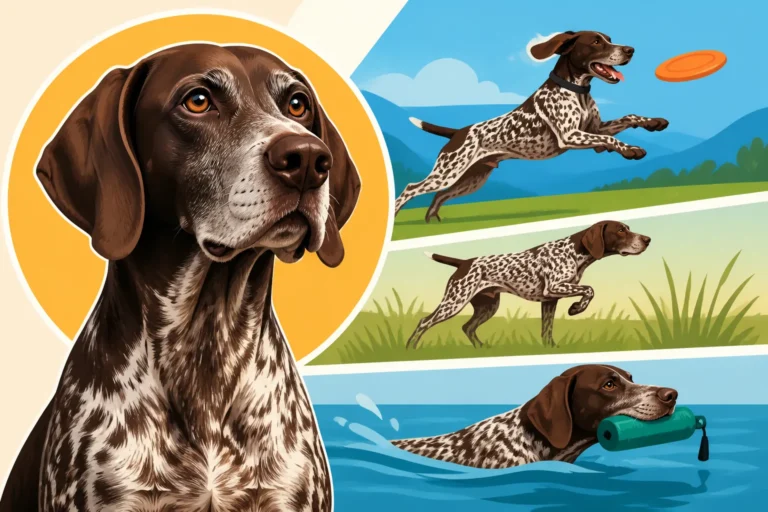
Think about what a German Shorthaired Pointer is asked to do: they range wide, often covering miles at a flat-out run, then stop on a dime for a point, then sprint again for a retrieve. This is a highly anaerobic and demanding type of exercise, designed for bursts of speed and power. Their powerful musculature and incredible stamina mean they generate a lot of metabolic heat when they're working hard. In cooler temperatures, this isn't an issue; their bodies can usually radiate and pant enough to stay within a safe range. However, when the air temperature and humidity prevent that efficient heat exchange, that very engine that makes them so effective in the field becomes a liability. They can push themselves to the brink without showing obvious signs of slowing down until it's almost too late, driven by an innate desire to please and hunt. This intrinsic drive means you, the handler, are the only one looking out for their physical limits.
Their Short Coat – A Double-Edged Sword
Many people mistakenly believe that a short-coated dog is inherently better suited for warm weather than a long-haired breed. While a German Shorthaired Pointer's sleek, short coat doesn't trap heat like a thick double coat might, it also offers very little insulation against external heat. In direct sunlight, especially during the middle of the day, their dark or liver-colored coats can absorb a significant amount of solar radiation, rapidly increasing their surface temperature. Furthermore, while it's fantastic for shedding burrs and drying quickly, it doesn't provide the same protective barrier against UV rays or prevent heat transfer from scorching ground or hot air as effectively as some other coats might. So, while it's great for aerodynamics and field work, it's not a magical shield against the summer sun.
The Impact of Their High Metabolism
German Shorthaired Pointers are lean, energetic machines. They burn through calories at an impressive rate, even at rest, and this metabolic activity increases dramatically during exercise. A high metabolism means constant internal heat production. While essential for their performance, this also means they are generating heat internally even before environmental factors contribute. Combine this with their enthusiastic, often non-stop work ethic in the field, and you have a dog constantly fighting to maintain a safe core temperature. Factors like excitement, stress, or even consuming a large meal right before exercise can further elevate their metabolic rate and, consequently, their heat production. This is why careful planning of The Rest a Shorthair Needs Between Eating and Running is crucial. A dog that is already running hot metabolically will be pushed into dangerous territory much faster than a less active breed.
Recognizing the Warning Signs of Heat Exhaustion
Spotting the signs of heat exhaustion in your German Shorthaired Pointer is absolutely critical. They can go from seeming "fine" to being in severe distress alarmingly quickly, especially with their stoic nature and immense drive. Pay close attention to subtle shifts in behavior and physical cues.
Early Indicators of Trouble
The very first signs of heat exhaustion are often subtle and can easily be missed if you're not actively looking for them. Your dog might start panting heavier than usual, even after what seems like a short burst of activity. Their gums might appear brighter red than normal, indicating increased blood flow trying to dissipate heat. You might notice they're seeking shade more frequently, even if they usually prefer to be right in the action. Excessive drooling or thick, ropey saliva is another early warning sign. They might also appear a bit less responsive to commands, or their usual enthusiastic tail wag might be a little weaker. If your shorthair, known for its boundless energy, starts to lag behind or breaks point prematurely, take it seriously. Don't dismiss these as simply being tired; in the context of early season heat, they are red flags. It’s better to be overly cautious than to regret ignoring these initial warnings.
Progressing to Heat Stroke
If the early signs are ignored, your shorthair can quickly progress from heat exhaustion to full-blown heat stroke, a life-threatening emergency. At this stage, symptoms become much more severe and alarming. Their panting will become extremely rapid and shallow, almost desperate. Their gums might turn a dull, brick red or even bluish-purple, indicating a lack of oxygen. They may stagger, appear disoriented, or even collapse. Vomiting and diarrhea, sometimes bloody, are also common as internal organs start to shut down. Their body temperature will be dangerously high, often exceeding 105 degrees Fahrenheit. In severe cases, seizures can occur, and they may fall unconscious. This is a critical situation that requires immediate intervention and veterinary care. Even if your dog seems to recover quickly after cooling, internal damage might have occurred, making follow-up with a vet essential. Many pet insurance providers, like Healthy Paws, emphasize the importance of seeking immediate care for emergencies like heat stroke.
Subtle Behavioral Changes
Beyond the obvious physical signs, pay attention to subtle changes in your dog's demeanor. A German Shorthaired Pointer that is usually eager to retrieve might suddenly ignore a thrown bumper. They might become restless, unable to settle, or conversely, unusually lethargic and slow to move. Some dogs will frantically try to find water or dig at the ground. Their intense focus on the hunt might wane, or they might seem confused. They may refuse treats or water, even when offered. Any deviation from your dog's normal, energetic hunting behavior in warm conditions should trigger your concern. Remember, their instinct is to push through discomfort, so you need to be their advocate. Regularly performing Checking a German Shorthaired Pointer Over After a Hunt can help you notice these subtle changes before they escalate.
Here's a quick reference guide to help you distinguish between signs:
| Symptom Category | Early Heat Exhaustion Signs | Severe Heat Stroke Signs |
|---|---|---|
| Breathing | Increased panting, slightly louder | Extreme, rapid, shallow panting; labored breathing |
| Gums | Brighter red than normal | Dull brick red, purple/blue (cyanotic), very pale |
| Saliva | Excessive drooling, thicker | Very thick, ropey, sticky saliva; foamy at mouth |
| Energy/Behavior | Seeking shade, lagging, decreased responsiveness | Staggering, disorientation, collapsing, seizures, unconsciousness |
| Gastrointestinal | May refuse water/food | Vomiting, diarrhea (possibly bloody) |
| Body Temperature | Elevated (usually 103-104°F) | Dangerously high (105°F and above) |
| Other | Restlessness, confusion, weak tail wag | Muscle tremors, loss of coordination |
Immediate First Aid and Emergency Response
When you recognize the signs of heat exhaustion or heat stroke, time is of the essence. Quick, decisive action can literally save your German Shorthaired Pointer's life. Don't panic, but act swiftly and methodically.
Getting Them Out of the Heat, Fast
The very first step, without a second's delay, is to remove your dog from the hot environment. This means stopping the hunt immediately, getting them out of direct sunlight, and away from hot surfaces like asphalt or rocky terrain. Move them to the coolest, shadiest spot you can find, preferably where there's a breeze. If you're near your vehicle, get them into an air-conditioned car. Even if the car isn't fully cool yet, the moving air will help. If you have a truck, get them out of the direct sun and onto a cooler surface in the bed, or even better, inside the cab with you. This initial removal from the heat source is paramount to stopping their core temperature from rising further. Every second counts, so prioritize this above all else.
Cooling Techniques That Work
Once you've moved them to a cooler spot, begin actively cooling your shorthair. The goal is to lower their body temperature gradually, not drastically, to avoid shock.
- Water: Douse them thoroughly with cool (not ice-cold) water. Focus on areas where large blood vessels are close to the surface: the armpits, groin, belly, and paw pads. You can use a hose, bottled water, or even a wet towel. Avoid using ice water or immersing them completely in ice water, as this can cause blood vessels to constrict, actually hindering cooling, or even lead to hypothermia if overdone.
- Airflow: Position them in front of a fan or in the path of your car's air conditioning. The evaporative cooling from the water combined with moving air is incredibly effective.
- Wet Towels: Place cool, wet towels over their body, especially in those key areas mentioned above. Change the towels frequently as they warm up.
- Paw Pads: These are crucial cooling points. Wet their paw pads and encourage them to stand on wet ground if possible.
- Offer Water: If they are conscious and able to drink, offer small amounts of cool, fresh water. Don't force them to drink, as they could aspirate it if they're disoriented or struggling.
Continue these cooling efforts for about 10-15 minutes, or until you see significant improvement in their breathing and demeanor. If you have a rectal thermometer, check their temperature every 5-10 minutes. Stop active cooling when their temperature drops to around 103°F to prevent overcooling.
Monitoring and Transport
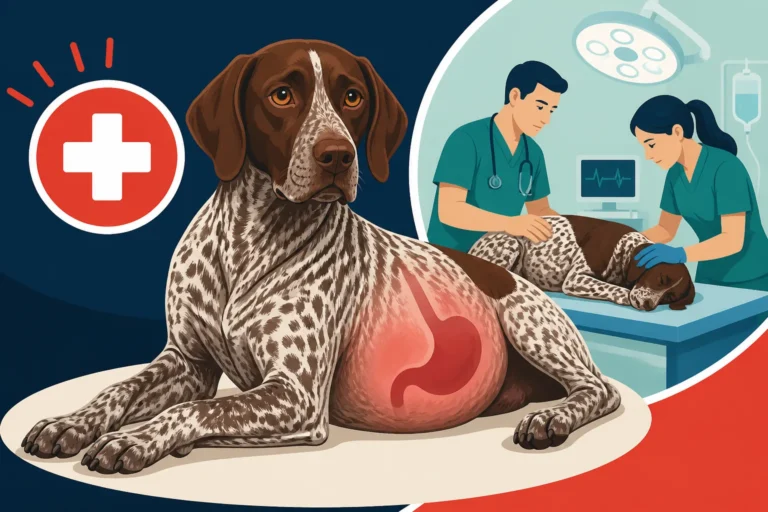
Even after initial cooling, your German Shorthaired Pointer needs immediate professional veterinary attention. Heat stroke can cause internal organ damage that isn't immediately visible. As you continue cooling efforts, call the nearest veterinary clinic or emergency animal hospital to let them know you're on your way and what's happening. This allows them to prepare for your arrival. During transport, continue to keep the air conditioning running, or the windows open for airflow. Keep wet towels on them if possible. Monitor their breathing and alertness. Even if they seem to perk up, a vet visit is non-negotiable. Conditions like acute kidney failure, disseminated intravascular coagulation (DIC), or brain swelling can develop hours after the initial heat stroke episode. Having pet insurance, like a policy from Healthy Paws, can certainly alleviate some of the stress of emergency vet bills in these critical moments, allowing you to focus purely on your dog's recovery. This is not the time to second-guess calling the vet; it's a true emergency.
Proactive Strategies for Preventing Early Season Overheating
Preventing heat exhaustion is always better than treating it. With German Shorthaired Pointers, known for their powerful drive and dedication in the field, it's particularly important for owners to be proactive and implement smart strategies.
Conditioning Your Shorthair for the Season
Just like any athlete, your German Shorthaired Pointer needs a proper conditioning program leading up to hunting season. You can't expect them to go from couch potato to covering miles in the field without risk. Start weeks, if not months, before opening day with a gradual increase in exercise intensity and duration.
- Gradual Increase: Begin with daily brisk walks, slowly transitioning to longer jogs, and then supervised off-leash runs.
- Controlled Environments: Start in cooler parts of the day, like early mornings or late evenings, and in areas with shade.
- Build Endurance: Incorporate activities that build cardiovascular fitness, such as swimming, which is excellent for conditioning without the impact on joints or the same level of heat generation as land-based exercise.
- Simulate Hunting: As the season nears, introduce short training sessions that mimic actual hunting scenarios, ensuring they are conditioned to the stop-and-go nature of the work.
This preparation helps their cardiovascular system become more efficient, improves their muscle endurance, and acclimatizes their body to the demands of the field. A properly conditioned dog is far less likely to succumb to heat exhaustion. You can read more about Conditioning a Shorthair Before Opening Day to get them ready.
Hydration and Feeding Schedules
Hydration is paramount for preventing heat exhaustion. A well-hydrated dog can regulate its temperature much more effectively.
- Constant Access to Fresh Water: Always ensure your shorthair has access to plenty of fresh, cool water, especially on training days and during hunts.
- Pre-hydration: Encourage them to drink water before you even head out. Some owners will even offer a diluted chicken broth or a rehydration solution to entice them to drink more.
- Scheduled Water Breaks: During a hunt, don't wait for your dog to show signs of thirst. Schedule frequent, mandatory water breaks, every 15-20 minutes in warm weather. Make sure the water is readily available and clean. Many hunters carry a portable water bowl and multiple bottles of water in a backpack.
- Feeding Timing: Avoid feeding a large meal within a few hours of strenuous activity. Digestion itself generates heat. Feed smaller meals further away from hunt times. For example, give them their main meal in the evening after their day is done, and a lighter, easily digestible snack a few hours before an early morning hunt.
- Electrolytes: For dogs working hard in warm weather, consider adding canine-specific electrolyte supplements to their water during breaks. This can help replenish essential minerals lost through panting and sweating (yes, dogs do sweat a little through their paw pads).
Gear and Environmental Management
Smart choices about when and where you hunt, along with the gear you use, can significantly mitigate the risk.
- Timing Your Hunts: In the early season, restrict hunting to the coolest parts of the day. This typically means starting at dawn and finishing before the sun gets too high, or waiting until the late afternoon/evening once temperatures begin to drop. Avoid the midday heat entirely.
- Choose Your Terrain Wisely: Opt for areas with more shade and access to natural water sources if possible. Avoid vast, open, sunny fields or areas with dark, heat-absorbing surfaces.
- Cooling Gear: Consider using cooling vests or bandanas that are soaked in water and worn by your dog. These can provide a layer of evaporative cooling. While useful, they are not a substitute for proper hydration and rest.
- GPS Tracking Collars: For those expansive hunts, a GPS collar can be a lifesaver, allowing you to monitor your dog's location and retrieve them quickly if they show signs of distress or go down out of sight. What a GPS Tracking Collar Costs a Shorthair Owner is a worthwhile investment for safety.
- Know When to Call It: The most important tool in your prevention arsenal is your judgment. If the weather forecast indicates high temperatures and humidity, or if your dog is showing any early signs of struggling, be prepared to cut the hunt short or not go out at all. No bird is worth your dog's health or life. Remember, The Temperature a German Shorthaired Pointer Should Not Hunt In varies, but it's always better to err on the side of caution.
When to Seek Veterinary Attention and What to Expect
While immediate first aid is crucial, understanding that heat exhaustion, especially when it progresses to heat stroke, often has hidden consequences that necessitate professional veterinary care is paramount. A quick recovery in the field doesn't mean your dog is out of the woods.
The Critical Need for Professional Care
Even if your German Shorthaired Pointer seems to bounce back quickly after your initial cooling efforts, a trip to the veterinarian is non-negotiable. Heat stroke can cause damage to internal organs such as the kidneys, liver, heart, and brain, which may not manifest immediately. Complications like acute kidney failure, abnormal blood clotting (disseminated intravascular coagulation or DIC), or cerebral edema (brain swelling) can develop hours or even days after the initial incident. Without a thorough examination and diagnostic tests, these insidious complications can go undetected, leading to devastating long-term health issues or even death. Think of it as a person having a heart attack: they might feel better after initial treatment, but they still need to be admitted to the hospital for observation and further testing. Your vet can assess the extent of any damage and initiate appropriate treatment, providing the best chance for a full recovery. This is an expense where having pet insurance, such as Healthy Paws, can make a significant difference, as emergency care can be costly.
Diagnostic Tests and Treatment Approaches
When you arrive at the veterinary clinic with a German Shorthaired Pointer suspected of heat stroke, the veterinary team will immediately take over and continue cooling efforts if necessary. They will then perform a comprehensive examination and likely recommend a battery of diagnostic tests:
- Blood Work: This is crucial. A complete blood count (CBC) will check for dehydration and red blood cell damage, while a chemistry panel will assess kidney and liver function, electrolyte balance, and blood sugar levels. They'll specifically look for markers that indicate organ damage.
- Coagulation Profile: Heat stroke can severely affect blood clotting mechanisms. A coagulation profile (PT/aPTT) will determine if your dog is at risk for internal bleeding or abnormal clotting.
- Urinalysis: This can help assess kidney function and hydration status.
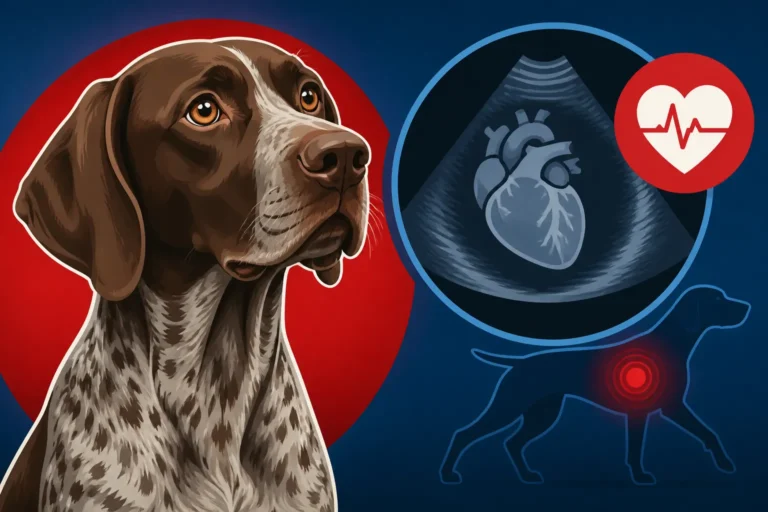
- ECG (Electrocardiogram): In some cases, an ECG might be performed to check for any heart arrhythmias that can occur with severe heat stress.
Treatment will be tailored to your dog's specific condition but will generally include:
- Intravenous (IV) Fluids: To combat dehydration, support organ function, and help maintain blood pressure.
- Medications: Depending on symptoms, anti-nausea drugs, gastroprotectants for stomach upset, or medications to manage blood clotting issues might be administered.
- Monitoring: Your dog will likely be kept for observation, potentially overnight or longer, to monitor their temperature, heart rate, respiratory rate, and blood parameters. They will be watching for any signs of developing complications.
For more information on the severe side of things, our article on Heat Stroke in a September Shorthair delves deeper into the emergency care needed.
Long-Term Recovery and Management
The recovery period after a heat stroke can vary widely depending on the severity of the episode and the extent of internal damage. Some dogs bounce back fully with no apparent long-term effects, while others may experience lingering issues.
- Restricted Activity: Your vet will likely recommend a period of strict rest, avoiding any strenuous exercise, even after they seem to recover. This allows their organs time to heal.
- Follow-Up Care: Follow-up blood tests and examinations will be necessary to ensure kidney and liver functions have returned to normal.
- Increased Sensitivity: Dogs who have experienced heat stroke once are often more susceptible to it in the future. You'll need to be even more vigilant about prevention, modifying their exercise routine in warm weather, and adhering strictly to hydration protocols.
- Dietary Adjustments: If organ damage occurred, your vet might recommend specific dietary changes or supplements to support recovery.
It's a stark reminder that while German Shorthaired Pointers are incredibly tough, they aren't invincible. Understanding the risks, recognizing the signs, and acting quickly are the best ways to ensure your beloved hunting partner stays healthy and enjoys many more seasons in the field.
Disclaimer
The information provided in this article is for educational purposes only and is not intended to be a substitute for professional veterinary advice, diagnosis, or treatment. Always seek the advice of your veterinarian or other qualified animal health provider with any questions you may have regarding a medical condition.