Whether a Carrier Shorthair Ever Loses Its Sight
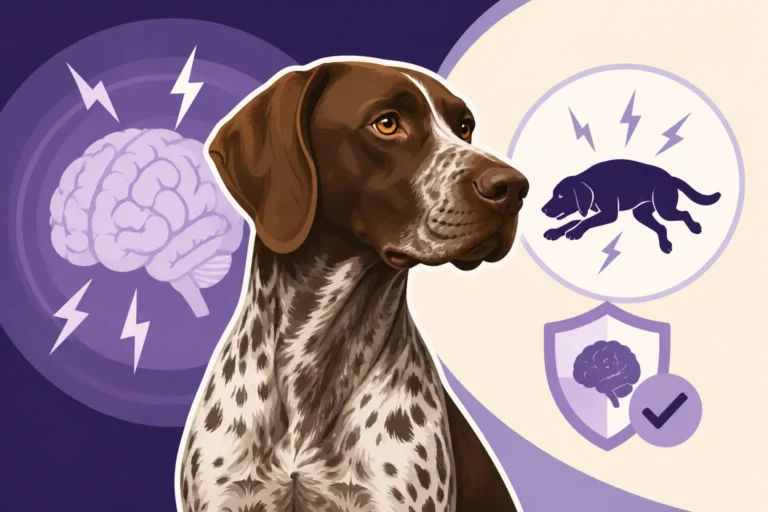
It's completely normal to feel a surge of anxiety when genetic test results come back for your beloved German Shorthaired Pointer, especially when you see the word "carrier" attached to a condition like cone degeneration. You immediately start picturing your energetic companion struggling with vision, bumping into things, and losing that sharp focus they have in the field or the park. The good news, and a huge relief I can tell you right away, is that a GSP who is a carrier for cone degeneration will not lose their sight because of that carrier status. This guide is all about setting the record straight, explaining what it means to be a carrier, and why your dog's day vision is safe.
Understanding Cone Degeneration in German Shorthaired Pointers
Let's start by breaking down what cone degeneration actually is, because understanding the "affected" status helps clarify why "carrier" is so different. It’s a condition that specifically impacts a dog's ability to see in bright light and distinguish colors, primarily due to issues with the cone cells in their eyes.
What is Cone Degeneration and How Does it Work?
Imagine the inside of your dog's eye, specifically the retina, which is like the camera film at the back. Within this retina, there are millions of specialized cells responsible for capturing light and sending signals to the brain. These are generally split into rods and cones. Rods are fantastic for low-light vision, helping your German Shorthaired Pointer navigate a dimly lit room or find that rogue pheasant at dusk. Cones, on the other hand, are the superstars of daylight and color vision. They allow your GSP to track a fast-flying dove against a clear blue sky, pick out a specific toy in a pile, and perform all the vibrant, detailed tasks that require sharp eyesight in a well-lit environment.
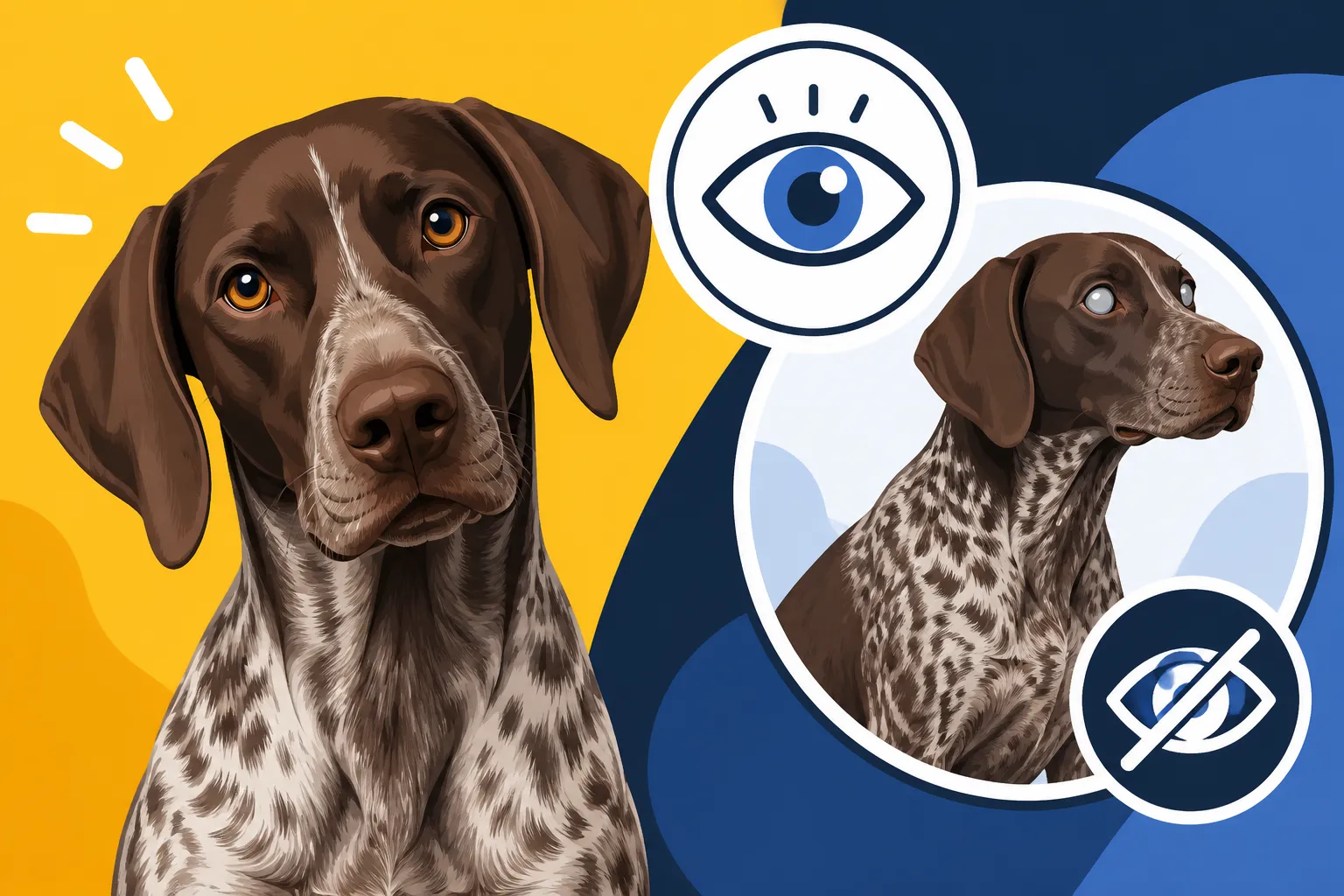
In a dog affected by cone degeneration, these crucial cone cells start to break down and simply don't function properly. This means they lose their ability to process bright light and details. It’s not that they go completely blind, but their day vision becomes severely impaired. Think of it like trying to see clearly when everything is washed out by glaring sun, or when you put on sunglasses that make everything dark – but for them, it's permanent and progressive. Affected puppies will typically show signs of Day Blindness in a German Shorthaired Pointer Puppy very early in life, often between 8 to 12 weeks of age, demonstrating discomfort or clumsiness in bright environments.
The Genetic Basis: Recessive Inheritance
The way cone degeneration is passed down through German Shorthaired Pointer lines is super important for understanding carrier status. It’s what we call an autosomal recessive inherited disorder. This means two copies of the faulty gene are required for a dog to actually suffer from the disease.
Let's use a simple analogy: think of genes as shoes. To run a race, you need two good shoes.
- "Clear" (or Normal) dog: This dog has two perfectly good copies of the gene (two good shoes). They don't have the disease, and they can't pass the faulty gene on to their puppies.
- "Affected" dog: This dog has two copies of the faulty gene (two broken shoes). They will develop the condition, experiencing day blindness and other symptoms.
- "Carrier" dog: This is your dog. A carrier has one normal, healthy copy of the gene (one good shoe) and one faulty copy of the gene (one broken shoe). Because they have that one good shoe, they can still run the race perfectly fine! They do not show any symptoms of the disease themselves. However, because they also have the faulty gene, they can pass it on to their offspring.
Understanding The Gene Behind Cone Degeneration in Shorthairs is crucial, especially for breeders. It highlights why genetic testing before breeding is so vital for maintaining the health and longevity of the breed.
The Truth About Carrier Status and Vision Loss
This is where we get to the heart of your concern and offer that much-needed reassurance. For German Shorthaired Pointers, being a carrier for cone degeneration does not mean your dog will ever experience vision loss due to this specific condition.
Why Carriers Do Not Develop Clinical Signs
As we just discussed with the shoe analogy, a carrier German Shorthaired Pointer possesses one functional, healthy copy of the gene responsible for normal cone cell development and operation. This single healthy copy is all that's needed for their cone cells to work perfectly, allowing them to see just fine in daylight and perceive colors as any other GSP would. The healthy gene acts as a dominant force, essentially overriding the presence of the faulty recessive gene.
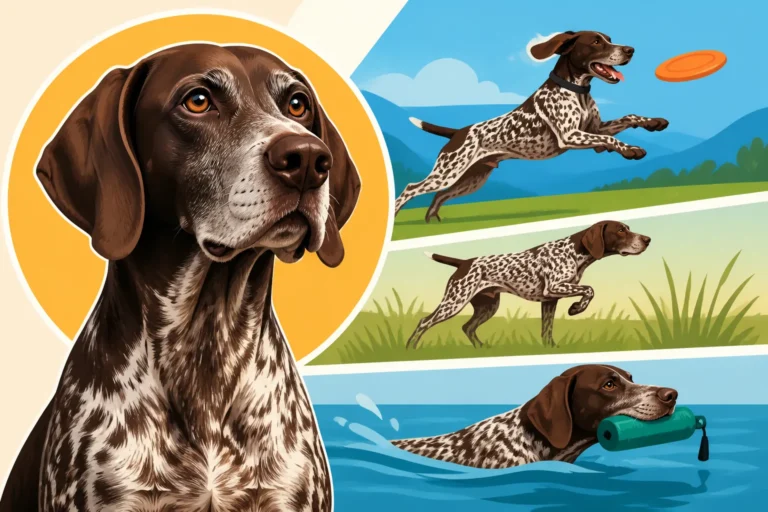
So, when your genetic test results indicate "carrier," you can breathe a huge sigh of relief about their eyesight related to this condition. Your dog's bright, focused eyes will continue to track birds, spot squirrels, and navigate the world with perfect day vision. There's no gradual decline, no sudden onset of day blindness, and no need to adjust their lifestyle or training due to this particular genetic status. Their ability to excel in the field, retrieve confidently, or simply enjoy a sunny walk in the park remains completely unimpaired by being a carrier for cone degeneration. For pet owners, knowing this can significantly reduce worry and allow you to focus on all the wonderful aspects of your dog's life.
The Importance of Knowing Carrier Status for Breeding
While a carrier dog won't lose their sight, knowing their status is incredibly important, especially if you're involved in breeding German Shorthaired Pointers. This is where responsible breeding truly shines and helps to eradicate genetic diseases from future generations.
If you breed a carrier dog with another carrier dog, there's a 25% chance with each puppy that it will inherit two copies of the faulty gene and thus be affected by cone degeneration. There's a 50% chance the puppies will be carriers, just like their parents, and a 25% chance they will be completely clear. This is why organizations recommend avoiding Breeding Two Cone Degeneration Carrier Shorthairs together.
This doesn't mean a carrier dog can't be bred responsibly at all. It simply means they should only be bred with a dog that has tested "clear" for the condition. In such a pairing, all offspring will either be clear or carriers themselves, but none will be affected. Ordering a Cone Degeneration Test on a Shorthair Puppy or a mature breeding dog is a straightforward process, often done via a simple cheek swab or blood sample, and the results are incredibly valuable. Many breeders include these tests, along with others required for a German Shorthaired Pointer's The Five Tests Behind a German Shorthaired Pointer CHIC Number, to ensure they are making the most informed choices for the health of their lines.
Other Potential Vision Concerns for Your GSP
Even though your carrier GSP is safe from cone degeneration-related vision loss, it’s important to remember that dogs, just like people, can develop other eye conditions over their lifetime. A carrier status doesn't grant them immunity to all other possible eye ailments.
Age-Related Eye Changes
As German Shorthaired Pointers age, it's quite common to see changes in their eyes that are completely unrelated to any genetic carrier status. One of the most frequently observed changes is nuclear sclerosis, which often appears as a bluish, hazy cloudiness in the lens of the eye. This is a normal aging process where the lens fibers harden and compact. While it can make the eyes look cloudy, it typically only causes a minimal decrease in vision, more like mild presbyopia in humans, and rarely impacts their quality of life significantly.
More serious, however, are conditions like cataracts. A cataract is a true opacity of the lens that can severely obstruct vision, potentially leading to blindness if untreated. Unlike nuclear sclerosis, cataracts can be progressive and often require veterinary intervention. Glaucoma is another serious age-related condition, characterized by increased pressure within the eye, which can be very painful and lead to irreversible vision loss. Regular check-ups are key to catching these conditions early. An annual The ACVO Eye Exam a Shorthair Needs Each Year is an excellent idea for any breeding dog and highly recommended for senior Shorthairs to monitor for conditions like Cloudy Eyes in a Shorthair Past Ten or glaucoma, ensuring any issues are addressed promptly. Dealing with unexpected vet bills for such conditions can be daunting, but pet insurance providers like Healthy Paws can offer a great safety net, helping owners manage the costs of advanced diagnostics or treatments.
Eye Injuries and Environmental Factors
German Shorthaired Pointers are, by their very nature, active and adventurous dogs. They love to run through fields, dive into ponds, and explore dense cover, especially if they're working as hunting companions. This active lifestyle, while wonderful for their physical and mental health, does put them at a higher risk for various eye injuries and irritations from their environment.
Imagine your GSP charging through a dense thicket of thorny bushes, nose to the ground, totally focused on a scent. It's not hard to picture a sharp twig or a persistent burr causing a corneal scratch or lodging in their eyelid. Eye Injuries a Shorthair Gets Running Heavy Cover are unfortunately common. Foxtails and other grass awns are notorious culprits, capable of burrowing into the eye tissue and causing severe irritation, infection, and even permanent damage if not removed quickly. Dust, pollen, and even certain chemicals encountered in yards or fields can also lead to conjunctivitis or other inflammatory conditions.
After any significant outdoor activity, especially hunting, it's a good habit to thoroughly check your dog's eyes, ears, and paws. Look for any redness, excessive tearing, squinting, or foreign objects. Prompt cleaning and, if necessary, a visit to the vet can prevent minor irritations from escalating into serious problems. Always have a basic first-aid kit on hand, including saline solution for rinsing eyes. Regular vet visits are also part of a thorough The Vet Schedule a Working Shorthair Should Keep, ensuring your dog receives comprehensive care throughout their life, which Healthy Paws can certainly help cover if an unexpected injury arises.
Here's a quick summary of genetic status for cone degeneration:
| Genetic Status | Description | Risk of Developing Day Blindness | Can Pass Gene to Offspring |
|---|---|---|---|
| Clear | Two normal copies of the gene | None | No |
| Carrier | One normal, one affected copy of the gene | None | Yes (50% chance per puppy) |
| Affected | Two affected copies of the gene | Yes, will develop day blindness | Yes (100% chance per puppy) |
If you're ever in doubt about any health concern with your GSP, always consult your veterinarian. They can provide specific advice and monitor your dog's health effectively. It’s comforting to know that pet insurance, such as a plan from Healthy Paws, can be an invaluable resource, helping to ease the financial burden if your energetic companion ever faces an unexpected illness or injury, allowing you to focus on their care rather than the cost.
Disclaimer
This article is for general informational purposes only and does not constitute professional advice. Laws, prices and regulations vary by location and change over time. Consult a qualified professional for guidance on your specific situation.