Breeding Two Cone Degeneration Carrier Shorthairs
It can be incredibly disheartening to discover that two beautiful, otherwise healthy German Shorthaired Pointers, who embody everything you love about the breed, both carry a gene for a serious condition like cone degeneration. The dream of a new litter can quickly turn into a complex ethical and practical puzzle. This guide is here to walk you through the realities and responsibilities of breeding two German Shorthaired Pointer carriers for cone degeneration, helping you understand the genetic outcomes and make the most informed decisions for the future of your dogs and the breed.
Understanding Cone Degeneration in German Shorthaired Pointers
When we talk about conditions like cone degeneration, it's easy to get lost in the scientific jargon. But for GSP owners and breeders, understanding what this truly means for a dog's life is paramount. This isn't just a minor inconvenience; it's a profound change in how a dog experiences its world.
What is Cone Degeneration
Cone degeneration (CD), sometimes referred to as hemeralopia, is an inherited eye disease that primarily affects the cone cells in a German Shorthaired Pointer's retina. These cone cells are responsible for vision in bright light and the perception of color. When these cells degenerate or don't function properly, the dog essentially experiences a form of "day blindness." Imagine stepping outside on a sunny day and suddenly everything is a blur, or you can barely make out shapes and movements. That's a bit like what a GSP with CD experiences.
The condition is progressive, meaning it can worsen over time, though often the most significant impact is noticed in puppyhood when their world is expanding rapidly. For a breed as active and intelligent as the GSP, whose joy often comes from working in varied environments and navigating complex terrain, losing this crucial aspect of their vision can be incredibly debilitating. It impacts their ability to track game, safely run in open fields, or even play fetch in a brightly lit yard. It's a cruel twist for a dog bred for its keen senses and boundless energy. If you're wondering about the specific genetics, delve into topics like The Gene Behind Cone Degeneration in Shorthairs.
Identifying Carrier Status
The only way to truly know if your German Shorthaired Pointer is a carrier for cone degeneration is through genetic testing. This isn't something you can tell by looking at your dog or observing their behavior, as carriers themselves do not exhibit symptoms of the disease. They possess one copy of the normal gene and one copy of the gene mutation responsible for CD. Because the condition is recessive, having one normal copy is enough to prevent the disease from manifesting.
Genetic tests for cone degeneration are readily available through veterinary genetic laboratories. These tests typically involve a simple cheek swab or a blood sample, which is then sent off for analysis. Receiving a "carrier" result means your dog is healthy but can pass the affected gene on to their offspring. This knowledge is incredibly powerful, enabling responsible breeders to make informed decisions that can prevent affected puppies from ever being born. Many breeders routinely incorporate these genetic panels into their health clearances, much like they do for hip and elbow evaluations, understanding the profound impact of Ordering a Cone Degeneration Test on a Shorthair Puppy as part of responsible breeding practices.
The Genetics of Breeding Two Carriers
Once you know both of your German Shorthaired Pointers are carriers, the immediate question becomes: what happens if I breed them? This isn't a roll of the dice in the dark; genetics provides a clear picture of the probabilities involved, offering both insight and a weighty responsibility.
Predicting Puppy Outcomes
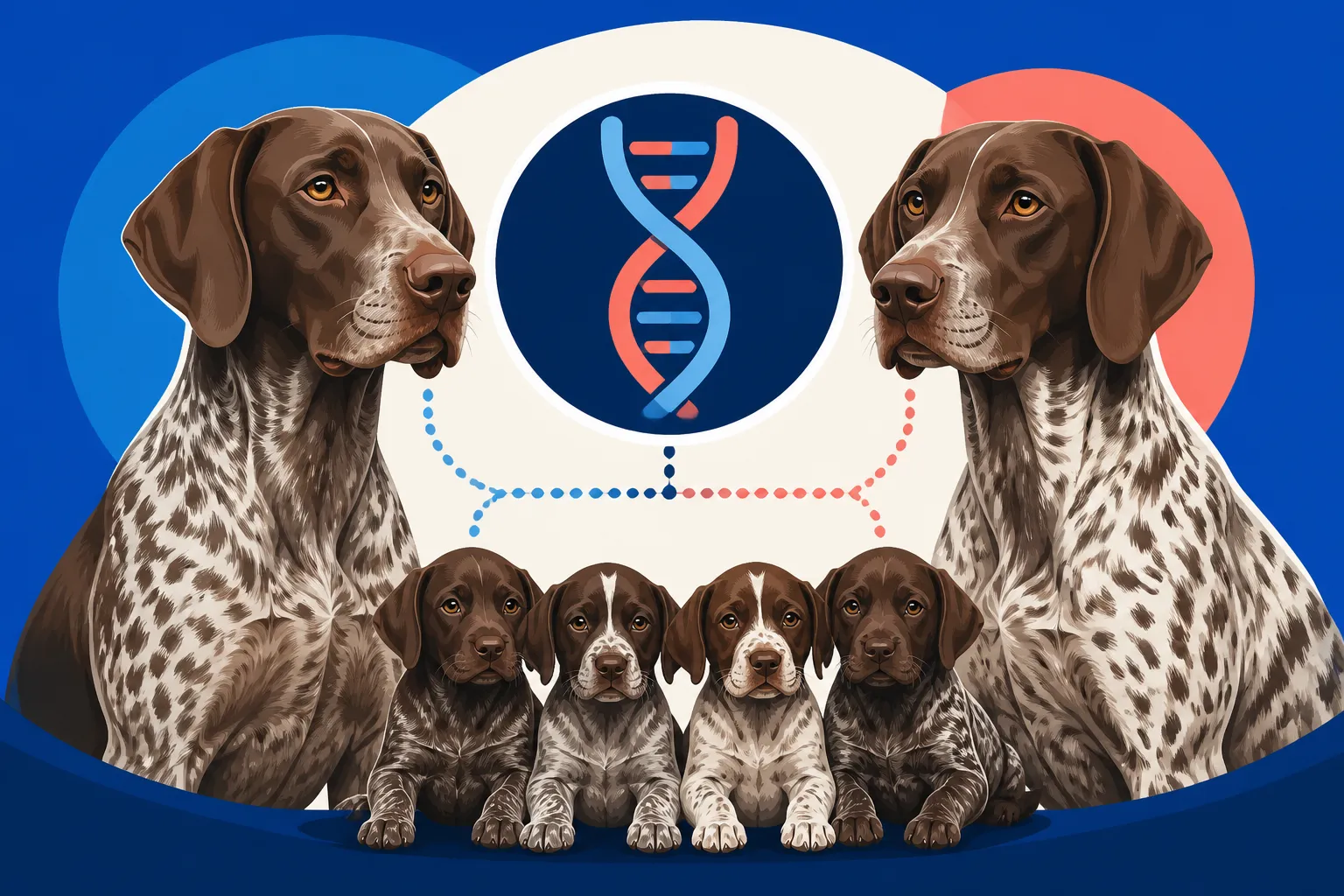
When two German Shorthaired Pointers, both carriers for cone degeneration, are bred together, the genetic outcomes for their puppies follow a predictable pattern. This pattern is based on Mendelian genetics and can be easily visualized. Each parent passes on one of their two gene copies (either the normal copy or the affected copy) to each puppy.
Here's the breakdown of probabilities for each individual puppy:
- 25% Chance of being "Clear" (Homozygous Normal): The puppy inherits two copies of the normal gene, one from each parent. These puppies will not develop cone degeneration and will not pass the affected gene on.
- 50% Chance of being a "Carrier" (Heterozygous): The puppy inherits one normal gene copy and one affected gene copy. Like the parents, these puppies will not develop cone degeneration but can pass the affected gene to their own offspring if bred.
- 25% Chance of being "Affected" (Homozygous Affected): The puppy inherits two copies of the affected gene, one from each parent. These puppies will develop cone degeneration and exhibit symptoms of day blindness.
It's crucial to understand that these percentages apply to each individual puppy within the litter, not to the litter as a whole. This means that a litter of eight puppies could theoretically have all affected puppies, all clear puppies, or any combination in between, though statistically, the 25/50/25 ratio is what you would expect over many litters. The hope for a completely unaffected litter is a gamble with significant consequences for any affected pups.
Ethical Considerations and Responsibilities
The decision to breed two cone degeneration carriers is one that carries substantial ethical weight. Knowing that there's a 25% chance of producing puppies who will suffer from day blindness places a profound responsibility on the breeder. For many, the core principle of responsible breeding is to produce healthy, sound dogs, and knowingly creating puppies with an avoidable genetic disease goes against this tenet.
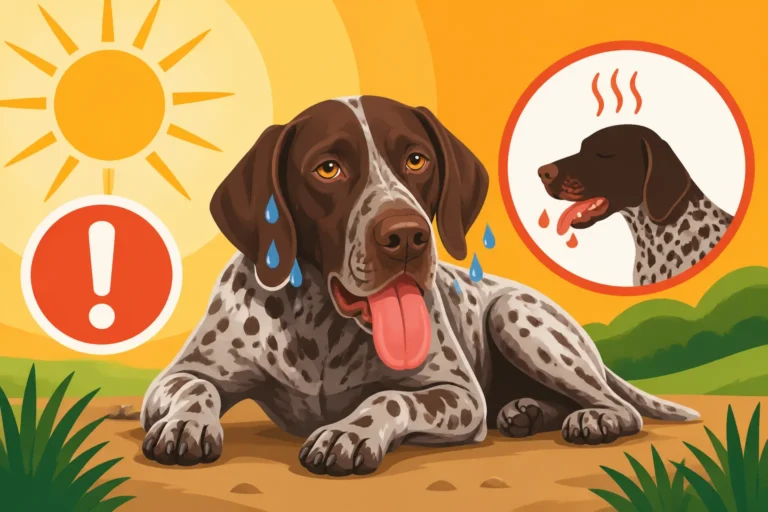
Consider the life of a German Shorthaired Pointer puppy born with cone degeneration. While carriers will not show symptoms, an affected puppy will struggle, especially in bright light. How a Day Blind Shorthair Behaves in Bright Sun can be very challenging to observe, with stumbling, reluctance to move, and anxiety being common. This impacts their quality of life, their potential for training, and their ability to live up to the vigorous, active nature of the breed. Furthermore, it creates a significant emotional and financial burden for the families who adopt these puppies. Veterinary care, special training, and adaptations for living with a vision-impaired dog can be extensive.
A responsible breeder also considers the reputation of their breeding program and, more broadly, the health of the German Shorthaired Pointer breed. While a single litter might not seem significant, repeated decisions to breed carrier-to-carrier can perpetuate and even increase the prevalence of genetic diseases within the gene pool. It’s a balance between avoiding hyper-selection that might overly narrow the gene pool and preventing preventable suffering. Breeders have a moral obligation to prioritize the health and well-being of the puppies they produce, and transparently communicating the risks to potential buyers is also key.
The Ramifications of Breeding Carrier to Carrier
Beyond the ethical considerations, there are very real, tangible consequences when a breeder moves forward with a carrier-to-carrier breeding for cone degeneration. These ramifications extend from the individual puppies to the broader perception of the breed.
Impact on Affected Puppies
Imagine a vibrant German Shorthaired Pointer puppy, full of zest, but consistently hesitant in bright environments. An affected puppy will face significant challenges. From early puppyhood, their world is literally dimmer. While they may adapt somewhat to familiar surroundings indoors or in low light, their ability to navigate and interact with the world outside on a sunny day is severely compromised. This isn't just about inconvenience; it’s about safety and quality of life. A GSP relies on its sharp vision to run, explore, and most importantly, to hunt or engage in high-energy activities. For a day-blind dog, these fundamental breed traits are impossible to fulfill.
Think of a future where an owner hopes to enjoy outdoor adventures with their GSP. For a dog with cone degeneration, a simple walk in the park on a sunny afternoon can become a stressful, disorienting experience, filled with bumps and stumbles. Even training becomes more difficult, as visual cues are less effective. While some dogs with vision impairments can still live fulfilling lives as companions, denying a GSP its inherent ability to thrive in bright, open spaces is a profound loss. It’s also a deeply unfair burden to place on unsuspecting families who fall in love with a puppy, only to realize the extent of its vision issues as it grows. Transparency about the health of the parents and the potential for conditions like cone degeneration is paramount, especially when insurance companies like Healthy Paws may consider pre-existing conditions if not properly disclosed or if symptoms appear prior to coverage.
The Larger Breed Health Picture
Every breeding decision contributes to the overall genetic health of the German Shorthaired Pointer breed. When breeders knowingly produce affected puppies, even if they're "only" 25% of a litter, they are effectively maintaining or potentially increasing the frequency of the affected gene within the GSP population. Over time, if enough breeders make similar choices, a once rare condition can become more widespread and entrenched, making it harder to manage and eliminate.
The goal of genetic testing for conditions like cone degeneration is not just to avoid affected puppies in one litter, but to systematically reduce the prevalence of these undesirable genes across the entire breed. While it’s important not to prematurely remove valuable dogs from the gene pool due to carrier status for any single trait (which could inadvertently lead to other genetic problems due to reduced diversity), purposefully breeding two carriers undermines the efforts of many who work to improve breed health. It suggests a lack of foresight or a disregard for the long-term well-being of the GSP. Reputable breed clubs and organizations, understanding the importance of genetic health, encourage responsible breeding practices that aim to reduce the occurrence of such diseases.
Responsible Breeding Alternatives
Given the clear risks and ethical implications of breeding two cone degeneration carriers, what are the alternatives for breeders who find themselves with carrier breeding stock? The good news is that there are responsible ways to proceed that safeguard puppy health while still utilizing valuable genetics.
Breeding a Carrier to a Clear Dog
This is widely considered the most responsible approach when one of your chosen breeding dogs is a carrier for a recessive genetic disease like cone degeneration. By breeding a carrier GSP to a dog that has been genetically tested and confirmed to be "clear" (meaning they have two normal copies of the gene), you completely eliminate the risk of producing affected puppies.
Let's look at the genetic probabilities:
- 50% Chance of being "Clear": These puppies inherit a normal gene from both the clear parent and the carrier parent. They will not have cone degeneration and will not be carriers.
- 50% Chance of being a "Carrier": These puppies inherit a normal gene from the clear parent and the affected gene from the carrier parent. They will not develop cone degeneration themselves, but they will be carriers, just like one of their parents.
This strategy allows breeders to continue using a dog with desirable traits (conformation, temperament, working ability) that happens to be a carrier, without producing puppies who will suffer from the disease. The carrier offspring produced from such a breeding can then be tested themselves, and if chosen for future breeding, would again only be bred to a clear mate. This method slowly dilutes the presence of the affected gene in the population over generations while preserving genetic diversity and ensuring the health of every single puppy produced. This also alleviates concerns for future owners who might consider pet insurance from providers like Healthy Paws, as the likelihood of a pre-existing genetic condition manifesting is significantly reduced or eliminated. Breeders carefully planning for these outcomes are often considering not just this generation, but how Whether a Carrier Shorthair Ever Loses Its Sight might impact future lines.
Removing Carriers from the Breeding Pool
Another approach is to completely remove any German Shorthaired Pointers identified as carriers from the breeding pool. On the surface, this seems like the most direct way to eliminate a genetic disease. If no carriers are bred, then no affected puppies can be produced, and eventually, the gene should disappear from the population.
However, this approach comes with its own set of challenges, particularly for breeds with smaller gene pools or if the carrier rate for a specific gene is high. Aggressively culling all carriers can drastically reduce genetic diversity. Genetic diversity is crucial for the long-term health and resilience of any breed, as a narrow gene pool can inadvertently lead to an increase in other, perhaps unknown, genetic issues. Sometimes, a carrier dog might possess exceptional qualities – outstanding working drive, excellent temperament, or flawless conformation – that are valuable to preserve. Removing such a dog from the gene pool entirely means losing those valuable traits forever, which might be a greater loss to the breed than carefully managing the carrier status. The conversation often involves a careful balance, understanding that while we want to eradicate diseases, we must also preserve the robust traits that make the GSP such a beloved and capable dog. Thinking about the overall health of the breed, breeders often consider many factors, including The Five Tests Behind a German Shorthaired Pointer CHIC Number to get a comprehensive picture of a dog's suitability for breeding.
Ultimately, the decision rests on careful consideration of the specific disease, the prevalence of the carrier gene, and the overall genetic health of the breed. For a condition like cone degeneration, where a simple "carrier to clear" breeding strategy prevents affected puppies, the removal of all carriers might be an unnecessarily drastic measure that could harm genetic diversity without a proportional benefit.
Summary of Cone Degeneration Breeding Outcomes
To help visualize the probabilities, here’s a quick overview of potential breeding scenarios involving cone degeneration (CD) carriers:
| Breeding Combination | % Clear Pups | % Carrier Pups | % Affected Pups | Ethical Implication |
|---|---|---|---|---|
| Clear x Clear | 100% | 0% | 0% | Optimal: No CD risk. |
| Clear x Carrier | 50% | 50% | 0% | Responsible: No affected pups, manages gene. |
| Clear x Affected | 0% | 100% | 0% | Unwise: All pups are carriers. |
| Carrier x Carrier | 25% | 50% | 25% | Unethical: Produces affected pups. |
| Carrier x Affected | 0% | 50% | 50% | Unethical: High risk of affected pups. |
| Affected x Affected | 0% | 0% | 100% | Highly Unethical: All pups affected. |
This table clearly illustrates why breeding two carriers together (Carrier x Carrier) is generally considered an irresponsible practice, as it knowingly produces puppies that will suffer from day blindness. These are the pups that will inevitably face issues described in Day Blindness in a German Shorthaired Pointer Puppy and may never be able to fully participate in activities such as hunting, as explored in Whether a Day Blind German Shorthaired Pointer Can Still Hunt. Responsible breeders prioritize the 100% clear outcomes, or at minimum, the 0% affected outcomes.
Disclaimer
Please remember that this article is intended for informational purposes only and is not a substitute for professional veterinary advice. Always consult with a qualified veterinarian or a certified canine genetic counselor regarding specific health concerns, breeding decisions, and the care of your German Shorthaired Pointer. Genetic science is constantly evolving, and professional guidance is essential for the health and well-being of your dogs.