Cold Water Tail in a German Shorthaired Pointer
There's nothing quite as alarming for a German Shorthaired Pointer owner as seeing your typically enthusiastic, tail-wagging companion suddenly holding their tail limp and seemingly in pain after a day of joyous swimming or vigorous field work. That sudden droop, often referred to as "cold water tail," can be a deeply frustrating and confusing sight. This guide will delve into what exactly causes this peculiar condition, how to manage it when it strikes, and, most importantly, how to take proactive steps to prevent it so your GSP can continue to enjoy the activities they love without this painful setback.
Understanding Cold Water Tail in Your GSP
Imagine your GSP, full of boundless energy, plunging into a cold lake, retrieving ducks with gusto, or simply enjoying a long swim on a cool day. You bring them home, they're tired but happy, and then suddenly, their magnificent tail, usually held high or wagging with an infectious rhythm, is just… limp. Sometimes it's held out a few inches from the body and then drops straight down, looking almost broken. This distressing condition has many names – limber tail syndrome, swimmer's tail, broken wag, GSP tail condition, or even just GSP tail – and it's a real pain in the tail, literally, for our active companions. It's not uncommon, and while it looks alarming, it's usually a temporary muscle strain.
The Frustrating Symptoms of a Limber Tail
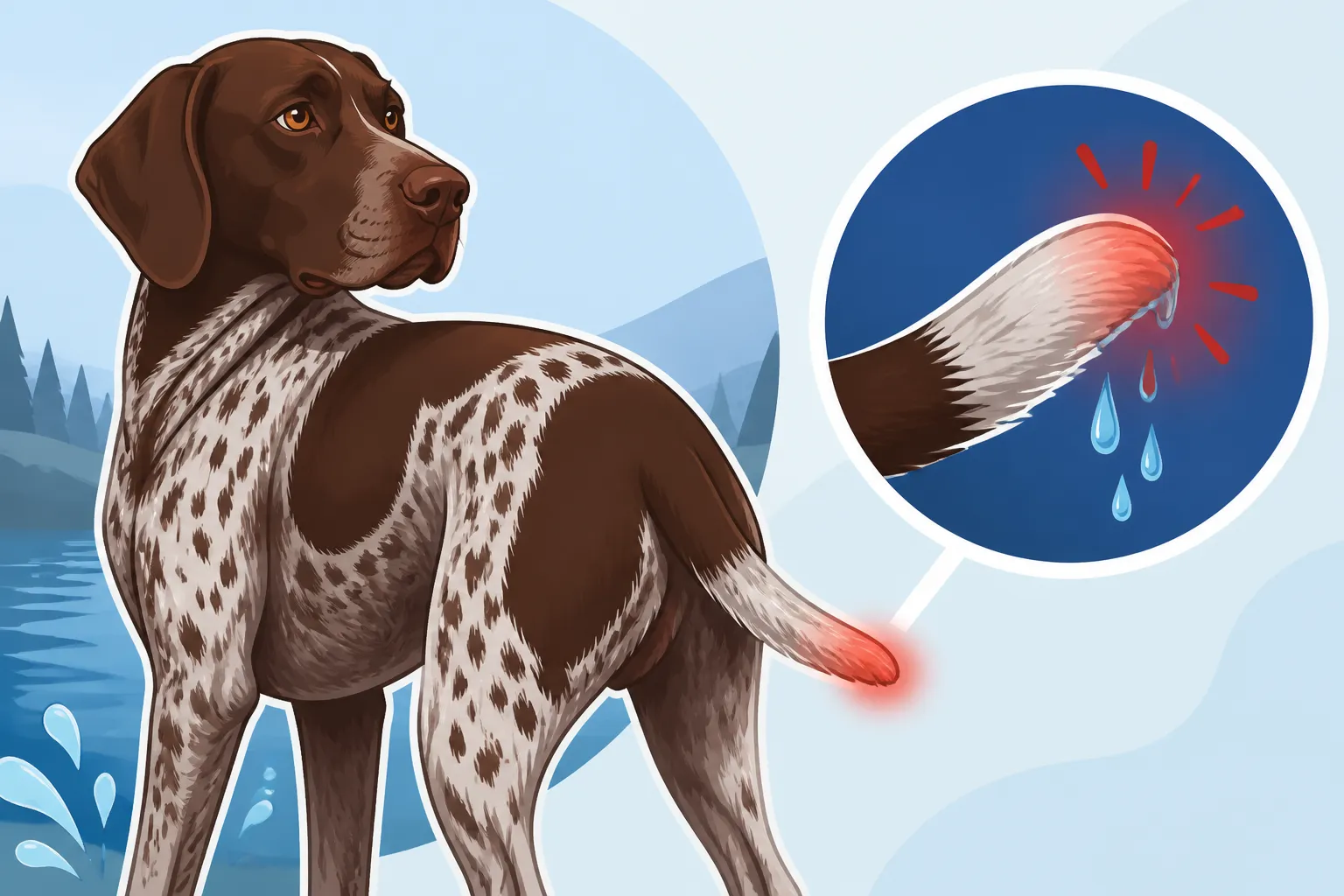
When a GSP develops cold water tail, the symptoms are pretty unmistakable, and often quite upsetting to witness. The most prominent sign is, of course, the tail itself. It will typically be held limp and lifeless, either hanging straight down from the base or, more commonly, held horizontally for a few inches from the body before sharply dropping vertically, giving it that characteristic "broken" or "limber" appearance. Sometimes, it might even have a slight kink in it.
But it's not just the visual; your dog will be in pain. They might yelp or flinch when you try to touch their tail or the base of it. You'll likely notice a marked reluctance to wag, which is heartbreaking for a breed whose tail is such an integral part of their communication and joy. They might struggle to find a comfortable position to lie down, pace restlessly, or become unusually quiet and withdrawn. Some dogs might even exhibit difficulty defecating, not because of an issue with their bowels, but because the act of lifting their tail causes too much pain. They might also appear stiff in their hindquarters or even resist sitting down. It’s crucial to observe these behavioral changes, as they're strong indicators of discomfort and can help you distinguish it from a simple "tired" tail.
The "Why" Behind the Wag's Woe
So, what's actually happening when your GSP gets cold water tail? At its core, it's believed to be an acute injury to the muscles at the base of the tail, specifically the caudal muscles that are responsible for tail movement. Think of it like a severe muscle strain or sprain that we humans might get in our back or shoulders after overdoing it. These muscles become inflamed and painful, making normal tail movement impossible.
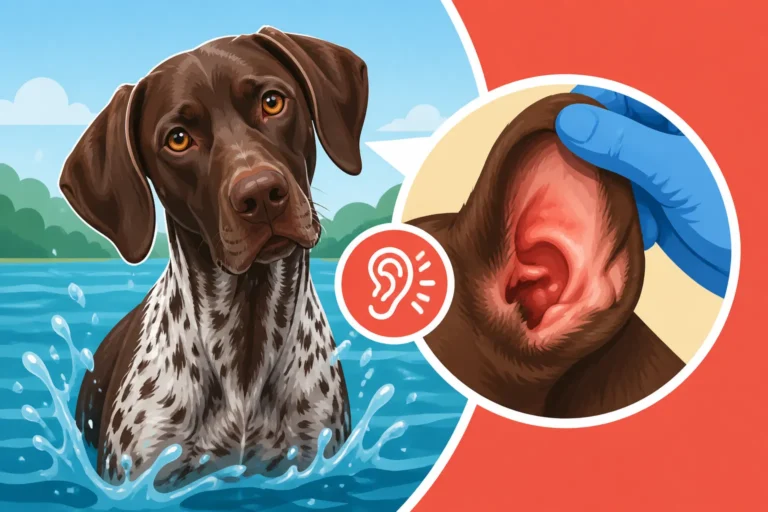
Several factors contribute to this unique injury. The primary culprit is often prolonged or strenuous use of the tail, especially in cold water. GSPs are natural-born water dogs, known for their powerful retrieve and endurance in aquatic environments. This means they often spend extended periods swimming, using their tail as a rudder, or vigorously wagging it while working birds in marshes or retrieving from frigid lakes. The constant, intense muscular effort, combined with exposure to cold temperatures, seems to reduce blood flow and muscle elasticity, making the muscles more susceptible to injury and inflammation. Imagine running a marathon in freezing temperatures without a proper warm-up; your muscles would be screaming! A relatively short, docked tail on a German Shorthaired Pointer might also play a role, as the muscles still have to work hard, but the leverage might be different, potentially putting more strain on the tail base. This condition also isn't exclusively a "cold water" issue; some dogs develop it after a very long, intense day in the field, even without water exposure, suggesting that any excessive tail use can be a trigger.
Immediate Care and Management at Home
Discovering your usually lively GSP with a limber tail can send any devoted owner into a panic. The good news is that most cases resolve with conservative management at home. The key is to act quickly to alleviate pain and promote healing.
Gentle Warmth and Essential Rest
Once you suspect cold water tail, the very first thing to do is ensure your GSP gets absolute rest. This means no more swimming, no running, no strenuous play, and definitely no more working in the field until they're fully recovered. Imagine trying to heal a sprained ankle while continuing to run on it – it just won't work. Confine them to a comfortable, warm space where they can relax and heal without temptation to overexert themselves. You might find a crate or a small, quiet room works best to enforce this rest period.
Next, applying gentle warmth to the base of the tail can be incredibly soothing and can help improve blood flow to the injured muscles, reducing inflammation and pain. A warm, damp cloth, a warm compress, or even a heating pad on a low setting (always with a towel barrier to prevent burns) applied to the affected area for 15-20 minutes, several times a day, can make a significant difference. Just be sure the warmth is comfortable for your dog and never leave a heating pad unattended. You'll likely see your GSP visibly relax with the application of warmth. Consistency is key here; make it a regular part of their day.
When to Call the Vet and What They'll Do
While many cases of cold water tail improve with rest and warmth, there are definitely times when a vet visit is warranted. If your GSP is in extreme pain, not responding to home care within 24-48 hours, or showing other concerning symptoms like fever, lethargy, or loss of appetite, it’s time to call your veterinarian. It’s always better to be safe than sorry, especially when pain is involved. Remember, a GSP is a stoic breed; if they're showing clear signs of pain, it's often more severe than it appears.
When you take your GSP to the vet, they will conduct a thorough physical examination, paying close attention to the tail and hindquarters. They'll likely gently palpate the tail base to pinpoint the exact area of discomfort. Don't be surprised if your dog yelps or flinches during this part – it confirms the diagnosis and helps the vet assess the severity. Typically, a vet will prescribe non-steroidal anti-inflammatory drugs (NSAIDs) to reduce pain and inflammation, such as carprofen (Rimadyl) or meloxicam (Metacam). These medications are very effective but must be given precisely as prescribed, as improper use can lead to side effects. Sometimes, they might also suggest a muscle relaxant.
The vet will also want to rule out other, more serious conditions that can mimic limber tail, such as a fractured tail, an anal gland infection, or even neurological issues. This is why a professional diagnosis is so important. Unexpected vet bills can be a real burden, so if you have pet insurance, this is exactly the kind of incident where a company like Healthy Paws can provide much-needed support, helping to cover the costs of examination, diagnostics, and medication. Having a good policy in place can ease the stress during these unforeseen health emergencies, ensuring your GSP gets the best care without financial strain.
Preventing Cold Water Tail in Your Active Shorthair
As the saying goes, an ounce of prevention is worth a pound of cure, and that certainly holds true for cold water tail. While you can't eliminate the risk entirely for a dog bred to love water and hard work, you can significantly reduce the chances of your GSP suffering from this painful condition.
Smart Water Practices and Conditioning
One of the most effective strategies is to gradually acclimate your GSP to cold water and to manage their time in it. Don't just throw them into a freezing lake for an hour-long retrieve session on the first cool day of autumn. Start with shorter periods in the water and slowly increase the duration as they get used to the temperature. This allows their muscles to adapt. For example, if you're taking your dog out for a retrieving session, begin with a few short throws into the water, let them warm up, and then gradually extend the session.
Think about proper conditioning for any athlete. Before the hunting season or intense water work begins, ensure your GSP is in peak physical condition. Just like with humans, a well-conditioned dog with strong core and hindquarter muscles is less prone to strains. Consider regular roading sessions or other forms of controlled exercise to build stamina and muscle strength. You can even consider incorporating activities that strengthen their overall athleticism, as outlined in guides like "The Age a German Shorthaired Pointer Can Start Roadwork". Building up their overall fitness can help prevent not only limber tail but also other issues like Torn Cruciates in a Field Bred German Shorthaired Pointer.
Post-Swim Routine and Vigilance
What you do immediately after your GSP comes out of the water is just as important as what you do before. Thoroughly drying your dog, especially the base of their tail and hindquarters, can help prevent the chilling effect that contributes to limber tail. Use absorbent towels, and if your dog tolerates it, a forced-air pet dryer can be very effective, particularly in colder weather.
Once dry, keep your GSP warm. Don't let them sit in a cold kennel or truck bed right after swimming. A warm blanket, a cozy bed, or even a dog jacket designed for post-activity warmth can make a huge difference. If you're out hunting, ensure they have a comfortable, warm spot in your vehicle or camp. Always be mindful of the environmental conditions. If the air temperature is low, or the water is particularly cold, shorten the duration of their water work. Regularly checking a German Shorthaired Pointer over after a hunt isn't just for ticks and burrs; it's also your chance to catch early signs of stiffness or discomfort in their tail or body before it fully develops into a limber tail episode. Early intervention, like applying warmth, can sometimes prevent a full-blown issue. Don't forget their feet too – protecting their paws with appropriate gear can prevent other field-related injuries, which you can learn more about in resources like "Boots for a Shorthair on Rock and Stubble".
Recovery, Recurrence, and Long-Term Considerations
While a bout of cold water tail is definitely a setback, most GSPs make a full recovery. Understanding the typical recovery process and taking steps to prevent recurrence will ensure your hunting partner is back to their wagging, water-loving self in no time.
The Road to Full Recovery
The good news is that cold water tail is typically self-limiting, meaning it resolves on its own with rest, warmth, and potentially anti-inflammatory medication. Most GSPs will start showing signs of improvement within 2-3 days, and full recovery usually occurs within a week to ten days. During this time, continue to enforce strict rest. Even if they seem better, rushing them back into strenuous activity too soon can lead to a setback or even a more severe injury.
As the pain subsides, you'll notice a gradual return of tail function. They might start with a tentative wag, then more fluid movement, until eventually, their tail is back to its normal, enthusiastic self. Monitor their progress closely. If, after several days, you see no improvement, or if the pain seems to worsen, it’s definitely time for another visit to the vet. In rare cases, especially if a dog experiences recurrent episodes, a vet might recommend gentle physical therapy exercises once the initial acute pain has subsided. These might include passive range of motion exercises or specific stretches, but these should only ever be done under the guidance of a veterinary professional to avoid further injury. Just as with recovery from more severe orthopedic issues, like those discussed in "Physical Therapy for a Shorthair After Knee Surgery", patience and a slow return to activity are paramount.
Minimizing Future Episodes
Unfortunately, once a GSP has experienced cold water tail, they might be more prone to developing it again. This means that preventing future episodes becomes a lifelong management strategy. After your dog has fully recovered, take some time to review the circumstances surrounding the initial incident. Was the water particularly cold? Was the swimming session unusually long? Did they retrieve more vigorously than usual? Identifying the triggers can help you adjust your routines.
For some dogs, this might mean modifying their water work: perhaps shorter sessions, always followed by thorough drying and warming. For others, it might mean investing in a protective neoprene vest for cold weather retrieves, which can help keep their core body temperature up and muscles warm. You should also pay close attention to the water temperature a shorthair should not enter; pushing them into frigid water is a recipe for trouble. Always prioritize your dog's well-being over an extra retrieve. Keeping a close eye on your dog's energy levels and body language during and after activity can give you crucial clues. If they seem to be tiring or showing early signs of stiffness, it's time to call it a day. The goal is to allow your GSP to continue enjoying the water and the field for as long as possible, maintaining their health and soundness, as discussed in "How Long a Working German Shorthaired Pointer Stays Sound". Being proactive and understanding your dog's limits is the best way to keep them healthy and happy for many seasons to come.
| Symptom / Aspect | Cold Water Tail (Limber Tail Syndrome) | Other Tail/Hindquarter Injuries (e.g., Fracture, Sprain) |
|---|---|---|
| Tail Appearance | Limp, dropped from base or few inches out, may have a kink. | Can be limp, swollen, deformed if fractured, or held at an odd angle. |
| Pain Level | Moderate to severe, especially at tail base. | Can range from mild to excruciating depending on injury. |
| Onset | Sudden, typically after strenuous tail use/cold water. | Can be sudden (trauma) or gradual (degenerative). |
| Other Symptoms | Reluctance to wag, difficulty sitting/defecating, hindquarter stiffness. | Swelling, bruising, open wounds, lameness, nerve deficits. |
| Recovery Time | Usually 2-10 days with rest and warmth. | Varies greatly; can be weeks to months, may require surgery. |
| Recurrence | Possible, especially if preventative measures aren't taken. | Less likely to recur in the same exact way, but can happen. |
| Vet Visit Needed? | Recommended if no improvement, severe pain, or other symptoms. | Highly recommended immediately. |
| Common Treatment | Rest, warm compresses, NSAIDs. | Depends on injury; pain meds, surgery, immobilization, PT. |
Disclaimer
The information provided in this article is for general informational purposes only and is not a substitute for professional veterinary advice. Always consult with a qualified veterinarian for any health concerns or before making any decisions related to your German Shorthaired Pointer's health and treatment.