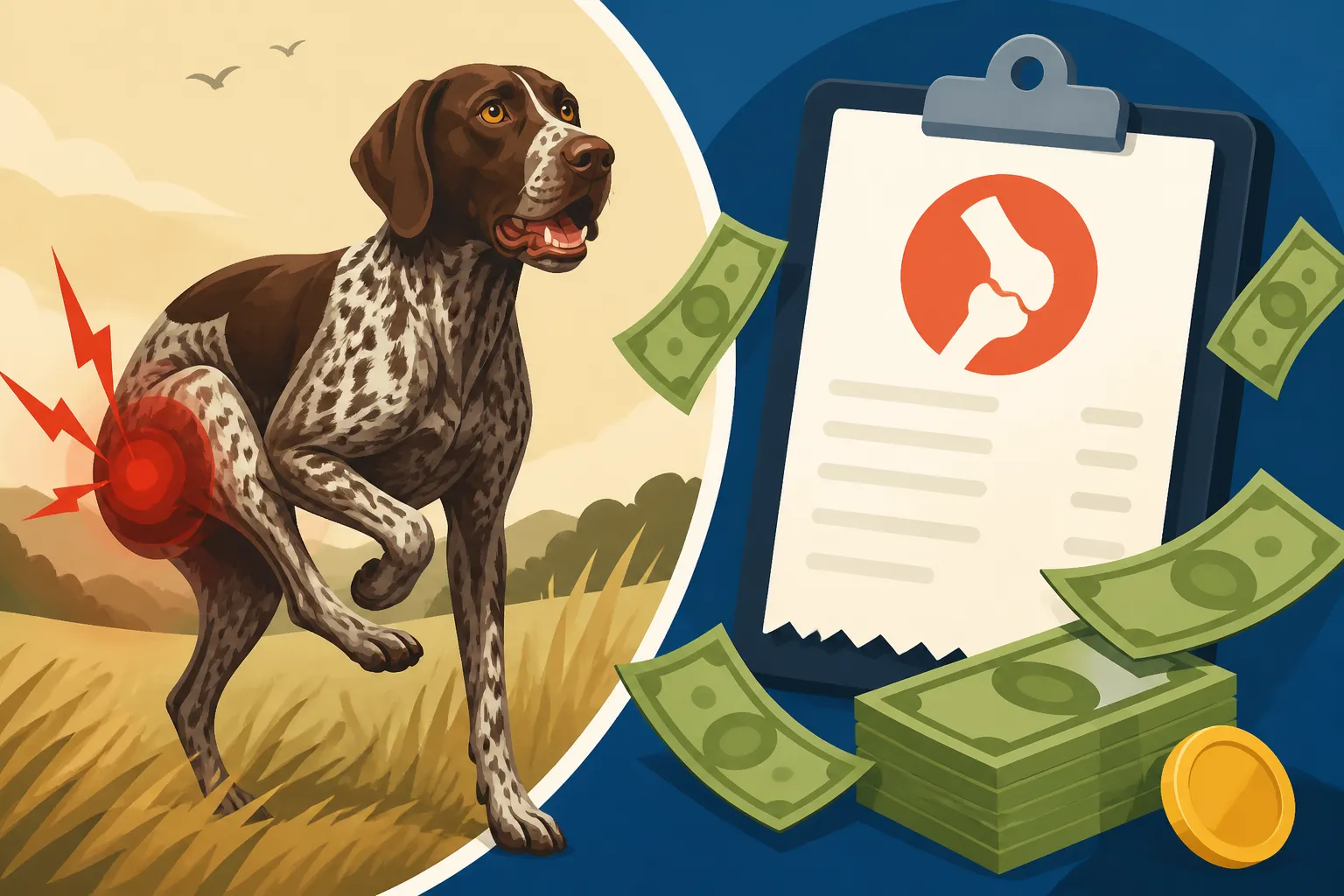
The Bill When a Shorthair Torsions Mid Season
There's nothing quite as gut-wrenching as the sudden, terrifying realization that your beloved German Shorthaired Pointer is showing signs of bloat, especially when it hits hard and fast in the middle of a busy hunting season, miles from the nearest emergency vet. The frantic drive, the fear for your dog's life, and then the inevitable, shocking question: "How much is this going to cost?" This guide is here to walk you through the financial realities of dealing with gastric torsion in a German Shorthaired Pointer, offering a realistic look at the bills you might face and how to best prepare for them.
Understanding Gastric Torsion in German Shorthaired Pointers (Bloat)
Gastric Dilatation-Volvulus (GDV), more commonly known as bloat or torsion, is a nightmare scenario for any German Shorthaired Pointer owner. It's a condition where the stomach fills with gas and then twists upon itself, cutting off blood supply and trapping the contents. It's not just discomfort; it's a rapidly progressing, life-threatening emergency.
What is Bloat and Why is it So Urgent for Shorthairs?
Bloat happens fast, and it can go from "he's just a little gassy" to "my dog is dying" in a matter of hours, sometimes even minutes. For German Shorthaired Pointers, with their deep chests and active lifestyles, the risk is higher than many other breeds. When the stomach twists, it traps food, liquid, and gas inside. The pressure builds, impeding blood flow to the stomach and potentially other organs, leading to shock and organ damage. Without immediate veterinary intervention, it is almost always fatal. This is why understanding The Bloat Risk a Shorthair Carries Into Every Season is so crucial for us GSP owners. The urgency isn't just about pain; it's about survival. Every second truly counts, and delaying treatment to consider costs can unfortunately be the difference between life and death.
Recognizing the Early, Subtle Signs of a Torsion
Identifying bloat can be tricky, especially when you're caught up in the excitement of a hunt or simply living your daily life. Your Shorthair might seem restless, pace, try to vomit but bring nothing up (known as non-productive retching), or whine. Their abdomen might appear distended and feel hard to the touch. They might also drool excessively, show signs of pain, or have a weak pulse and pale gums. Sometimes, especially in the field, these signs can be mistaken for exhaustion or just a belly full of water after a long day of retrieving. Learning to differentiate these symptoms is paramount for Catching Bloat in a German Shorthaired Pointer After a Hunt, or any strenuous activity. The subtle nature of the early signs often means by the time you've recognized something is truly wrong, the situation is already critical.
The Immediate Costs of Emergency Care and Stabilization
Once you suspect bloat, the clock is ticking. The first step is always an emergency vet visit, and the costs start piling up from the moment you walk through those doors. These aren't just "routine" fees; they're for immediate, life-saving interventions.
Initial Vet Visit and Diagnostic Procedures
When you arrive at the emergency clinic, your Shorthair will be triaged immediately. The emergency examination alone carries a significant fee, which is often higher than a regular office visit due to the specialized nature of emergency clinics and after-hours care. Beyond the exam, diagnostics are crucial to confirm GDV and assess the dog's overall condition. This typically involves X-rays, which are essential for visualizing the twisted stomach. You'll likely also face charges for bloodwork, including a complete blood count (CBC) and a chemistry panel, to check for organ damage, electrolyte imbalances, and to ensure your dog is stable enough for anesthesia and surgery. These initial diagnostic steps, while vital, can quickly add up, often running into several hundreds of dollars before any treatment even begins.
Stabilizing Your Shorthair for Surgery
Before your German Shorthaired Pointer can go into surgery, the veterinary team needs to stabilize them. This often involves placing an IV catheter and administering intravenous fluids to combat shock and maintain blood pressure. Pain medication is absolutely critical, as bloat is incredibly painful. Antibiotics may also be given to prevent infection, especially if stomach tissue is compromised. In some cases, the veterinary team might attempt to decompress the stomach by inserting a tube down the esophagus or using a large needle to release gas through the abdominal wall. This temporary relief can buy precious time but is not a fix for the torsion itself. The combination of fluids, medications, and any pre-surgical decompression procedures contribute significantly to the initial bill. It's an intense, focused effort by a skilled team to keep your dog alive long enough for the definitive surgery, and the costs reflect that specialized, round-the-clock attention.
The Surgical Procedure for Gastric Torsion (Gastropexy)
Surgery is the only definitive treatment for gastric torsion. It’s a complex and invasive procedure that requires a highly skilled surgical team and specialized equipment. This is where a large chunk of the bill comes into play.
What Happens During a Torsion Correction and Gastropexy
The surgical goal is twofold: first, to untwist the stomach (derotation) and assess any damage, and second, to perform a gastropexy. A gastropexy is a procedure where the stomach is permanently tacked or sutured to the abdominal wall. This prevents future rotations, though it doesn't prevent future dilations (bloat without twist). The surgeon will carefully examine the stomach for any areas of necrosis (tissue death) due to compromised blood supply. If parts of the stomach are dead, they must be removed, which complicates the surgery and increases recovery time and risk. The entire process is delicate, as the stomach lining is fragile, and any tears could lead to peritonitis, a severe abdominal infection. For hunting Shorthairs, this procedure is often considered a critical preventative measure, and many owners choose The Gastropexy Decision on a Hunting Shorthair even electively to avoid this emergency.
Anesthesia, Monitoring, and Surgical Team Fees
The cost of the surgery itself isn't just the surgeon's hands; it's a whole team and an array of sophisticated equipment. Your Shorthair will be under general anesthesia for a significant period, requiring continuous monitoring by a dedicated veterinary technician who watches heart rate, blood pressure, oxygen levels, and temperature. Anesthesia medications, sterile surgical supplies, and the use of the operating room facility itself are all factored into the bill. You're paying for the surgeon's expertise, the anesthesiologist's precision, and the support staff who ensure everything runs smoothly and safely. This intensive human and technological investment is a major reason why the surgical phase is typically the most expensive part of treating a GDV emergency.
Post-Operative Care and Hospitalization Expenses
Once the surgery is complete, the journey isn't over. Your German Shorthaired Pointer will need intensive post-operative care and monitoring, often for several days, to ensure a smooth recovery and address any potential complications.
Critical Care in the Days Following Surgery
The days immediately following bloat surgery are critical. Your Shorthair will likely be kept in an intensive care unit (ICU) where they can be monitored around the clock. This means dedicated nursing staff constantly checking vital signs, administering medications, managing pain, and watching for signs of complications like arrhythmias (irregular heartbeats), peritonitis, or further issues with stomach motility. These complications can be life-threatening and require swift intervention. The cost of this specialized critical care, often on an hourly or daily rate, is significant. It's essentially paying for your dog to have a private nurse and doctor readily available at all times. This high level of care is why The Overnight Bill After a Shorthair's Bloat Surgery can be so substantial, easily adding thousands to the total cost.
Medications, Pain Management, and Wound Care
Beyond the constant monitoring, there's a steady stream of medications required during recovery. Your German Shorthaired Pointer will continue to receive strong pain relief, often through an IV, to ensure comfort and promote healing. Antibiotics are typically continued to prevent post-surgical infections. Medications to aid stomach motility might also be prescribed. The surgical incision needs careful cleaning and monitoring, which is part of the nursing care. There may also be costs for special diets, anti-nausea medications, or other supportive therapies as your dog slowly begins to eat and drink again. All these medications and supplies, while necessary for recovery, add to the daily hospitalization costs.
Long-Term Recovery and Preventative Measures (and Their Costs)
Surviving bloat surgery is a huge hurdle, but the recovery process extends beyond the emergency clinic. There will be follow-up care and potentially ongoing management, especially for a working German Shorthaired Pointer.
Follow-Up Visits and Rehabilitation
Once your Shorthair is discharged from the emergency clinic, follow-up visits with your regular veterinarian are essential. These appointments are to check the incision site, remove sutures, and monitor overall recovery. There might be costs for specific rehabilitation, especially if your dog was severely debilitated or if there were complications impacting muscle mass or mobility. A special diet might be recommended to ease digestion during recovery, and these premium foods can be more expensive than regular kibble. For a hunting dog, ensuring they regain full strength and stamina for future seasons is paramount, so careful, guided rehabilitation might be necessary. This also touches on general ongoing health management, as The Vet Schedule a Working Shorthair Should Keep often includes regular check-ups to catch issues early.
The Gastropexy Decision on a Hunting Shorthair
Even if your Shorthair didn't experience torsion but has a deep chest or a family history of bloat, you might consider an elective gastropexy as a preventative measure. This procedure is less urgent and generally less expensive than an emergency torsion correction because it's planned. It can sometimes even be performed laparoscopically, which is less invasive and has a faster recovery time. While it's an upfront cost, many owners of high-risk breeds, especially those actively hunting, see it as a worthwhile investment in preventing a future life-threatening emergency. Discussing this option with your vet is crucial, especially for active dogs like German Shorthaired Pointers who put a lot of strain on their bodies in the field. This decision can offer immense peace of mind.
Navigating the Financial Burden: Insurance and Savings
The cumulative bill for a GDV emergency can be staggering, often ranging from several thousand dollars to well over. This is a terrifying prospect for any pet owner, and it's vital to have a plan in place.
How Pet Insurance Can Help
Pet insurance can be a literal lifesaver in a bloat emergency. Policies like those offered by Healthy Paws or other reputable providers can cover a significant portion of unexpected veterinary bills. While you'll still pay your deductible and a co-insurance percentage, having 70-90% of a multi-thousand-dollar bill covered can make all the difference. It's important to understand what your policy covers, whether it includes emergency care, surgery, and hospitalization, and what your deductible options are. For a hunting dog, ensuring your policy covers injuries sustained in the field is also vital; always check Whether a Policy Covers a Shorthair's Hunting Injuries before you need it. Remember, pet insurance needs to be purchased before the emergency happens, as bloat would be considered a pre-existing condition if diagnosed before or during the waiting period. Monthly premiums for a German Shorthaired Pointer are an investment in their future health, and can save you from a crushing financial blow.
Here's a simplified look at potential cost components:
| Service Category | Description | Impact on Bill |
|---|---|---|
| Emergency Visit | Initial exam, triage, and immediate stabilization. | High |
| Diagnostics | X-rays, bloodwork, ECG to confirm GDV and assess health. | High |
| Stabilization | IV fluids, pain medication, antibiotics, stomach decompression. | High |
| Surgery | Anesthesia, surgical correction of torsion, gastropexy, surgeon's fees. | Very High |
| Hospitalization | ICU care, overnight stays, continuous monitoring, nursing staff. | Very High |
| Medications | Post-operative pain relief, antibiotics, stomach protectants. | Medium |
| Follow-up Care | Recheck exams, suture removal, potentially specialized diet. | Medium |
| Elective Gastropexy | Planned surgical prevention, generally lower cost than emergency surgery. | High (upfront) |
Note: Specific prices will vary widely based on location, veterinary clinic, severity of the case, and duration of hospitalization.
Budgeting for the Unexpected
Even with pet insurance, there will be out-of-pocket expenses, and if you don't have insurance, the full burden falls on you. This is why it's so important to actively plan for emergencies. Many German Shorthaired Pointer owners create an emergency fund specifically for their dog's health. Setting aside How Much a German Shorthaired Pointer Owner Sets Aside Monthly can provide a cushion for unforeseen vet bills. For those considering a GSP, it's wise to factor these potential emergency costs into your overall budget, alongside initial puppy expenses like The Six Hundred to Fifteen Hundred Range on Shorthair Puppies.
Additionally, explore options like veterinary credit lines (such as CareCredit) that can offer payment plans, or discuss payment options with your veterinary clinic. Some clinics, like those affiliated with major veterinary groups, might offer payment plans, but it's important to ask upfront. Companies like Chewy and Ollie often provide discounts on pet supplies and food, which can help free up some budget for emergency savings. Remember, a German Shorthaired Pointer is a family member, and preparing financially for their care, especially for a high-energy, active breed prone to specific emergencies like bloat, is a testament to your commitment to them.
Disclaimer
This article is for general informational purposes only and does not constitute professional advice. Laws, prices and regulations vary by location and change over time. Consult a qualified professional for guidance on your specific situation.