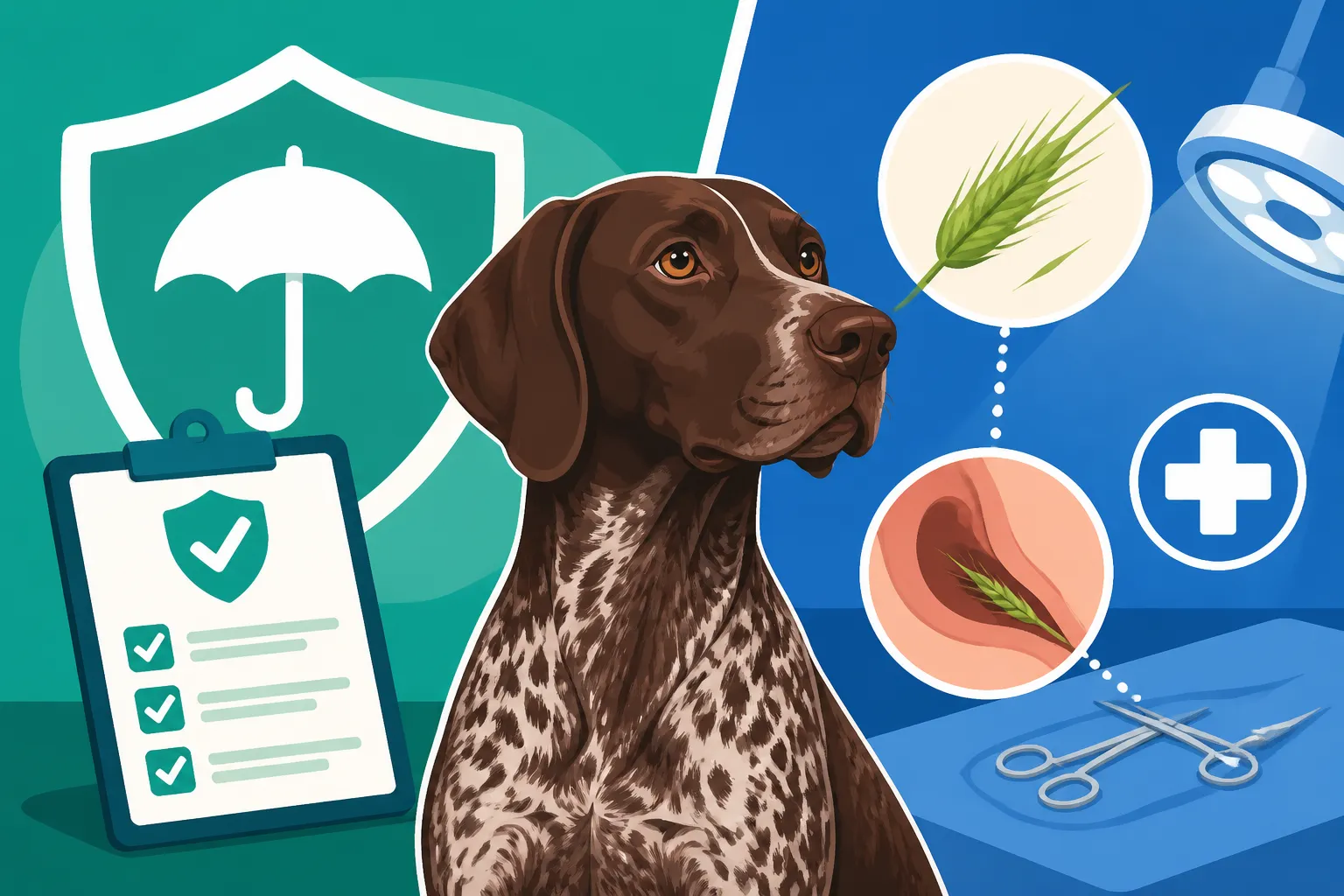
Whether Insurance Pays for a Shorthair’s Grass Awn Surgery
One of the most insidious worries for any German Shorthaired Pointer owner, especially those whose dogs spend time exploring fields and cover, is the silent threat of grass awns. These tiny plant seeds, often overlooked until it's too late, can burrow into your dog's skin, ears, eyes, or even internally, leading to excruciating pain, serious infection, and often, expensive surgical removal. It’s natural to wonder, when faced with such an emergency, if your pet insurance will actually step up and cover the bill. This guide aims to thoroughly explore how pet insurance typically handles grass awn surgery and what you can expect as a GSP owner.
The Sneaky Danger of Grass Awns for a German Shorthaired Pointer
German Shorthaired Pointers are, by their very nature, intrepid explorers. Their short, dense coats, deep chests, and boundless energy make them perfectly suited for busting through thick cover, flushing birds, and retrieving in all sorts of terrain. Unfortunately, these same traits can make them prime targets for grass awns. It’s a constant battle, and one that every GSP owner needs to be vigilant about.
Where Grass Awns Hide and How They Get In
Grass awns, often called foxtails, cheatgrass, or burr grass, are the seed heads of certain grasses. What makes them so dangerous is their barbed, arrow-like structure. They are designed to burrow, not to back out. They can be found almost anywhere there's tall grass, dry fields, hiking trails, or even just in a neglected corner of a backyard. Picture your GSP joyfully tearing through a field, nose to the ground, flushing a pheasant. In that exhilarating moment, dozens of these tiny, wicked seeds can cling to their coat, work their way into their paws, or even be inhaled.
The most common points of entry are between the toes, inside the ears, up the nose, or under the eyelids. A GSP with its low-slung, soft ears is particularly vulnerable to awns finding their way into the ear canal, while their deep-chested build and ground-level scenting make nasal inhalation a real risk. Awns can also snag in the short coat and then, with movement, slowly migrate through the skin, creating a painful tunnel. It’s a silent, persistent invasion that, unlike a visible cut, isn’t always immediately obvious until serious symptoms arise. This makes Foxtails and Grass Awns in a Hunting Shorthair a crucial topic for every owner.
Why Grass Awn Injuries Are More Than Just a Minor Nuisance
Initially, a grass awn might just cause irritation, but it rarely stops there. Once embedded, these plant materials carry bacteria deep into the tissue. This often leads to localized inflammation, painful abscesses, and severe infections. If an awn gets into the ear, it can cause excruciating pain, head shaking, ear infections, and even rupture the eardrum. One lodged in the nose can cause persistent sneezing, nosebleeds, and respiratory distress. If inhaled, it can migrate into the lungs, leading to pneumonia or lung abscesses, which are life-threatening.
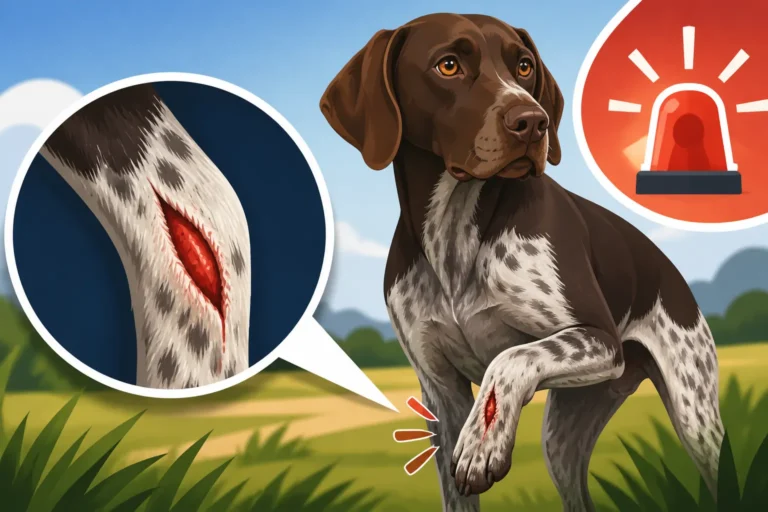
Removal isn't always simple, either. Unlike a splinter that you can often tweeze out, awns are often deep and migratory. They can travel far from their entry point, making them incredibly difficult to locate. Vets often need to sedate the dog, perform exploratory surgery, or use specialized tools like endoscopes to find and extract them. This means complex procedures, anesthesia risks, and overnight stays, all of which quickly add up to significant vet bills. The pain and discomfort your beloved GSP experiences during this process can be heartbreaking. For example, A Foxtail Lodged in a Shorthair's Paw can quickly escalate from a limp to a serious infection requiring aggressive treatment.
Understanding Pet Insurance Coverage for Accidents and Illnesses
When it comes to pet insurance, the good news is that most comprehensive policies are designed to cover unexpected incidents like grass awn foreign body removal. However, "most" doesn't mean "all," and the specifics of your policy matter immensely. Understanding the terminology and limitations is key to knowing what help you can expect.
What "Accident" and "Illness" Typically Mean for Insurers
Pet insurance policies generally divide covered events into "accidents" and "illnesses." An accident typically refers to a sudden, unforeseen event that causes bodily injury, like your GSP tearing a cruciate ligament or getting into an altercation with a porcupine. An illness is usually a sickness, disease, or condition that is not caused by an accident, such as cancer or thyroid issues.
A grass awn incident usually falls under the "accident" category because it's a sudden, external event leading to injury or infection. If an awn causes a subsequent infection or abscess, the treatment for that secondary condition is also typically covered under the initial "accident" claim. However, some policies might categorize the infection as an "illness" if it develops significantly later or is presented as a separate issue. This distinction is usually minor for awns, as the root cause (the awn) is accidental. Companies like Healthy Paws, for instance, generally cover unexpected injuries, which a grass awn incident certainly is.
When reviewing policies, pay close attention to the deductible (the amount you pay before coverage kicks in), the reimbursement percentage (the portion of the vet bill the insurer pays after the deductible), and any annual limits on payouts. For instance, What Insurers Charge for a Torn Cruciate on a Shorthair often illustrates the scale of costs that can be partially offset by accident coverage.
Common Exclusions and Waiting Periods to Watch For
While grass awn surgery is often covered, it’s essential to be aware of potential exclusions and waiting periods. Pre-existing conditions are almost universally excluded. This isn't usually a concern for a sudden grass awn incident unless your dog has had a recurrent issue with awns in the exact same spot before your policy started, which is rare. Routine or preventative care, like regular grooming or nail trims, is also not covered by accident/illness plans, but grass awn surgery is far from routine.
The most critical factor for grass awn coverage is the waiting period. Most pet insurance policies have a waiting period before accident coverage begins, often a few days up to two weeks. If your German Shorthaired Pointer encounters a grass awn and needs surgery during this initial waiting period, the claim will likely be denied. This is why it's so important to enroll your GSP in pet insurance as early as possible, ideally before any incidents occur. Companies like Chewy's pet insurance offerings or Ollie's partnerships often clearly outline their waiting periods. It’s always worth checking the specific policy wording for "foreign body removal" or "surgical removal of ingested objects" to ensure awns are implicitly or explicitly included.
Navigating the Claims Process for a Grass Awn Emergency
When your German Shorthaired Pointer is in pain and needs urgent care for a grass awn, the last thing you want to be thinking about is paperwork. But being prepared and knowing the claims process can make a world of difference in getting reimbursed efficiently.
Documenting the Incident and Vet Visits
The key to a smooth insurance claim is thorough documentation. From the moment you suspect a grass awn, start gathering information. Your veterinarian's office will be your best ally here. Ensure they clearly document everything:
- Initial symptoms: What did you observe? Limping, paw licking, head shaking, sneezing, etc.
- Diagnosis: How was the awn discovered? X-ray, endoscopy, physical exam, surgical exploration.
- Treatment plan: What procedures were performed? Sedation, removal, antibiotics, pain medication.
- Prognosis: The expected recovery and any follow-up care.
Make sure your vet's invoices are itemized, showing the cost of each procedure, medication, and consultation. Keep all receipts. If you noticed the awn yourself (for example, pulled one from your dog's paw before symptoms worsened), take a picture if possible. While not always necessary, any evidence can help support your claim. Communicating with your vet's office that you'll be submitting an insurance claim can prompt them to be extra diligent with their notes, which really helps your case. Remember, the clearer the picture you provide to the insurer, the less back-and-forth there will be. The Bill for Removing a Foxtail From a Shorthair can vary wildly, making good documentation even more vital.
Submitting Your Claim and What to Expect
Once your GSP has received treatment and you have all the necessary documentation, it's time to submit your claim. Most pet insurance providers, including those partnered with Chewy or Healthy Paws, offer easy online portals or mobile apps for claims submission.
Here’s a general rundown of what to expect:
- Fill out the claim form: Provide your policy details, your GSP's information, and a brief description of the incident.
- Upload documents: Attach the itemized invoices, vet records, and any diagnostic reports (e.g., X-ray results).
- Submit: Send it off!
- Waiting period: After submission, there will be a processing period. This can vary from a few days to a couple of weeks, depending on the insurer and the complexity of the claim.
- Review and reimbursement: The insurer will review your claim, verify the details, and then process the reimbursement. You'll typically receive a statement detailing what was covered, what was applied to your deductible, and your reimbursement amount. This will be a percentage of the covered amount, minus your deductible, up to your annual limit.
It’s always a good idea to keep copies of everything you submit. If you have any questions during the process, don't hesitate to reach out to your insurance provider's customer service. They are there to help clarify any confusion and guide you through.
Proactive Steps to Protect Your Shorthair from Awns (and Your Wallet)
The best defense against grass awn injuries and their associated costs is prevention. While you can't eliminate every risk for a German Shorthaired Pointer who loves to hunt and run, you can significantly reduce the chances of a painful, expensive incident. Coupling proactive care with the right insurance policy creates a robust safety net.
Prevention is Key: Post-Hunt Checks and Grooming
Given their natural inclination to dive headfirst into heavy cover, GSPs are always going to be at risk. This means diligent preventative measures are absolutely non-negotiable.
- Daily Post-Adventure Check: This is the most crucial step. After every walk, run, or hunt in grassy or wild areas, perform a thorough head-to-tail inspection of your German Shorthaired Pointer. Pay special attention to:
- Paws: Spread toes wide, check pads, and look between the digits. Awns frequently lodge here.
- Ears: Lift and check inside the ear canal. A Shorthair's Ear Infection That Returns Every Duck Season can often be traced back to these invaders.
- Nose: Look for anything lodged in the nostrils and observe for excessive sneezing or pawing at the face.
- Eyes: Gently inspect around the eyelids for irritation or foreign objects.
- Armpits and Groin: These areas are soft and warm, making them prime spots for awns to burrow.
- Coat: Run your hands against the grain of their short coat to feel for anything prickly or unusual.
- Protective Gear: In areas known for heavy grass awn presence, consider using protective gear. Dog boots can shield paws from entry, although many GSPs resist wearing them. Some owners even consider specialized vests that offer a thin layer of protection to the chest and belly.
- Avoidance: While hard to do with a hunting breed, try to steer clear of fields with dry, mature grass awns when possible. Mow your own yard regularly to prevent them from growing.
Choosing the Right Insurance Policy for a Working Shorthair
Selecting the right pet insurance is a deeply personal decision, but for a high-energy, outdoor-loving German Shorthaired Pointer, robust coverage is often a wise investment. When comparing providers, keep the unique risks of GSPs in mind.
Consider these factors:
- Accident Coverage: Ensure the policy has strong accident coverage that explicitly includes foreign body removal and associated surgeries. Some plans, like those from Healthy Paws, are known for comprehensive accident and illness coverage.
- Deductible and Reimbursement: Think about your budget. A higher deductible means lower monthly premiums, but you'll pay more out-of-pocket per incident. Conversely, a lower deductible means higher premiums but less upfront cost during a claim. Reimbursement percentages typically range from 70-90%.
- Annual Limits: Look at the maximum amount the policy will pay out in a year. For a GSP who might encounter multiple field injuries or develop chronic conditions later in life, a higher or even unlimited annual payout can offer immense peace of mind.
- Customer Service: How easy is it to file a claim and get answers? Look for reviews regarding their claims process.
- Waiting Periods: As discussed, ensure you understand and plan around these. The sooner you enroll, the sooner your GSP is fully covered.
Here's a simplified comparison table to consider key elements:
| Feature | Lower Cost Policy (Example) | Mid-Range Policy (Example) | Premium Policy (Example) |
|---|---|---|---|
| Monthly Premium | Lower | Moderate | Higher |
| Annual Deductible | Higher (e.g., $500+) | Moderate (e.g., $250-$500) | Lower (e.g., $100-$250) |
| Reimbursement Rate | 70-80% | 80-90% | 90% or higher |
| Annual Payout Limit | Limited (e.g., $5,000-$10,000) | Moderate (e.g., $10,000-$20,000) | Unlimited or Very High |
| Accident Waiting Period | Longer (e.g., 14 days) | Standard (e.g., 3-5 days) | Shorter (e.g., 1-3 days) |
| Covers Grass Awn Surgery | Usually yes, if classified as accident | Usually yes, if classified as accident | Usually yes, if classified as accident |
| Ideal For | Budget-conscious, lower risk dog | Balanced coverage, active dog | Maximum peace of mind, working dog |
Remember, this is a generalization, and specific plans from providers like Healthy Paws, Chewy, or Ollie will have their own unique terms. Always read the fine print and compare several quotes tailored to your specific GSP. Investing in the right policy means you can focus on your dog's recovery rather than stressing over the emergency vet bill when an inevitable accident like a grass awn exposure occurs. Whether an Accident Only Plan Suits a Shorthair might be tempting for cost savings, but a comprehensive plan usually offers better protection for the wide array of issues a GSP can encounter.
Disclaimer
This article is for general informational purposes only and does not constitute professional advice. Laws, prices and regulations vary by location and change over time. Consult a qualified professional for guidance on your specific situation.