Holding a Shorthair’s Whoa Before Birds Appear
One of the most profound challenges German Shorthaired Pointer owners face, especially those with an eye toward the field, is teaching that fiery, bird-driven spirit to stand absolutely still when instinct screams to move. It’s incredibly frustrating to have your young dog creep or break point the moment they scent game, undermining all your hard work and missing those crucial seconds for a shot. This comprehensive guide is dedicated to helping you master the nuanced art of holding your Shorthair's "whoa" command, instilling the patience and discipline needed to maintain steadiness even when birds are just out of sight.
Understanding the "Whoa" Command's Core Principles
Before we dive into the nitty-gritty of training, it's essential to truly grasp what the "whoa" command represents for a German Shorthaired Pointer. It's far more than just "stop"; it's a complete cessation of all forward motion, a mental and physical freeze in anticipation of your next instruction. For a breed so inherently driven and passionate about hunting, this command asks them to override their most primal instincts, which is no small feat.
Why "Whoa" is Paramount for a GSP
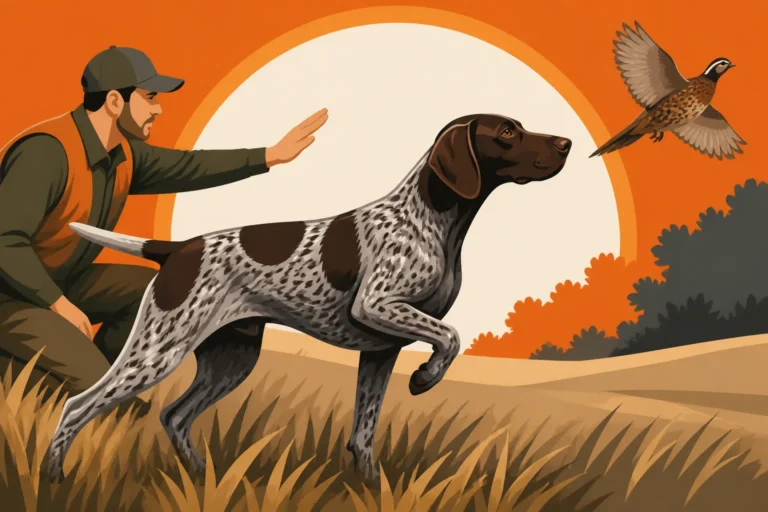
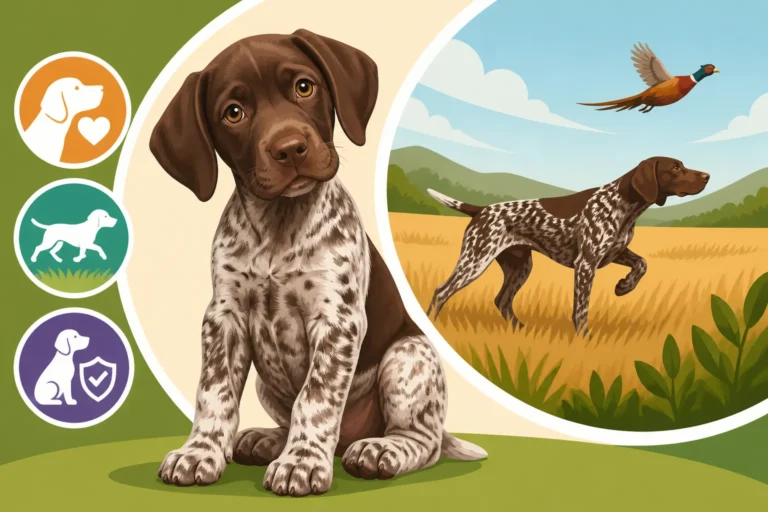
Imagine walking into a prime pheasant field, your German Shorthaired Pointer working the cover with that distinctive, powerful gait, nose to the wind. Suddenly, their head snaps up, tail stiffens, and they lock into a magnificent point. This is the moment we live for! But if your dog takes even one step, flushes the bird prematurely, or bumps it out of range, that perfect picture is ruined. Whoa and Why Every Shorthair Starts There outlines the fundamental importance of this command. "Whoa" is what transforms a strong, impulsive hunter into a polished, effective partner. It allows you to move into position, ensures the bird is held until the ideal moment, and prevents dangerous situations where your dog might run into traffic or other hazards while chasing a flushed bird. Without a solid "whoa," your Shorthair is simply running through birds, not hunting them with you.
It's not just about the hunt, either. A dog with a reliable "whoa" is a safer, more manageable companion in everyday life. Think about walking off-leash in an open field, and suddenly a rabbit bolts across their path. A deep-seated "whoa" can prevent a dangerous chase, keeping your dog safe and within your control. This command builds immense trust between you and your dog, proving to them that you are the leader and that patiently waiting for your direction ultimately leads to success, whether that's a retrieve or simply continuing the walk.
The Psychological Aspect of Holding Still
For a German Shorthaired Pointer, holding "whoa" isn't just about physical stillness; it's a profound mental exercise. These dogs are intelligent and intensely focused, which means they are constantly processing scent, sight, and sound. To ask them to stand stock-still, especially when their powerful nose tells them birds are close, is asking them to override an instinct that has been bred into them for generations. It requires immense self-control.
The psychological component involves teaching your dog that your command is more rewarding than the immediate gratification of chasing a bird. It's about developing a deep understanding that waiting, no matter how intense the bird scent or how tantalizing the rustle in the grass, leads to a greater payoff – often, the opportunity to retrieve that bird once it's brought down. This mental discipline is why "whoa" training can sometimes feel like a battle of wills, but it's crucial to approach it with endless patience and positive reinforcement. A dog that is physically still but mentally agitated is not truly performing a "whoa." We're aiming for a calm, confident, and steady freeze.
Building a Solid Foundation: Early Whoa Training
Effective "whoa" training starts long before your German Shorthaired Pointer ever sees a live bird. It begins with establishing basic obedience and a clear understanding of what the word means in a low-distraction environment. Trying to teach "whoa" for the first time with a pheasant flushing can be disastrous, leading to confusion and frustration for both you and your eager Shorthair.
Starting with the Whoa Post or Barrel
Many experienced trainers swear by the "whoa post" or "whoa barrel" method for introducing the concept of immobility. This involves placing your puppy or young dog on an elevated platform, like a sturdy barrel or a waist-high table, with a slip lead or collar. The elevated position naturally restricts their movement and provides a clear boundary. Teaching a Shorthair Whoa on a Table or Barrel details this effective approach. You might start by simply holding them there for a few seconds, calmly repeating "whoa," and then immediately releasing them with praise and a treat. The key is short, successful repetitions.
As your dog begins to understand, you can gradually increase the duration. Walk around them, touch them gently, and ensure they remain still. The goal here is not just to keep them from moving off the barrel, but to instill a mental connection between the word "whoa" and absolute stillness, regardless of what you are doing. This foundational work helps them generalize the command, understanding that "whoa" means "don't move" in any context, not just "don't jump off the barrel." Remember, this isn't punishment; it's a teaching tool for physical control. Many trainers find suitable barrels or tables on platforms like Amazon, making it an accessible starting point.
Gradual Introduction of Movement and Duration
Once your Shorthair is solid on the whoa post, it's time to bring the command down to ground level and gradually introduce more variables. Start in a very quiet area, like your living room or a fenced yard with no distractions. Put your dog on a leash, say "whoa," and gently stop their forward motion. If they move, gently correct them back to the exact spot they were supposed to stop, repeating "whoa." Immediately praise and reward them when they hold still, even for a second.
Over time, you'll increase the duration of the "whoa." Start with just a few seconds, then five, then ten. Walk a small circle around them, always returning to reward them for holding still. The process is one of tiny, incremental steps. Think of it like building a house: you start with a strong foundation before adding walls and a roof. For GSPs, whose energy is boundless, these early, calm sessions are critical. You want to make "whoa" synonymous with a pleasant, rewarding experience, not a frustrating test of their patience. As they progress, practice in different areas of your yard, varying the textures under their paws, to further generalize the command.
Integrating Distractions: Moving Beyond the Barrel
Once your Shorthair understands "whoa" in a controlled, low-distraction environment, the real work begins: proofing the command against the very things that excite them. This phase is crucial for ensuring they hold their "whoa" before birds appear, not just when there's nothing interesting around.
Adding Sound and Scent Distractions
Now it’s time to simulate the field without actually putting a bird in front of your dog yet. Think about the sounds and scents that would typically precede a bird encounter. For sounds, you might start by rustling a plastic bag nearby, dropping a training dummy, or even having someone walk by with a jingling collar. Gradually, introduce distant gunshots (starting with a cap gun or blank pistol from a very far distance). The goal isn't to desensitize them to the sound itself, but to teach them that even exciting noises don't break the "whoa" command.
Scent is a powerful motivator for a GSP. You can use bird wings or scented dummies (pheasant or quail scent is easily acquired). Have your dog "whoa" at a distance, then walk past them dragging a scented wing on a string, or place a scented dummy nearby. Do not let them break the "whoa" to investigate. If they do, immediately bring them back to their original spot and reset. Reward heavily for holding still while these enticing scents are present. The idea is to build their mental fortitude against the overwhelming urge to follow their nose. This slow, deliberate process ensures that when they do hit a real bird scent, the "whoa" command is already deeply ingrained.
Simulating Field Conditions Without Birds
This stage is about creating an environment that feels like a hunt, but without the live bird unpredictability. Take your Shorthair to an open field, preferably one with some cover, but where you know there are no wild birds. Put them on a long check cord for safety. Practice walking and then giving the "whoa" command, just as you would if they had locked onto a bird.
You can simulate a "find" by hiding a scented dummy or a wing in the cover ahead of them. Work your dog as if they are actually hunting, letting them range. When they get close to the hidden item and start to show interest (but before they physically locate it), give the "whoa" command. They should freeze, even though they haven't seen or touched the "bird." Holding a Shorthair's Point Until You Walk In covers the importance of holding steady. Walk in, "flush" the dummy, and then, only after giving another command, allow them to retrieve it if that's part of your training plan. This teaches them to hold their point, trusting you to handle the flush and retrieve. This is where patience truly becomes a virtue; you're asking them to delay gratification, which is incredibly difficult for a GSP.
The Role of the Check Cord in Reinforcement
The check cord is your best friend during this phase of training. It's not a punishment tool, but a means of communication and gentle correction. Building Whoa on a Shorthair With a Check Cord explains its utility. When your dog is on a "whoa" and starts to creep or break, a quick, gentle tug on the check cord, combined with a firm "whoa," brings them back to their spot. It provides immediate feedback and reminds them of the expectation.
Use a long check cord, perhaps 15 to 30 feet, made of a durable material that won't tangle easily. Nylon or cotton ropes are common choices, readily available on platforms like Amazon. Attach it to a flat buckle collar, not a slip lead, during this stage, to avoid injury. The check cord allows you to maintain control even when your dog is ranging ahead, providing the necessary leverage to enforce the "whoa" command from a distance. As your dog's reliability improves, you'll gradually rely less on the check cord, eventually progressing to off-leash work, knowing the command is thoroughly understood.
Advanced Whoa: Steadiness Without Visual Cues
Once your German Shorthaired Pointer is reliably performing "whoa" with minor distractions and simulated field conditions, it's time to refine their steadiness for real-world hunting scenarios. This is where you push for that internal discipline, ensuring they don't break point even when they know the bird is there, but unseen.
"Whoa" at a Distance
A truly reliable "whoa" means your dog holds steady not just when you're standing next to them, but also when you're a significant distance away. Begin practicing this in a controlled field where you’ve hidden a scented dummy or even a frozen bird. Work your dog into the scent cone. As they lock onto the scent and start to point, give the "whoa" command from a distance.
Initially, you might still use a long check cord to provide reinforcement if needed. The goal is for them to stand still, unwavering, as you walk towards them and then past them to the "bird." This teaches them that the command holds true no matter your proximity. This requires strong recall and trust built on earlier training. If your Shorthair breaks, calmly walk them back to the exact spot they broke from, reset, and repeat. Consistency is paramount here. The more you reinforce that breaking the "whoa" means starting over, the quicker they'll understand that holding steady is the path to success. You might find resources on platforms like BAXTER & Bella that offer modules specifically on distance control and advanced obedience, which can be invaluable during this phase.
Blind Whoa: Trusting the Command Alone
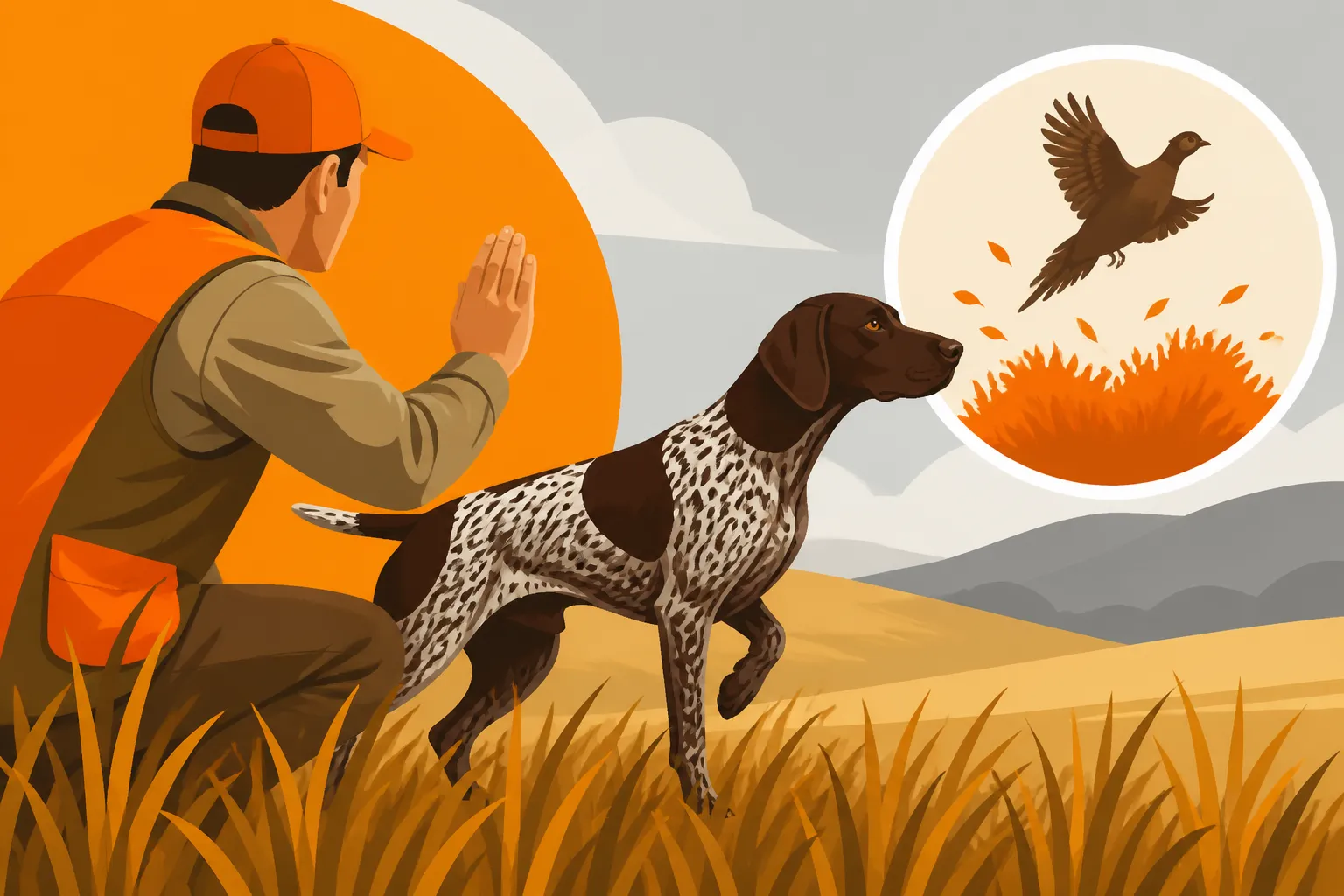
The "blind whoa" is the pinnacle of steadiness. This is when your German Shorthaired Pointer points a bird that you cannot see. It could be deep in heavy cover, over a slight rise, or in an area where your view is obstructed. Your dog's unwavering point is your signal, and you need them to hold that point until you can get into position, confirm the bird, and ideally, flush it yourself.
To train for this, set up scenarios where the "bird" (whether a dummy or a real bird in a remote launcher) is truly hidden from your sight. Work your dog into the wind. When they suddenly lock up on point, out of your immediate view, call out "whoa." Trust your dog's nose. Take your time, walk confidently to their side, observing their body language for confirmation of the bird. Resist the urge to rush in or talk excessively. Your calm, deliberate approach reinforces their steadiness. Only when you are ready, and after confirming the bird's location, should you command the flush or allow the retrieve. This entire sequence builds incredible trust – your dog trusts you to handle the bird, and you trust your dog to hold its point. This is the moment when all that early training on the whoa post truly pays off in the field.
Troubleshooting Common Whoa Challenges
Even with the best intentions and consistent training, German Shorthaired Pointers can present unique challenges when it comes to holding "whoa." Their high drive and intelligence mean they are always looking for an advantage or a shortcut. Understanding these common pitfalls and how to address them is key to success.
Addressing Creeping or Breaking Point
Creeping, taking small steps forward while on point, or outright breaking point before released, are common frustrations. A Shorthair That Creeps Once It Points highlights this problem. This usually stems from impatience and the overwhelming drive to get to the bird.
- Reinforce the Basics: If your dog is creeping, go back to basics. Revisit the whoa post or barrel. Reintroduce the check cord in a low-distraction environment. Sometimes, going back a step helps solidify the command.
- Instant Correction: Any movement during a "whoa" must be corrected immediately. Use the check cord to physically place them back in the exact spot they moved from. Don't scold excessively, just firm, calm repositioning, and then restart the "whoa."
- Shorten Sessions: If they are consistently failing, your sessions might be too long or too challenging. End on a success, even if it's a very short, easy "whoa" that they master.
- Increase Repetitions with No Bird: Practice "whoa" many, many times without any birds present. Make it a default command that they respond to without question, so that when a bird is present, the muscle memory of holding "whoa" is stronger than the instinct to chase.
- Focus on Mental Steadiness: Sometimes a dog is physically still but their body is tense, ready to spring. Watch for subtle cues like shifting weight, twitching muscles, or intense eye contact with the presumed bird location. Gently talk to them, stroke their side if they tolerate it, and encourage a relaxed stillness. The mental component is just as vital as the physical.
Maintaining Enthusiasm During Training
German Shorthaired Pointers are eager to please, but repetitive training can sometimes dull their enthusiasm, especially for a command that requires so much restraint. The last thing you want is a dog that's bored or resentful of "whoa" training.
- Vary Your Rewards: Don't just stick to one type of treat. Use high-value treats, a favorite toy, or enthusiastic verbal praise. Sometimes the biggest reward for a GSP is the opportunity to retrieve the bird after a successful "whoa."
- Keep it Fun: Integrate play into your training sessions. A few rounds of fetch or a tug session can be a great way to start or end a "whoa" session, keeping the overall experience positive and exciting.
- Mix it Up: Don't just do "whoa" training. Include other obedience commands, short retrieves, and free-running time in your sessions. A diverse training regimen keeps your dog engaged and prevents burnout.
- Short, Frequent Sessions: Instead of one long, arduous "whoa" session, try several shorter, five to ten-minute sessions throughout the day. This keeps your dog fresh and focused, and you'll likely see faster progress.
- Positive Reinforcement is Key: Never punish your dog for making a mistake. Instead, focus on rewarding desired behaviors. If they struggle, make the task easier until they can succeed, then gradually increase the difficulty again. A positive experience breeds confidence and willingness to learn.
When to Seek Professional Help
There are times when despite your best efforts, you might feel stuck or that your Shorthair isn't progressing as you hoped. This is perfectly normal, and there's no shame in seeking expert guidance.
- Identifying Training Plateaus: If you've been working diligently and consistently for weeks or months and feel like you've hit a wall, a professional trainer can often spot subtle issues in your technique or your dog's understanding that you might be missing.
- Addressing Specific Behavioral Issues: If your dog is exhibiting strong prey drive that overrides all commands, or if they are becoming overly stressed or anxious during "whoa" training, a professional can provide tailored strategies.
- Learning Advanced Techniques: For those aiming for competitive hunt tests or simply wanting the absolute best performance from their dog, a professional trainer can introduce advanced concepts like force fetch (for a solid retrieve after the point) or specific steadiness drills. What a Pro Trainer Charges to Start a Shorthair on Birds can give you an idea of the investment, but for many, it's worth it for a truly finished bird dog.
- Evaluating Temperament: A good trainer can also assess your dog's individual temperament and adjust training methods accordingly. Some GSPs are "softer" and require a gentler approach, while others are more headstrong.
- Group Classes vs. One-on-One: Consider both options. Group classes can be great for adding distractions in a controlled environment, while one-on-one sessions offer personalized attention. Look for trainers who specialize in bird dog training or who have extensive experience with GSPs. Checking with local NAVHDA chapters or reputable breed clubs can lead you to excellent resources and recommended professionals in your area.
The Long-Term Goal: A Consistent and Confident "Whoa"
The journey to a reliable "whoa" command is a marathon, not a sprint, especially with a German Shorthaired Pointer. It demands consistency, patience, and a deep understanding of your dog's inherent instincts. But the reward – a beautifully steady, confident bird dog that works seamlessly with you in the field – is immeasurable.
Reinforcement in Every Environment
A truly "finished" whoa isn't just for the bird field. It's a command that your Shorthair respects and obeys everywhere. Practice "whoa" during your daily walks, at the park, or even during playful romps in the yard. If you're out hiking and spot deer, give the "whoa" command. While the temptation of a rabbit might be less intense than a pheasant, reinforcing the command in diverse, non-birdy situations strengthens its meaning.
This consistent reinforcement helps your dog generalize the command. They learn that "whoa" means freeze, always, regardless of the context or the exciting distractions around them. This comprehensive understanding ensures that when they encounter a bird, the ingrained habit of holding steady kicks in, overriding their instinct to break. Think of it as building a strong habit that's harder to break than the impulse to chase.
Maintaining Mental and Physical Fitness
A dog that is physically fit and mentally stimulated is far more likely to perform well and hold its "whoa." An under-exercised German Shorthaired Pointer, brimming with pent-up energy, will struggle immensely with self-control. The Two Hours a Day a German Shorthaired Pointer Needs is a great reference for their activity requirements. Ensure your Shorthair gets ample exercise – running, swimming, or vigorous play – every single day.
Mental stimulation is just as important. Puzzle toys, scent work games, and ongoing obedience training can keep their sharp minds engaged. A dog that is bored or restless will look for outlets for that energy, and breaking a "whoa" might just be one of them. A balanced approach that addresses both their physical needs and their mental drive will create a more settled, attentive, and biddable partner in the field and at home. Remember, a tired GSP is often a well-behaved GSP.
Trust, Patience, and the Unbreakable Bond
Ultimately, the "whoa" command, particularly when holding steadiness before birds appear, is a testament to the bond of trust between you and your German Shorthaired Pointer. They are choosing to override their most powerful instincts because they trust your leadership, your judgment, and the ultimate reward you will provide. This takes immense patience on your part, especially during moments of frustration.
Celebrate every small victory. Acknowledge their effort. Understand that mistakes are part of the learning process, and your calm, consistent guidance is what will see them through. The day your Shorthair locks onto a wild bird, holding a rock-solid point, eyes blazing with intensity but body absolutely still, waiting for your command – that's the day all the hard work pays off. It's a beautiful demonstration of partnership, born from tireless training and unwavering trust. This journey of training isn't just about the bird dog; it's about forging an incredible, lifelong connection with your spirited companion.
Disclaimer
This article is for general informational purposes only and does not constitute professional advice. Laws, prices and regulations vary by location and change over time. Consult a qualified professional for guidance on your specific situation.