Holding a Shorthair’s Point Until You Walk In
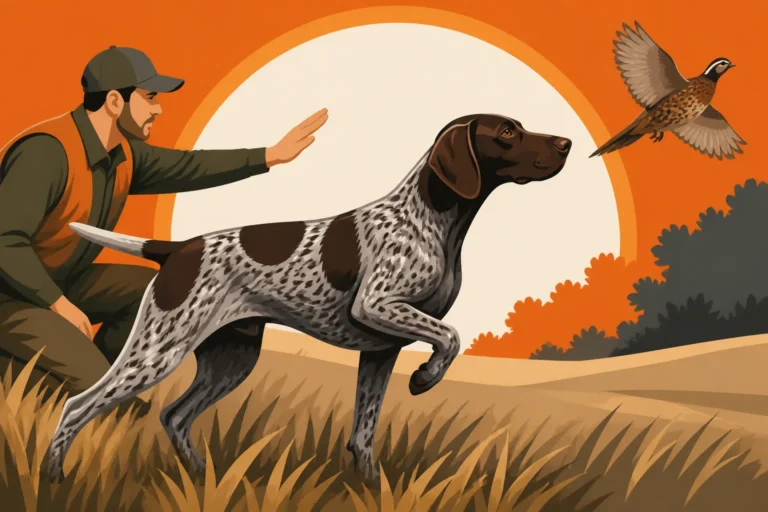
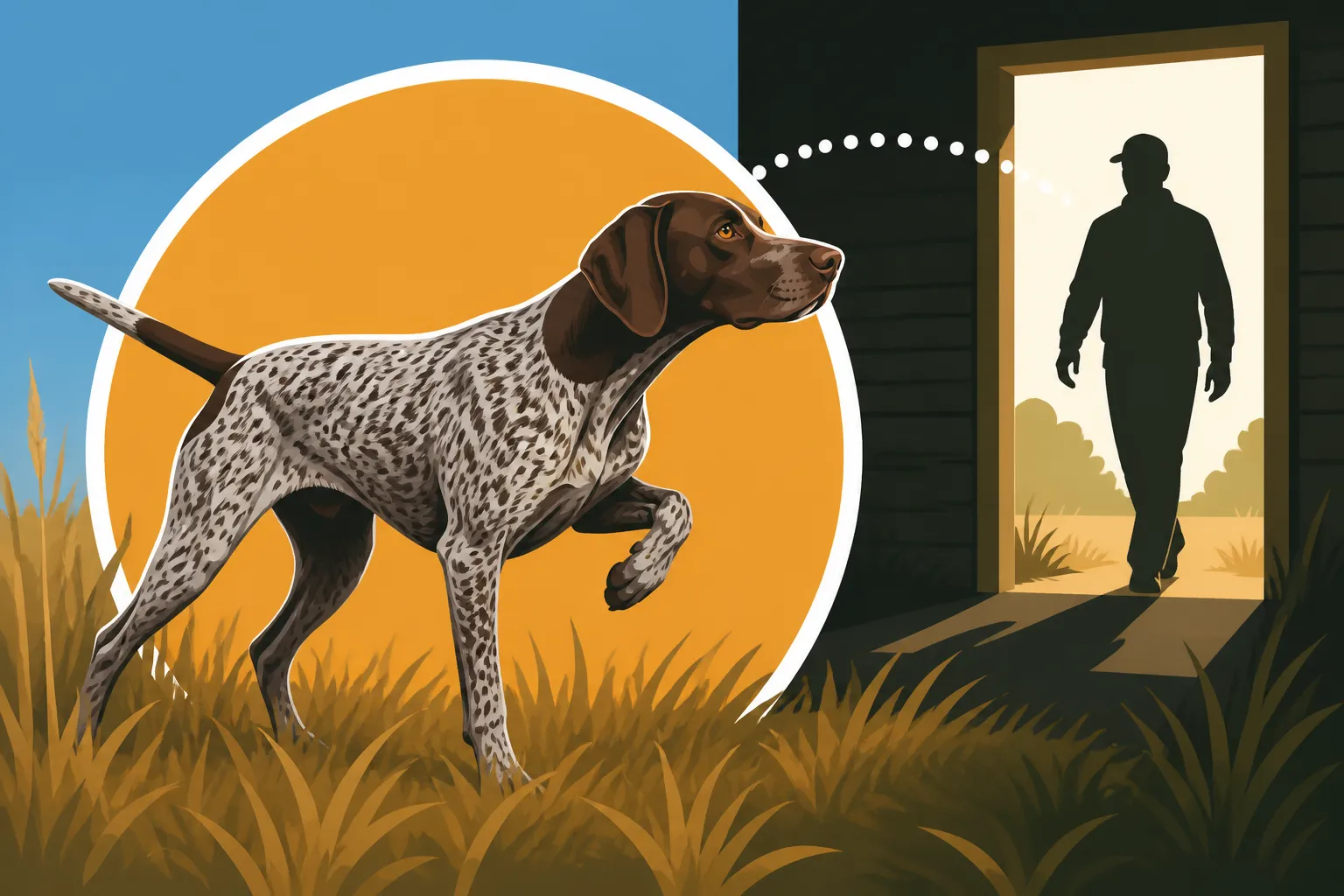
It's incredibly frustrating when you've done all the groundwork, your German Shorthaired Pointer is locked on point, nose twitching, tail a blur, and then, just as you're making your approach, they break and flush the bird out of range or, worse, chase it. This guide is all about helping you understand why your Shorthair might break point and, more importantly, how to systematically train them to hold steady until you, the hunter, give the command to flush or retrieve.
Understanding the GSP's Instinct to Point and Chase
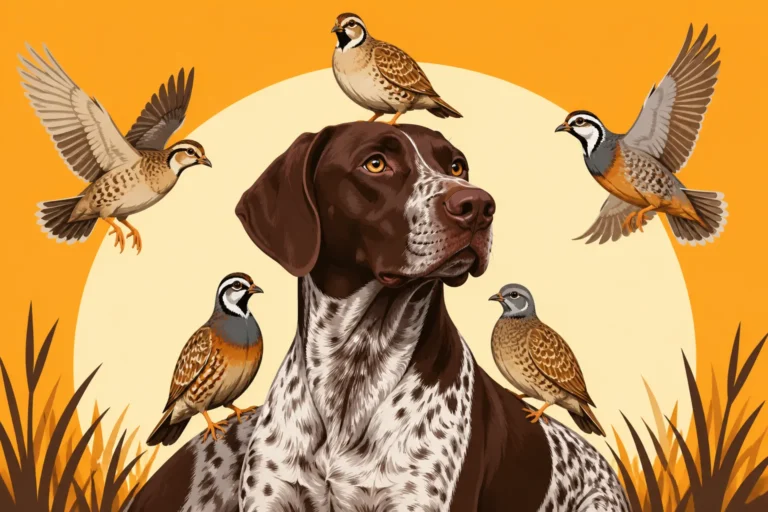
German Shorthaired Pointers are magnificent creatures, bred for versatility, which means they're designed to do it all: find, point, and retrieve. But that powerful prey drive, that intense desire to get to the bird, is a double-edged sword. It's what makes them such incredible hunting partners, but it's also what makes holding a steady point so challenging. Their natural inclination is to get to the bird and bring it back, and that often means moving in too soon.
The Genetic Drive for Action
Think about the millennia of selective breeding that went into creating the GSP. These dogs were developed to be active participants in the hunt, not just statues. Their ancestors were often expected to track, find, point, and then follow up quickly to retrieve fallen game. This intense drive for action is deeply ingrained. When they hit scent, their body language shifts: muscles coil, eyes fixate, and that iconic tail might go into overdrive. It's a moment of pure, unadulterated instinct, and asking them to stop and wait goes against every fiber of their being. It’s like asking a sprinter at the starting blocks to just stand there indefinitely.
This genetic hardwiring means that simply showing them what to do once or twice isn't enough. It requires consistent, patient training that acknowledges and redirects this powerful instinct. You're not trying to extinguish their prey drive; you're shaping it, channeling it into a controlled and cooperative behavior. It's a dance between their wild heart and your calm direction, a testament to the partnership that is the core of German Shorthaired Pointer ownership. This is especially true for field-bred lines where that intensity is often magnified, making solidifying the point even more critical for successful hunts.
The Difference Between Pointing and Steadiness
It's crucial to understand that "pointing" and "steadiness" are two distinct, albeit related, behaviors. Pointing is largely instinctual for a German Shorthaired Pointer. Most Shorthair puppies, even without formal training, will show some rudimentary pointing behavior when they encounter a bird for the first time. They might stiffen, lower their head, or lift a paw. It's a natural reaction to the overwhelming scent of game. The dog locks up, indicating the bird's presence.
Steadiness, on the other hand, is a trained behavior. It's the act of holding that point, resisting the urge to creep, flush, or chase, even when the bird flushes, the gun fires, or the bird falls. This is where your influence comes in. A GSP can be an incredible pointer, but if they break point every time you step in, or bolt after a flushed bird, they're not truly steady. Achieving steadiness is a hallmark of a well-trained gun dog and elevates your hunting experience from chaotic to controlled. Without steadiness, you'll be constantly calling them off, missing shots, and potentially losing birds.
Step-by-Step: Building a Rock-Solid Point
Building a steady point is a foundational element of German Shorthaired Pointer training. It's not something that happens overnight, and it's certainly not something you can rush. It builds on earlier lessons, particularly the "whoa" command, which is truly the cornerstone of all steady work. Without a solid understanding of "whoa," your Shorthair will struggle immensely with holding point.
Mastering the "Whoa" Command
Before you even think about birds, your German Shorthaired Pointer needs to understand "whoa" implicitly. This command means "stop all forward motion and stand still, no matter what." It needs to be absolute. Start with simple exercises, using a check cord in a distraction-free environment. Walk your dog, say "whoa," and gently apply pressure to the check cord and collar to bring them to a halt. Praise and release. Repeat this hundreds of times. Consistency is key here. Your dog should understand that "whoa" is non-negotiable. Many trainers start this on a raised platform or barrel, where the dog has limited options to move, making it easier to reinforce stillness. Teaching a Shorthair Whoa on a Table or Barrel is an excellent place to start for this.
Once your dog is solid on "whoa" in a calm setting, gradually introduce mild distractions. Have a friend walk by, or toss a toy (but don't let them chase it). The goal is for "whoa" to stick, regardless of what's happening around them. This initial phase is often where owners get impatient, but rushing it will only create problems down the line when real birds are involved. Remember, you're building a habit of absolute stillness on command, a habit that needs to be stronger than their instinct to chase. You might find resources on platforms like Amazon for quality check cords and long lines to aid in this early training.
Introducing Birds with Control
Once "whoa" is practically bulletproof, it's time to introduce birds, but still with an emphasis on control. Start with pigeons or quail in a controlled setting, often a training pen or a large, enclosed field. Place a bird under a trap or in a bird launcher. Walk your dog on a check cord into the wind, allowing them to hit the scent. The moment they lock on point, before they can take a step, give the "whoa" command. If they try to move, a firm but gentle correction with the check cord should immediately stop them. The goal is to associate the scent of the bird with holding still. Holding a Shorthair's Whoa Before Birds Appear goes into more detail on this critical step.
Once they're holding point, allow them to stand there for a good minute or two. This builds their patience. Then, you flush the bird. As the bird flies, they should remain steady. This is incredibly hard for a Shorthair, and you'll likely need to hold them firmly on the check cord to prevent them from breaking. Don't worry if they struggle; this is a completely new concept for them. Over time, they'll learn that holding steady leads to the bird being flushed, and eventually, the retrieve. This phase might involve many repetitions over several weeks or even months. It’s about building a sequence of events: scent, point, whoa, flush, wait.
Gradually Increasing Distractions and Steadiness
With a solid "whoa" and initial bird work under their belt, you can begin to increase the complexity. This means longer holds on point, introducing the sound of a blank pistol or shotgun at a distance, and eventually moving to wilder birds in more varied terrain. When introducing gun fire, always start far away and gradually decrease the distance, ensuring your dog remains calm and steady. Building a Shorthair's Gun Tolerance From a Distance provides excellent advice on this. If they show any signs of fear or breaking, move back to an easier stage.
You'll want to use bird launchers to control the flush, ensuring the dog only sees the bird fly after they've held steady. Gradually transition to flushing birds by hand. Throughout this, the check cord remains your safety net. Don't remove it until you are absolutely certain your GSP will hold steady without it. Many trainers use an e-collar during this phase, not for harsh corrections, but for subtle, consistent reinforcement of the "whoa" command at a distance. If you use one, ensure you've properly conditioned your dog to it in non-stressful situations first, as detailed in Conditioning a Shorthair to the E-Collar Properly. The BAXTER & Bella online puppy program, while focused on general obedience, lays fantastic groundwork for the responsiveness needed for advanced field work like this.
Common Pitfalls and Troubleshooting a Broken Point
Even with the best intentions and consistent training, things can go awry. German Shorthaired Pointers are smart, and they'll test boundaries. A broken point isn't a failure, it's a sign that you need to go back a step or adjust your approach. Understanding why they're breaking is the first step to fixing it.
Why Shorthairs Break Point
There are several common reasons a German Shorthaired Pointer might break point, and often it's a combination of them. The most prevalent reason is simply an overwhelming prey drive combined with insufficient steadiness training. Their instinct to chase is stronger than their learned impulse to "whoa." They might be over-excited, perhaps new to birds, or too fresh in their training. If they haven't had enough repetitions where holding point led to a positive outcome (like the bird being flushed for them to retrieve), they'll opt for the immediate gratification of the chase.
Another significant factor is inconsistency from the handler. If you sometimes let them creep, or occasionally let them break and chase without correction, you're teaching them that the command isn't always absolute. This is a common mistake that ruins whoa on a Shorthair. Environmental factors can also play a role; a particularly strong scent cone, a bird that flushes prematurely, or too many distractions can make holding steady incredibly difficult. Sometimes, a dog is just having an "off" day, much like we all do. Knowing your dog's temperament and energy levels is crucial here.
Correcting a Dog That Breaks Point
When your German Shorthaired Pointer breaks point, the correction needs to be immediate and firm, but fair. If you're still using a check cord, a quick, sharp tug with a firm "whoa!" is usually effective. The timing is paramount; the correction must happen the instant they move, not a moment later, so they associate the movement with the correction. If you're using an e-collar, a low-level stimulation, again, applied precisely when they take that first step, can be very effective in reinforcing the "whoa" command. The goal is not punishment, but communication: "That action is incorrect."
After the correction, immediately return the dog to the exact spot where they broke point, give the "whoa" command again, and try to re-establish the point. If possible, place another bird or use a remote bird launcher to give them another opportunity to succeed. You want to end on a positive note, with them holding steady, even if it's only for a few seconds. If they repeatedly break, it's a clear sign you've moved too quickly and need to go back to a simpler stage of training, perhaps focusing solely on "whoa" without birds for a session or two. Don't get angry; get analytical. What part of the training needs reinforcing?
The Importance of Patience and Consistency
I cannot stress this enough: patience and consistency are your two most powerful tools when training a German Shorthaired Pointer to hold point. This is not a race; it's a marathon. Every training session, every hunt, is an opportunity to reinforce the desired behavior. If you only practice steadiness occasionally, your dog will never truly grasp its importance. It needs to be an expectation every single time they're on game.
If you're finding yourself frustrated, take a break. Your dog can sense your emotions, and frustration will only hinder progress. Go back to basics if you need to. Celebrate the small victories, like a slightly longer hold, or resisting a small creep. And remember, every dog learns at a different pace. What takes one Shorthair a few weeks might take another several months. Trust the process, trust your dog, and be unwavering in your expectations. The payoff, a steady, controlled German Shorthaired Pointer in the field, is absolutely worth the effort.
Maintaining the Point Through a Shorthair's Career
Training a GSP to hold point isn't a "one and done" deal. It's an ongoing process throughout their lives, especially for active hunting dogs. Just like athletes, they need to stay sharp, and their skills need regular reinforcement. Over time, you'll learn to read your dog's body language, anticipating when they might be about to break and intervening before it happens.
Regular Refreshers and Proofing
Even a fully trained German Shorthaired Pointer benefits from regular refresher sessions, especially before the hunting season begins. Use training birds to simulate real hunting scenarios. Set up drills where they encounter birds and are expected to hold steady. This isn't about re-teaching; it's about reinforcing and proofing. Proofing involves practicing in different environments with varying distractions, ensuring the command holds true no matter the circumstances.
Think of it like a professional athlete practicing their fundamentals. They don't forget how to shoot a free throw, but they still practice it daily. Similarly, your GSP needs to "practice" holding point. If you hunt in diverse terrain, make sure you practice in fields, woods, and even near water if your dog is expected to retrieve waterfowl. The more varied the training environments, the more confident your dog will be in their steadiness when faced with unexpected situations in the field. This constant reinforcement helps prevent A Shorthair That Creeps Once It Points from becoming a habit.
Handling Different Scenarios in the Field
The real world of hunting is rarely as controlled as a training session. You'll encounter birds that run, flush unexpectedly, or dive into thick cover. Your GSP needs to be steady through all of it. If a bird runs, your dog should maintain point, allowing you to move in and flush. If they start to creep, a quiet "whoa" or a subtle e-collar tap (if trained) should remind them of their job. Patience from the handler is crucial here. Resist the urge to rush them in.
For unexpected flushes, your dog should still hold steady, waiting for your command. This is perhaps the hardest part of steadiness – watching a bird fly off without chasing. This is where Steadying a Shorthair to Wing and Shot becomes absolutely essential. If you shoot and the bird falls, they should again wait for your retrieve command, not self-retrieve. This control is what prevents lost birds and ensures safety. If your dog frequently bumps birds instead of pointing, as discussed in A Shorthair That Bumps Birds Instead of Pointing, it might indicate a lack of confidence or too much pressure, and you might need to dial back the intensity of your training.
Trust, Communication, and the Partnership
Ultimately, a rock-solid point comes down to trust and clear communication between you and your German Shorthaired Pointer. Your dog needs to trust that you will flush the bird when they're ready, and that they will get their opportunity to retrieve. You need to trust that they will hold steady, allowing you to walk in for the shot. This partnership is built on thousands of repetitions, consistent expectations, and a deep understanding of each other's roles.
Over time, you'll develop subtle signals and cues that reinforce the point. A certain tone in your voice, a hand signal, or even just your presence can communicate your expectations. The goal is to create a seamless, fluid hunting experience where your Shorthair's incredible instincts are perfectly harmonized with your commands. This level of communication is what truly makes a German Shorthaired Pointer a lifelong hunting companion, turning a wild chase into a controlled, ethical, and incredibly rewarding hunt. It’s an investment in your relationship that pays dividends for The Twelve to Fourteen Years a German Shorthaired Pointer Gets.
| Training Stage | Focus | Key Tools | Handler Role | Common Challenges |
|---|---|---|---|---|
| I. Foundation: Whoa | Absolute stillness on command | Check cord, "whoa" post, praise | Consistent, clear command, immediate correction | Dog wanting to move, breaking anticipation |
| II. Bird Introduction | Associating scent with "whoa" | Pigeons, quail, bird launcher, check cord | Control flushing, reinforce "whoa" on point | Breaking point, creeping, over-excitement |
| III. Steadiness to Flush & Shot | Holding still as bird flushes and gun fires | Bird launcher, blank pistol/shotgun, e-collar (optional) | Prevent breaking, reinforce wait for retrieve | Chasing the flush, gun shyness |
| IV. Proofing & Maintenance | Generalizing skills, maintaining sharpness | Varied terrain, wild birds, occasional refreshers | Anticipate issues, consistent expectations, trust | Inconsistency in different environments, handler fatigue |
Disclaimer
This article is for general informational purposes only and does not constitute professional advice. Laws, prices and regulations vary by location and change over time. Consult a qualified professional for guidance on your specific situation.