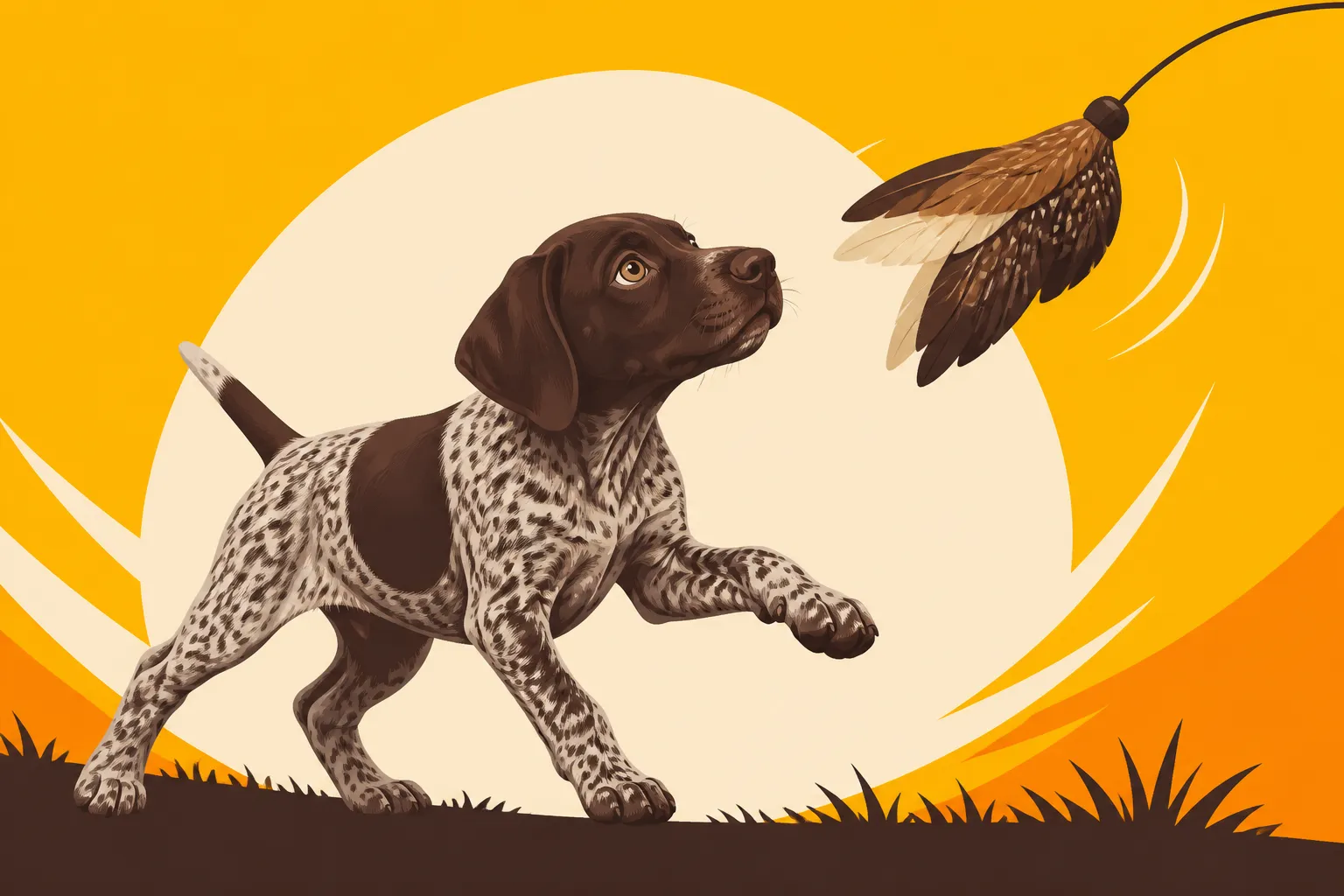
Wing on a String for a Shorthair Puppy
Bringing a German Shorthaired Pointer puppy home is an exhilarating experience, filled with dreams of future hunts and loyal companionship. But one common frustration many new owners face is how to safely and effectively introduce their energetic little bird dog to the very concept of birds without overwhelming them, or worse, creating a negative association. This guide will walk you through the "wing on a string" method, a fantastic, low-pressure way to tap into your Shorthair puppy's natural instincts, build their prey drive, and lay a rock-solid foundation for a lifetime in the field.
Why the "Wing on a String" Method Excels for Young Pointers
Getting a young German Shorthaired Pointer puppy started on birds can feel like a high-stakes game. You want to ignite that spark, that inherent desire to hunt, but you absolutely don't want to scare them or put too much pressure on them too soon. This is precisely where the simplicity and brilliance of the "wing on a string" method shines. It offers a bridge, a gentle introduction that respects the puppy's developing mind and body, making it a cornerstone for early field preparation.
Gentle Introduction to Scent and Texture
The core of bird work for a German Shorthaired Pointer is, naturally, the bird itself. But a flapping, squawking live bird or even a large, stiff frozen bird can be a lot for a tiny puppy to process. The wing on a string isolates key elements of the bird experience, delivering them in digestible pieces. It allows your pup to explore the rich, complex scent of a game bird's wing – pheasant, quail, or chukar – without the intimidating size or movement of the full bird. They can sniff, mouth, and get accustomed to the unique texture of feathers, building positive sensory memories that will serve them well later on.
Imagine a curious young pup, perhaps just ten or twelve weeks old, encountering a vibrant pheasant wing being gently dragged across the lawn. There's no sudden flush, no loud noise, just the intriguing smell and the rustle of feathers. This controlled exposure helps them associate these critical stimuli with excitement and discovery, rather than fear or confusion. It’s about making that initial connection a joyful one, fostering an innate drive rather than a trained response. This early, positive exposure is invaluable for shaping their future enthusiasm.
Building Drive Without Overstimulation
German Shorthaired Pointers are, by their very nature, high-drive dogs. Their desire to hunt, point, and retrieve is often incredibly strong, even at a young age. However, simply throwing a live bird at a puppy can easily lead to overstimulation. They might become frantic, chase wildly, or even develop a fear of the bird if it suddenly takes flight close to them. The beauty of the wing on a string lies in its ability to build that incredible drive in a highly controlled environment.
You, as the handler, dictate the pace and intensity. You can make the wing dart and hide, mimicking a bird running through cover, allowing your puppy to stalk and pounce. Or you can hold it relatively still, letting them investigate and "lock on" with their nose. This control prevents the pup from becoming overwhelmed, ensuring they don't associate the exciting experience with stress or confusion. It teaches them to focus their energy, developing that intense, pinpoint concentration that defines a good pointer. It's about channeling their natural exuberance into a productive, focused hunt drive.
Sourcing and Preparing Your Wing on a String
Before you can get started with the fun, you need to gather your materials. The good news is that creating a "wing on a string" is a straightforward process, requiring just a few items. The key is to select components that are safe, durable, and effective for your German Shorthaired Pointer puppy. Think about what will best mimic the experience of a real bird while standing up to enthusiastic puppy teeth and playful tugs.
Choosing the Right Wing for Training
The most crucial component, of course, is the bird wing itself. While any real bird wing will have scent, some are more suitable than others for puppy training. Pheasant, chukar, and quail wings are popular choices among German Shorthaired Pointer owners. Pheasant wings tend to be larger and more durable, offering a substantial target for a growing pup and a strong, enticing scent. Quail wings are smaller, perhaps better for very young or more timid puppies, or for introducing the concept of a quicker, more elusive "bird." Chukar wings offer a good middle ground.
When sourcing wings, ethical considerations are important. Many reputable game farms will sell wings, or you can often get them from hunters after the bird has been processed. You can also find freeze-dried or preserved wings online from retailers, including those available on platforms like Amazon, which can be convenient if fresh wings aren't readily available. Ensure the wings are clean, free of parasites, and ideally have been frozen to kill any bacteria. Some owners even use artificial, scented bird wings as a backup, though nothing quite compares to the real thing for scent and texture. A little variety can be good, too, as it exposes your puppy to different scents and helps them generalize what a "bird" feels and smells like.
Assembling Your Training Tool
Once you have your wing, assembling the "wing on a string" is simple. You'll need a sturdy piece of string or cord, ideally about 6-8 feet long, and a lightweight pole or stick. A simple dowel rod, a sturdy branch, or even a child's fishing rod (without the hook, of course!) can work well. The goal is to have a tool that allows you to move the wing subtly and realistically, mimicking a bird's movement, without having to bend over constantly.
To attach the wing, you can either tie the string directly to the bone end of the wing, or, for more durability, you can drill a small hole through the bone and thread the string through it, securing it with a knot. Ensure the knot is tight and there are no loose strands of string that your puppy could chew off and ingest. The pole should be long enough to give you good control over the wing's movement while keeping a safe distance between your hands and your puppy's excited nips. Some trainers even add a small swivel clip, often found on Amazon for fishing gear, between the string and the wing to prevent tangling during energetic sessions. The idea is to create a durable, user-friendly tool that will withstand many sessions of enthusiastic play and exploration.
Step-by-Step: Introducing Your Shorthair Puppy to the Wing
You've got your wing on a string ready, and your German Shorthaired Pointer puppy is undoubtedly bursting with energy. Now comes the exciting part: the introduction. This isn't about rigid drills; it's about making a game of it, appealing to their natural curiosity and building their confidence. Remember, every positive interaction with the wing is a step towards a confident, keen bird dog.
The First Encounter – Low Pressure and Positive
Your puppy's very first introduction to the wing on a string should be as low-pressure and positive as possible. Choose a quiet, familiar environment – your backyard, a secluded room, or a calm park space. Eliminate distractions. Start by simply letting the wing lie on the ground, allowing your puppy to discover it on their own terms. Let them sniff it, bat at it, and explore its scent and texture without any interference from you. Observe their reaction; are they curious, hesitant, or immediately engaged?
Once their initial curiosity is piqued, you can start to introduce gentle movement. Drag the wing slowly across the grass, making it "skitter" away from them, then stop. Let them pounce and "catch" it. The key here is not to make it too challenging or fast initially. You're building confidence and showing them that engaging with this interesting, scented object is fun. Keep your voice light and encouraging, praising any interaction. Short sessions, perhaps just five to ten minutes, are best to avoid overwhelming them and always leave them wanting more. This early positive association is critical for nurturing a strong, lasting prey drive.
Encouraging Interaction and Building Drive
As your puppy gains confidence, you can gradually increase the challenge and excitement. Start making the wing move more dynamically. Drag it quickly, let it "hide" behind a bush or a small mound, and then "pop out" again. This mimics the unpredictable movement of a real bird and encourages your Shorthair to engage their natural hunting instincts – stalking, chasing, and pouncing. Use your voice to build excitement, "Get the bird! Good dog!"
When your puppy catches the wing, let them mouth it for a moment, praising them lavishly. Gently tug on the string a little, making it seem like the "bird" is still alive, engaging their retrieving drive. You can also start to introduce a simple "fetch" or "bring it" command as they grasp the wing. The goal is to make the game so irresistible that they become completely absorbed. This focused engagement is what we want to see when they encounter real birds later on. Many successful training programs, like those offered by BAXTER & Bella, emphasize building positive associations and confidence through playful interaction, which is exactly what the wing on a string achieves for budding bird dogs.
Progressing to a Controlled "Point"
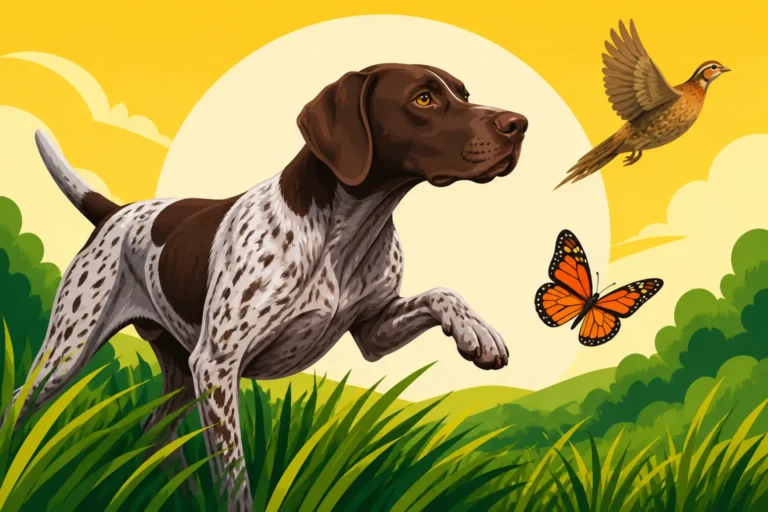
Once your German Shorthaired Pointer puppy is enthusiastically chasing and engaging with the wing, you can begin to subtly encourage the pointing instinct. This is where the magic of the breed truly starts to show. During your sessions, observe when your puppy pauses, even for a split second, before pouncing. This is often an innate "point." As you drag the wing, make it disappear into a small dip or behind a piece of cover, then stop its movement entirely.
Wait. Don't rush your puppy. Give them a moment to use their nose and eyes to locate the "hidden" wing. When they freeze, even with a slight crouch or a stiff tail, that's your moment to praise softly, "Good point! Yes!" You want to mark that moment of intense focus before they rush in. Over time, you can gradually extend the duration of this pause. The goal is to teach them that holding still and "locking on" to the scent is a rewarded behavior. This doesn't happen overnight, but consistent, positive reinforcement for even the smallest indications of pointing will start to shape that beautiful, classic German Shorthaired Pointer stance. Remember, the wing on a string allows you to practice this crucial skill without the pressure of a live bird flushing prematurely.
Common Pitfalls and Troubleshooting with the Wing on a String
Even with the best intentions and methods, puppy training isn't always a smooth flight. German Shorthaired Pointers are individuals, and what works perfectly for one might need adjustment for another. Anticipating potential issues and knowing how to troubleshoot them will save you frustration and keep the training journey positive and productive.
When Your Puppy Is Too Excited or Fearful
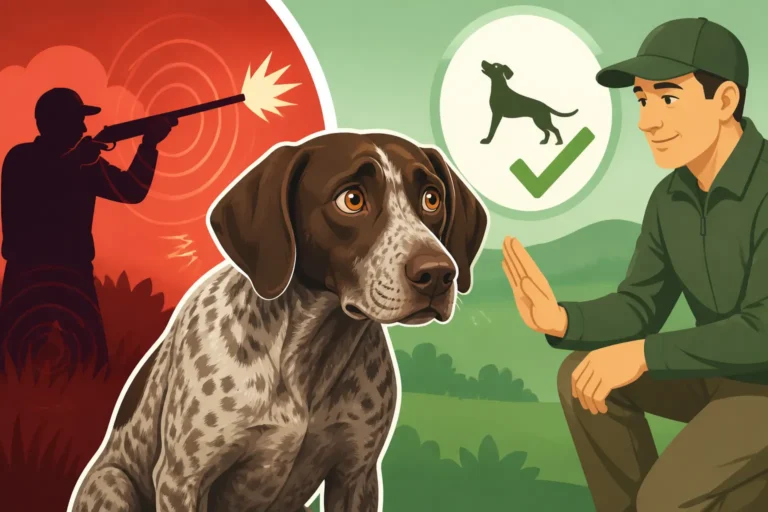
One common scenario is a puppy that gets too excited. They might become frantic, barking excessively, jumping, or even trying to bite the string instead of the wing. This is a sign of overstimulation. The key here is to dial back the intensity. Make the wing move slower, less dramatically. Allow your puppy to catch it more easily. Introduce calm periods where the wing simply rests on the ground, letting them approach it at their own pace. Sometimes, a brief "time-out" where the wing is put away can also help reset an over-amped pup. The goal is focused excitement, not frenzied chaos.
On the other end of the spectrum, some puppies might be fearful or overly cautious. They might hide, ignore the wing, or even flinch when it moves. This requires even more patience and a gentler approach. Start with the wing completely still, letting them investigate on their terms. You might even place a tiny, high-value treat on the wing to encourage them to approach and sniff. Make the movements incredibly subtle at first, just a slight twitch or drag, ensuring you never "trap" or corner the puppy with the wing. Slowly build up their confidence, always keeping sessions very short and ending on a positive note, even if it's just a momentary sniff. Remember, you want to ignite curiosity, not confirm fear.
Losing Interest or Becoming Distracted
It's natural for puppies, especially German Shorthaired Pointers with their boundless energy and curiosity, to get distracted. A sudden noise, another dog, or even a leaf blowing by can pull their focus from the wing. If your puppy is losing interest or constantly getting distracted, first evaluate the environment. Is it truly free of other exciting stimuli? If not, move to a quieter area.
Next, consider the length and intensity of your sessions. Puppies have short attention spans. If your sessions are too long or too repetitive, they'll check out. Keep them brief, energetic, and always end before your puppy gets bored. Vary your movements with the wing, making it unpredictable and engaging. Sometimes, introducing a fresh wing with a stronger scent can renew interest. You can also re-engage them by making the wing seem to "escape" them, encouraging that chase drive to kick back in. Remember, the goal is to make the wing the most exciting thing in their world during those short training bursts. If you find your puppy constantly struggling with focus, it might be beneficial to review foundational obedience skills, as a solid "leave it" or "focus" cue can aid immensely. The Adolescent Shorthair That Stops Listening might be a good resource if you find focus becoming a broader challenge.
Transitioning Beyond the Wing on a String
The wing on a string is an incredible starting point, but it's not the end goal. It's a stepping stone to more realistic bird work. Knowing when and how to transition is crucial. Once your German Shorthaired Pointer puppy is consistently engaging, chasing, pointing, and even retrieving the wing with enthusiasm, it's time to think about the next steps. This usually involves moving to whole, frozen birds. These offer the full shape and weight of a bird, but still allow you to control the movement and avoid an unexpected flush.
You can drag a frozen bird on a string, much like the wing, or simply roll it for retrieves. From there, the progression typically moves to live, flight-conditioned birds, introduced in controlled environments. Many trainers use pigeons or chukars for this. The key is to keep it gradual, always setting your puppy up for success and never putting too much pressure on them. The confidence and drive built with the wing on a string will make these later stages much smoother. Always remember to check your puppy over after any training session in the field, especially for things like Foxtails and Grass Awns in a Hunting Shorthair. A good transition ensures your Shorthair maintains that keenness and confidence as they move towards becoming a finished bird dog. The First Live Bird for a German Shorthaired Pointer is an excellent resource for this next step.
Maximizing Your Training Success with the Wing on a String
The "wing on a string" isn't just a simple toy; it's a powerful foundational tool for your German Shorthaired Pointer. To truly unlock its potential and set your puppy up for success in the field, it's important to approach its use strategically. Consistency, integration with other skills, and a clear understanding of your long-term goals will turn these playful sessions into invaluable training experiences.
Consistency and Short, Fun Sessions
The secret to effective puppy training, particularly with a high-energy breed like the German Shorthaired Pointer, is consistency delivered in short, engaging bursts. Don't try to cram an hour of intense training into your puppy's day. Instead, aim for several 5-10 minute sessions. A quick wing on a string session in the morning, another in the afternoon, and maybe a final one before bedtime will yield far better results than one long, drawn-out session where your puppy inevitably loses focus.
Always aim to end the session on a high note. As soon as your puppy performs a desired action – a good chase, a brief point, or an enthusiastic retrieve – praise them, give them a jackpot treat, and put the wing away. This leaves them eager for the next session, associating the training with positive feelings and anticipation. This consistency helps to solidify concepts and build muscle memory, preparing them for more complex tasks down the line.
Integrating Other Foundational Skills
The wing on a string isn't just about birds; it's a fantastic opportunity to subtly reinforce other essential obedience and field skills. For instance, while your puppy is intensely focused on the wing, you can practice their "whoa" command. Drag the wing, have them chase, then stop it suddenly and give your "whoa" command. Reward them for even a momentary pause before they pounce. This helps them learn that "whoa" applies even when their prey drive is sky-high. The Age a Shorthair Puppy Starts Whoa provides more insight into this crucial command.
Similarly, it's an excellent tool for practicing recall. After an exciting chase and "catch," call your puppy back to you with the wing as the reward. This teaches them that coming to you, even when highly stimulated, leads to something great. You can also work on scent discrimination by hiding the wing and encouraging them to use their nose to find it, a precursor to complex tracking. Tools from BAXTER & Bella can often help in building these foundational obedience layers that seamlessly support more specialized bird work. Thinking of training as interconnected rather than isolated skills will create a more well-rounded and responsive German Shorthaired Pointer. Recall on a German Shorthaired Pointer That Is Locked On is another excellent resource for building reliable recall.
Long-Term Benefits for Your Future Hunting Companion
The effort you put into the wing on a string method with your German Shorthaired Pointer puppy will pay dividends throughout their entire hunting career. This simple tool builds confidence, refines their natural instincts, and lays the groundwork for critical skills that will make them a joy to hunt with. A puppy that learns to focus on scent and movement in a controlled manner will be less likely to break point prematurely or get distracted in the field.
The positive associations forged early on with the wing translate into a passionate, determined bird dog. It helps them understand the game of hunting – the stalk, the point, the retrieve – before the complexities of real-world scenarios. It's a stepping stone to teaching a steady point, a reliable retrieve to hand, and a dog that works as a true partner. This early investment minimizes the need for corrective training later on, building a happier, more eager German Shorthaired Pointer ready to tackle any cover. Consider how important Building Whoa on a Shorthair With a Check Cord or Teaching a Shorthair to Deliver a Bird to Hand become once the foundation is laid. The wing on a string is more than just a toy; it's the genesis of a lifetime of shared adventures in the field.
| Bird Wing Type | Scent Strength | Size & Durability | Ideal For | Notes for GSP Pups |
|---|---|---|---|---|
| Pheasant | Strong | Large, Durable | All Pups | Excellent for sustained interest and building drive. |
| Quail | Moderate | Small, Fragile | Timid Pups | Good for initial, low-pressure introductions; can be easily torn. |
| Chukar | Medium | Medium, Moderate | All Pups | A good all-around choice, offering a balance of size and scent. |
| Duck/Goose | Very Strong | Very Large, Very Durable | Older Pups | Overwhelming for young puppies due to size and scent; best for later stages. |
| Artificial | Variable | Variable | Any Pup | Useful for teaching concepts without real scent; often less engaging. |
Disclaimer
This article is for general informational purposes only and does not constitute professional advice. Laws, prices and regulations vary by location and change over time. Consult a qualified professional for guidance on your specific situation.