Signs a German Shorthaired Pointer Has Gone Gun Shy
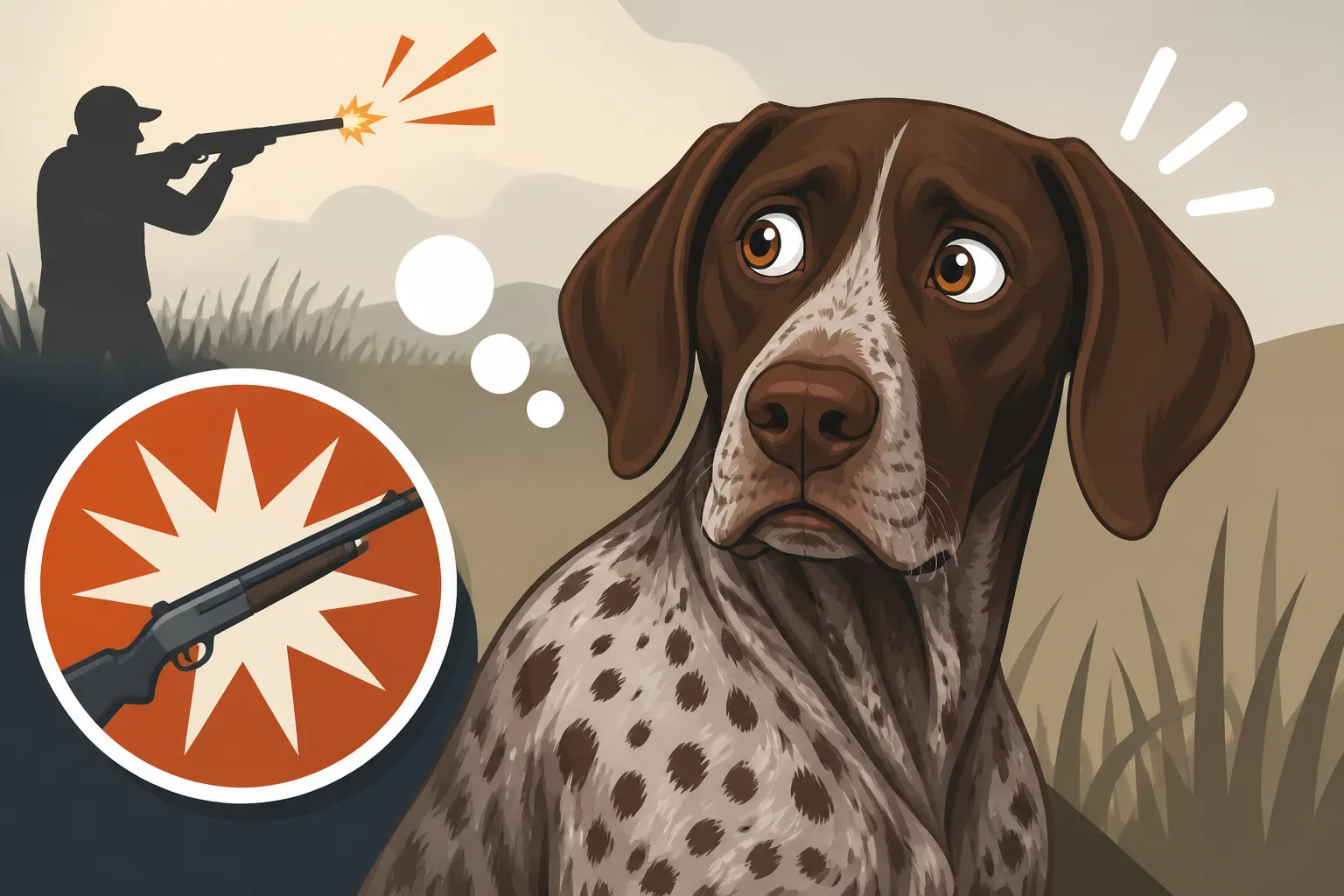
Few things are more heartbreaking for a German Shorthaired Pointer owner than seeing their vibrant, enthusiastic hunting companion suddenly cower or flee at the sound of a distant gunshot. This guide is here to help you understand the subtle and overt signs that your beloved Shorthair might be developing gun shyness, explore why this issue is so critical for a breed bred to work with firearms, and equip you with the knowledge to identify and address this challenging problem head-on.
Understanding Gun Shyness in German Shorthaired Pointers
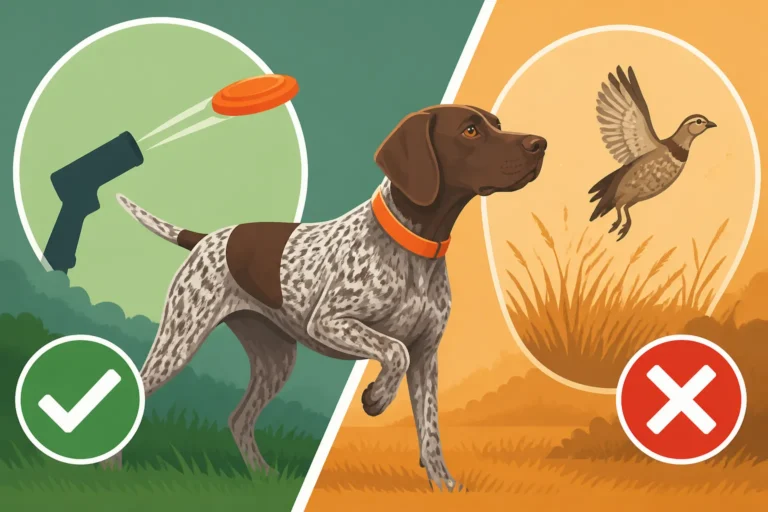
Gun shyness isn't just about a dog being startled by a loud noise; it's a deeply ingrained fear or phobia that manifests as a consistent, extreme negative reaction to gunshots or similar sudden, loud sounds. For German Shorthaired Pointers, a breed purpose-bred for hunting, this can be particularly devastating, affecting not only their ability to perform their intended work but also their overall well-being. It’s a common misconception that all hunting dogs are born without fear of gunfire, but the truth is, while some have a natural resilience, many are sensitive and require careful, positive introduction to loud noises.
The Genetic Predisposition to Sound Sensitivity
While it's easy to blame poor training, genetics play a significant role in a dog's predisposition to sound sensitivity, including gun shyness. Certain lines within the German Shorthaired Pointer breed may carry genes that make them more prone to anxiety and phobias, meaning that even with the best intentions and most careful introduction, some individuals might still develop fear. It's like how some people are naturally more jumpy than others; it's just how they're wired. A reputable breeder will often be transparent about any known issues with sound sensitivity in their lines, but it's not always something that can be entirely predicted or avoided. It's a cruel twist when you've invested so much into a pup from excellent hunting stock, only to find this vulnerability.
Environmental Factors and Traumatic Experiences
Beyond genetics, environmental factors and early experiences are hugely impactful. A single traumatic event, like an accidental close-range shot, being startled by an unexpected loud noise, or even witnessing another dog react fearfully, can trigger gun shyness. Imagine a young, impressionable German Shorthaired Pointer puppy being exposed to a shotgun blast without proper desensitization; it's a recipe for disaster. This isn't just limited to actual firearms, either. Loud fireworks, a car backfiring, or even a sudden dropped pan in the kitchen can sometimes act as a "first" traumatic sound, especially if the dog is already prone to anxiety. The memory of such an event can linger, shaping their future reactions to all similar sounds.
Early Warning Signs of Gun Shyness
Catching gun shyness early is absolutely crucial for successful intervention. German Shorthaired Pointers are often stoic, driven dogs, and sometimes their initial signs of discomfort can be subtle, easily missed by an unsuspecting owner. It's not always an immediate bolt for the hills; sometimes it's a gradual withdrawal or a nuanced shift in behavior. Pay close attention to these indicators, especially during periods of sound exposure, whether it's during Building a Shorthair's Gun Tolerance From a Distance or simply during a distant thunderstorm.
Subtle Reactions to Distant Sounds
Before outright panic, you might observe your Shorthair displaying very subtle reactions to far-off or muffled loud sounds. This could be a slight flinch, a quick glance around, or a momentary freeze in their posture. Perhaps they pause their bird work for a second, their ears swivel back, and they might look to you for reassurance before resuming. It's not a full-blown flight response, but rather an indicator of heightened awareness and potential unease. A dog that was truly comfortable might not even register the sound or would simply continue with their activity without interruption. Think of it as a dog "cringing" internally, even if their body language isn't screaming fear yet.
Obvious Avoidance Behaviors
As the fear progresses, your German Shorthaired Pointer might start showing more pronounced avoidance behaviors. This could involve trying to hide under your legs, seeking shelter behind you, or attempting to escape the area entirely when a loud sound occurs. You might see them putting distance between themselves and the source of the noise, or even refusing to go into an area where they previously heard a disturbing sound. For a hunting dog, this could manifest as refusing to get out of the truck at the hunting grounds or pulling desperately on the leash to head back to the car. These actions are clear communication that the dog is actively trying to remove itself from a perceived threat.
Physical Manifestations of Fear
Beyond behavioral cues, gun shyness can trigger distinct physical reactions. A frightened German Shorthaired Pointer might tremble or shake uncontrollably, even if the weather isn't cold. They might drool excessively, pant heavily, tuck their tail tightly between their legs, or flatten their ears against their head. In more severe cases, some dogs may even urinate or defecate uncontrollably due to extreme stress. Their eyes might dart around, showing the whites of their eyes (whale eye), indicating immense anxiety. These are not signs of defiance or misbehavior; they are involuntary, physiological responses to intense fear, and they indicate a dog in genuine distress.
Common Triggers for Gun Shyness
Identifying the specific triggers for your German Shorthaired Pointer's gun shyness is vital for developing an effective management or rehabilitation plan. It’s not always the obvious shotgun blast; sometimes the cues are more nuanced, or the situation creates an environment where fear can take root and flourish. Understanding these triggers helps you avoid exacerbating the problem and guides your approach to desensitization.
Unexpected Loud Noises
One of the most common triggers for developing or worsening gun shyness is an unexpected, unsignaled loud noise. If your German Shorthaired Pointer has not been properly conditioned, a sudden, close-range gunshot, a firecracker exploding nearby, or even a slammed door can be deeply unsettling. The surprise element is key here. Think of Starting a Shorthair's Gun Introduction With a Cap Pistol: it's all about gradual, controlled exposure where the sound is predictable and associated with positive experiences. When the sound is abrupt and unforeseen, especially if the dog is alone or already feeling insecure, it can be perceived as a direct threat, leading to a strong fear response that can then generalize to other similar sounds.
Early or Poorly Managed Gun Introduction
The way a German Shorthaired Pointer is introduced to gunfire during its puppyhood and early training stages is paramount. Rushing the process, firing shots too close to a young, sensitive dog, or associating the sound with negative experiences (like fear or pain) can easily lead to gun shyness. A proper introduction involves starting with very distant, low-volume sounds, pairing them with high-value rewards, and gradually increasing proximity and intensity. If a trainer or owner skips these crucial steps, or if the dog is pushed beyond its comfort level, the likelihood of developing an aversion to guns skyrockets. A puppy's confidence and positive associations are incredibly fragile, and a misstep here can have lifelong consequences.
Generalized Anxiety or Other Phobias
Sometimes, gun shyness isn't an isolated issue but rather a manifestation of a broader underlying anxiety or other sound phobias. A German Shorthaired Pointer that is generally anxious, perhaps prone to separation anxiety, or already fearful of thunderstorms or fireworks, may be more susceptible to developing gun shyness. The fear of gunshots simply becomes another item on their list of things to dread. In these cases, addressing the generalized anxiety is often a critical part of treating the gun shyness. Tools and resources like BAXTER & Bella's online puppy training courses often emphasize early socialization and confidence-building, which can create a more resilient dog less prone to developing these kinds of phobias. This holistic approach looks at the dog's entire emotional landscape, not just its reaction to one specific sound.
Distinguishing Gun Shyness from Other Fears
It’s easy to jump to conclusions, but not every startled reaction from your German Shorthaired Pointer means they're gun shy. Sometimes, what looks like gun shyness might be something else entirely, or a mix of factors. Understanding the nuances can guide you to the right solution, rather than applying a blanket "gun shy" label where it doesn't fit.
Startle Response Versus Phobia
Every living creature has a startle response. If a firecracker goes off right next to anyone, human or dog, they're likely to jump, flinch, or be surprised. This is a natural, healthy reaction. Gun shyness, however, goes beyond a momentary startle. It's a persistent, irrational, and often debilitating fear (a phobia) that causes significant distress and avoidance behavior. A dog with a normal startle response will recover quickly, shake it off, and continue what they were doing. A gun-shy dog will show prolonged signs of fear, try to flee, or refuse to engage even after the sound has passed. This distinction is vital: a startle response is momentary, while a phobia dictates behavior and causes deep-seated anxiety over time.
Reaction to Other Loud Noises
A good way to differentiate true gun shyness is to observe your German Shorthaired Pointer's reaction to other loud noises. Does your Shorthair also cower during thunderstorms, or show signs of distress during fireworks displays? If they react fearfully to all loud, sudden sounds, it might indicate a broader sound phobia rather than specifically gun shyness. However, if they're perfectly fine with thunder, vacuum cleaners, and dropped pots but only react negatively to gun-like sounds, then true gun shyness is more likely. Knowing if it's a specific trigger or a general sensitivity helps to tailor your training and management strategies. For instance, Whether a Shorthair Hears a Blank Pistol or a Shotgun First might give you clues about sound specificity.
General Anxiety and Environmental Stress
Sometimes, what appears to be gun shyness is actually a manifestation of general anxiety or stress in the environment. A German Shorthaired Pointer that isn't getting enough exercise, mental stimulation, or consistent structure might be on edge generally. The Two Hours a Day a German Shorthaired Pointer Needs for exercise isn't just a suggestion; it's a requirement for a balanced mind. An under-exercised, bored GSP is more likely to be prone to anxiety, making them more reactive to any sudden stimuli. Consider if there have been other changes in their routine, diet, or living situation. Environmental stressors, even subtle ones, can lower a dog's threshold for fear and make them seem gun shy when, in reality, their overall stress levels are simply too high.
The Impact of Gun Shyness on a GSP and its Owner
The consequences of gun shyness extend far beyond a missed hunting season. It can fundamentally alter the life of a German Shorthaired Pointer and create significant challenges and heartbreak for their human companions. This isn't just about an inconvenience; it's about a dog's quality of life and the deep bond shared with its owner.
Loss of Hunting Purpose
For many German Shorthaired Pointers, hunting is not just an activity; it's their very essence. They are bred with an intense drive to point, retrieve, and work with their handler in the field. When gun shyness takes hold, this innate purpose is stripped away. A gun-shy GSP cannot perform its job, leading to immense frustration for both dog and owner. The owner often feels a deep sense of loss, mourning the hunting companion they envisioned. The dog, too, might become confused or distressed by its inability to engage in the activities it is so genetically predisposed to love. It's a sad reality that can force a complete re-evaluation of the dog's role in the family, or worse, lead to rehoming if the owner's primary goal was a hunting partner. Fixing a Gun Shy German Shorthaired Pointer can be a long road, and sometimes, for a deeply gun-shy dog, that path leads to a life as a beloved pet rather than a field champion.
Behavioral and Psychological Distress
Gun shyness isn't just about the loud bangs; it's about the pervasive anxiety that can seep into other areas of a German Shorthaired Pointer's life. A severely gun-shy dog might become generally anxious, fearing not just gunshots but anything that reminds them of the sound, or even going to places where sounds might occur. They might develop separation anxiety, become clingy (The Velcro Side of a German Shorthaired Pointer characteristic can become intensified), or exhibit destructive behaviors when left alone, such as chewing or digging. Their quality of life diminishes as they live in a constant state of hyper-vigilance, waiting for the next terrifying sound. This sustained stress can impact their physical health as well, leading to a weakened immune system or chronic digestive issues.
Emotional and Financial Burden on Owners
For owners, dealing with a gun-shy German Shorthaired Pointer is incredibly taxing, both emotionally and financially. There's the initial disappointment and frustration of seeing their carefully chosen hunting dog unable to fulfill its potential. Then comes the guilt, wondering if they did something wrong, and the stress of managing a dog that is constantly fearful. The financial burden can also be substantial, with costs for professional trainers, behaviorists, anxiety medications, and specialized equipment. Owners often try everything, spending significant sums on desensitization programs, training collars, and even sound-proofing solutions for their homes. This journey requires immense patience, dedication, and often, a shift in expectations for what life with their German Shorthaired Pointer will look like. It's truly a test of the human-animal bond.
Initial Steps When You Suspect Gun Shyness
Discovering your German Shorthaired Pointer might be gun shy can be unsettling, but it's not the end of the world. The good news is that early intervention, combined with patience and the right strategies, can often make a significant difference. Here are the immediate steps you should take to protect your dog and begin the process of understanding and addressing the issue.
Immediate Protection and Safe Space Creation
The very first thing you need to do is ensure your German Shorthaired Pointer is protected from further traumatic noise exposure. This means avoiding hunting fields, shooting ranges, fireworks displays, or any situations where loud, unexpected bangs might occur. Create a safe, quiet space for them at home – a comfortable crate covered with blankets in a quiet room, or a dedicated corner where they feel secure. Provide soft bedding, calming pheromone diffusers, and engaging chew toys. Think of this as their sanctuary, a place where they can retreat and feel safe from the scary noises. This might also involve outfitting them with sound-reducing ear protection, readily available on platforms like Amazon, if you absolutely cannot avoid a noisy environment during rehabilitation. Protecting them from further fear is paramount.
Documentation and Observation
Start a detailed log of your German Shorthaired Pointer's reactions. When did you first notice the signs? What specific sounds trigger a response? How severe is the reaction? Does it happen with all loud noises or just certain ones? Does their behavior change before or after the sound? For instance, What a Shorthair's Seizure Looks Like the First Time illustrates the importance of documenting specific events, and the same applies to fear responses. This information will be invaluable when you consult with a professional. Video recordings of their reactions (from a safe distance, without adding to their stress) can also provide a clear picture for a behaviorist. Accurate observation helps you understand the severity and triggers, forming the foundation of any successful intervention plan.
Here's a simple table to help you document observations:
| Date | Time | Location | Noise Type | Noise Intensity (Low/Med/High) | Dog's Reaction (e.g., flinched, ran, hid, panted, barked) | Recovery Time | Notes |
|---|---|---|---|---|---|---|---|
| YYYY-MM-DD | HH:MM | Backyard | Distant Thunder | Medium | Tucked tail, panted, sought handler | 15 min after | Alert to distant rumbles, hid under deck for loud claps. |
| YYYY-MM-DD | HH:MM | Hunting Preserve | Shotgun (close) | High | Bolted, urinated, trembled, refused to move from truck | Still fearful | Had to carry dog back to vehicle. |
| YYYY-MM-DD | HH:MM | Home | Dropped Pot | Low | Started slightly, recovered quickly | 30 seconds | Not overly concerned with kitchen noises. |
Consulting with Professionals
The moment you suspect gun shyness, reaching out to a qualified professional is critical. This could be a certified professional dog trainer specializing in fear and phobia, a veterinary behaviorist, or even your regular veterinarian who can rule out any underlying medical conditions (like ear pain or neurological issues that might increase sound sensitivity). Avoid self-diagnosing or trying quick fixes you read online; inappropriate training methods can worsen gun shyness significantly. A professional can assess your German Shorthaired Pointer's specific situation, create a tailored desensitization and counter-conditioning plan, and guide you through the process step-by-step. They might also recommend resources like online training platforms (such as BAXTER & Bella) that offer structured approaches to fear reduction and confidence building, even if they aren't specifically for gun shyness. The investment in professional guidance is an investment in your dog's future well-being.
Rehabilitation and Management Strategies
Addressing gun shyness in a German Shorthaired Pointer is a journey, not a sprint. It requires immense patience, consistency, and a deep understanding of your dog's individual needs. The goal isn't always to turn a severely gun-shy dog into a field trial champion, but rather to help them live a happy, confident life without debilitating fear.
Desensitization and Counter-Conditioning
These are the cornerstones of addressing gun shyness. Desensitization means gradually exposing your German Shorthaired Pointer to the scary sound at such a low volume or distance that they barely notice it, or show no fear. Think of How Far From a Shorthair to Fire the First Shot: you want to start so far away it's just a whisper. Counter-conditioning involves changing your dog's emotional response to the sound from negative to positive. As soon as the low-level sound occurs, immediately give them a high-value treat, play their favorite game, or offer praise. The idea is to create a new association: "loud sound = good things happen!" This must be done incrementally, very slowly increasing the volume or closeness of the sound, always staying below the dog's fear threshold. If your dog shows any signs of fear, you've gone too fast, and you need to dial it back. Consistency is key here; short, frequent sessions are more effective than long, infrequent ones.
Training for Confidence and Resilience
Beyond direct sound work, building your German Shorthaired Pointer's overall confidence and resilience can significantly help. Engage them in activities they enjoy and excel at, like obedience training, agility, or scent work. A confident dog is generally better equipped to handle novel or frightening situations. Ensure they receive adequate physical exercise—Ninety Minutes of Real Exercise for a Shorthair is a good baseline, but some GSPs need more—and plenty of mental stimulation. Puzzle toys, training new tricks, and engaging in structured play all contribute to a well-adjusted, mentally robust dog. A strong bond with you, built on trust and positive reinforcement, also empowers them to look to you for guidance and safety during stressful moments. This holistic approach strengthens their emotional core, making them less reactive overall.
Management Techniques and Long-Term Support
For some German Shorthaired Pointers, especially those with severe gun shyness or a strong genetic predisposition, complete "cure" might not be realistic. In these cases, management becomes the priority. This includes continuing to avoid known triggers, using calming aids (such as ThunderShirts, calming supplements, or prescribed anti-anxiety medication from your vet), and maintaining a stable, predictable routine. You might invest in soundproofing for certain rooms or provide your dog with comfortable, noise-canceling earmuffs (many brands offer these on Amazon, designed specifically for dogs) for unavoidable situations like hunting trips or fireworks. Remember, Whether a Gun Shy German Shorthaired Pointer Can Recover is a nuanced question, and for many, it's about learning to cope and reduce distress, creating a life where they can thrive despite their sensitivities. Support groups for owners of anxious dogs can also provide invaluable emotional support and shared strategies.
Disclaimer
This article is for general informational purposes only and does not constitute professional advice. Laws, prices and regulations vary by location and change over time. Consult a qualified professional for guidance on your specific situation.