Standing a Shorthair Still Long Enough to Check It Over
It's a familiar scenario for any German Shorthaired Pointer owner: you need to check a paw for a burr, clean an ear, or just give them a thorough once-over after a long day afield, and suddenly your usually obedient companion transforms into a wriggling, dancing, escape artist. Getting a GSP to hold still for more than a fleeting moment can feel like trying to nail jelly to a tree, leaving you frustrated and your dog stressed. This guide is all about tackling that energetic challenge, offering compassionate, realistic strategies to teach your high-drive Shorthair to stand patiently for those essential health and grooming checks.
Understanding Why Stillness is a Challenge for a German Shorthaired Pointer
Let's be real: expecting a German Shorthaired Pointer to be a perfectly still statue isn't exactly playing to their strengths. These dogs were quite literally bred for constant motion, for covering ground, for being perpetually aware of their surroundings. Their very essence is about action, so asking them to freeze often goes against every fiber of their being. It’s not that they’re being defiant, it’s just that their natural wiring is screaming "MOVE!"
The GSP Drive and Energy Levels
Anyone who lives with a German Shorthaired Pointer knows they are the embodiment of canine athleticism and relentless drive. Their ancestors were developed to hunt all day, every day, ranging far and wide, pointing birds, and retrieving shot game. This incredible heritage means that their default setting is, and always will be, "go, go, go." It's not a character flaw; it's a testament to their purpose, ingrained deep in their genetics. When you attempt to ask a Shorthair to stand perfectly still for any length of time, especially if they haven't had sufficient exercise, it feels completely counter-intuitive to them. Their minds and bodies are simply buzzing with unused energy, making it incredibly difficult to focus on a stationary task.
Imagine yourself needing to sit still for a very important, slightly boring meeting after you've had ten cups of coffee and haven't left your desk all day. You'd be fidgeting, tapping your foot, checking your watch – anything but truly still. That's often what we're asking of our GSPs. The slightest rustle of a leaf outside, the distant scent of a squirrel, the chirp of a bird, or even just the possibility of a game of fetch often becomes an irresistible distraction, far more compelling than standing patiently while you inspect a sensitive paw pad or try to get a cotton ball into their ear. They're constantly scanning, constantly processing, constantly wanting to engage with the world in a dynamic way. This intense need for mental and physical stimulation is why consistent exercise and enrichment are absolutely crucial before you even begin a calm "stand" session. A tired GSP is a much more cooperative GSP, though even then, their natural enthusiasm can bubble over.
Puppy Zoomies and Adolescent Fidgeting
Let's talk about GSP puppies for a moment. They are adorable bundles of pure, unadulterated chaos. Their tiny bodies are still developing coordination, their minds are a sponge trying to absorb everything, and their energy levels are off the charts. Trying to get a GSP puppy to stand still for more than a second or two is often an exercise in futility and deep breathing. You might get a moment of stillness, and then suddenly, without warning, they’ll launch into a full-blown zoomie, tearing around the room, mouthing everything in sight, and generally acting like they’ve been possessed by a tiny, furry tornado. This isn't naughtiness; it's just puppyhood. Their attention spans are incredibly short, and their capacity for self-control is minimal.
As they transition from bouncy puppy to gangly adolescent, typically between six months and two years of age, things can become even more challenging. The "teenager" phase of a German Shorthaired Pointer brings with it a whole new level of testing boundaries and an increased capacity for stubbornness. What worked last week might suddenly be met with a blank stare or a playful refusal. Their bodies are growing rapidly, their hormones are fluctuating, and their brains are still very much under construction. They're trying to figure out their place in the world, and sometimes that means pushing back against requests they perceive as boring or unnecessary. This is the time when you might feel like you're taking two steps forward and one step back with training. Remember, patience during this phase is absolutely paramount. It's a developmental stage that requires consistent, calm guidance, understanding that their ability to focus and inhibit impulses is still maturing. It might feel like you’re constantly battling a wiggling, curious torpedo, but it's an important part of their journey. For insights into another challenging puppy phase, consider reading The Month a Shorthair Puppy Stops Nipping.
Building a Foundation: The "Stand" Command and Positive Reinforcement
Teaching your German Shorthaired Pointer to stand still for examination isn't about force; it's about building a positive association with the "stand" command and making it a comfortable, rewarding experience. This takes time, consistency, and a whole lot of delicious treats. We want them to choose to stand still because it's predictable and profitable for them, not because they're being held against their will.
Introducing the "Stand" Command Gently
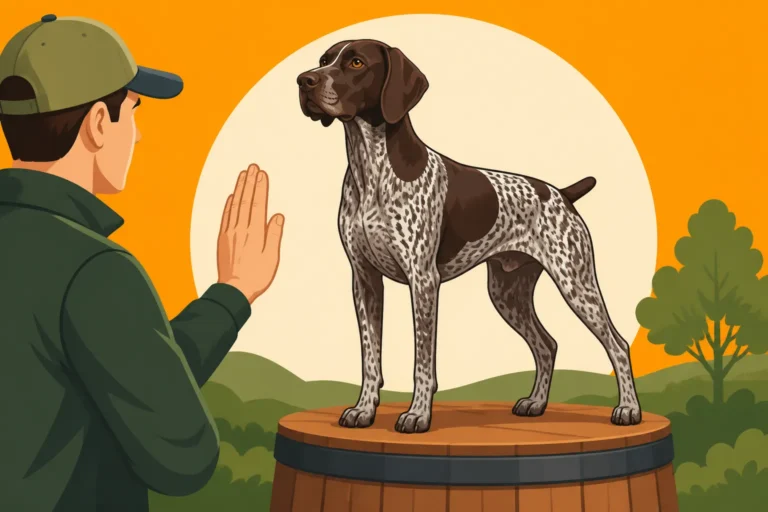
The journey to a calm "stand" begins with very short, positive training sessions in an environment free of distractions. Think of it as teaching a new trick, just like "sit" or "down." Start with your Shorthair already in a sit or down position. Hold a high-value treat slightly in front of their nose and slowly move it forward, just beyond their reach, guiding their body up and forward into a standing position. The moment all four paws are on the ground and they are standing upright, even if it's just for a fleeting second, immediately say a clear "yes!" or click your clicker, and then quickly give them the treat.
Repeat this process several times, keeping the sessions incredibly brief – think 30-60 seconds max. The goal in these early stages is to build a strong positive association: "Stand still equals yummy treat!" As your Shorthair starts to understand the movement, you can begin to add your verbal cue, "Stand," just as they begin to move into position. Gradually, you’ll be able to fade the lure of the treat and simply use the verbal command. Crucially, always have a clear release cue, such as "Okay!" or "Break," so your dog knows when the "stand" is over and they can relax. This predictability helps them understand the expectation and reduces anxiety. A well-trained release cue is just as important as the stand itself, signaling the end of the working session.
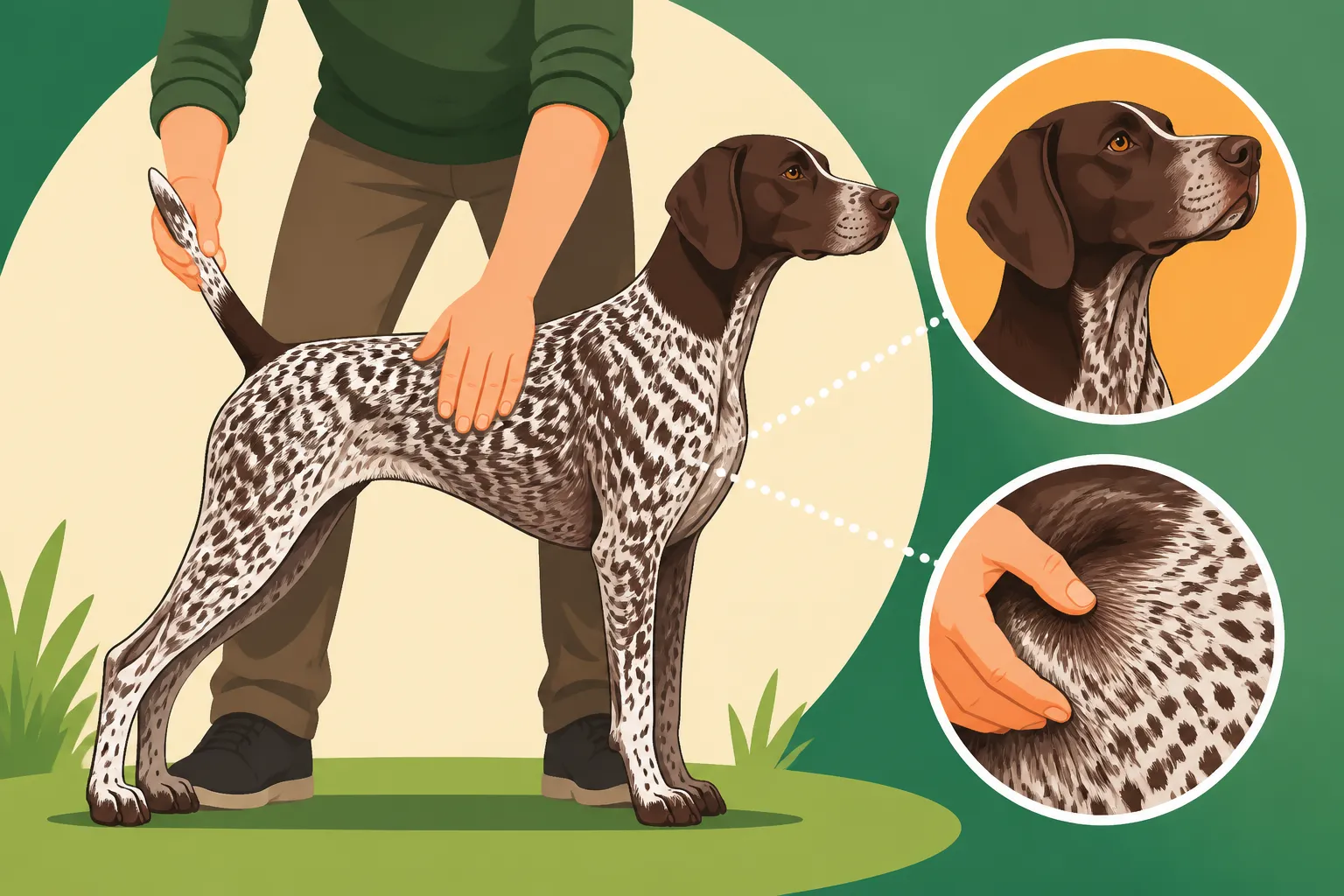
Once your GSP is reliably standing for a few seconds, it’s time to introduce gentle touching while they are in the stand. Start with something very non-threatening, like a light stroke down their back. Mark and reward. Then try gently touching their shoulder, then a hip. Slowly, over many, many sessions, work your way up to touching more sensitive areas: their ears, their tail, their belly, and most importantly, their paws. Always pair the touch with a positive marker and a high-value treat. If they flinch or pull away, go back a step to an easier touch and work slower. This patient desensitization builds their trust and comfort with being handled, which is invaluable for both routine care and any unexpected first aid needs.
Utilizing a Grooming Table or Elevated Surface
While you can certainly teach the "stand" command on the floor, many German Shorthaired Pointer owners find a grooming table or other elevated surface to be an absolute game-changer for routine checks and grooming. There's something about being off the ground that often makes dogs feel more contained and less inclined to try to make a quick exit. Plus, let's be honest, it saves your back from all that bending over! A non-slip surface is non-negotiable here; a slick table will make your dog feel insecure and agitated, completely defeating the purpose. You can purchase specialized grooming tables, or even adapt a sturdy workbench or a stable picnic table with a non-slip mat.
Introducing your GSP to the table should be a gradual, positive experience. Don't just plunk them on it and expect perfection. Start by simply luring them onto the table, rewarding them immediately for all four paws on the surface, and then letting them hop right back off. Keep these initial interactions very short and overwhelmingly positive. Use a really grippy mat, like a rubber bathmat or a dedicated grooming mat – you can find excellent options on Amazon – to ensure they feel secure and stable. A wobbly or slippery surface will only increase their anxiety. Over several sessions, gradually increase the amount of time they spend standing on the table, always rewarding calm behavior generously.
Some GSPs, especially those who are particularly wiggly or anxious, might benefit from the use of a grooming arm and loop, or a belly band, for initial training on the table. However, it's vital to emphasize that these are not for restraint. They are there to gently remind the dog to stay in position and to prevent them from jumping off and potentially injuring themselves. Always supervise your dog closely when using any form of tether or loop, and ensure it's comfortably fitted, not tight or restrictive. The ultimate goal isn't to hold them still against their will, but to teach them to be comfortable and relaxed in that elevated space. This table illustrates some of the considerations:
| Feature | Floor Training | Elevated Surface/Grooming Table |
|---|---|---|
| Pros | Accessible anywhere, no equipment needed, familiar environment. | Saves handler's back, can increase dog's focus, provides a defined workspace. |
| Cons | More bending for handler, dog may feel less contained, easier for dog to wander off. | Requires equipment investment, dog may initially be anxious about height/surface, must be introduced gradually. |
| Ideal for | Initial "stand" command introduction, quick checks, dogs prone to anxiety on new surfaces. | Routine grooming, detailed examinations, dogs who need help staying focused. |
| Key Accessory | High-value treats, clicker. | Non-slip mat, treats, possibly a grooming arm/loop (used gently). |
Practical Application: Making Routine Checks Less Stressful
Now that you've laid the groundwork for the "stand" command and introduced the concept of handling, it’s time to integrate these skills into the real-world scenarios where they matter most. The key is consistency, patience, and always keeping the experience as positive as possible for your German Shorthaired Pointer.
Incorporating "Stand" into Daily Routines
The "stand" command shouldn't be something you only pull out of your training toolkit when you absolutely need to inspect a thorn from their paw. Instead, make it a natural, casual part of your German Shorthaired Pointer's daily life. Ask for a quick "stand" before you put their food bowl down, right before you attach their leash for a walk, or when you greet them with a gentle pet after coming home. These brief, low-pressure requests, always followed by praise and perhaps a small treat, help generalize the command and make it less of a big deal when it's truly needed. It normalizes the behavior, turning it from a special "work" command into just another part of their routine.
When you do need to perform a check – whether it's inspecting their eyes, feeling for lumps, or cleaning their ears – start by asking for the "stand" command. Reward generously for even a moment of compliance, then gently begin your inspection. If your Shorthair starts to fidget or tries to move, calmly, without scolding, guide them back into the "stand" position and wait for a moment of stillness before continuing. The goal is to avoid making it a battle. If they get too antsy, take a short break, give them a mental reset, and then try again. You might find that for something as crucial as Checking a German Shorthaired Pointer Over After a Hunt, having them practiced in holding still will save you a lot of time and worry.
Remember to reserve truly high-value treats for these moments – think bits of cheese, cooked chicken, or liver paste, something they don't get every day. This elevates the experience and makes standing still incredibly worthwhile. For even more distraction, especially during slightly uncomfortable procedures like nail trims, consider a Lickimat smeared with peanut butter or plain yogurt. This keeps their mouth busy and their mind focused on something pleasant while you work. Some GSPs also respond well to a gentle, soothing voice and slow, deliberate movements from you.
Desensitization to Handling and Equipment
From the very first day you bring your German Shorthaired Pointer puppy home, start handling them all over their body. Gently touch their feet, run your fingers over their ears, open their mouth briefly, and stroke their tail. Make these interactions playful and positive, always ending with a cuddle, praise, or a small treat. This early and consistent handling builds a crucial foundation, teaching them that being touched in various places is a normal, pleasant experience, not something to be feared or struggled against. This is incredibly important for future vet visits, as a dog accustomed to being handled will be much calmer during examinations. For a general overview of necessary vet visits, consult The Vet Schedule a Working Shorthair Should Keep.
Next, gradually introduce the tools you'll be using for their care. Show them the nail clippers, the brush, the ear wipes, or the toothbrush. Let them sniff the item, then immediately give them a treat. Don't even attempt to use the tool yet; simply create a positive association with its presence. Once they are comfortable with the item itself, move to gently touching them with the tool. For example, touch a nail clipper to a paw without actually clipping, then reward. Stroke them with the brush for a second, then reward. This slow, methodical desensitization process prevents fear and builds confidence. The BAXTER & Bella online puppy school, for instance, offers fantastic resources and step-by-step guides on cooperative care and desensitization that can be incredibly helpful for GSP owners, detailing how to introduce these tools and procedures positively.
For tasks that are inherently more intrusive or potentially uncomfortable, like ear cleaning or How Often a German Shorthaired Pointer's Nails Need Trimming, break them down into the smallest possible steps. Don't try to clean both ears or trim all twenty nails in one session. Instead, aim for "one ear, one treat" or "one nail, one treat." If your dog starts to get stressed, stop. End on a positive note, even if it means you only accomplished one tiny step. Short, frequent, positive interactions are far more effective in the long run than long, forced, and stressful ones. Remember, it's about building trust and teaching them that these necessary procedures don't have to be a battle. Regular ear checks are essential, especially for swimming GSPs, so incorporating them into a stand routine helps with topics like Drying a Shorthair's Ears After Every Swim.
Ensuring your German Shorthaired Pointer can stand still for checks is a critical skill, not just for convenience, but for their overall health and well-being. It transforms potentially stressful situations into manageable routines, strengthening the bond of trust between you and your high-energy companion. It requires immense patience, unwavering consistency, and a deep well of positive reinforcement, but the payoff—a calm, cooperative Shorthair who can be easily cared for—is immeasurable. Keep your sessions short, keep them positive, and celebrate every tiny victory. You’ve got this, and so does your amazing GSP! You may also find it useful to think about The Structure a German Shorthaired Pointer Needs Daily to ensure their energy levels are managed effectively.
Disclaimer
This article is for general informational purposes only and does not constitute professional advice. Laws, prices and regulations vary by location and change over time. Consult a qualified professional for guidance on your specific situation.