Whether a German Shorthaired Pointer Can Live Outside
German Shorthaired Pointer outdoor living poses risks to thin coat insulation, physical health, and emotional well-being.

German Shorthaired Pointer outdoor living poses risks to thin coat insulation, physical health, and emotional well-being.
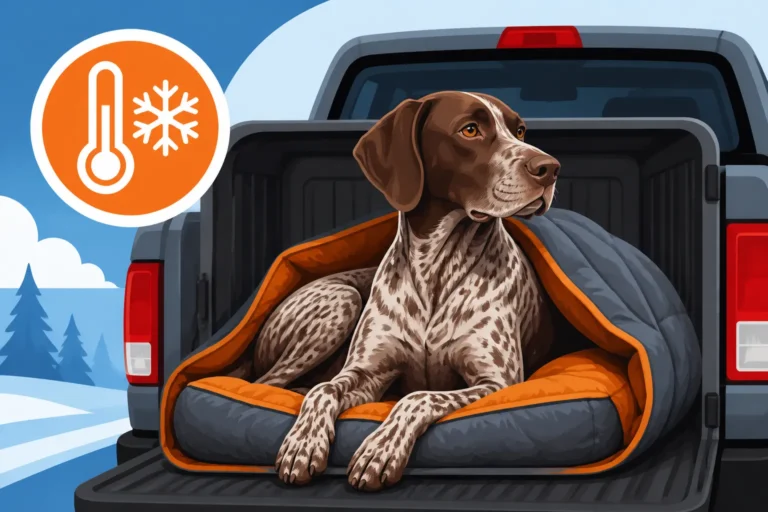
German Shorthaired Pointer physiology and practical truck box strategies prevent dangerous cold weather drops in hunting dogs.
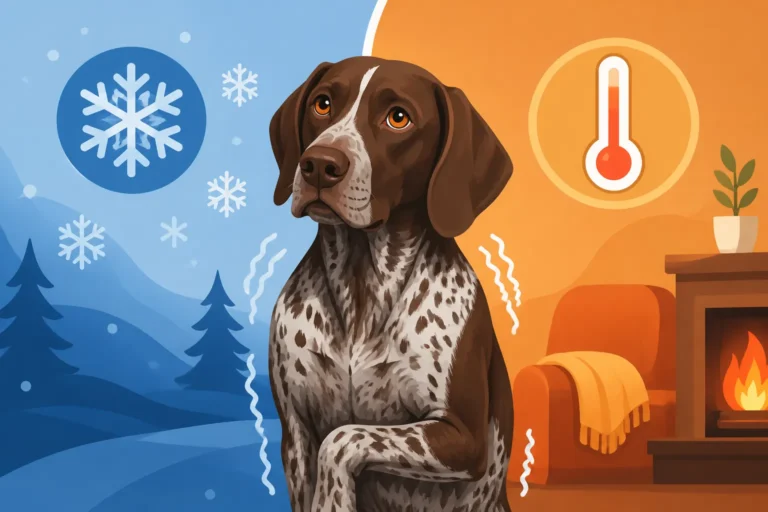
German Shorthaired Pointer shivering stems from lean coats, low body fat, and high metabolisms generating rapid heat loss.
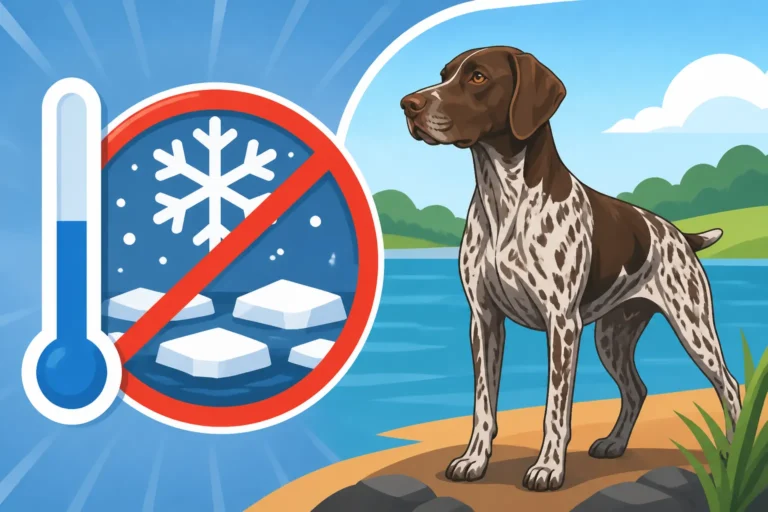
German Shorthaired Pointer water safety guidelines explain why water below 45 degrees poses high risks for short-coated dogs.
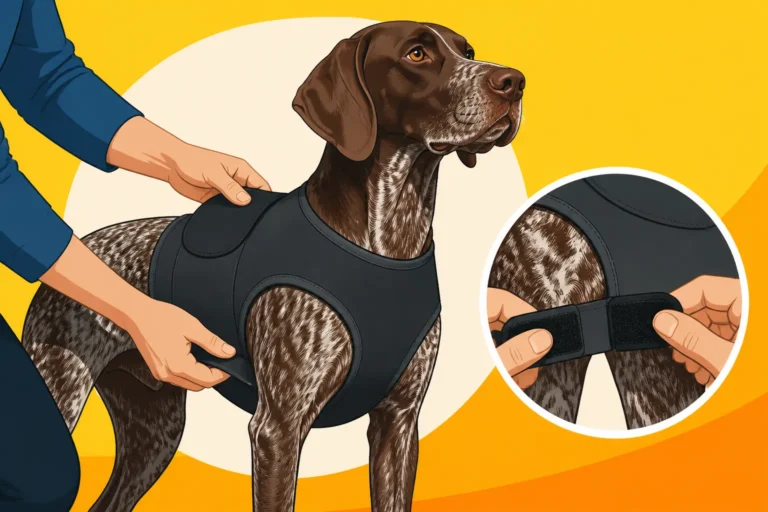
Proper fitting of a neoprene vest protects a German Shorthaired Pointer from cold water, briars, and field injuries.
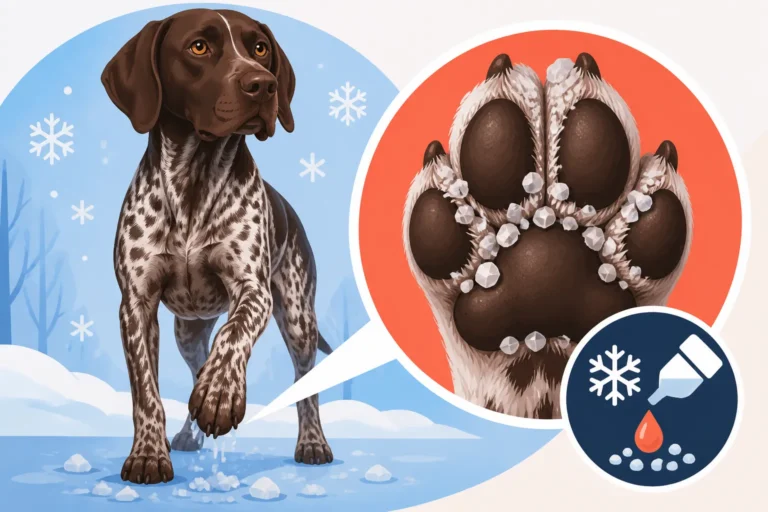
Winter de-icers and road salt burn a German Shorthaired Pointer paws, causing painful cracks, infections, and dangerous chemical ingestion.

German Shorthaired Pointer paw balm protects working feet from ice, heat, and dryness while preventing painful cracking.
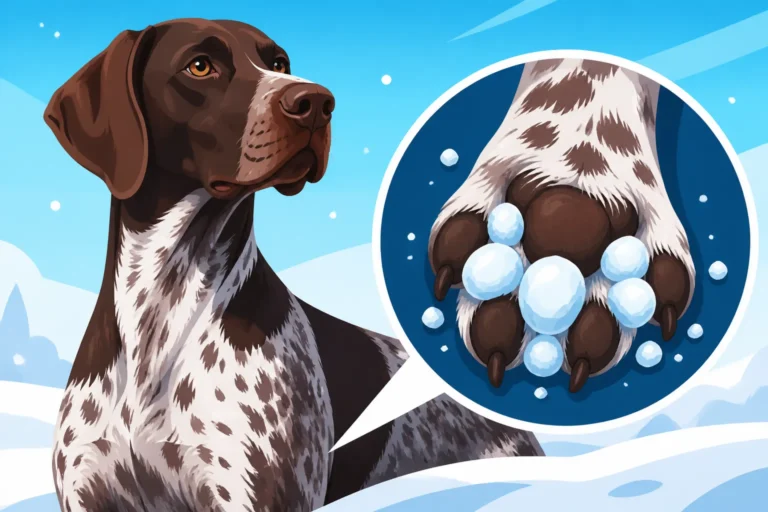
German Shorthaired Pointer paw ice balls form because short fur and body heat melt and refreeze snow between toes.
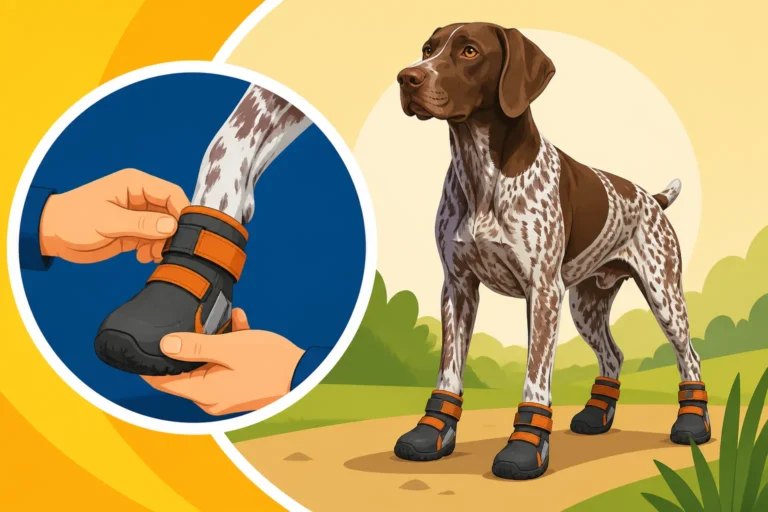
Properly fitted boots protect German Shorthaired Pointer paws from rough terrain, hot pavement, winter ice, and injuries.
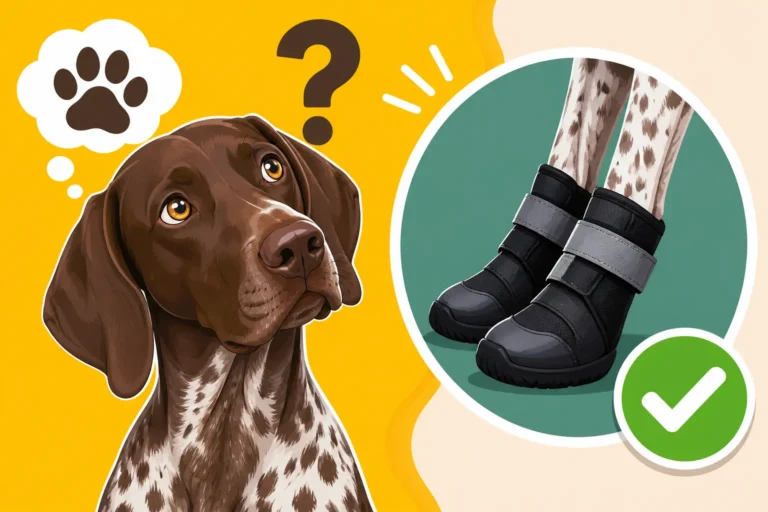
German Shorthaired Pointer paw boots protect against extreme weather and rough terrain while preventing painful injuries.