Toughening a Shorthair’s Pads Over the Summer
Summer is a season of long days, warm breezes, and for our German Shorthaired Pointers, often intense activity that puts their hardworking paws to the ultimate test. It's heartbreaking to see your otherwise unstoppable hunting companion or running partner limp home with tender, cut, or even burnt pads, especially when you know their spirit is still ready to go. This guide is all about getting those pads tough and ready, offering a comprehensive look at how you can prepare your Shorthair's feet to withstand the rigors of summer training, long hikes, and early-season hunts, ensuring they stay sound and comfortable no matter the terrain.
Understanding Your German Shorthaired Pointer's Paw Pads
When we talk about our German Shorthaired Pointers, we often focus on their incredible drive, their keen nose, and their tireless energy. But the unsung heroes of their performance are undoubtedly their paw pads. These specialized structures are their first point of contact with the world, taking the brunt of every stride, every turn, and every sudden stop.
The Anatomy of a Shorthair's Paw
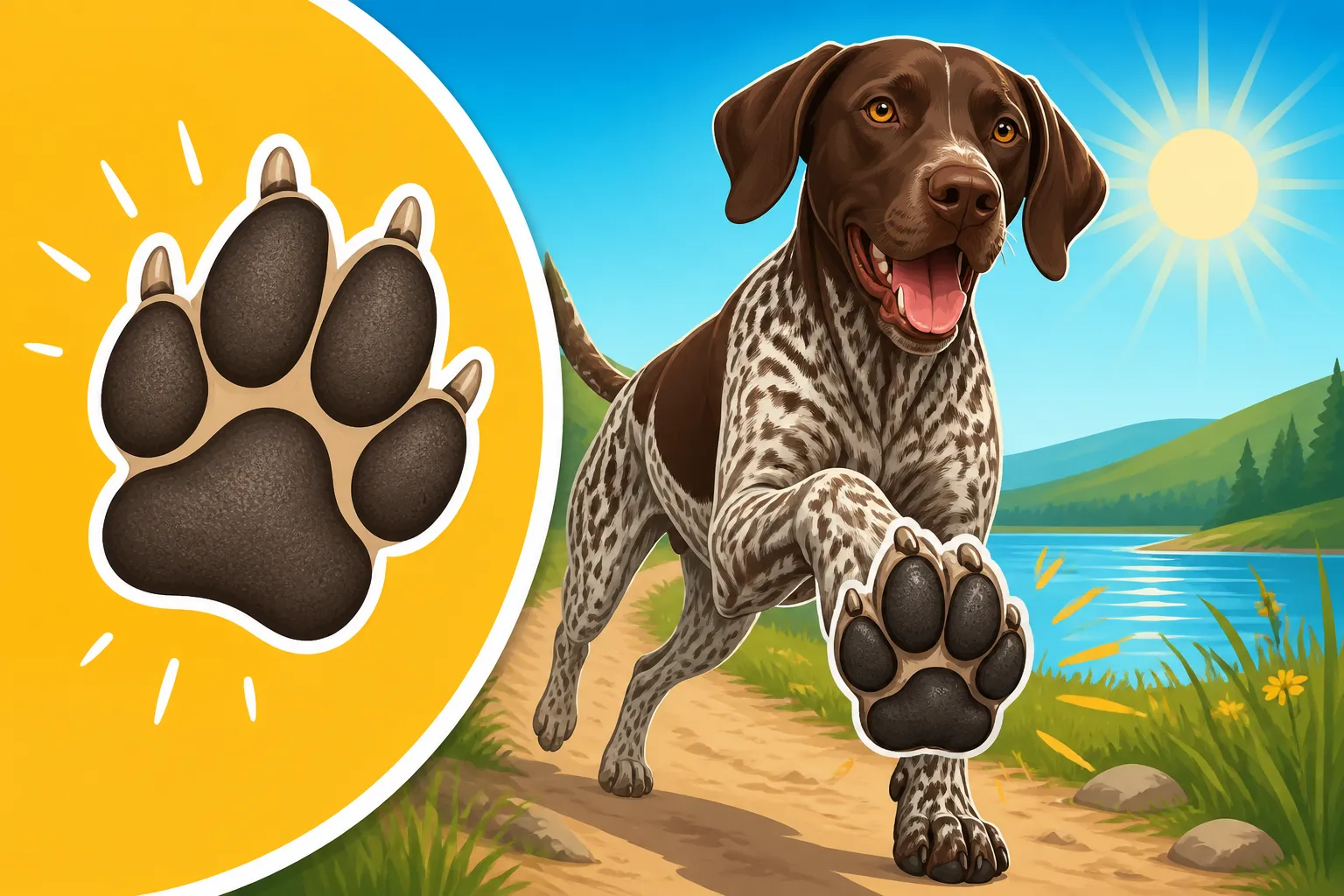
A German Shorthaired Pointer's paw pad might look simple on the surface, but it's a marvel of natural engineering. Each paw features a set of tough, thick pads—the large metacarpal or metatarsal pad (often called the "palm" or "sole") and several smaller digital pads (finger/toe pads)—along with a carpal pad higher up on the front legs. These aren't just calloused skin; they're composed of a highly specialized type of skin, dense with elastic fibers, fat, and connective tissue. This intricate design serves multiple crucial functions: shock absorption, providing traction, and even helping with temperature regulation to a limited degree.
Think of them as built-in athletic shoes, designed for cushioning the impact of running, hiking, and jumping across varied terrain. The thickness and texture allow them to grip surfaces, whether it's a slick forest floor or loose gravel. For a GSP, a breed renowned for its powerful, ground-covering gait and relentless pursuit, these pads are constantly under stress. They must be resilient enough to handle the rapid acceleration and deceleration, the sudden pivots, and the sustained pounding that comes with their active lifestyle. Without strong, healthy pads, even the most enthusiastic Shorthair will eventually be sidelined.
Why Healthy Pads Are Non-Negotiable for an Active Dog
For a German Shorthaired Pointer, healthy, robust paw pads aren't just a nice-to-have; they are absolutely fundamental to their well-being and their ability to live up to their potential, whether as a top-tier hunting dog or a cherished, active family member. An injured paw pad isn't just a minor inconvenience; it can be excruciatingly painful and debilitating. Imagine trying to run a marathon with a blister the size of a golf ball on the sole of your foot – that's often the equivalent for a dog with a torn or burned pad.
The pain from damaged pads can quickly put an end to a training session, a pheasant hunt, or even a brisk walk. A dog with sore pads will start to limp, shift their weight unnaturally, and may refuse to put pressure on the affected paw. This compensatory movement can lead to secondary issues in their joints, muscles, or even their spine over time. Recovery from a deep cut or severe burn can be lengthy, sometimes taking weeks or even months, requiring bandages, restricted activity, and diligent wound care. This downtime is not only frustrating for an active Shorthair but can also set back their conditioning and training progress significantly. Proactive care and pad toughening are therefore essential to prevent these issues, ensuring your GSP can perform comfortably and confidently, day in and day out, on whatever adventure you embark upon together.
The Summer Challenge: Protecting Paws from the Elements
Summer is a fantastic time for outdoor adventures with your German Shorthaired Pointer, but it also presents a unique set of challenges for their paw pads. The very elements that make summer enjoyable for us can be quite harsh on their feet, leading to injuries if not properly managed.
Hot Surfaces: A Silent Threat
One of the biggest culprits for paw pad damage in summer is undeniably hot surfaces. We often forget that while we're wearing shoes, our dogs are walking directly on scorching ground. Pavement, asphalt roads, concrete sidewalks, even sandy beaches, or dark-colored decking can reach incredibly high temperatures under the summer sun, far exceeding ambient air temperature. A sunny day with an air temperature of 86°F (30°C) can heat asphalt to 135°F (57°C), which is hot enough to cause burns and blistering on a dog's pads within minutes. Think about it this way: if you can't comfortably hold the back of your hand on the surface for at least five seconds, it's too hot for your German Shorthaired Pointer's paws.
The injuries from hot surfaces range from minor tenderness and redness to severe blisters, skin peeling, and even full-thickness burns that require extensive veterinary care. What's particularly insidious is that many German Shorthaired Pointers, being stoic and driven, will often try to push through the discomfort until the damage is significant. By the time they start limping or showing obvious signs of pain, serious harm may already have occurred. This makes vigilant checking of surface temperatures and smart scheduling of walks and training sessions paramount to protect their sensitive pads from this silent, pervasive threat.
Rough Terrain and Dehydration's Impact
Beyond the heat, summer also often brings with it drier, rougher terrain that can be incredibly abrasive on paw pads. Imagine fields of harvested crops with sharp stubble, gravel roads, rocky trails that are baked hard by the sun, or even just dry, cracked earth. All of these surfaces act like sandpaper, constantly abrading and wearing down the protective outer layers of the pads. Over time, this constant friction can lead to thinning, raw spots, or even deep cracks and tears. Adding to this, the increased prevalence of natural hazards like thorny plants, sharp burrs, and particularly insidious grass awns (like foxtails) means a higher risk of puncture wounds or foreign bodies embedding themselves between the toes or directly into the pads. A small piece of stubble or a hidden rock can turn a great run into a painful memory. We've certainly discussed A Foxtail Lodged in a Shorthair's Paw before, and summer is prime time for those issues.
Dehydration, a common concern for active dogs in warmer weather, further exacerbates pad vulnerability. Just like our own skin, a dog's paw pads rely on proper hydration to maintain their natural elasticity and suppleness. When a Shorthair becomes dehydrated, their skin, including the pads, can become drier and less pliable. This lack of elasticity makes the pads more brittle and significantly more prone to cracking, splitting, and tearing when subjected to the stress of running on rough, dry ground. It's a vicious cycle: the dog runs, gets dehydrated, their pads become fragile, and then the rough terrain easily causes injury. Ensuring consistent access to fresh water and actively encouraging drinking are critical steps in maintaining overall health, which directly impacts paw pad resilience.
Summer Conditioning: Building Resilience Gradually
Toughening your German Shorthaired Pointer's pads isn't about magical creams or quick fixes; it's a methodical, consistent process that mimics how their bodies naturally adapt to stress. The key is gradual exposure, allowing the pads to build protective calluses over time.
The Gradual Exposure Method
The most effective way to toughen your Shorthair's paw pads is through a strategy of gradual, progressive exposure to various surfaces. Think of it like a human athlete training for a marathon: you don't start with 26 miles; you build up mileage and intensity slowly. For your GSP, this means starting on softer, less abrasive terrain and slowly introducing more challenging surfaces as their pads adapt. Begin with walks and runs on natural, forgiving surfaces like well-maintained grass fields or soft forest trails. These environments provide excellent conditioning without excessive wear and tear.
Once their pads feel firm and show no signs of tenderness, you can begin to introduce slightly harder surfaces, such as packed dirt trails, mown stubble fields, or softer gravel paths. The key here is consistency and observation. Keep sessions relatively short initially, and always check their paws thoroughly both before and immediately after exercise. Look for any redness, cuts, excessive warmth, or limping. If you see signs of tenderness, back off for a day or two and return to a softer surface. Slowly, over weeks and months, you can progress to more abrasive surfaces like harder gravel, light roadwork, or asphalt during cooler parts of the day. The goal is to stimulate the natural production of keratin, which thickens and strengthens the outer layer of the pads, without causing acute injury. Remember, patience is your best friend here. It's similar to how you gauge How Much Exercise a Shorthair Puppy Should Get – you increase intensity slowly and carefully.
Incorporating Roadwork and Varied Terrain
To truly build robust, resilient paw pads for your German Shorthaired Pointer, incorporating diverse terrains and specific conditioning exercises like controlled roadwork is invaluable. Roadwork, whether it's trotting on a leash next to you or running alongside a bike (once your dog is mature enough and properly conditioned), provides a consistent, firm surface that stimulates pad toughening. The repetitive, even motion on a hard surface encourages the pads to thicken and become more durable. However, this must be done strategically: choose cooler times of the day, use smooth asphalt or concrete (avoiding rough, sharp gravel for extended periods), and gradually increase the duration and distance. We've talked before about The Age a German Shorthaired Pointer Can Start Roadwork – ensuring your dog is physically mature enough for this type of impact is critical to prevent joint issues.
Beyond roadwork, actively seeking out varied natural environments is beneficial. Instead of sticking to the same grassy park, explore different types of trails: wooded paths with roots and leaf litter, sandy creek beds, rocky outcrops, and fields with varying cover. Each type of surface challenges the pads in a slightly different way, promoting a more comprehensive adaptation. For instance, scrambling over rocks might strengthen the musculature within the paw itself, while sand provides excellent cushioning but also friction. This diverse stimulation encourages a wider range of pad adaptations, preparing your GSP for whatever surprises the field or trail might throw at them. After any outing, especially on varied or rough terrain, always make it a habit to thoroughly examine your Shorthair's paws for any signs of injury or foreign objects – it’s a crucial part of the Checking a German Shorthaired Pointer Over After a Hunt routine.
Nutrition and Hydration for Healthy Paws
You might think that paw pad health is all about what happens on the outside, but truly resilient pads are built from the inside out. What your German Shorthaired Pointer eats and drinks plays a significant role in the strength and integrity of their skin and connective tissues, including those vital paw pads.
The Role of a Quality Diet
A robust, high-quality diet is the foundation for overall health, and that absolutely includes the health of your Shorthair's skin and paw pads. Pads that are prone to cracking, dryness, or slow healing might be signaling a nutritional deficiency. Look for dog foods that provide a balanced profile of essential nutrients, particularly focusing on good sources of protein and healthy fats. High-quality animal proteins are crucial for building and repairing tissues, including the specialized skin cells that make up the paw pads.
Perhaps even more critical are essential fatty acids, specifically Omega-3 and Omega-6. These fats are vital for maintaining skin elasticity, moisture content, and reducing inflammation. Foods rich in fish oil, flaxseed, or certain other animal fats can make a noticeable difference in pad suppleness and resilience. You might consider adding a fish oil supplement to your GSP's diet, easily found on Chewy or Amazon, if their regular food doesn't provide enough. Some dog owners also explore fresh food options, like those offered by Ollie, which can sometimes provide highly bioavailable nutrients that support skin health. Remember, a dog that runs as hard as a German Shorthaired Pointer needs a diet designed to support that level of activity year-round, not just during hunting season. This dietary focus is a cornerstone of Feeding a German Shorthaired Pointer That Runs All Day.
Ensuring Adequate Hydration
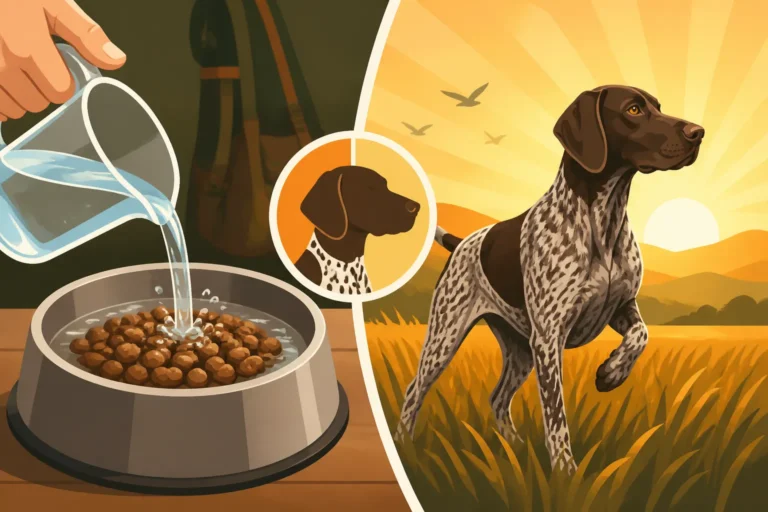
Just like with us, water is life for your German Shorthaired Pointer, and its importance extends directly to the health of their paw pads. Well-hydrated pads are naturally more supple and elastic, which means they are far less likely to crack, split, or become brittle under stress. Imagine trying to bend a dried-out piece of leather versus a properly conditioned one – the difference in flexibility is stark. The same principle applies to your dog's pads. When a GSP is properly hydrated, the skin cells in their pads retain moisture, allowing them to better absorb impact and flex with the terrain without tearing.
In contrast, a dehydrated dog will have drier, stiffer pads that are far more susceptible to damage from friction and impact. This is particularly crucial during summer months when your Shorthair is likely more active and losing more fluids through panting and sweating (yes, dogs do sweat a little through their paws!). Therefore, ensuring consistent and ample access to fresh water is not merely about preventing heatstroke; it's a direct investment in the long-term health and durability of their working feet. Always carry water for your GSP on walks and runs, offering it frequently, especially during and after exercise. For extremely active dogs or those in very hot climates, you might even consider adding a canine-specific electrolyte supplement to their water to encourage drinking and replenish vital minerals, a topic we explored in Electrolytes for a German Shorthaired Pointer in the Field.
Protective Gear and Topical Solutions
Even with the best gradual conditioning and optimal nutrition, there are times when your German Shorthaired Pointer's paws need a little extra help. This is where topical solutions and protective gear come into play, offering an additional layer of defense against harsh environments.
When to Use Paw Balms and Waxes
Paw balms, waxes, and conditioners can be incredibly beneficial for maintaining your Shorthair's paw pad health, especially when facing moderate challenges or for daily preventative care. These products work by creating a protective, semi-permeable barrier on the surface of the pads, while also delivering moisturizing and nourishing ingredients. They are particularly useful for:
- Moisturizing and Preventing Dryness: Just like our hands get dry, dog pads can, too. Balms help to keep the pads supple and prevent the kind of cracking that can lead to deeper injuries.
- Providing a Mild Protective Layer: While not as robust as boots, a good paw wax can offer a slight buffer against abrasive surfaces, hot pavement (for short durations), and harsh chemicals like de-icers (though less of a summer concern).
- Repelling Irritants: Some waxes can help repel minor irritants like salt, dirt, or even mild allergens that might otherwise embed themselves in the pad.
For application, it's generally best to massage the balm or wax into the pads before your outing, allowing it a few minutes to absorb. Reapply as needed, especially after prolonged activity. Brands like Musher's Secret or Bag Balm are popular choices, and you can easily find a wide variety of quality paw care products on platforms like Amazon or Chewy. Always choose products specifically formulated for dogs and check the ingredient list to avoid anything that could be toxic if licked.
Here's a quick comparison of different pad toughening and protection methods:
| Method/Product | Primary Benefit | Best For | Application/Frequency | Key Considerations |
|---|---|---|---|---|
| Gradual Exposure | Builds natural calluses, long-term resilience | Foundational toughening for all active dogs | Daily, increasing duration | Requires patience; constant monitoring for injury |
| Paw Waxes/Balms | Moisturizes, provides minor protective barrier | Moderate conditions, daily maintenance | Before/after activity, daily | Look for dog-specific, non-toxic ingredients |
| Dog Boots | Maximum protection against environmental extremes | Extreme heat/cold, sharp terrain, existing injury | As needed for specific tasks | Proper fit crucial; training may be required |
| Proper Nutrition | Supports skin health from within | Year-round foundational health for all dogs | Daily diet | High-quality protein, Omega fatty acids essential |
| Consistent Hydration | Maintains pad pliability, prevents cracking | All dogs, especially active ones in summer | Throughout the day | Essential in hot weather and during exercise |
The Case for Dog Boots in Extreme Conditions
While balms and waxes offer a good layer of maintenance and mild protection, there are certain situations where dog boots become an absolutely essential piece of gear for your German Shorthaired Pointer. These are typically extreme conditions where the risk of injury is high, and no amount of natural pad toughening is enough to prevent harm.
When to consider dog boots:
- Scorching Hot Surfaces: If you must walk your GSP on asphalt or pavement during the heat of the day, boots are the only truly reliable way to prevent burns. No amount of balm will adequately protect against 130°F pavement.
- Extremely Abrasive or Rocky Terrain: For extended periods on sharp rocks, jagged scree, or fields of particularly harsh stubble, boots provide a robust physical barrier against cuts, punctures, and excessive abrasion. We've certainly learned that Boots for a Shorthair on Rock and Stubble can be a game-changer.
- Protection for Existing Injuries: If your Shorthair has a minor cut, abrasion, or blister on a pad, a boot can protect the wound from further irritation and contamination during healing, allowing for continued, albeit limited, activity.
- Winter Conditions (Extreme Cold, Ice, Salt): Although this article focuses on summer, boots are equally vital in severe winter weather to prevent frostbite and protect against ice balls and harsh de-icing chemicals.
The biggest challenge with boots is often getting your GSP to tolerate them. Many dogs will initially react by trying to shake them off or walk very strangely. Introduce boots gradually, starting with short periods indoors, pairing them with high-value treats and praise. Ensure a proper fit – boots should be snug enough not to twist or fall off, but not so tight as to cut off circulation. There are many durable brands available on Amazon and Chewy, often designed for active dogs, with reinforced soles and breathable materials. While they might look a bit silly at first, the protection they offer can literally save your Shorthair's feet and prevent costly veterinary bills and painful downtime.
Troubleshooting Common Pad Problems
Even with the best preventative care, our adventurous German Shorthaired Pointers can sometimes run into trouble. Knowing how to quickly recognize and address common paw pad issues is critical to minimize discomfort and prevent more serious complications.
Recognizing the Signs of Injury or Irritation
Being able to quickly spot when your GSP's paw pads are in distress is the first step in effective management. German Shorthaired Pointers are often tough and may try to hide pain, especially if they are highly driven, so regular, thorough checks are essential. After every significant outdoor activity, or even just daily during active seasons, take a few minutes to examine all four paws.
Look for these telltale signs:
- Limping or Favoring a Paw: This is often the most obvious sign. Even a subtle change in gait can indicate discomfort.
- Excessive Licking or Chewing: If your Shorthair is constantly licking or gnawing at their paws, it's a clear signal of irritation or pain.
- Redness or Swelling: Compare the affected pad to a healthy one. Redness, inflammation, or puffiness can indicate a burn, infection, or trauma.
- Visible Cuts, Abrasions, or Tears: Inspect the surface of the pads and between the toes for any breaks in the skin. These can range from minor scrapes to deep lacerations. We've talked about Cut Pads on a German Shorthaired Pointer After a Long Day and how quickly they can happen.
- Blistering: Often a sign of burns or severe friction.
- Cracking or Dryness: While not always immediately painful, deep cracks can become very sore and lead to infection.
- Foreign Objects: Check carefully for thorns, burrs, glass shards, or grass awns lodged in the pads or between the toes.
- Odor: An unusual or foul smell can indicate an infection, especially if accompanied by discharge.
If you notice any of these signs, stop activity immediately and conduct a more thorough examination. Early recognition can prevent a minor issue from escalating into a major problem, saving your Shorthair from prolonged pain and you from greater worry and expense.
First Aid and When to See the Vet
Once you've identified a paw pad issue, knowing when to administer first aid yourself and when to head straight to the vet is crucial. Prompt and appropriate action can significantly impact the healing process and your dog's comfort.
Basic First Aid Steps for Minor Pad Injuries:
- Clean the Area: For minor cuts, scrapes, or abrasions, gently clean the paw with warm water and a mild antiseptic solution (like diluted povidone-iodine or chlorhexidine, if safe for dogs and readily available). Remove any visible debris.
- Control Bleeding: Apply direct pressure with a clean cloth or gauze for a few minutes. If bleeding is profuse or doesn't stop after 5-10 minutes, seek vet care.
- Apply a Protective Barrier: For minor wounds or cracked pads, a thin layer of a dog-safe antibiotic ointment (like Neosporin, but check with your vet first) or paw balm can help.
- Bandage (Carefully): For deeper cuts or blisters, a light, breathable bandage can protect the wound. Ensure it's not too tight to avoid cutting off circulation. Use non-stick pads over the wound and wrap with self-adhering veterinary wrap. Change daily and monitor for swelling or discharge. Consider an Elizabethan collar to prevent licking or chewing at the bandage.
When to See the Vet Immediately:
- Deep Cuts or Punctures: Wounds that go through all layers of the pad, expose underlying tissue, or are actively gaping usually require stitches or professional cleaning to prevent infection.
- Severe Burns or Blistering: Any sign of severe burns, large blisters, or peeling skin necessitates immediate veterinary attention. These are incredibly painful and prone to serious infection.
- Non-Stop Bleeding: If you can't stop the bleeding with direct pressure within 10 minutes, get to the vet.
- Limping or Pain: Persistent limping, refusal to bear weight, or obvious signs of severe pain suggest a more serious injury, potentially including fractures or tendon damage.
- Infection Signs: Redness, swelling, heat, pus, or a foul odor emanating from the paw are signs of infection that need veterinary treatment, often with antibiotics.
- Suspected Foreign Body: If you can't easily remove a foreign object (like a deeply embedded thorn or glass), or if you suspect something is lodged deep inside (like a migrating grass awn), a vet can safely remove it under sedation. Remember, Field Injuries a Hunting German Shorthaired Pointer Comes Home With can often involve more than just a simple scrape.
Don't hesitate to contact your veterinarian if you're unsure of the severity of an injury. It's always better to be safe than sorry, especially when it comes to the crucial working parts of your German Shorthaired Pointer.
Disclaimer
This article is for general informational purposes only and does not constitute professional advice. Laws, prices and regulations vary by location and change over time. Consult a qualified professional for guidance on your specific situation.