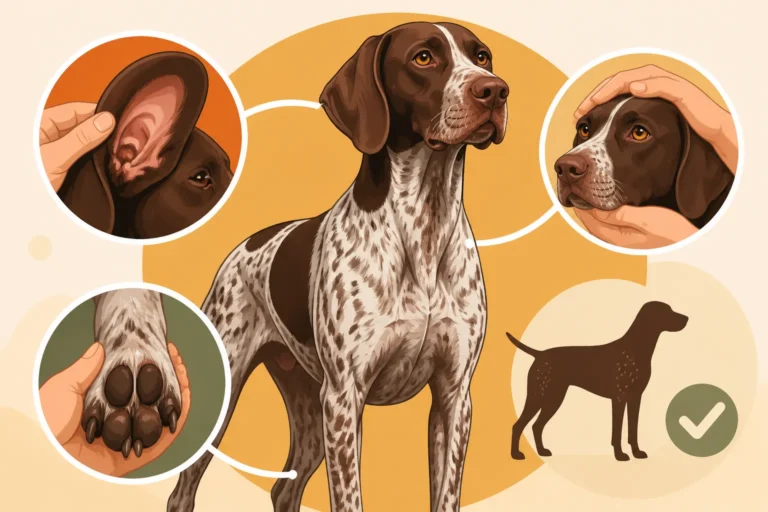
Fish Oil for a German Shorthaired Pointer’s Skin
Many German Shorthaired Pointer owners eventually grapple with a common frustration: persistent skin issues. Whether it's dry, flaky skin, unexplained itching, or a dull coat that just doesn't quite shine, these problems can leave your otherwise vibrant, energetic companion feeling uncomfortable and looking less than their best. This comprehensive guide will delve into how fish oil, a popular supplement, can play a pivotal role in promoting healthier skin and a lustrous coat for your German Shorthaired Pointer, offering practical advice on choosing and using it effectively.
Understanding German Shorthaired Pointer Skin Health Challenges
Our beloved German Shorthaired Pointers are incredible athletes, with boundless energy and a zest for life that often sees them plunging through underbrush, swimming in ponds, and generally giving their all. While their short, dense coats are built for protection, they aren't immune to a host of skin issues that can plague the breed. It's truly heartbreaking to see your usually indefatigable Shorthair scratching incessantly, developing raw patches, or just generally looking uncomfortable in their own skin.
Common Skin Woes in GSPs
GSPs, like many breeds, can be prone to various dermatological conditions. Environmental allergies are incredibly common, often manifesting as itchy skin, especially on the paws, belly, and ears. Imagine your Shorthair constantly licking their paws after a romp in a field, or rubbing their face against the carpet. It’s not just an annoying habit; it’s a sign of discomfort. These allergies can be triggered by pollens, molds, dust mites, or even certain foods. The constant scratching can lead to secondary bacterial or yeast infections, turning a simple itch into a much more serious problem. You might notice red, inflamed skin, or even small pustules. Beyond allergies, some GSPs can suffer from conditions like dry, flaky skin, particularly in dryer climates or during certain seasons. This isn't just cosmetic; it can be genuinely irritating for them. There are also more serious, breed-specific conditions, such as Lupoid Dermatosis and a Shorthair's Scaling Skin, which is an autoimmune skin disease that can cause significant scaling and hair loss. Recognizing these common issues is the first step toward finding relief for your dog.
The Role of Diet in Skin Health
What your German Shorthaired Pointer eats plays an enormous role in the health and vitality of their skin and coat. It's not just about energy for all those miles in the field; it's about providing the foundational building blocks for every cell in their body, including those that make up their largest organ: their skin. A diet lacking in essential nutrients, particularly certain fats, can directly contribute to dry, dull, and irritated skin. Think of it like trying to build a house without proper bricks – it simply won't stand strong. Poor quality food, or food that doesn't meet the specific needs of an active GSP, might not provide the necessary fatty acids, vitamins, and minerals that support a healthy skin barrier and a vibrant coat. You might be feeding your Shorthair religiously, perhaps even a premium kibble, but if it's not delivering the right balance, their skin can suffer. A balanced diet helps maintain the skin's natural barrier, protecting it from allergens and irritants while keeping moisture locked in. If your Shorthair is exhibiting chronic skin issues, a deep dive into their diet is often a critical starting point.
The Science Behind Fish Oil for Canine Skin
So, what is it about fish oil that makes it such a powerhouse for skin health, particularly in active breeds like the German Shorthaired Pointer? It all comes down to a special class of fats known as Omega-3 fatty acids, and understanding their unique properties is key to appreciating their benefits.
Omega-3 Fatty Acids Explained
Fish oil is renowned for its high concentration of Omega-3 fatty acids, primarily Eicosapentaenoic Acid (EPA) and Docosahexaenoic Acid (DHA). These aren't just any fats; they are "essential" fatty acids, meaning your dog's body cannot produce them on its own and must obtain them through diet. What makes EPA and DHA so special for skin health is their potent anti-inflammatory properties. Many common skin issues in GSPs, from environmental allergies to general irritation, are rooted in inflammation. When your dog's immune system overreacts to something, it triggers an inflammatory response, leading to redness, swelling, and itchiness. EPA and DHA work at a cellular level to modulate this response, essentially calming down the body's inflammatory cascade. They compete with other fatty acids, like Omega-6s (which are often overrepresented in processed pet foods and can promote inflammation when out of balance), to create less inflammatory compounds. This means less itching, less redness, and a generally more comfortable dog. Beyond their anti-inflammatory role, they are crucial components of cell membranes, making them vital for healthy skin cell turnover and overall skin integrity.
How Fish Oil Supports Skin Barrier Function
The skin isn't just a covering; it's a vital barrier protecting your German Shorthaired Pointer from the outside world. This barrier, made up of layers of skin cells and a lipid matrix, prevents moisture loss and blocks irritants, allergens, and pathogens from entering the body. When this barrier is compromised – perhaps due to allergies, genetics, or nutritional deficiencies – your Shorthair's skin can become dry, flaky, and highly susceptible to irritation and infection. Fish oil, through its EPA and DHA content, directly supports the integrity of this skin barrier. By nourishing skin cells and promoting healthy lipid production, Omega-3s help to seal the gaps in the barrier, essentially making it stronger and more resilient. This increased barrier strength leads to several noticeable benefits:
- Improved Moisture Retention: Healthier lipids mean the skin can hold onto moisture more effectively, reducing dryness and flakiness.
- Reduced Itching and Scratching: By calming inflammation and strengthening the barrier, fish oil lessens the urge to itch, breaking the frustrating "itch-scratch cycle." This can be a huge relief for a dog prone to Environmental Allergies in a Shorthair That Works Cover.
- Enhanced Coat Luster and Softness: A well-hydrated, healthy skin produces a shinier, softer coat. The Omega-3s contribute to the natural oils that keep the coat looking its best, giving it that characteristic German Shorthaired Pointer gleam.
- Faster Healing of Minor Abrasions: With a stronger skin barrier and reduced inflammation, minor cuts and scrapes, which are unfortunately common for active hunting dogs, may heal more efficiently.
In essence, fish oil acts as an internal moisturizer and anti-inflammatory agent, working from the inside out to support a robust and healthy skin ecosystem for your German Shorthaired Pointer.
Choosing and Administering Fish Oil for Your Shorthair
Now that you understand why fish oil is beneficial, the next logical step is figuring out how to incorporate it into your German Shorthaired Pointer's routine. It's not a one-size-fits-all situation, and making informed choices about product quality and dosage is crucial.
Types of Fish Oil and What to Look For
When you start looking for fish oil supplements, you'll find a variety of options, and it can feel a little overwhelming. The most common sources are fish like salmon, sardines, and anchovies. Generally, wild-caught, small fish are preferred because they tend to have lower levels of heavy metals and other environmental toxins compared to larger, longer-lived fish.
Here’s what to prioritize when selecting a fish oil for your GSP:
- Purity and Third-Party Testing: This is paramount. Look for brands that explicitly state their product is tested for contaminants like mercury, PCBs, and dioxins. Many reputable brands will provide certificates of analysis upon request, or have a seal from organizations that conduct third-party testing for purity and potency. This ensures you're giving your dog something safe and beneficial, not adding hidden toxins to their system.
- EPA and DHA Concentration: Don't just look at the total "fish oil" content. What truly matters is the amount of active Omega-3s, specifically EPA and DHA, per serving. Compare these numbers across different products to get the most bang for your buck and to ensure adequate dosing.
- Formulation: Fish oil comes in liquid form or capsules. Liquid can be easier for many owners, as you can simply pump it over your dog's food. Capsules are great if your dog doesn't mind swallowing them whole or if you prefer a more precise dosage that doesn't interact with other food. Just ensure the capsules are digestible.
- Freshness: Omega-3s are fragile and can oxidize (go rancid) when exposed to air, light, and heat. This not only makes them less effective but can also be harmful. Choose products that come in opaque bottles, are stored correctly, and have a clear expiration date. Some brands include antioxidants like Vitamin E to help preserve freshness. You can often find a good selection of quality brands on online retailers like Chewy or Amazon, allowing you to compare options and read reviews from other pet parents.
Dosage Guidelines and Safe Practices
Determining the right dosage of fish oil for your German Shorthaired Pointer isn't as simple as following a generic instruction label, though those are a good starting point. It’s always best to consult with your veterinarian before starting any new supplement, especially with an active breed like a GSP who might already be on other supplements like Joint Supplements for a Hunting German Shorthaired Pointer. Your vet can take into account your dog's weight, overall health, specific skin condition, and current diet.
However, generally speaking, a common starting point for dogs is around 100-150 mg of combined EPA and DHA per 10 pounds of body weight per day for general skin and coat health. For more intensive anti-inflammatory benefits, such as managing significant allergies or Managing a German Shorthaired Pointer's Lifelong Skin Disease, your vet might recommend a higher dose.
Important Considerations for Dosing:
- Start Low, Go Slow: Begin with a lower dose and gradually increase it over a week or two. This helps your dog's digestive system adjust and allows you to monitor for any adverse reactions like Loose Stools in a German Shorthaired Pointer.
- Observe Your Dog: Pay close attention to your Shorthair’s skin, coat, and general well-being. Are they scratching less? Is their coat shinier?
- Storage: Always store fish oil as directed, usually in a cool, dark place or the refrigerator, to prevent rancidity.
Incorporating Fish Oil into Their Diet
Adding fish oil to your German Shorthaired Pointer's daily routine is usually quite straightforward. Most dogs readily accept it, especially if it's mixed into their regular meals.
Here are a few tips:
- Mix with Food: For liquid fish oil, simply pump or drizzle the recommended dose over one of their meals. Stir it in thoroughly to ensure even distribution. For capsules, you can try hiding them in a soft treat, a dollop of peanut butter, or even a small piece of cheese.
- Consistency is Key: Like any supplement, fish oil works best when given consistently every day. Don't expect overnight miracles; it takes time for the body to build up beneficial levels of Omega-3s and for skin health to improve.
- Consider Meal Timing: Some owners prefer to split the daily dose between two meals, especially if giving a higher amount, to aid digestion.
- Fresh Food Integration: If your German Shorthaired Pointer is on a fresh food diet, like those provided by services such as Ollie, you can easily incorporate fish oil into their prepared meals. Many fresh food companies also offer guidance on appropriate supplementation. The key is to ensure it's balanced with the rest of their Daily Ration a Working Shorthair Actually Eats.
Expected Results and Potential Downsides
Starting your German Shorthaired Pointer on a fish oil supplement is an investment in their health, and it’s natural to wonder what to expect and what potential pitfalls might exist.
What to Expect and How Long It Takes
Patience is truly a virtue when it comes to seeing the benefits of fish oil for your GSP's skin. You're working to support cellular health from the inside out, and that takes time. While some dogs might show subtle improvements in coat luster within a few weeks, significant changes in skin condition, especially for persistent issues like chronic itching or dryness, can take anywhere from 6 to 12 weeks, or even longer.
During this period, you might observe:
- Reduced Scratching and Licking: This is often one of the first and most welcome changes, as the anti-inflammatory effects begin to take hold.
- Less Dryness and Flakiness: The skin barrier strengthening means better moisture retention.
- Shinier, Softer Coat: The healthy oils promote a lustrous, vibrant coat that feels noticeably softer to the touch.
- Improved Skin Elasticity: Healthier skin is more pliable and less prone to minor irritations.
- Overall Comfort: A dog no longer plagued by constant itching is generally a happier, more settled dog.
Keep a mental note or even a small journal of your observations. This will help you track progress and communicate effectively with your vet if adjustments are needed. Remember that fish oil is a supplement, not a magic bullet, especially for complex issues like severe allergies or serious conditions like Lupoid Dermatosis, which often require a multifaceted approach including prescription medications and specialized Managing a German Shorthaired Pointer's Lifelong Skin Disease.
Possible Side Effects and When to Consult Your Vet
While fish oil is generally considered safe for dogs, like any supplement, it can have potential side effects, particularly if given in excessive amounts or if your dog has a sensitive digestive system. Being aware of these can help you react appropriately.
Common, mild side effects can include:
- Digestive Upset: This is the most frequently reported issue. It might manifest as soft stools, diarrhea, vomiting, or an upset stomach. This is often why starting with a low dose and gradually increasing it is recommended. If this occurs, try reducing the dose or splitting it between meals.
- Fishy Breath or Body Odor: Your GSP might develop a slight fishy smell to their breath or even their skin. For some owners, this is a minor inconvenience; for others, it can be bothersome. Ensure the fish oil itself isn't rancid, as that can worsen the smell.
- Weight Gain: Fish oil contains calories. While the amount per dose is usually small, if your dog is already on a calorie-dense diet, especially if they are getting older and their Calorie Needs of a German Shorthaired Pointer in Season are decreasing, this is something to keep in mind.
More serious, but less common, side effects can occur with very high doses or in dogs with pre-existing conditions:
- Impact on Blood Clotting: Extremely high doses of Omega-3s can theoretically thin the blood, which could be a concern for dogs undergoing surgery or those with existing bleeding disorders. This is why veterinary consultation is crucial, especially before any procedures like a spay or neuter.
- Vitamin E Deficiency: Since Omega-3s are fats, they can increase the body's need for Vitamin E, an antioxidant. Reputable fish oil supplements often include Vitamin E to counteract this, but it's worth checking the label.
- Pancreatitis Flare-Ups: In rare cases, high fat intake could potentially exacerbate pancreatitis in susceptible dogs.
When to contact your vet:
- If digestive upset persists despite dose adjustment.
- If you notice any unusual bruising or bleeding.
- If your dog seems lethargic, loses appetite, or shows other concerning symptoms.
- If your Shorthair's skin condition worsens or doesn't improve after several months of consistent supplementation. They might need a different diagnostic approach or treatment, which could be discussed during their The Vet Schedule a Working Shorthair Should Keep.
Fish oil can be a fantastic addition to your German Shorthaired Pointer's health regimen, offering significant benefits for their skin and coat. By choosing a high-quality product, dosing responsibly, and working with your veterinarian, you can help your active companion feel as good on the outside as they do on the inside.
Fish Oil Supplement Comparison
Choosing the right fish oil can be tricky with so many options. Here's a quick comparison of common types and what to consider.
| Feature | Wild Salmon Oil | Sardine/Anchovy Oil | Krill Oil | Plant-Based Omega-3 (Algae) |
|---|---|---|---|---|
| Source | Wild-caught salmon | Small, wild-caught fatty fish | Krill (tiny crustaceans) | Algae (vegan source) |
| EPA/DHA Levels | Moderate to High | High | Moderate | Variable, generally lower DHA/EPA |
| Purity Concerns | Moderate (potential for larger fish toxins) | Low (small fish, short lifespan) | Low | Very Low (cultivated source) |
| Sustainability | Varies by source/catch methods | Generally good | Good, but ecosystem role is debated | Excellent |
| Astaxanthin | Present (natural antioxidant) | Low/Absent | High (powerful antioxidant) | Low/Absent |
| Digestion | Generally well-tolerated | Generally well-tolerated | Generally well-tolerated | Generally well-tolerated |
| Cost | Mid-range | Often more affordable for high EPA/DHA | Higher | Varies, can be high |
| Best For | General health, good value | High EPA/DHA needs, purity preference | Added antioxidant benefits | Allergy-prone to fish, sustainability focus |
Remember to always check the specific product's label for actual EPA/DHA content and third-party testing.
Disclaimer
This article is for general informational purposes only and does not constitute professional advice. Laws, prices and regulations vary by location and change over time. Consult a qualified professional for guidance on your specific situation.