Sunscreen on a German Shorthaired Pointer’s Nose
It's a common sight for many German Shorthaired Pointer owners: that beautiful, often pink nose, so perfect for scenting birds, turning red and irritated after a long day in the sun. You see it, you feel guilty, and you wonder what you could have done differently. Our active, outdoor-loving companions, especially those with lighter pigment, are just as susceptible to sunburn and its serious long-term consequences as we are. This guide is here to walk you through protecting your GSP's sensitive nose from the sun's harsh rays, ensuring they stay healthy and happy for all those adventures to come.
Why Your German Shorthaired Pointer's Nose Needs Sunscreen
German Shorthaired Pointers are built for the field, for long days under open skies, and for water retrieves. Their short, dense coats offer excellent protection for most of their body, but certain areas remain exposed and vulnerable, none more so than their noble nose. This isn't just about a temporary burn; it's about preventing discomfort, pain, and potentially serious health issues down the line.
The Vulnerability of Pink Noses
Have you ever noticed how some GSPs have a solid liver or black nose, while others have patches of pink, or even an entirely pink nose? This variation in pigmentation is usually completely normal and part of their unique charm. However, those pink areas are a real Achilles' heel when it comes to sun exposure. Pigment, whether in human skin or a dog's nose, acts as a natural sunscreen, absorbing UV radiation and preventing it from damaging deeper tissues. When there's little to no pigment, like on a pink nose, that protection is simply absent.
Think about your own skin. If you have a fair complexion and spend a day at the beach without protection, you know the outcome. It's the same for your GSP. Their dedication to a task, whether it's quartering a field for pheasants or retrieving dummies from a pond, means they aren't thinking about finding shade. They're focused on their job, often with their nose to the ground, leaving that sensitive area directly exposed to the sun's glare, day in and day out. Even the tops of their ears can be surprisingly vulnerable, especially if the hair is sparse or if they have white markings. It’s an easy thing to overlook when you're caught up in the excitement of the hunt or a vigorous play session.
Health Risks of Sun Exposure
A sunburned nose isn't just uncomfortable for your dog; it carries significant health risks. Initially, it's painful, much like our own sunburns. Your dog might be sensitive to touch, paw at their nose, or show signs of discomfort when eating or drinking. The skin can become red, inflamed, and even peel, making them miserable.
Beyond the immediate discomfort, chronic sun exposure significantly increases the risk of certain skin cancers in dogs. Squamous cell carcinoma and melanoma are two types of skin cancer that can be exacerbated or directly caused by UV damage. These cancers can be aggressive and may require extensive veterinary intervention, including surgery, radiation, or chemotherapy. Early detection is key, but prevention is always the best strategy. You don't want to find yourself dealing with The Skin Tumors Shorthairs Get Younger Than Most that could have been avoided with a little preventative care.
Think about the cumulative effect: season after season of unprotected sun exposure. Even on cloudy days, UV rays can penetrate, and reflected light from water or snow can intensify the exposure. Protecting that vulnerable nose isn't just about preventing a single bad day; it's an investment in your GSP's long-term health and comfort.
Choosing the Right Sunscreen for Your German Shorthaired Pointer
So, you're ready to protect that precious nose. But then you walk into a pet store or browse online, and the options can be overwhelming. Or worse, you only see products for humans and wonder if they're safe. Selecting the right sunscreen involves understanding ingredients and choosing the best application method for your active pointer.
Key Ingredients to Look For and Avoid
This is where it gets a little tricky, because what's safe for us isn't always safe for our dogs, especially since they're likely to lick whatever you put on their nose. The goal is to find a sunscreen that acts as a physical barrier and contains ingredients that are non-toxic if ingested in small amounts.
What to Look For (Physical Blockers):
- Zinc Oxide and Titanium Dioxide: These are mineral-based physical blockers that sit on top of the skin and reflect UV rays. When used in pet-specific formulations, applied sparingly to areas like the nose, and with care to minimize immediate licking, they are generally considered the most effective and safest for topical use. The concern with zinc oxide typically comes from large ingestion, such as a dog eating an entire tube of human sunscreen. For small, targeted applications, especially if it's a veterinary-formulated product, it can be a good choice.
- Look for "Veterinarian Approved" or "Pet-Safe" labels: This is your best indicator that the product has been formulated with canine safety in mind, considering potential ingestion.
- Fragrance-free and Hypoallergenic: Many dogs, including GSPs, can have sensitive skin. Avoid unnecessary irritants.
What to Avoid (Chemical Blockers and Other Harmful Ingredients):
- Oxybenzone and Octinoxate: These are common chemical UV filters in human sunscreens. They are absorbed into the skin and can be endocrine disruptors. More importantly, they can be toxic if ingested, which is highly probable for a dog licking its nose.
- PABA (Para-aminobenzoic acid): Once a common sunscreen ingredient, PABA can be toxic to dogs, causing liver damage or blood disorders if ingested.
- Salicylates: Related to aspirin, salicylates can be toxic if ingested.
- Artificial Colors, Fragrances, Parabens, and Phthalates: These are unnecessary chemicals that can cause skin irritation or other health issues if ingested or absorbed.
- Alcohol: Can be drying and irritating to sensitive skin.
When in doubt, consult your vet or reach for a product specifically designed for dogs. You can find many good options from reputable pet supply retailers like Chewy or on platforms like Amazon by searching for "dog sunscreen" or "pet-safe sunscreen." Always read the ingredient list carefully, even if it's marketed for pets, to ensure it meets these safety guidelines.
Here's a quick reference table for common ingredients:
| Ingredient Category | What to Look For (Safe) | What to Avoid (Potentially Harmful) |
|---|---|---|
| Active Blockers | Zinc Oxide (in pet-specific formulas, applied sparingly) | Oxybenzone, Octinoxate (chemical UV filters) |
| Titanium Dioxide | PABA (Para-aminobenzoic acid) | |
| Additives | Fragrance-free | Fragrances, Dyes |
| Hypoallergenic | Parabens, Phthalates, Salicylates | |
| Non-toxic if licked (as much as possible) | Alcohol | |
| Water-resistant (for active dogs) |
Application Considerations and Formats
Sunscreen comes in various forms, and the best one for your GSP will depend on their temperament and your ease of application.
- Sticks: These are often the easiest for targeted application on a wriggly GSP's nose and ear tips. They're less messy than creams and you can simply glide them on. Many dedicated pet sunscreens come in stick form.
- Creams/Lotions: These offer good coverage, but can be thicker and harder to rub in without getting it all over your hands – and your dog might be more inclined to lick it off if it feels like a thicker layer. A thin, even layer is key.
- Sprays: While convenient for larger areas with thin fur (like the belly or flanks if your dog has white patches), sprays can be tricky for the nose. You risk getting it in their eyes or nostrils, and the sound/sensation might startle them. If you use a spray, apply it to your hands first and then gently rub it onto the nose.
Regardless of the format, look for water-resistant formulations if your GSP loves to swim or will be out in damp conditions. Our dogs are often covered in dew during early morning hunts, or they're retrieving from ponds, and a water-resistant formula will ensure the protection lasts longer. Sun Protection for a White Marked Shorthair goes into even more detail about how to cover dogs with particularly vulnerable coats.
How to Apply Sunscreen to Your German Shorthaired Pointer's Nose
You've got the right sunscreen, now comes the "how." Applying sunscreen to a GSP can be a bit of an art form, especially if your dog is an eager licker or a master of evasion. Patience, positive reinforcement, and a little distraction are your best tools.
Step-by-Step Application Guide
- Gather Your Supplies: Have your pet-safe sunscreen ready, along with a favorite treat or a puzzle toy to keep your GSP occupied.
- Choose the Right Moment: Pick a time when your dog is calm and relaxed, perhaps after a potty break but before a big burst of energy. A sleepy dog is often a cooperative dog!
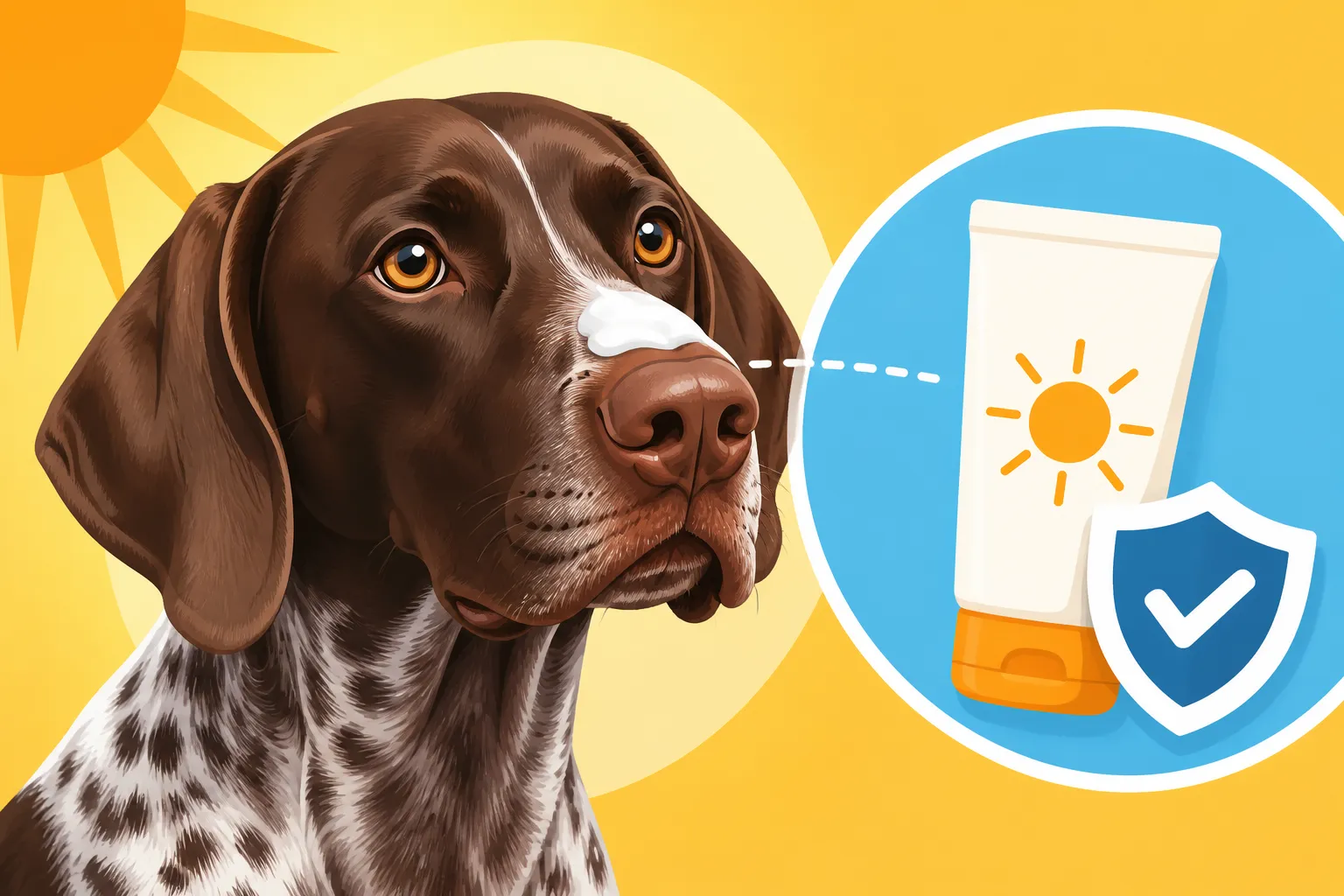
- Clean and Dry the Area: Gently wipe your GSP's nose clean with a damp cloth if it's dirty, and then dry it thoroughly. Sunscreen adheres best to clean, dry skin.
- Apply a Thin, Even Layer:
- For sticks: Gently roll the stick directly onto the pink parts of their nose, making sure to cover all exposed areas without applying too thickly.
- For creams/lotions: Squeeze a pea-sized amount onto your fingertip and gently rub it into the pink areas of the nose. Work it in thoroughly but gently.
- Distraction is Key: This is crucial to prevent immediate licking. As soon as you've applied the sunscreen, offer that high-value treat or engage them with a puzzle toy for a few minutes. The goal is for the sunscreen to have a chance to absorb slightly before they try to lick it off. A chew toy or a lick mat covered with a little peanut butter (check ingredients for xylitol!) can work wonders.
- Reapplication: This isn't a one-and-done deal. Just like for humans, sunscreen needs to be reapplied, especially for active dogs. Plan to reapply every 2-4 hours, or more frequently if your GSP has been swimming vigorously, rubbing their nose on the ground, or engaged in high-intensity activity. Pay extra attention during peak sun hours (late morning to mid-afternoon).
Remember, consistency is vital. Make it a positive experience with treats and praise, and your GSP will likely become more accepting of the routine over time.
Beyond the Nose: Other Vulnerable Areas
While the nose is often the most critical area, other parts of your German Shorthaired Pointer's body can be susceptible to sunburn, especially if they have white markings or thin fur.
- Ear Tips: Many GSPs have delicate ear tips, sometimes with sparse hair or light pigmentation. These can burn easily. Use the sunscreen stick to gently cover these areas.
- Belly, Groin, and Inner Legs: If your GSP enjoys lying on their back in the sun (and many do!), their thinly haired belly, groin, and inner legs are directly exposed. These areas are harder to apply sunscreen to without getting it everywhere, so a broad-spectrum, pet-safe spray (applied to your hands first, then rubbed in) or a very thin layer of cream can be effective.
- White Patches of Fur: While their coat is short, white patches can have underlying pink skin that is more prone to burning. Keep an eye on these areas, particularly on the face, head, and flanks.
- Scars or Areas of Hair Loss: Any area where the skin is exposed due to a scar or thinning fur needs attention.
The goal is comprehensive protection. A quick Checking a German Shorthaired Pointer Over After a Hunt routine should always include a scan for any new redness or irritation, not just burrs or scrapes.
Integrated Sun Protection Strategies
Sunscreen is a fantastic tool, but it's just one piece of the puzzle. The best approach to protecting your German Shorthaired Pointer from sun damage involves a combination of strategies that integrate seamlessly into your lifestyle with your active companion.
Timing Outdoor Activities
This is perhaps the simplest and most effective way to reduce sun exposure. Just like you wouldn't typically plan a long run for yourself at noon on a scorching summer day, the same logic applies to your GSP.
- Early Mornings and Late Evenings: Schedule your longest walks, training sessions, and hunts for the cooler, lower-UV hours of the day. The sun's rays are much less intense before 9 AM and after 5 PM. This also helps mitigate the risk of heatstroke, which is a serious concern for hard-working GSPs, particularly when the season starts. Heat Stroke in a September Shorthair is a real danger.
- Midday Shade: If your GSP must be outside during peak sun hours, ensure they have access to plenty of dense shade. A shaded kennel run, a covered patio, or even just a large, leafy tree can make a world of difference.
- Adjusting Hunt Times: For our dedicated hunters, this can be tough. But considering the well-being of your dog means being flexible. Maybe it's a shorter hunt during the midday, or focusing on areas with more tree cover. Understand The Temperature a German Shorthaired Pointer Should Not Hunt In and factor in the UV index alongside ambient temperature.
Protective Gear and Shade
Sometimes, timing isn't enough, or your GSP needs to be out during brighter parts of the day. That's where physical protection comes in.
- Portable Shade Structures: For field trials, training days, or even just backyard lounging, a portable pop-up canopy or a large umbrella can provide crucial shade for your dog's crate or resting area.
- Shade Cloth for Kennels/Truck Boxes: If your GSP travels in a dog box or spends time in an outdoor kennel, drape a UV-blocking shade cloth over it. This reduces direct sun exposure and can also help keep the area cooler.
- Doggy Hats/Visors: While not every GSP will tolerate them, some dogs can be trained to wear wide-brimmed hats or visors. These offer direct shade to the nose and eyes. Start with short durations and lots of positive reinforcement.
- Cooling Vests/Shade Shirts: For GSPs with exceptionally sensitive skin, especially those with white coats or a history of skin issues like Managing a Shorthair's Skin Disease on a Budget, a lightweight, breathable sun-protective shirt or vest can cover large areas of the body. While not typically needed for the short-coated GSP as much as for thinner-coated breeds, it's an option for extreme cases or for specific protection on the belly. Just like Vests and Coats a German Shorthaired Pointer Actually Needs for cold weather, protective clothing can serve a purpose in the sun too.
Regular Vet Checks for Skin Health
Prevention is paramount, but early detection is your next best line of defense. Incorporate regular, thorough skin checks into your routine, and never hesitate to consult your veterinarian.
- Monthly Home Exams: Take the time to really look at your GSP's skin, especially the nose, ear tips, and any areas with lighter pigment or scars. Feel for any new lumps, bumps, or changes in texture. Note any areas of chronic redness, scaling, or hair loss. Being proactive can make a huge difference in catching potential issues early.
- Annual Veterinary Examinations: Your vet is trained to spot subtle skin abnormalities that you might miss. During your GSP's annual check-up (which every working dog needs; see The Vet Schedule a Working Shorthair Should Keep), make sure to point out any areas of concern, especially on the nose or ears. They can perform diagnostic tests, such as a needle aspirate or biopsy, if anything looks suspicious. Lumps Worth Removing on a German Shorthaired Pointer can be much easier to manage when caught early.
- Discuss Sunscreen Options: Talk to your vet about the best sunscreen products for your specific dog, especially if they have allergies, sensitive skin, or any pre-existing health conditions. They can offer tailored recommendations and advice.
By combining diligent sunscreen application, smart scheduling of outdoor activities, utilizing protective gear, and maintaining regular veterinary oversight, you can significantly reduce your German Shorthaired Pointer's risk of sun damage and keep that beautiful, hardworking nose healthy for many adventures to come.
Disclaimer
This article is for general informational purposes only and does not constitute professional advice. Laws, prices and regulations vary by location and change over time. Consult a qualified professional for guidance on your specific situation.