Whether a White Chested Shorthair Burns
It's a common misconception that a dog's coat, no matter how short, offers universal protection from the sun. But for those of us with German Shorthaired Pointers, especially the striking ones with significant white markings on their chest, belly, or even their backs, the concern about sunburn is very real. You've probably found yourself wondering if those pale, sparsely coated areas are truly at risk of burning just like human skin, and how to best protect your energetic companion. This guide is here to shed light on exactly that, helping you understand the vulnerabilities of a white-chested Shorthair and how to keep them safe and comfortable under the sun.
The Unique Vulnerability of White Markings on a German Shorthaired Pointer
You look at your German Shorthaired Pointer, with their sleek, short coat, and it’s easy to think they’re all set for whatever the weather throws at them. They are tough, after all! But those beautiful white patches, particularly on the chest and belly, are not just aesthetically pleasing; they're also areas of heightened vulnerability when it comes to sun exposure. Unlike the liver or black parts of their coat, which contain more pigment (melanin) to help absorb and scatter UV rays, the white areas lack this natural defense.
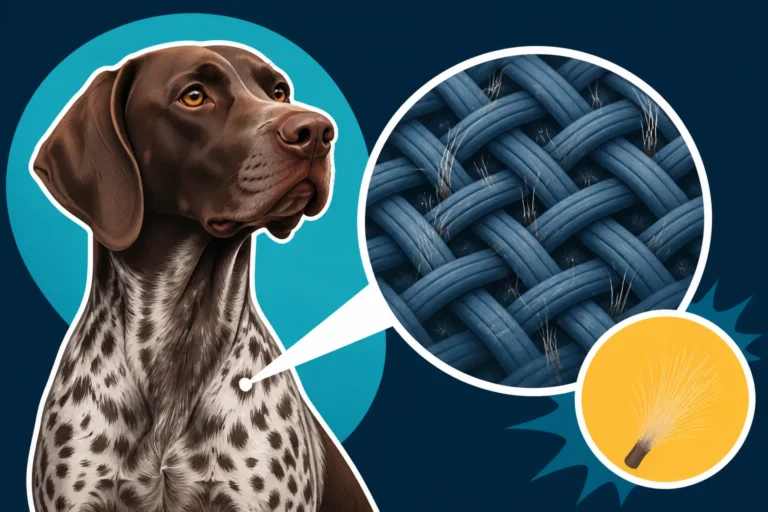
Think about it this way: your GSP's coat, especially on the top line, does offer some protection. But it's not a thick, dense fur coat like a Husky's. It's a single, short layer that can be quite sparse in places, especially where the hair is white. This means that UV radiation can penetrate directly to the skin much more easily. It’s not just about the color, either; often, the skin under white fur is also lighter, making it inherently more sensitive to the sun's damaging rays. You might not see it at first glance, but a closer look at a white-chested Shorthair's skin will often reveal a pale, delicate surface that's simply not built for prolonged, direct sun exposure.
Why White Fur Offers Less Protection
It really comes down to biology. Melanin is the pigment that gives skin and hair its color, and it's also a natural sunscreen. The more melanin, the better the protection. When a German Shorthaired Pointer has white markings, it means those hair follicles produce little to no melanin. Consequently, the skin underneath these areas also tends to be very light, lacking the protective pigmentation found in darker skin. It's like comparing a fair-skinned person to someone with naturally darker skin; the fair skin burns much more easily.
Furthermore, a German Shorthaired Pointer’s coat is, by design, short and rather coarse. It’s excellent for shedding water and navigating dense cover without collecting burrs, but it's not built for heavy UV protection. On the chest, abdomen, and inner thighs, the hair can be even sparser, practically translucent, allowing direct sunlight to hit the skin. If your Shorthair loves to lounge on their back, soaking up the rays, or is spending hours out in the field on a bright day, those white, thinly-haired sections are prime targets for a nasty sunburn. I’ve seen enough dogs come in from a long day with pink, irritated skin on their bellies to know this is a legitimate concern, not just an overly cautious owner's worry. It’s a real challenge, especially since these dogs thrive outdoors.
Areas Most Susceptible to Sunburn
While the white chest is often the most noticeable, it’s far from the only area of concern. The thin, often white, skin on the underside of their belly is incredibly vulnerable, especially when they lie down to rest or cool off. Think about how many times your GSP flops onto their back in the grass, legs splayed, exposing that soft underbelly directly to the sun. The inner thighs are another spot. And don't forget the nose. A white or pink nose, common in many GSPs, is essentially unprotected skin, highly prone to burning. Even the ear tips, which can have thin hair and pale skin, can get crispy after a long day in the sun.
I recall one client whose otherwise liver and white Shorthair had a predominantly white tail, and after a hot, sunny day of training, the tip of their tail was red and tender. It was a stark reminder that any area of sparse hair and light skin is a potential burn zone. It's not just the big white patches, but the smaller, less obvious areas too. Be sure to check these vulnerable spots carefully after any extended time outdoors, especially during peak sun hours. It might seem like overkill, but trust me, a severe sunburn is no fun for anyone, least of all a dog who can't tell you how much it hurts.
Recognizing the Signs of Sunburn in Your German Shorthaired Pointer
So, you've had a great day out in the sun, maybe training for an upcoming hunt test or just enjoying a long hike with your German Shorthaired Pointer. You get home, and they seem fine, but how do you really know if they've had too much sun? Recognizing the signs of sunburn in your GSP can be tricky because, unlike us, they don't immediately complain or turn a lobster-red that's easy to spot under their fur. However, there are definite indicators you can look for, and it's crucial to be vigilant, as early intervention can prevent more serious discomfort and complications.
Sunburn on a dog's skin can manifest in ways similar to how it appears on humans, but it might be masked by their fur. The most common signs are redness and tenderness on the affected skin. If you gently part the hair on their white patches, or look closely at their belly, you might see skin that's pinker or redder than usual. It will often be warm to the touch, and your dog might flinch or show discomfort when you touch the area. They might also start licking or scratching excessively at the affected spots, trying to relieve the irritation, which can sometimes lead to Hot Spots on a Shorthair After Swimming or other skin infections.
Immediate Symptoms to Watch For
Beyond just redness, a sunburned Shorthair might exhibit other immediate symptoms. The skin could appear dry and flaky, or in more severe cases, tiny blisters might form. These blisters are painful and can easily rupture, leading to open sores that are ripe for infection. You might notice your dog seems generally uncomfortable, restless, or even a bit lethargic after a day in the sun, even if it's not outright heatstroke. Their behavior might give you clues; an otherwise boisterous GSP might be reluctant to play, or they might seek out cool, dark places more than usual.
I had a client whose young Shorthair, a gorgeous liver and white male, loved to sunbathe on their patio. After a particularly bright day, the dog was acting strangely quiet, and when they gently scratched his chest, he yelped. Upon inspection, his normally pale white chest was a distinct, angry red, and the skin was taut and hot. He'd clearly overdone it. This immediate discomfort is a key sign that the sun has done its damage. Pay particular attention to the thinly haired spots like the nose, ear tips, and those vulnerable white patches on the abdomen and chest.
When to Seek Veterinary Attention
Most mild sunburns can be managed at home with cool compresses and soothing lotions approved for dogs, but there are times when a trip to the vet is absolutely necessary. If you see blistering, open sores, or signs of infection (like pus, increased redness, swelling, or a foul odor), it's time to call your veterinarian. These can quickly escalate into serious issues, especially with a dog's tendency to lick wounds. Furthermore, if your Shorthair is exhibiting signs of pain beyond simple tenderness, such as yelping, limping, or significant behavioral changes, professional help is warranted.
A severe sunburn can also contribute to heat exhaustion or even heatstroke, especially if your GSP has been active in high temperatures. If you notice signs like excessive panting, drooling, vomiting, diarrhea, weakness, or disorientation, combine those with sunburn, and you've got an emergency on your hands. Always err on the side of caution. A quick phone call to your vet to describe the symptoms is always a good idea. They can advise you on the best course of action, whether it's an at-home remedy or an urgent visit. Knowing The Vet Schedule a Working Shorthair Should Keep can also help ensure you have a trusted professional ready for these unexpected situations.
Proactive Measures to Protect Your White-Chested German Shorthaired Pointer
Knowing that your white-chested German Shorthaired Pointer is susceptible to sunburn can be a bit daunting, especially when they thrive on outdoor activity. But don’t despair! There are plenty of proactive steps you can take to ensure your dog enjoys the sunshine safely. It's all about being mindful, planning ahead, and utilizing the right tools. Just as we wouldn our hats and slather on sunscreen, our GSPs need a little help to prevent those painful burns.
The key really is prevention. Waiting until your dog is already red and sore means you're playing catch-up. Instead, think about the times of day your dog is most exposed, the intensity of the sun, and the duration of their outdoor adventures. Whether it's a quick trip to the park, a long training session in the field, or just hanging out in the backyard, factoring in sun protection should become a routine part of your GSP care, especially for those with significant white markings.
Utilizing Dog-Safe Sunscreen
One of the most effective and straightforward ways to protect those vulnerable white areas is with dog-specific sunscreen. Yes, it exists! And it's important to stress "dog-specific" because human sunscreens often contain ingredients like zinc oxide or para-aminobenzoic acid (PABA) that are toxic if ingested by dogs. Since dogs love to lick themselves, anything you put on their skin is likely to end up in their mouths.
When choosing a sunscreen, look for products clearly labeled for canine use. Brands like Epi-Pet and My Dog Nose It are popular choices, and you can usually find them on platforms like Chewy or Amazon. Apply it liberally to all exposed white or thinly-haired skin: the bridge of their nose, ear tips, the white patches on their chest and belly, and their inner thighs. Reapply frequently, especially if your dog has been swimming or is particularly active, sweating (yes, dogs do sweat a little through their paw pads, but it’s mostly evaporative cooling through panting) or rolling around. Make it a habit to apply it before heading out, similar to how you would for yourself.
Protective Clothing and Shade Management
Sunscreen is fantastic, but sometimes you need an extra layer of defense, especially for extended periods outdoors. This is where protective clothing comes into play. Lightweight, breathable vests or shirts designed for dogs can provide a physical barrier against harmful UV rays. Look for options with UPF (Ultraviolet Protection Factor) ratings, similar to human activewear. For those days when your Shorthair is really going to be out there, like during a full day of upland hunting, a vest that covers their chest and back can be invaluable. Even a simple, light-colored t-shirt can offer some protection to their chest and back when they're just lounging.
Beyond clothing, don't underestimate the power of shade. This seems obvious, but it's often overlooked. If your GSP is in the backyard, make sure they have ample access to shade, whether from trees, an umbrella, or a covered kennel run. When you're out and about, seek out shaded areas for breaks. If you're hunting or training in open country, consider bringing a pop-up canopy or even a large umbrella specifically for your dog to rest under. This not only prevents sunburn but also helps mitigate the risk of Heat Exhaustion in an Early Season Shorthair by keeping their core temperature down.
Behavioral Adjustments and Routine Checks
Sometimes, the simplest solutions are the most effective. Adjusting your outdoor routine to avoid peak sun hours is a smart move. In most places, the sun's rays are strongest between 10 AM and 4 PM. If possible, plan your longer walks, training sessions, or playtime for early mornings or late afternoons. This reduces the intensity and duration of UV exposure for your Shorthair.
After any significant time outdoors, make it a habit to perform a quick "sun check" on your dog. Gently part the hair on their white areas, feel for any warmth, and look for redness or flakiness. Pay close attention to the nose and ear tips. This quick check is crucial for early detection. If you notice any signs of irritation, you can address it promptly with soothing care. Consistency in these checks, much like in training, can make all the difference in catching an issue before it becomes a problem. Regularly checking your German Shorthaired Pointer over after a hunt, not just for sun damage but for cuts, scrapes, and foxtails, should be part of their routine care.
Long-Term Skin Health and Cancer Risk in White-Chested Shorthairs
It's not just about preventing a painful sunburn in the moment; repeated sun exposure, particularly to unprotected, light-pigmented skin, carries significant long-term health risks for your German Shorthaired Pointer. Just like in humans, chronic UV damage can lead to various skin conditions and, most concerningly, an increased risk of certain types of skin cancer. For those of us devoted to our active, outdoor GSPs, understanding these risks is crucial for ensuring their health and longevity.
The cumulative effect of sun exposure is often underestimated. Each time your white-chested Shorthair gets even a mild sunburn, it contributes to cellular damage that can build up over their lifetime. This is particularly relevant for a breed that often spends so much time outdoors, whether in the field, at the lake, or just romping in the yard. It might seem like a small thing at first, but ignoring sun protection can have serious consequences down the road, impacting their quality of life as they age.
Understanding Sun-Induced Skin Conditions
Beyond acute sunburn, prolonged exposure to UV radiation can lead to several chronic skin issues in dogs with light pigmentation. Solar dermatitis, also known as actinic dermatitis, is a common condition characterized by thickened, reddened, and often flaky or scaly skin in sun-exposed areas. This can be itchy and uncomfortable for your dog, leading to persistent licking and scratching, which only exacerbates the problem and can invite secondary bacterial or yeast infections. It's a cyclical issue that can be frustrating for both you and your GSP.
I've seen cases where a German Shorthaired Pointer's belly, usually soft and smooth, becomes rough, leathery, and perpetually pink due to years of sun damage. This isn't just cosmetic; it significantly compromises the skin's natural barrier function, making it more prone to other issues. Think about how a person’s skin ages and changes with sun exposure—similar processes occur in dogs. Protecting them early can prevent years of discomfort and costly dermatological treatments later on. Managing a German Shorthaired Pointer's Lifelong Skin Disease is already a challenge for some, and adding sun damage to the mix only makes it harder.
The Increased Risk of Skin Cancer
This is perhaps the most serious long-term concern. Just as fair-skinned humans are more prone to skin cancers like squamous cell carcinoma and melanoma, so too are dogs with light-pigmented, sun-exposed skin. These cancers often appear as non-healing sores, crusty patches, or new lumps on the ears, nose, eyelids, and sparsely haired areas like the belly and inner thighs. They can be insidious, starting small and seemingly harmless, but can grow aggressively and, in some cases, metastasize.
Common Sun-Related Skin Cancers in Dogs
| Cancer Type | Description | Appearance | Prognosis (Generally) |
|---|---|---|---|
| Squamous Cell Carcinoma | Malignant tumor originating from the outer layer of skin cells. Very common in sun-damaged areas. | Raised, red, ulcerated, or wart-like lesions; may bleed or crust. | Variable, depends on early detection and removal. Can be aggressive locally. |
| Hemangioma/Angiosarcoma | Tumors of blood vessel origin. Can be benign (hemangioma) or highly malignant (angiosarcoma). | Dark red/purple bumps or masses; often on less haired areas. Angiosarcomas are invasive. | Good for benign, guarded for malignant. Angiosarcoma is often aggressive. |
| Melanoma | Tumors of pigment-producing cells. While often dark, they can also be amelanotic (non-pigmented) and appear pink/red. | Can vary greatly, from small dark spots to raised masses. Amelanotic forms mimic other issues. | Highly variable, depends on location and type (benign vs. malignant). |
Early detection is absolutely vital for a better prognosis. Regularly examine your Shorthair's skin for any new lumps, bumps, or non-healing sores. If you find anything suspicious, don't delay in having your veterinarian check it out. A simple needle aspirate or biopsy can often determine if a lump is benign or malignant. I've guided many owners through the process of Lumps Worth Removing on a German Shorthaired Pointer, and prompt action truly matters. Remember, what looks like a harmless age spot could be something much more serious.
Minimizing Risk for a Lifetime of Health
The good news is that with consistent, thoughtful care, you can significantly reduce these long-term risks. Implementing the proactive measures we discussed—dog-safe sunscreen, protective clothing, seeking shade, and adjusting outdoor schedules—isn't just for preventing a one-time burn; it's an investment in your Shorthair's overall health and longevity. It ensures that their magnificent spirit and love for the outdoors can continue safely for years to come.
Teaching your GSP to enjoy their breaks in the shade, making sunscreen application a positive routine, and consistently checking their skin become second nature. It's just another way we show our love and commitment to these incredible dogs. By being vigilant and proactive, you're not just preventing sunburn; you're safeguarding their future against more serious health challenges like skin cancer, allowing them to lead a full, happy life with you.
Disclaimer
This article is for general informational purposes only and does not constitute professional advice. Laws, prices and regulations vary by location and change over time. Consult a qualified professional for guidance on your specific situation.