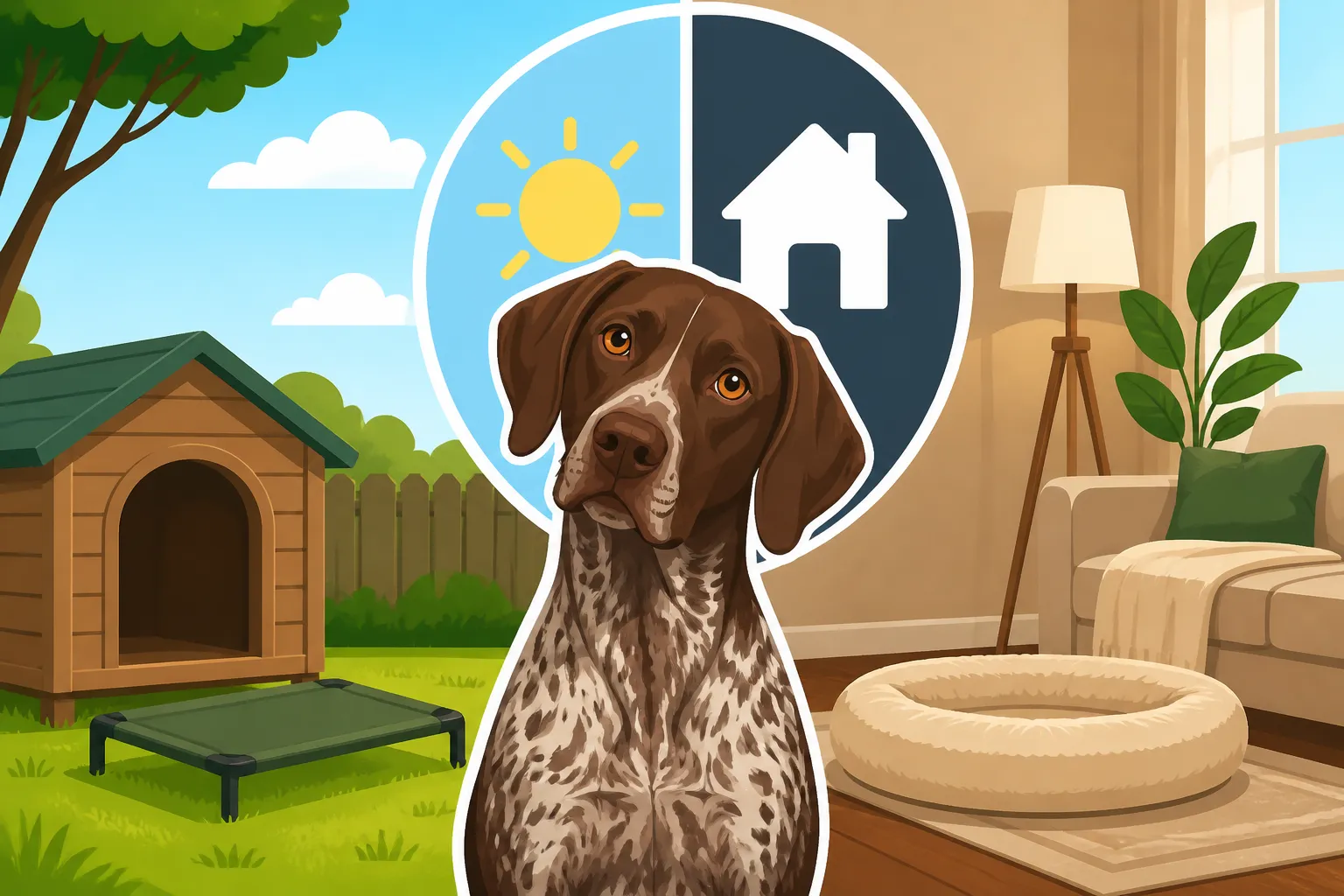
Whether a German Shorthaired Pointer Can Live Outside
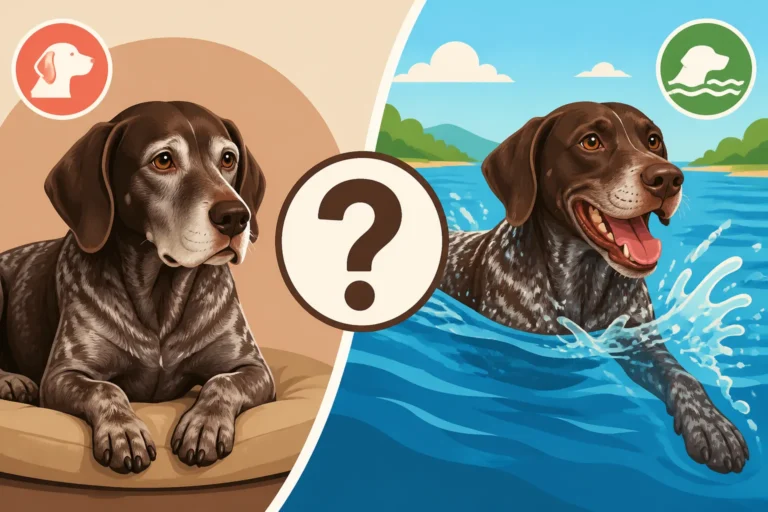
It’s a common thought: the German Shorthaired Pointer is a robust, athletic breed, practically synonymous with the great outdoors. So, surely, they can live outside, right? The truth is, while these dogs are built for activity and thrive in natural environments, making them live outdoors full-time can present significant challenges to their physical health, emotional well-being, and even their safety. This guide will explore the unique needs of a GSP and why keeping them exclusively outdoors is rarely the best choice for this incredibly devoted breed.
The German Shorthaired Pointer's Innate Needs and Temperament
To truly understand why a German Shorthaired Pointer is not ideally suited for full-time outdoor living, we need to look at their fundamental breed characteristics. These aren't just pretty dogs; they were purposefully bred for specific traits that make them exceptional hunting partners but also intensely people-oriented companions.
A Coat Unsuited for Extreme Weather
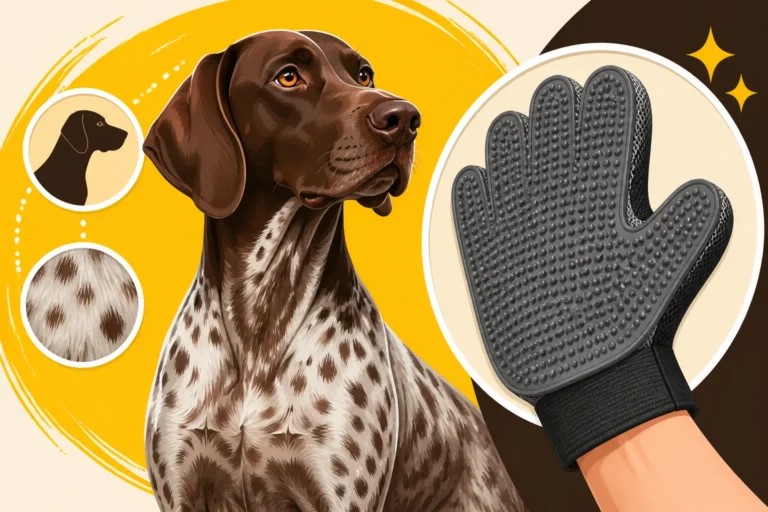
One of the first things you notice about a GSP is their sleek, short coat. It's fantastic for shedding burrs and drying quickly after a dip in the duck pond, but it offers very little insulation against the elements. Unlike breeds with thick double coats designed for arctic temperatures or dense, coarse hair that repels harsh winds and heavy rain, a GSP's coat is thin. This makes them highly susceptible to both extreme cold and intense heat.
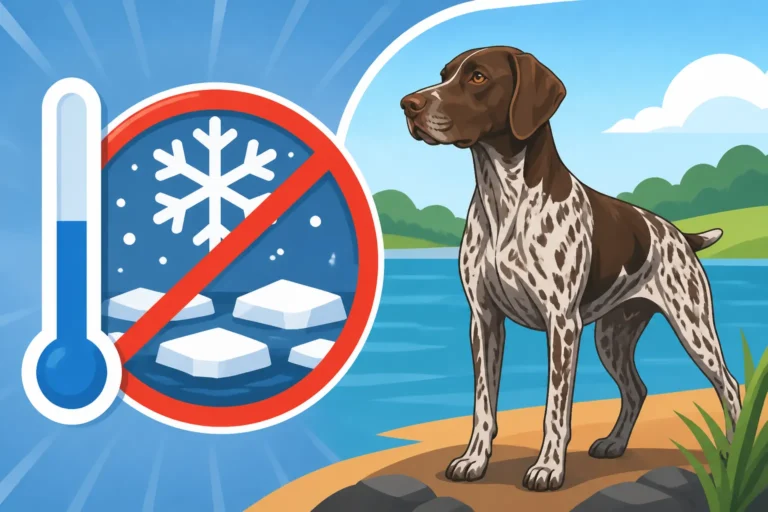
Imagine a crisp fall morning in the field – a GSP is in its element, moving constantly, generating body heat. But once that activity stops, or if they’re simply lying in a kennel, that thin coat isn't enough to keep them warm when temperatures drop. Conversely, their dark pigmentation in liver or black can absorb a lot of sun, and their high metabolism means they can overheat very quickly during strenuous activity or even just lying out in the summer sun without shade. Cold and Heat on a Shorthair With Almost No Coat delves deeper into managing their temperature. A dog house, even a well-insulated one, can only do so much against sustained cold or oppressive heat, especially if they are left alone for long stretches. They lack the natural defenses many outdoor breeds possess.
The Velcro Side of a German Shorthaired Pointer
German Shorthaired Pointers are renowned for their intense loyalty and desire for companionship. They earned the nickname "Velcro dogs" for a reason – they stick to their people! This isn't just a charming trait; it's deeply ingrained in their temperament. They thrive on interaction, being part of the family, and forming strong bonds with their human pack. Being isolated from their family, even with adequate shelter and food, can lead to significant emotional distress.
A GSP left alone outside for extended periods can quickly become anxious, depressed, and bored. These aren't feelings they just "get over." They manifest as destructive behaviors, excessive barking, or even attempts to escape, all driven by a desperate need for connection and mental stimulation. Their intelligence and eagerness to please mean they crave direction and interaction, which are inherently limited when they are relegated to an outdoor space away from the daily rhythm of family life. This breed truly needs to be with you, not just near you. This strong need for connection is a huge factor when considering The Household a German Shorthaired Pointer Actually Fits.
High Energy and the Need for Stimulation
German Shorthaired Pointers are bundles of boundless energy. They were bred to hunt all day, covering vast amounts of ground with stamina and enthusiasm. This isn't a breed that's content with a quick stroll around the block. They need significant physical exercise and mental challenges every single day. We're talking about The Two Hours a Day a German Shorthaired Pointer Needs of focused activity, minimum.
If this energy isn't channeled appropriately, whether indoors or out, it will find an outlet – and usually not one you appreciate. An outdoor GSP who isn't sufficiently exercised and engaged will dig massive craters in your yard, chew through fences, bark incessantly, or become neurotic. While being outside offers more space than indoors, simply being outside isn't enough. They need structured exercise, training sessions, and interactive play, all of which typically involve their human companions. Without this, their intelligence becomes a curse, leading to self-destructive behaviors born of boredom and frustration.
Environmental Challenges and Health Risks for Outdoor GSPs
Beyond their inherent nature, there are numerous practical reasons why full-time outdoor living poses substantial risks to a German Shorthaired Pointer's health and safety. The world outside, while seemingly natural, can be fraught with dangers for a domestic dog.
Weather Extremes and Exposure Risks
As mentioned, a GSP's short coat offers minimal protection. This makes them highly vulnerable to various weather-related health issues:
- Heatstroke: In warmer climates, or even on surprisingly warm spring or fall days, a GSP can quickly overheat, especially if they're active or lack adequate shade and fresh water. Their desire to please can mean they push themselves too hard even when feeling unwell. The Temperature a German Shorthaired Pointer Should Not Hunt In highlights how critical temperature management is. Symptoms like excessive panting, drooling, weakness, and collapsing are emergencies.
- Hypothermia and Frostbite: Cold temperatures, especially when combined with wind or wet conditions, can rapidly lead to hypothermia. Their paws, ears, and tail are particularly susceptible to frostbite. Frostbite on a Late Season German Shorthaired Pointer can be a serious issue, causing permanent damage and pain. Even with an insulated dog house, sustained exposure to freezing temperatures can be dangerous. They simply aren't built for it.
- Dehydration: While you can provide water bowls, they can freeze, spill, or become contaminated. Ensuring a constant supply of fresh, unfrozen water is a significant challenge when a dog is left outdoors for extended periods, especially in cold weather.
Parasites, Pests, and Injury
The great outdoors is also home to a myriad of smaller threats that can seriously impact a GSP's health:
- Fleas, Ticks, and Mosquitos: These aren't just annoying; they carry diseases. Ticks can transmit Lyme disease, Ehrlichiosis, and Anaplasmosis, while mosquitos are vectors for heartworm. Constant exposure significantly increases a GSP's risk of contracting these serious and often costly illnesses. Regular preventative measures are crucial, but constant exposure still carries higher risk.
- Snakes, Spiders, and Other Wildlife: Depending on your region, GSPs can encounter venomous snakes, spiders, or aggressive wildlife like raccoons, coyotes, or even larger predators. A curious GSP is often fearless and can quickly find itself in a dangerous situation. Snake bites, for instance, are medical emergencies that require immediate, expensive veterinary intervention.
- Accidents and Injuries: Fences can fail, gates can be left ajar, and an adventurous GSP can find a way to escape. Once out, they face dangers from traffic, getting lost, or encountering hostile dogs or people. Field injuries, like those described in Field Injuries a Hunting German Shorthaired Pointer Comes Home With, are common even during supervised hunts; left unsupervised, the risks multiply. Furthermore, sharp objects, pesticides, or toxic plants in the yard or neighboring areas pose risks.
Security Concerns
Regrettably, leaving a valuable purebred dog like a German Shorthaired Pointer unattended outside makes them a target for theft. GSPs are popular, intelligent, and often friendly, making them appealing to those with ill intentions. A securely fenced yard is a deterrent but not foolproof, and the risk increases if your GSP is visible to passersby.
The Impact on Mental and Behavioral Well-being
Beyond the physical, the mental and emotional toll of living outside can be profound for a German Shorthaired Pointer. Their sensitive and intelligent nature means they need more than just physical space; they need companionship and purpose.
Loneliness and Separation Anxiety
As deeply affectionate dogs, GSPs can suffer immensely from chronic loneliness. They are not content to simply observe family life from a distance; they want to be part of it. Being separated from their humans can lead to intense separation anxiety, manifesting as destructive chewing, excessive barking, whining, or pacing. This isn't just a nuisance; it's a sign of real distress. A GSP's bond with its owner is paramount, and denying that bond by keeping them isolated can be truly heartbreaking for the dog. Think of it as denying a child constant interaction with their family; it stunts their emotional growth and well-being.
Lack of Enrichment and Behavioral Problems
An outdoor environment, without constant human interaction and enrichment, quickly becomes boring for a smart, energetic GSP. They need puzzle toys, training sessions, and varied experiences to keep their minds sharp and prevent boredom. Without this, their instincts can take over in undesirable ways:
- Excessive Digging: To alleviate boredom or hunt perceived prey, a GSP might turn your yard into a lunar landscape. This isn't out of malice but a natural outlet for their energy and prey drive.
- Compulsive Barking: Barking at every squirrel, leaf, or distant sound becomes a way to expend energy and express frustration. This can quickly become a problem for neighbors and a sign of an unhappy dog.
- Escaping: A bored or lonely GSP will often try to escape their confines. They are intelligent and persistent and can jump, climb, or dig their way out of surprisingly secure enclosures. Fencing That Holds a German Shorthaired Pointer should be a serious consideration if you absolutely must keep them outdoors.
These behaviors are often misinterpreted as "being a bad dog," when in reality, they are desperate cries for attention, exercise, and mental stimulation that an outdoor, isolated existence cannot provide. What an under exercised Shorthair does to a house indoors is often mirrored, if not magnified, when they are left to their own devices outdoors.
Creating a Safe and Humane Outdoor Space (If Absolutely Necessary)
While the consensus among GSP enthusiasts and veterinarians is that these dogs belong inside with their families, we understand that sometimes circumstances might force some outdoor time. If you absolutely cannot have your German Shorthaired Pointer primarily indoors, or if they need specific outdoor accommodation for training or short periods, it is your responsibility to create the safest, most humane environment possible. This should always be considered a last resort and never a substitute for true companionship.
Providing Adequate Shelter and Comfort
The most crucial element for any dog living outside is proper shelter. For a German Shorthaired Pointer, this means protection from both cold and heat extremes:
- Insulated Dog House: A high-quality, well-insulated dog house is paramount. It should be appropriately sized – large enough for them to stand and turn around comfortably, but small enough to retain body heat. It needs to be elevated off the ground to prevent moisture wicking and drafts. Materials like solid wood or insulated plastic are far superior to thin metal.
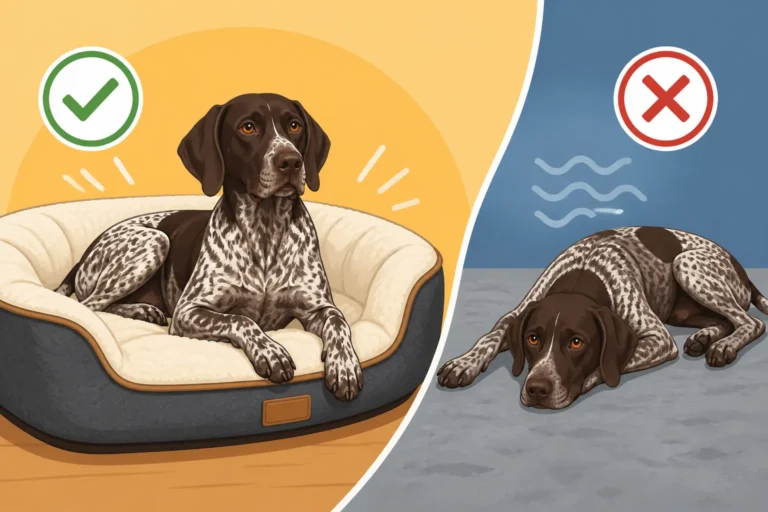
- Bedding: Inside the dog house, provide thick, dry bedding. Straw is an excellent insulator in cold weather, as it repels moisture. In warmer weather, a cot or raised bed can keep them off hot surfaces. For year-round comfort, heavy-duty outdoor dog beds are available from retailers like Chewy or Amazon, offering chew-resistant options. Bedding That Keeps a Shorthair Off Cold Concrete is a must.
- Shade and Water: Ample, constant shade is non-negotiable, especially during warmer months. This could be a solid roof over their kennel, a shade sail, or natural tree cover. Multiple, heavy water bowls should be provided to prevent spillage and ensure a constant supply. In winter, heated water bowls are necessary to prevent freezing.
Secure Containment and Enrichment
A GSP's intelligence and athleticism mean they are escape artists if motivated. Secure containment is vital to prevent them from wandering into danger.
- Escape-Proof Fencing: A standard four-foot fence often isn't enough for a determined GSP. Consider a six-foot fence, potentially with a "coyote roller" or inward-facing leaners at the top to prevent climbing. Burying the fence line or adding a wire skirt can deter diggers. Regularly inspect the fence for weaknesses.
- Daily Interaction and Exercise: Even if they are primarily outside, your GSP must receive daily, dedicated human interaction and rigorous exercise. This means bringing them in for cuddles, taking them on long runs or bike rides, and engaging them in training and play. Simply "letting them out" isn't enough. Consider high-quality, durable toys from retailers like Amazon that can withstand outdoor conditions and a GSP's powerful jaws.
- Mental Stimulation: Don't forget their minds. Puzzle feeders, treat-dispensing toys, or even hiding kibble around their enclosure (weather permitting) can provide valuable mental engagement. Rotate toys regularly to keep things interesting.
Health Monitoring and Regular Veterinary Care
Close monitoring for health issues is even more critical for an outdoor GSP due to increased exposure risks.
- Daily Health Checks: Make it a habit to thoroughly check your GSP daily for ticks, fleas, cuts, scrapes, or any signs of illness or injury, especially during hunting season. Checking a German Shorthaired Pointer Over After a Hunt should become a daily routine even when not actively hunting.
- Dietary Needs: A dog living outside, especially in varying temperatures, may have different caloric needs than an indoor dog. Consult your vet to ensure their diet is appropriate. High-quality performance kibble or fresh food options, like those offered by Ollie, might be necessary to support their energy levels and maintain a healthy body condition.
- Vaccinations and Parasite Prevention: Stay absolutely diligent with all recommended vaccinations and year-round parasite prevention, including heartworm, flea, and tick medications. Your vet can advise on the best schedule and products for your specific climate and risk factors.
The decision of where your German Shorthaired Pointer lives is a profound one. While they are resilient and love to be active outdoors, their profound need for human companionship, coupled with their physical characteristics, makes full-time outdoor living a challenge that few GSPs truly thrive in. Prioritizing their emotional and physical well-being usually means embracing them as cherished members of your indoor family.
Key Considerations for Outdoor vs. Indoor Living
Here's a quick comparison to help visualize the major points when deciding where your German Shorthaired Pointer should primarily reside:
| Feature | Primarily Outdoor Living | Primarily Indoor Living |
|---|---|---|
| Shelter Needs | High-quality, insulated, elevated dog house; constant shade/water | Comfortable dog bed/crate; climate-controlled environment |
| Weather Risk | High (hypothermia, heatstroke, frostbite) | Low (protected from extremes) |
| Companionship | Limited; high risk of loneliness/separation anxiety | Constant interaction; strong family bond |
| Energy Outlet | Requires intense, structured daily exercise with human | Requires intense, structured daily exercise with human |
| Mental Stimulation | Difficult to provide adequately; high risk of boredom | Easier to provide with puzzle toys, training, interaction |
| Health Risks | Higher (parasites, wildlife encounters, environmental injuries) | Lower (controlled environment, less exposure to outdoor threats) |
| Security Risk | Higher (theft, escape) | Lower (secured within the home) |
| Behavioral Issues | Higher (digging, barking, escaping due to boredom/anxiety) | Lower (with adequate exercise/training) |
| Grooming | Requires diligent daily checks for burrs, ticks, skin issues | Regular brushing and checks, but generally less exposure |
Disclaimer
This article is for general informational purposes only and does not constitute professional advice. Laws, prices and regulations vary by location and change over time. Consult a qualified professional for guidance on your specific situation.