How Breeders Put Speed Into the Shorthair
It's a common tale in the world of dog breeds: a vision starts with one set of needs, and over generations, those needs evolve, pushing breeders to refine and even transform a dog's very essence. For the German Shorthaired Pointer, that transformation involved taking a capable, versatile, but somewhat deliberate hunting dog and injecting it with a powerful shot of pure speed and athleticism. If you've ever watched a modern Shorthair rocket across a field, you might wonder how this incredible pace became such a hallmark of the breed, and this guide will dive into the fascinating history of how breeders meticulously engineered the speed and drive that defines them today.
The Initial Vision: A Versatile But Deliberate Hunter
When the blueprint for the German Shorthaired Pointer first took shape in Germany during the 19th century, the focus wasn't primarily on lightning-fast speed. Instead, the German hunter's ideal dog was a true all-rounder – a "versatile" breed that could point upland game, track wounded deer, retrieve shot fowl from land or water, and even dispatch vermin if needed. This comprehensive list of duties naturally led to a dog built for endurance and capability across many tasks, rather than specializing in sheer velocity.
Initial Breeding Goals and Influences
The early German Shorthaired Pointer's development drew heavily from a blend of existing German hunting dogs, often including old German bird dogs and various scent hound types. Dogs like the old Spanish Pointer, a heavier, more methodical breed known for its excellent nose and steady point, certainly played a role. The goal was to consolidate the traits of several specialist breeds into one capable companion. Imagine a hunter needing a dog that could meticulously comb a dense forest for a pheasant, then switch gears to follow a faint blood trail through rough terrain, and finally, bravely dive into icy water to retrieve a duck. This demanded a dog with strength, intelligence, a robust constitution, and a keen nose, perhaps more than explosive speed.
The early GSPs were dogs of substance, with bone and muscle designed for power and stamina over a full day's work, often in challenging European landscapes. They needed to be tough enough to navigate thorny thickets and brave enough to face down quarry, yet refined enough to hold a staunch point. This meant a build that was undeniably athletic, but perhaps more like a capable middle-distance runner than a sprinter. If you look at The German Kennels the Shorthair Was Built In, you can see the foundational focus was on utility across a broad spectrum of hunting scenarios.
Why Speed Wasn't the Primary Attribute (Yet)
In the hunting grounds of 19th-century Germany, the style of hunting often dictated the dog's pace. Hunters might walk extensively, covering varied terrain, and a dog that ranged too far or too fast risked missing game or getting lost in dense cover. The focus was on thorough, controlled work. A methodical, close-working dog that could hold a point indefinitely and retrieve reliably was more valued than one that tore through the field like a bullet train.
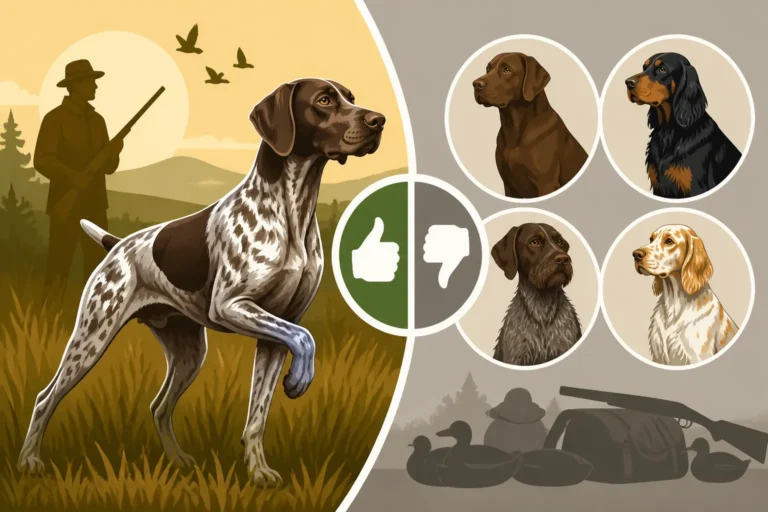
The initial genetic pool, leaning on those older, more substantial breeds, naturally produced dogs with a heavier stride and a less expansive run. Their focus was on scenting ability and holding point, not on covering vast stretches of open ground at top speed. They were certainly energetic and enduring, but the lightning-fast, ground-eating gait we associate with the modern Shorthair wasn't yet explicitly bred for or considered the paramount trait. As we look at Why German Hunters Bred the Shorthair Instead of Four Dogs, the compromise was for versatility, and speed was a trait that would be introduced later.
The Quest for Agility: Introducing the English Pointer's Dash
As hunting styles evolved and the desire for a more active, wide-ranging dog grew, German breeders recognized a need to inject more pace and refinement into their Shorthairs. The goal was to maintain the incredible versatility but to do so with greater athleticism and a more stylish, dynamic presentation in the field. This pivotal moment in the breed's history involved looking beyond Germany's borders.
The Rationale Behind Outcrossing
The solution came in the form of the English Pointer. This breed, developed primarily for covering vast open country quickly and holding a high, dramatic point, possessed exactly the characteristics the German Shorthaired Pointer lacked in terms of sheer speed and elegance. The English Pointer's lighter bone structure, longer stride, and intense bird drive were irresistible to breeders seeking to enhance the GSP's field performance.
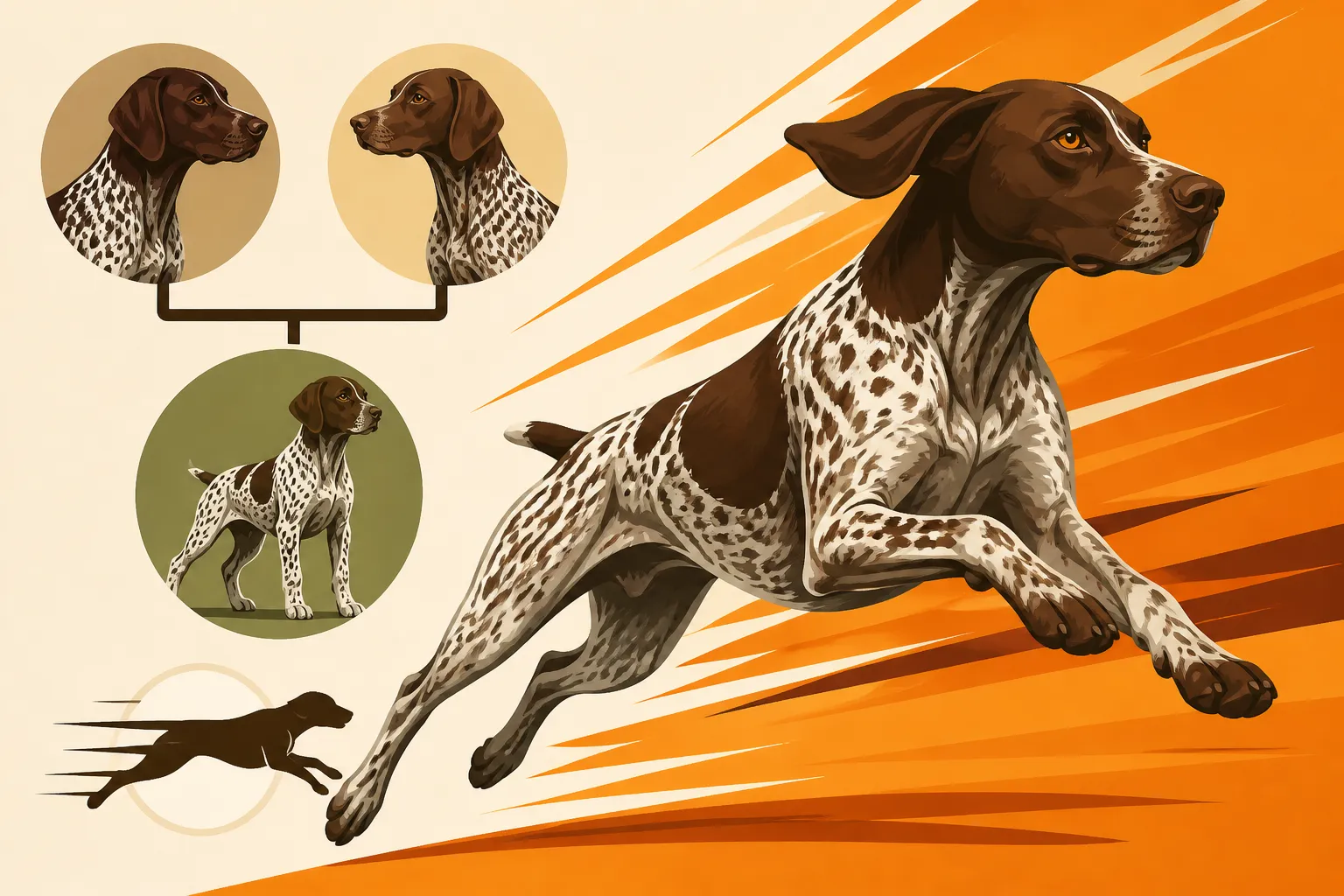
Introducing English Pointer blood was a deliberate and strategic decision. Breeders wanted to imbue the Shorthair with that distinctive "dash"—the ability to cover ground with incredible speed and grace, to range wider, and to locate birds with an almost electrifying intensity, then snap into a statuesque point. It wasn't about replacing the Shorthair's core characteristics, but enhancing them, adding a layer of athleticism that would elevate its game in the field. You can read more about this precise decision in Whether English Pointer Blood Went Into the Shorthair.
Selective Breeding for Desired Traits
The process of incorporating English Pointer traits wasn't as simple as just crossing the breeds once. It involved careful, multi-generational selective breeding. Early crosses undoubtedly produced a range of offspring, some perhaps too "Pointer-like" in temperament or lacking the robust versatility that remained critical to the Shorthair ideal. Breeders then meticulously selected individuals from these crosses that displayed the best blend of traits: the English Pointer's speed, ground coverage, and intense point, combined with the German Shorthaired Pointer's biddability, water retrieving ability, tracking prowess, and durable constitution.
This was a painstaking process of choosing which puppies to keep, which to breed, and which traits to prioritize. Dogs that showed early promise in the field—demonstrating superior speed, an expansive search pattern, and a natural, stylish point—were favored. It was a conscious effort to lighten the build, lengthen the leg, and intensify the drive, all while preserving the core "German" characteristics that made the breed so versatile. The breeders were essentially filtering for dogs that could maintain the Shorthair's working ethos but execute it with newfound dynamism.
Cultivating Performance: Selective Breeding and Testing for Speed
The initial introduction of English Pointer blood was just the beginning. To truly embed speed and high performance into the breed's DNA, breeders needed consistent, measurable ways to identify and propagate these traits. This led to a continuous process of selective breeding, reinforced by rigorous performance testing that became a cornerstone of the German Shorthaired Pointer's development.
Beyond the Initial Cross: How Subsequent Generations Were Shaped
After the initial outcrosses, the focus shifted to refining the German Shorthaired Pointer type. This meant intelligent line breeding and carefully planned matings to solidify the desirable traits that had emerged. Breeders were looking for consistent transmission of that athletic build, the powerful yet elegant gait, and the unwavering bird drive across generations. They weren't just breeding for speed, but for functional speed—speed that could be sustained throughout a long hunting day, coupled with the intelligence to work cover effectively and the biddability to respond to a handler.
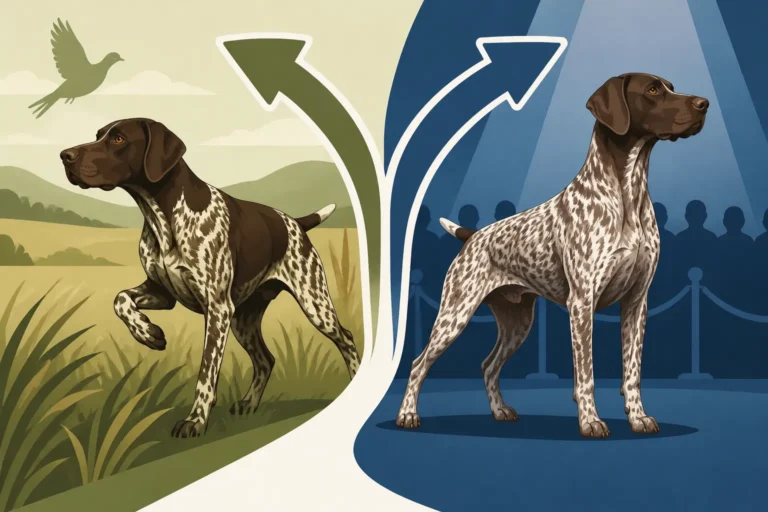
This refinement involved keen observation of each dog's conformation, gait, and natural abilities in the field. Dogs that were too heavy or cumbersome were discarded from breeding programs, as were those that lacked the innate desire to hunt or the stamina required for extensive work. The goal was to create a dog that, without losing its German roots, could truly fly across the landscape with purpose and grace. This process also inadvertently contributed to the differences seen today between How Shorthair Field Lines and Show Lines Diverged, as field breeders continuously prioritized working ability, including speed.
The Role of Field Trials and Performance Tests
The rise of field trials and standardized performance tests became absolutely critical in shaping the modern German Shorthaired Pointer's speed. Organizations like the North American Versatile Hunting Dog Association (NAVHDA) and the American Kennel Club (AKC) with their hunt tests provided a structured environment for breeders to assess the working abilities of their dogs, including their speed, range, and endurance.
Imagine a NAVHDA Natural Ability Test, where puppies are evaluated on their pointing instinct, search, desire, and water aptitude. While not exclusively about speed, a puppy that naturally covers ground with enthusiasm and efficiency stands out. Later, in Utility Tests (UT) or AKC Master Hunter tests, speed and endurance become even more crucial. Judges observe how quickly a dog covers a field, how efficiently it hunts, and how well it maintains its pace throughout a brace. Dogs that excel in these demanding tests—demonstrating exceptional speed, stamina, and bird-finding ability—are highly sought after for breeding. This competition incentivized breeders to select for faster, more athletic dogs, effectively accelerating the genetic progress towards the high-speed GSP we know today. You can learn about specific evaluation criteria by looking at What the Natural Ability Test Scores on a Shorthair.
Here's a quick comparison of how the breeding goals shifted over time for the GSP:
| Characteristic | Early GSP (Pre-English Pointer Influence) | Modern GSP (Post-Refinement & Testing) |
|---|---|---|
| Primary Goal | All-around versatility, robust, scent-driven, deliberate pace | High-performance pointing dog, fast, agile, intense, wide-ranging |
| Build | Heavier, more substantial bone, powerful for varied tasks | Leaner, athletic, well-muscled, built for speed and endurance |
| Speed/Gait | Steady, methodical, efficient for close work in dense cover | Explosive, ground-covering trot and gallop, covers large areas swiftly |
| Range | Closer working, thorough coverage of immediate area | Wider ranging, able to cover extensive ground quickly and independently |
| Pointing Style | Solid, often lower to the ground, deliberate | High-headed, intense, often stylish, can hold for extended periods |
| Key Influences | Old German bird dogs, Spanish Pointer, various hounds | English Pointer, continued selective breeding within GSP lines |
The High-Energy Legacy: What This Means for the Modern GSP
The deliberate, generations-long effort to infuse speed and athleticism into the German Shorthaired Pointer has profoundly shaped the breed we know and love today. What began as a versatile, capable hunter has been refined into an avian athlete of exceptional speed, endurance, and style.
The Modern GSP: A Blend of Power and Pace
Today's German Shorthaired Pointer is a testament to the power of selective breeding. They possess a lean, muscular physique designed for explosive bursts of speed and sustained high-energy work. Their powerful hindquarters propel them across fields with a distinctive, ground-eating stride that covers ground effortlessly. It’s not just speed for speed’s sake; it’s speed coupled with intelligence, agility, and an unwavering focus on birds. This combination makes them incredibly efficient hunters, able to quarter a field at a gallop, slam into a point with startling intensity, and then retrieve with equal vigor.
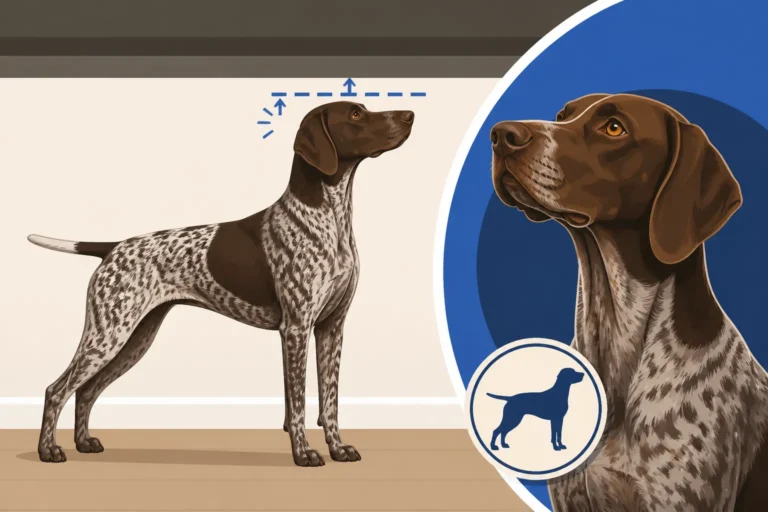
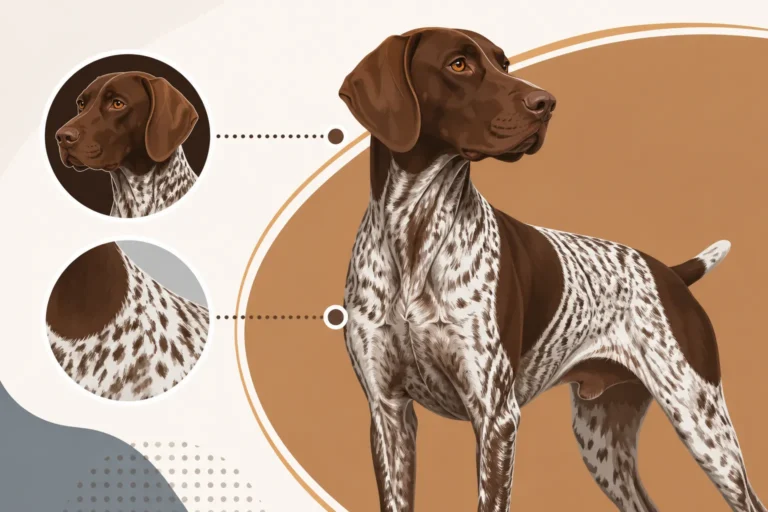
Their coats, while short, are dense and water-resistant, allowing them to push through tough cover and retrieve from icy waters. The webbed feet are another reminder of their engineered versatility, enabling them to transition seamlessly from land to water. The characteristic "ticking" or "roaning" on their coats often provides camouflage in varied environments. In essence, the modern GSP is a finely tuned machine, a perfect blend of power, pace, and purpose, directly descended from those calculated breeding decisions aimed at introducing speed. Their The Size and Build the Shorthair Standard Asks For directly reflects these functional requirements.
Living with a High-Octane Dog
This incredible athleticism and speed, while a boon in the field, comes with significant implications for German Shorthaired Pointer owners. These are not dogs content with a casual stroll around the block. They possess an innate drive to run, to hunt, and to expend energy. An under-exercised German Shorthaired Pointer can quickly become a destructive, anxious, or vocal household member. Their need for physical and mental stimulation is immense.
Owners often find they need to dedicate considerable time each day to exercise their GSP. This might mean long off-leash runs in safe areas, vigorous games of fetch, swimming, or running alongside a bike. For many, participation in dog sports like agility, flyball, or actual hunting activities is the only way to truly satisfy their Shorthair's deep-seated need to move and work. If you're wondering how much exercise they truly demand, take a look at The Two Hours a Day a German Shorthaired Pointer Needs.
Furthermore, supporting this high-octane lifestyle requires appropriate nutrition. Active Shorthairs burn a tremendous amount of calories, and their diet needs to reflect this. High-quality performance kibble, rich in protein and healthy fats, is often essential to maintain their energy levels and muscle mass. Many owners find that brands offering scientifically formulated diets for active dogs are beneficial. You might consider looking at the wide range of performance-oriented foods available at retailers like Chewy, which cater to the specific needs of highly active breeds, ensuring they get the sustained energy required for their athletic endeavors. Proper hydration, often supplemented with electrolytes during intense activity, is also critical. Discussing these dietary needs with a veterinarian or a canine nutritionist is always a smart move. When considering their diet, it’s vital to understand Feeding a Dog That Burns What a Shorthair Burns.
The drive for speed, originally cultivated in German breeding kennels and refined over generations with the help of English Pointer blood and rigorous testing, has resulted in a magnificent, high-energy companion. It's a breed that truly embodies the spirit of the chase, making them an unparalleled partner for the active individual or family ready to embrace their dynamic nature.
Disclaimer
This article is for general informational purposes only and does not constitute professional advice. Laws, prices and regulations vary by location and change over time. Consult a qualified professional for guidance on your specific situation.