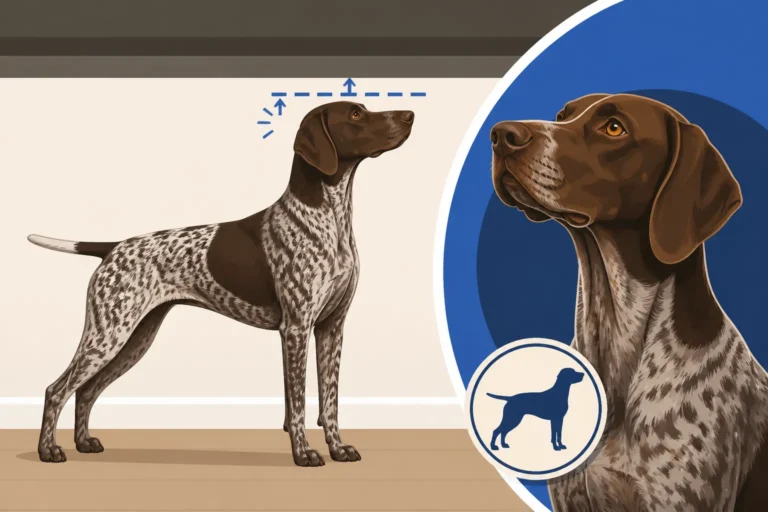
Whether Blue Eyes Appear in German Shorthaired Pointers
It's quite common for new German Shorthaired Pointer owners, or those just admiring these incredible dogs, to wonder about their eye color. Specifically, the question of whether blue eyes can appear in a GSP often pops up, sometimes after seeing a puppy with startlingly bright eyes, or a striking-looking mixed breed. This guide will clarify the accepted standards for eye color in purebred German Shorthaired Pointers, delve into the genetics behind it, and explain what it means if you encounter a GSP with blue eyes.
The German Shorthaired Pointer Breed Standard and Eye Color Expectations
When you're talking about purebred German Shorthaired Pointers, everything about their appearance, from their lean muscle to their coat pattern, is defined by a breed standard. This isn't just about what looks pretty; it's about preserving the traits that make a GSP an exceptional hunting dog and a distinct breed. Eye color is definitely one of those defining characteristics.
What the Breed Standard Dictates for GSP Eye Color
For German Shorthaired Pointers, the breed standard is quite specific when it comes to eye color. Reputable kennel clubs around the world, including the American Kennel Club (AKC), uniformly describe the ideal eye color as dark brown, amber, or hazel. The general consensus is that the darker the eye, the better, as this is often seen as correlating with good overall pigmentation. These rich, deep eye colors are an integral part of the GSP's intelligent, alert, and friendly expression. A deviation from these expected colors, especially anything lighter or, most notably, blue, is considered a fault.
This isn't an arbitrary rule. The standards are developed to ensure the continuation of a breed's unique characteristics, both aesthetically and functionally. For a GSP, which is bred to work in diverse and often challenging outdoor environments, certain physical traits contribute directly to its working ability. The deep, warm eyes contribute to the dog's overall look, which has been carefully cultivated over generations.
Think of it this way: when you see a GSP, you expect a certain look, a certain demeanor. The dark, expressive eyes are a big part of that. If a dog's eyes fall outside this accepted range, it simply means it doesn't align with the detailed blueprint that defines the breed. It's a key identifier for what makes a German Shorthaired Pointer, well, a German Shorthaired Pointer.
Why Dark Eyes are Preferred in the Breed
The preference for dark eyes in German Shorthaired Pointers is more than just a matter of tradition or show ring aesthetics; it's steeped in practical considerations for a working gun dog. Darker eyes, with their higher pigment concentration, are believed to offer superior protection against harsh sunlight and glare. Imagine a GSP quartering a field under a bright, cloudless sky, or retrieving a duck from a shimmering lake. Light-colored eyes can be more sensitive to intense light, potentially causing discomfort or even temporary impairment of vision in such conditions.
Furthermore, strong, dark eye pigmentation often signifies robust overall pigmentation throughout the dog's body, including the nose, lips, and paw pads. This comprehensive pigmentation is generally seen as a marker of good health and proper genetic expression within the breed. Lighter eyes can sometimes indicate a more dilute genetic makeup, which might be linked to other subtle issues in some breeds, though not typically a major health concern in GSPs.
For a dog that relies so heavily on its sight to spot birds, track game, and navigate varied terrain, optimal vision without constant squinting is paramount. Every physical trait in a working breed like the GSP has a purpose, and the characteristic dark eyes are a perfect example of form meeting function in the field. This deep, rich eye color allows them to maintain focus and comfort, making them more effective and persistent hunting partners.
The Reality of Blue Eyes in German Shorthaired Pointers
The idea of a blue-eyed German Shorthaired Pointer can be captivating, and it does come up from time to time. However, the reality of blue eyes in this specific breed is usually tied to developmental stages or other factors that diverge from the purebred standard.
Blue Eyes in Puppies vs. Adults
If you've ever seen a litter of GSP puppies, you might have noticed some with absolutely stunning blue eyes. This is a genuinely common and entirely normal occurrence in many dog breeds, including German Shorthaired Pointers. Puppies, much like human infants, are often born with eyes that appear blue because the melanin (pigment) in their iris hasn't fully developed yet. It's a temporary phase, and these "puppy blues" are almost certainly going to change.
Typically, as a GSP puppy matures, usually between 8 to 16 weeks of age, the true, permanent adult eye color will begin to emerge. You’ll see the blue gradually fade, transitioning into the expected shades of brown, amber, or hazel. Sometimes one eye might change before the other, giving a temporary, asymmetrical look. By about four months old, you should have a very good idea of what your GSP's adult eye color will be. If the eyes remain a vivid blue well past this stage, it's an indication that something else is at play, moving beyond typical puppy development.
So, while those baby blue eyes are undeniably adorable, they're generally not a permanent fixture for a purebred German Shorthaired Pointer. Enjoy them while they last, as they are a fleeting part of puppyhood before their eyes settle into the rich, intelligent hues characteristic of the breed.
When Blue Eyes Might Persist (and What It Means)
While puppy blue eyes are a charming, transient phase for most GSPs, there are rare instances where blue eyes might persist into adulthood. When this happens in a dog that is represented as a purebred German Shorthaired Pointer, it's considered a significant deviation from the breed standard. In conformation shows, this would be deemed a serious fault, often leading to disqualification, and would typically prevent a dog from being part of a responsible breeding program focused on producing standard-conforming offspring.
The presence of persistent blue eyes in a purebred GSP can sometimes indicate a very rare genetic anomaly, such as a strong dilution gene that isn't typically seen or desired in the breed. In some cases, it could also point to a "china eye" (a very pale blue or whitish eye), which is explicitly listed as a fault in the breed standard What a China Eye Is on a German Shorthaired Pointer. While these instances are uncommon for purebred GSPs, they do happen, and it's important for owners and breeders to understand their significance within the context of the breed.
More often than not, if an adult dog strongly resembling a GSP has bright blue eyes, it’s actually a clue that the dog has a mixed heritage. Many other breeds carry genes for blue eyes, and if a GSP is crossed with one of them, the blue eye trait can certainly be passed down. Regardless of the cause, a blue-eyed GSP is unique. While it may not fit the show ring criteria, it can still be an incredibly healthy and loving companion. However, for a purebred, it’s a trait that marks a departure from the established and desired characteristics of the breed.
Blue Eyes in German Shorthaired Pointer Mixes
This is where blue eyes in a "GSP-looking" dog become much more common. If you encounter a dog that possesses many of the hallmark GSP traits – the energetic personality, the distinctive coat, the athletic build – but sports brilliant blue eyes, the most probable explanation is that it's a mixed breed. Many popular breeds, such as Siberian Huskies, Australian Shepherds, Border Collies, or even certain Pit Bull types, carry the genetic predisposition for blue eyes. When a German Shorthaired Pointer is bred with one of these breeds, the resulting offspring can easily inherit the blue eye trait from the non-GSP parent.
These GSP mixes can be truly stunning animals, combining the best traits of both parent breeds. A "GSP Aussie mix," for instance, might have the GSP's drive and loyalty blended with the Aussie's striking blue eyes and intelligence. They can be just as affectionate, trainable, and active as a purebred GSP, often making fantastic family pets or working companions in various dog sports.
For mixed-breed dogs, there are no strict breed standards to adhere to, so the presence of blue eyes is simply part of their unique charm. It doesn't indicate a fault, but rather a beautiful genetic blending. If you're curious about a dog's heritage, especially one with a striking and unusual appearance, a canine DNA test can often provide insights into its exact genetic makeup, confirming if those blue eyes come from a specific non-GSP lineage. Regardless of their genetic blueprint, these mixed-breed dogs deserve all the love and care, and often offer a delightful combination of characteristics.
The Implications of Non-Standard Eye Color
While a dog with blue eyes is beautiful, if it's a German Shorthaired Pointer, it can carry certain implications depending on your goals for the dog. For a pet owner, it might simply be a unique aesthetic. For those in the world of showing or breeding, the considerations are different.
Impact on Show and Breeding Prospects
For German Shorthaired Pointer owners who dream of the conformation ring, or for those dedicated to preserving and improving the breed through careful breeding, a non-standard eye color like persistent blue eyes carries significant weight. The breed standard is the blueprint for judging these dogs, and it explicitly calls for dark brown, amber, or hazel eyes. Any deviation, especially blue, is considered a fault, and a serious one at that. In the show ring, a GSP with blue eyes would likely be penalized or even disqualified, preventing them from earning championship titles.
From a responsible breeding standpoint, the goal is to produce dogs that closely adhere to the breed standard, are genetically healthy, and possess the desired temperament and working ability. Breeding a dog with a disqualifying fault, such as persistent blue eyes, is generally avoided because it means perpetuating a trait that is considered undesirable by the standard. This practice helps maintain the genetic integrity and consistency of the German Shorthaired Pointer breed for future generations. Breeders invest heavily in health clearances, ensuring their dogs' eyes are sound, often referring to checks like The ACVO Eye Exam a Shorthair Needs Each Year before considering a dog for breeding.
It's crucial to understand that this doesn't diminish the individual dog's worth. A GSP with blue eyes can be a fantastic, loving pet. However, for the specific purposes of breeding and showing, these traits are important markers that guide decisions on selection. Responsible breeders are meticulous about every detail, from temperament to physical conformation, all to ensure the continued excellence of the breed.
Health Considerations (Rare Cases)
It's natural to wonder if unusual physical traits, like non-standard eye colors, carry any health implications. For German Shorthaired Pointers, while persistent blue eyes are a cosmetic fault within the breed standard, they are generally not associated with widespread health problems that commonly plague other blue-eyed breeds. For example, in some breeds with the merle gene, blue eyes can be linked to deafness or other ocular defects. However, the GSP typically doesn't carry the merle gene, so these specific associations are not generally applicable.
That being said, any significant deviation from a breed's established norms warrants a closer look from a veterinary professional. In extremely rare instances, a truly unusual eye color might be indicative of a specific, but uncommon, genetic condition or syndrome. For example, a "china eye," which is a very pale blue or white eye, could potentially be observed alongside other dilute pigment issues. If you notice any changes in your GSP's eye appearance, or if a blue eye persists unexpectedly, it's always a good idea to consult your veterinarian. They can conduct a thorough eye examination to rule out any underlying health concerns and ensure your dog's vision is healthy.
While typically a blue-eyed GSP is healthy, especially if it's a mix, vigilance is key. It's about being proactive in your pet's care. Comprehensive health testing, including eye clearances, is a standard practice for responsible GSP breeders to ensure the overall well-being of their lines. Understanding documents like Reading a German Shorthaired Pointer's Eye Certificate can help you make informed choices about your dog's health history.
Embracing Uniqueness in Companion Animals
While breed standards are vital for preserving the characteristics of purebred dogs, it's important to remember that for most of us, our dogs are first and foremost beloved companions. If you have a German Shorthaired Pointer with blue eyes, whether it's a rare genetic variation in a purebred or a charming trait from a mixed heritage, it doesn't make them any less of a wonderful dog. Their blue eyes simply make them unique, a conversation starter, and often, even more endearing to their families.
The core qualities of a GSP – their boundless energy, sharp intelligence, unwavering loyalty, and affectionate nature – are what truly define them as pets. These traits are independent of eye color. A blue-eyed GSP will still want to run, hunt (if trained), play fetch, and snuggle on the couch with the same intensity as any other GSP. Their ability to excel in dog sports, be a dedicated running partner, or simply bring joy to a family home is not dictated by the hue of their irises.
What truly matters is providing a loving home, plenty of exercise, consistent training, and good nutrition. For instance, ensuring your high-energy GSP has appropriate bedding and enrichment items, perhaps from a trusted pet supply retailer like Chewy, is far more critical to their daily happiness and well-being than their eye color. Embracing your dog's individuality, including any unique physical traits, deepens the bond you share. Ultimately, it’s their health, temperament, and the joy they bring that truly count.
Understanding GSP Pigmentation and Genetics
To fully grasp why blue eyes are not standard in German Shorthaired Pointers, it helps to understand a bit about canine genetics and how eye and coat colors are determined. It's a fascinating subject that explains a lot about the diversity we see in dogs.
The Genetics Behind GSP Eye Color
The eye color in dogs is primarily controlled by several genes that regulate the amount and type of melanin (pigment) produced in the iris. For German Shorthaired Pointers, the dominant genes at play typically lead to the production of rich, dark pigments, resulting in brown, amber, or hazel eyes. The "B" locus gene, for example, is particularly important. A dog with two 'b' (recessive) alleles at this locus will be liver-colored and have brown eyes, while a dog with at least one 'B' (dominant) allele will be black-pigmented and typically have darker brown eyes. Since GSPs are primarily liver or black (or combinations thereof, like liver roan, liver ticked, black ticked, etc.), their eye colors align with these pigmentations.
Blue eyes in dogs are usually caused by specific genetic factors that are either not present or are actively selected against in the GSP breed. The merle gene, which often causes blue eyes in breeds like Australian Shepherds and Collies, is not part of the standard GSP genetic makeup. Similarly, extreme white spotting genes that can sometimes lead to blue eyes (and sometimes deafness) in breeds like Dalmatians are not characteristic of the GSP. Therefore, if a purebred GSP puppy retains blue eyes into adulthood, it suggests a very rare and likely undesirable genetic deviation from the breed's established genetic lines.
Breeders who are committed to the health and integrity of the German Shorthaired Pointer understand these genetic nuances. They make informed breeding choices to ensure the puppies they produce will conform to the breed standard, not just in temperament and physical structure (which you can learn more about in The Size and Build the Shorthair Standard Asks For), but also in subtle details like eye and nose pigmentation.
Common Eye Colors in the Breed
When you picture a purebred German Shorthaired Pointer, you're likely envisioning those deep, expressive eyes that are a hallmark of the breed. The most common and highly desired eye colors in GSPs range from a profound dark brown to a warm, rich amber, and sometimes a striking hazel. These colors beautifully complement their coat, which is predominantly liver, or liver and white, though black and white patterns are also accepted.
For a GSP with a liver-colored coat, the eyes typically harmonize with shades of deep amber or brown, creating a cohesive and intense look. Dogs with black pigmentation (though less historically common, now recognized) will tend to have even darker brown eyes, sometimes appearing almost black. This uniformity in eye color is a testament to generations of selective breeding, where breeders focused on developing a dog with a consistent appearance and dependable working traits.
These aren't just pretty colors; they're part of the overall picture of a healthy, well-bred German Shorthaired Pointer. The depth of color in their eyes contributes to that intelligent, focused gaze that makes them so effective in the field and so captivating as companions. This consistent look is what sets a GSP apart and makes them instantly recognizable to enthusiasts.
Recognizing Pigment-Related Faults
Beyond simply knowing what the correct eye color is, it's helpful for German Shorthaired Pointer enthusiasts, especially those considering breeding or showing, to understand pigment-related faults. These faults indicate a departure from the breed standard and can sometimes signal underlying genetic variations. One prominent fault is the "china eye," which describes an iris that is pale blue, white, or displays a distinct white ring. This is considered a serious deviation from the desired dark, rich eye color. Similarly, "light eyes"—eyes that are too pale, perhaps a washed-out yellow or light green—are also considered a fault, even if not explicitly blue.
Pigmentation concerns aren't limited to the eyes. The nose and lips are also critical indicators. A GSP's nose should be solid liver or black, matching the dog's base coat color. A "flesh-colored" nose, often referred to as a "Dudley nose," or one with pink spotting (a "butterfly nose"), is a disqualifying fault, as it signifies insufficient pigmentation. The lips should also be darkly pigmented. These pigment standards are interconnected; a dog with strong, correct eye color typically exhibits appropriate pigmentation in its nose and lips as well. More information on these specific breed deviations can be found in The Eye and Nose Faults That Disqualify a Shorthair.
Understanding these faults helps maintain the breed's distinct characteristics and health. While a dog with a minor pigment fault can still be an incredible pet, for those involved in preserving the breed's standards, these details are crucial. They guide careful breeding practices and ensure the German Shorthaired Pointer continues to embody the robust, functional, and visually striking qualities for which it is known.
Table: German Shorthaired Pointer Eye Color at Different Life Stages
| Life Stage | Typical Eye Color | Significance | Breed Standard Conformance |
|---|---|---|---|
| Newborn Puppy | Blue | Normal developmental stage; pigment still developing. | Not applicable yet |
| 8-16 Weeks Old | Transitioning from blue to brown/amber | Pigment is developing; monitor for changes. | Developing |
| Adult (4+ months) | Dark Brown, Amber, Hazel | Standard and desired eye colors for the breed. | Conforms |
| Adult (Rare) | Persistent Blue, China Eye, Very Light Eye | Serious fault; may indicate mixed breed or genetic anomaly. | Disqualifying fault |
So, while a German Shorthaired Pointer puppy might briefly sport charming blue eyes, the expectation is that they will mature into the deep, intelligent browns and ambers that are characteristic of the breed. These standard colors are not just about aesthetics; they are part of the GSP's identity as a robust and functional hunting dog.
Disclaimer
This article is for general informational purposes only and does not constitute professional advice. Laws, prices and regulations vary by location and change over time. Consult a qualified professional for guidance on your specific situation.