The Vaccines a Hunting Shorthair Needs Beyond the Core
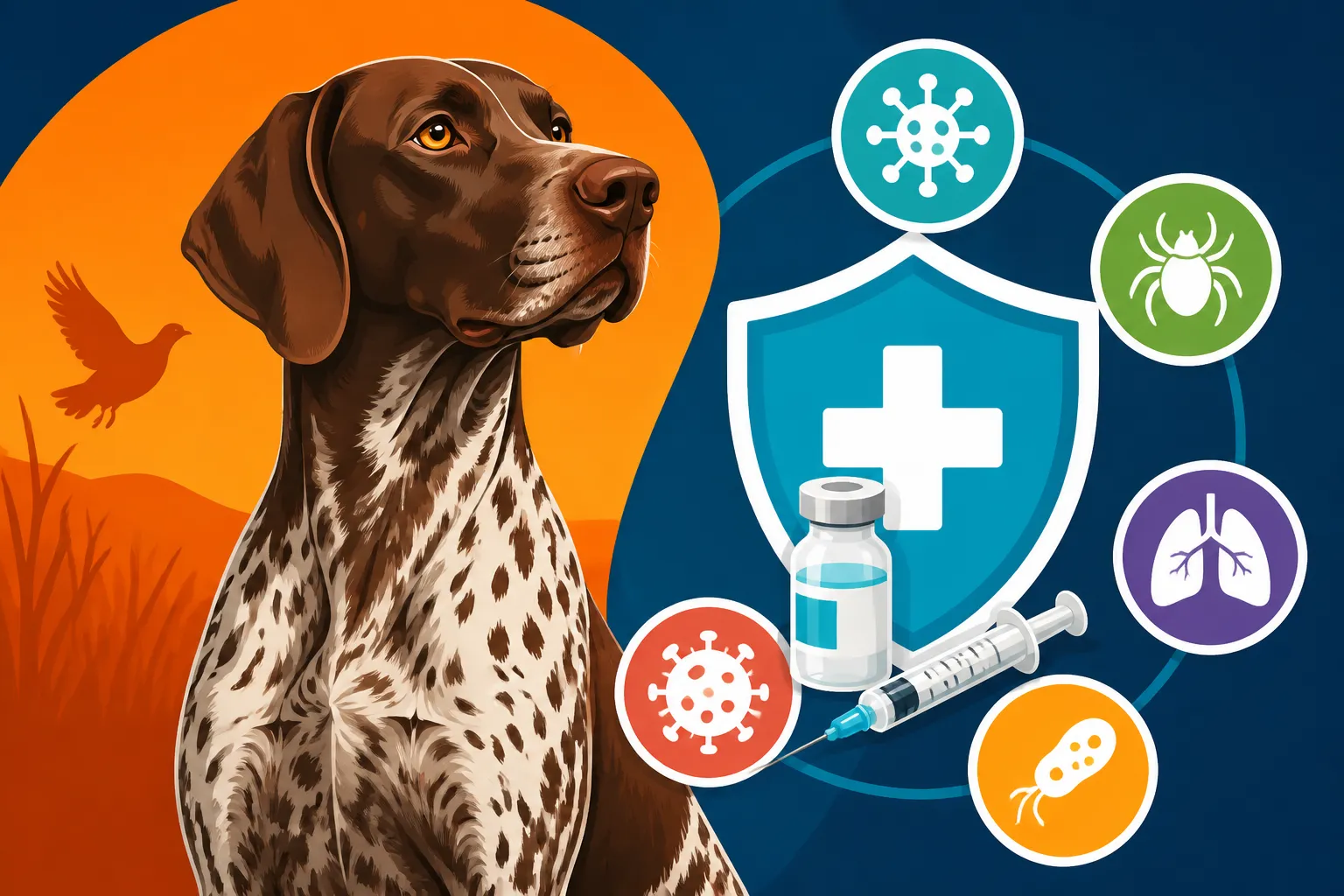
When you have a German Shorthaired Pointer that lives for the field, the woods, and the water, you know that keeping them healthy isn't just about the basic shots. Our energetic companions dive headfirst into environments teeming with risks far beyond the everyday dog park. This guide delves into the crucial non-core vaccines that can offer vital protection for your hunting shorthair, helping you navigate the unique challenges of their adventurous lifestyle.
Why Hunting Dogs Need Specialized Protection
Your German Shorthaired Pointer isn't your average couch potato. They're bred for endurance, for crashing through cover, for splashing through ponds, and for relentless pursuit. This incredible drive, while defining their breed, also exposes them to a whole host of pathogens and parasites that pet dogs living a more sedentary life might never encounter. It's a truth every hunting dog owner faces: their passion comes with elevated risks.
Understanding Core Versus Non-Core Vaccines
The world of canine vaccinations can feel a bit like a maze, especially with all the different recommendations out there. It's important to differentiate between what's considered "core" and what falls into the "non-core" category, particularly when discussing a highly active, outdoor-oriented breed like the German Shorthaired Pointer. Core vaccines are those recommended for all dogs, regardless of lifestyle or geographic location, because the diseases they protect against are widespread, severe, or highly contagious. Think distemper, parvovirus, adenovirus, and rabies – these are non-negotiable for almost every dog.
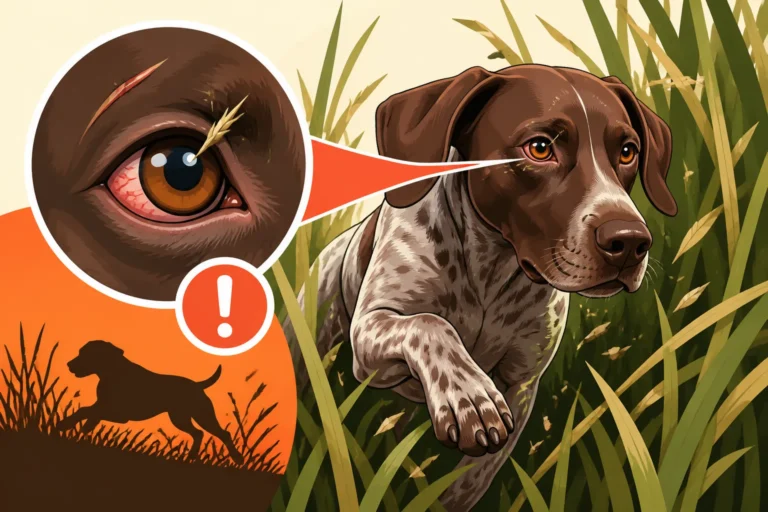
Non-core vaccines, however, are where the personalized approach really comes into play. These are optional vaccinations given depending on your dog's exposure risk, geographical location, and specific lifestyle. For a hunting shorthair, "optional" often feels more like "highly recommended" or even "essential" when considering the environments they frequent. We're talking about vaccines that protect against diseases found in stagnant water, carried by ticks in dense brush, or spread rapidly in communal dog environments. Ignoring these can leave your dedicated companion vulnerable to serious, even life-threatening, illnesses that could cut short their hunting career, or worse. Just like you'd meticulously check your dog for foxtails and grass awns in a hunting shorthair after a long day in the field, you need to be just as diligent about preventative health measures like non-core vaccinations.
The Increased Environmental Exposure of a Field Dog
Think about a typical day in the life of your hunting German Shorthaired Pointer. They're not just walking on pavement; they're plunging through swamps, pushing through tall prairie grasses, scenting through dense woodlands, and probably taking a refreshing dip in a murky pond or stream. Each of these activities, while natural and fulfilling for your dog, brings them into close contact with wildlife, contaminated water sources, and an army of disease-carrying insects.
Small mammals, rodents, deer, and even other dogs are all potential carriers of various diseases that can be transmitted directly or indirectly to your shorthair. Consider the shared training grounds, field trial sites, or kennels where multiple dogs from different areas congregate. These are prime breeding grounds for highly contagious respiratory illnesses. Ponds and puddles, especially after a heavy rain or during warmer months, become veritable petri dishes for bacteria like Leptospira. And those thick, brushy areas where birds hide? They're also favorite haunts for ticks carrying Lyme disease. The very essence of what makes a GSP a magnificent hunting dog—their drive to explore and their fearlessness in diverse terrains—is also what puts them at a higher risk for encountering these pathogens. It's crucial to acknowledge this elevated exposure and provide the preventative care that matches their adventurous spirit.
Leptospirosis: The Silent Threat From Water
Leptospirosis is one of those diseases that every owner of a water-loving, field-ranging German Shorthaired Pointer needs to take seriously. It's a bacterial disease that can affect both animals and humans, making it a zoonotic concern. For our active shorthairs, it's a particular danger because the bacteria, Leptospira, thrive in moist environments, especially standing water, puddles, and slow-moving streams contaminated by the urine of infected wildlife.
What Leptospirosis Is and How GSPs Get It
Leptospirosis is caused by spiral-shaped bacteria, known as spirochetes, which are shed in the urine of infected animals. Wild animals like raccoons, opossums, skunks, deer, and rodents are common carriers. When your German Shorthaired Pointer drinks from a puddle, a marshy area, or even swims in a pond where these animals have urinated, they can easily become infected. The bacteria can also enter through abrasions on the skin or mucous membranes. Given how often our shorthairs are nose-to-the-ground, exploring every scent, and often taking an opportunistic sip from any available water source, their risk is significantly higher than that of a suburban dog that primarily drinks filtered water from a bowl indoors.
Once infected, the bacteria can lead to serious organ damage, particularly affecting the kidneys and liver. Symptoms can vary widely, from mild flu-like signs such as fever, lethargy, muscle tenderness, and vomiting, to more severe complications like acute kidney failure, liver failure, and jaundice. It can progress rapidly, and without prompt, aggressive treatment, it can be fatal. The insidious nature of the disease, often mimicking other common illnesses in its early stages, makes swift diagnosis a challenge. This is why prevention is so paramount for our dedicated hunting partners. The idea of your beloved dog suffering from something picked up innocently from a water source really drives home the need for vigilance.
The Leptospirosis Vaccine Efficacy and Schedule
Fortunately, there's a vaccine available that can provide significant protection against Leptospirosis. This vaccine typically targets the most common serovars (types) of Leptospira bacteria that cause disease in dogs. It's not a single dose and done; puppies usually receive an initial series of two vaccinations, given about 3-4 weeks apart, followed by annual boosters. It's a crucial part of The Vet Schedule a Working Shorthair Should Keep.
While no vaccine offers 100% guaranteed protection against every single strain of a fast-evolving bacteria, the Leptospirosis vaccine greatly reduces the severity of the disease and the likelihood of infection. For a German Shorthaired Pointer that regularly hunts or trains in marshy areas, near farms, or in places with abundant wildlife, this vaccine is almost universally recommended by veterinarians. Some owners express concerns about vaccine reactions, but for Lepto, the benefits of protection against a potentially deadly disease, and one that can jump to humans, almost always outweigh the relatively low risks of a mild, temporary reaction. Discussing the specific serovars covered by your vet's chosen vaccine and the prevalence in your local area can help you make an informed decision, but generally, for a hunting shorthair, this is a non-negotiable addition to their preventative healthcare regimen.
Lyme Disease: The Tick-Borne Menace
Ticks are the bane of every outdoor enthusiast, and for a German Shorthaired Pointer, they're not just an itchy nuisance; they're carriers of serious diseases like Lyme. While daily tick checks are a must after every outing—and you should definitely be Checking a German Shorthaired Pointer Over After a Hunt—vaccination provides an additional layer of defense against this pervasive threat.
Understanding Lyme Disease Risk for Active Dogs
Lyme disease, caused by the bacterium Borrelia burgdorferi, is transmitted through the bite of infected blacklegged ticks (also known as deer ticks). These tiny arachnids are prevalent in wooded areas, tall grasses, and bushy environments—precisely the kind of habitat your German Shorthaired Pointer loves to explore. Regions like the Northeast, Upper Midwest, and parts of the Pacific Northwest are particularly high-risk areas, but ticks carrying Lyme are expanding their territory across the country.
When an infected tick attaches to your dog, it needs to feed for at least 24-48 hours to transmit the bacteria. This is why prompt tick removal is so important. However, with a thick coat and a dog that's constantly moving, it's incredibly easy to miss a tick, allowing it enough time to transmit disease. Symptoms of Lyme disease in dogs can include lameness (often shifting from leg to leg), swollen joints, fever, lethargy, and a decreased appetite. In more severe, though less common, cases, it can lead to kidney failure. The chronic, often subtle nature of the lameness can be tricky to diagnose, and treatment often requires long courses of antibiotics. Given how much our shorthairs rely on their joints and stamina, any disease that impacts their mobility is a major concern.
The Lyme Vaccine and Prevention Strategies
The Lyme disease vaccine works by helping your dog's immune system produce antibodies against the Borrelia bacteria. If an infected tick bites a vaccinated dog, these antibodies can neutralize the bacteria, preventing or reducing the severity of infection. Like the Leptospirosis vaccine, the Lyme vaccine typically involves an initial series of two doses, 2-4 weeks apart, followed by annual boosters, usually given before tick season peaks.
It's important to understand that the Lyme vaccine is a tool, not a complete shield. It works best when combined with other preventative strategies. Consistent use of veterinarian-recommended tick preventatives (collars, topical treatments, or oral medications) is non-negotiable. Checking your shorthair meticulously for ticks after every outdoor excursion, especially after running through tall cover, is paramount. Pay close attention to areas like ears, armpits, groin, and between the toes. Even with these measures, a vaccine provides crucial backup, especially for a dog that spends so much time in tick-infested habitats. For a dedicated hunter, the combination of vaccination and robust tick control is the best defense against this prevalent and debilitating disease.
Canine Influenza: A Highly Contagious Risk
While perhaps not immediately thought of as a "hunting dog" specific vaccine, Canine Influenza Virus (CIV) is a significant consideration for any German Shorthaired Pointer that interacts with other dogs, especially in communal settings. This includes dog parks, training classes, boarding kennels, and critically, field trials, hunt tests, and even group hunts where multiple dogs from different regions might converge.
Understanding Transmission and Symptoms
Canine Influenza is a highly contagious respiratory disease in dogs, caused by specific strains of the influenza A virus (H3N8 and H3N2 being the most common). It spreads very easily through direct contact between dogs (nose-to-nose greetings), through aerosolized respiratory secretions (coughing, sneezing), and even indirectly through contaminated objects like food bowls, leashes, or the hands and clothing of people who have handled an infected dog. The virus can live on surfaces for up to 48 hours, on clothing for 24 hours, and on hands for 12 hours.
The scary part for hunting dog owners is that many of our social activities inadvertently become high-risk transmission zones. A weekend at a NAVHDA test, an overnight stay at a kennel before a hunt, or even a brief stop at a rest area with other dogs can expose your shorthair. Symptoms typically include a persistent cough (often mistaken for kennel cough), runny nose, fever, lethargy, and a decreased appetite. While many dogs experience a mild form of the disease, some can develop severe pneumonia, which can be life-threatening. The virus also has a long incubation period, meaning a dog can be shedding the virus and infecting others before showing any signs themselves.
Vaccine Details and Who Should Consider It
There are vaccines available for both the H3N8 and H3N2 strains of Canine Influenza. For optimal protection, dogs typically receive an initial series of two doses, 2-4 weeks apart, followed by annual boosters. It's important to remember that while the vaccine might not prevent infection entirely in all cases, it significantly reduces the severity and duration of symptoms, and can decrease the amount of virus shedding, thus limiting further spread.
For German Shorthaired Pointers that are frequently boarded, attend dog daycare, participate in dog sports, visit dog parks, or most relevantly, compete in field trials or hunt tests where they'll be in close contact with many other dogs, the CIV vaccine is a strong recommendation. If your hunting plans involve traveling to different states or regions for birds, where your dog might encounter diverse dog populations, this vaccine becomes even more critical. Consider it an important part of safeguarding your dog's health, particularly if you rely on the services of a professional trainer who works with many dogs, or if your dog is regularly exposed to new canine companions. It's another layer of defense that pet insurance providers like Healthy Paws would encourage as part of a comprehensive wellness strategy.
Rattlesnake Vaccine: A Regional Consideration
Few things strike more fear into a hunting dog owner's heart than the thought of their beloved companion encountering a venomous snake. Rattlesnakes are a very real threat in many parts of the country, and for a German Shorthaired Pointer, whose job often puts them nose-to-the-ground in areas where snakes might be lurking, the risk is elevated. While no vaccine is a magic bullet, the rattlesnake vaccine offers a critical advantage.
How the Rattlesnake Vaccine Works and Its Limitations
The rattlesnake vaccine, specifically formulated against the venom of Western Diamondback Rattlesnakes, helps a dog's immune system produce antibodies to neutralize some components of the venom. While it doesn't make your dog immune to snake bites, it can significantly reduce the severity of the reaction if a bite occurs. This can buy you crucial time to get your dog to veterinary care, lessen the tissue damage, and potentially reduce the amount of antivenin required for treatment.
It's absolutely vital to understand its limitations:
- Not 100% Protection: It's not a guarantee against a bite, nor does it eliminate the need for immediate veterinary attention. A bitten dog, even if vaccinated, is still a medical emergency.
- Specific Venom: It's primarily effective against Western Diamondback Rattlesnake venom. While it may offer some cross-protection against other rattlesnake species, its efficacy against all regional snake venoms (e.g., Eastern Diamondback, Mojave, cottonmouth, copperhead) is not fully established or guaranteed.
- Vaccine Schedule: Typically, an initial dose is followed by a booster 2-4 weeks later, then annual boosters. For dogs in very high-risk areas, veterinarians may recommend more frequent boosters, sometimes every six months.
The vaccine provides a window of opportunity, allowing you to react more calmly and get your dog to a clinic, hopefully with less severe initial symptoms. This can be particularly reassuring when you're hunting in remote areas where immediate veterinary access might be hours away. The vaccine can be a vital component alongside Snake Bites and a German Shorthaired Pointer awareness and training.
Determining if Your Shorthair Needs the Rattlesnake Vaccine
Deciding whether your German Shorthaired Pointer needs the rattlesnake vaccine boils down to geography and exposure risk. If you live or regularly hunt in regions where rattlesnakes are common, it's a strong consideration. This includes much of the American West, Southwest, and certain prairie and woodland areas throughout the country.
Consult with your local veterinarian to understand the prevalence of rattlesnakes in your specific hunting grounds. They can advise you on the types of venomous snakes common in your area and whether the available vaccine offers relevant protection. For instance, if you hunt in an area predominantly populated by copperheads or cottonmouths, the rattlesnake vaccine might offer less benefit than in a region with numerous Western Diamondbacks. Many owners also opt for snake avoidance training for their hunting dogs, which can be an excellent complement to vaccination. While the vaccine doesn't prevent the encounter, it certainly lessens the potentially catastrophic impact, making it a valuable tool for any shorthair frequently exposed to snake country.
Other Situational Vaccines for the Active Shorthair
Beyond the big three (Lepto, Lyme, CIV), there are other non-core vaccines that might be relevant to your German Shorthaired Pointer, depending on their specific activities and living situation. These often target respiratory illnesses or diseases that are prevalent in specific, often transient, environments.
Bordetella: Kennel Cough Protection
Bordetella bronchiseptica is one of the primary causes of "kennel cough," a highly contagious respiratory illness. While often mild, it can be quite disruptive, causing a harsh, honking cough that can last for weeks. For a hunting shorthair, who might be boarded at a kennel before a trip, spend time at a professional trainer's facility, or attend events where many dogs gather, the risk of exposure is high.
There are several forms of the Bordetella vaccine: injectable, intranasal, and oral. The intranasal and oral forms often provide faster immunity. Most boarding facilities and many training programs require proof of Bordetella vaccination. Even if your dog isn't boarded frequently, if they participate in group training classes, dog shows, or any activity where they're in close quarters with other dogs, this vaccine is a sensible precaution. It's a key part of preventing your dog from picking up a nasty cough that could sideline them from hunting for weeks.
Weighing the Risks and Benefits of Additional Shots
When considering any non-core vaccine for your German Shorthaired Pointer, it's always a balance between the potential risk of exposure to the disease, the efficacy and safety of the vaccine, and your dog's individual health status. Your veterinarian is your best resource for making these personalized decisions. They can assess your dog's lifestyle, geographic location, travel habits, and any pre-existing health conditions to create a tailored vaccination plan.
It's also worth discussing the possibility of adverse reactions with your vet. While rare, any vaccine carries a small risk of side effects, ranging from mild soreness at the injection site or lethargy to more serious allergic reactions. However, for most hunting dogs, the benefits of protecting them from serious, potentially fatal diseases far outweigh these minimal risks. Investing in these additional protections means your shorthair can continue to enjoy their active life in the field, staying healthy and ready for whatever adventure comes next. This proactive approach to health can also potentially reduce unexpected veterinary bills, a concern that pet insurance options, like those from Healthy Paws, are designed to alleviate.
Table: Non-Core Vaccine Overview for German Shorthaired Pointers
| Vaccine | Primary Disease | GSP Risk Factors | Recommendation for Hunting Dogs | Key Notes |
|---|---|---|---|---|
| Leptospirosis | Bacterial | Exposure to standing water, wildlife urine | Highly Recommended | Zoonotic (can infect humans); multiple serovars; annual boosters. |
| Lyme Disease | Bacterial | Tick exposure in wooded/grassy areas | Highly Recommended in endemic regions | Best used with tick preventatives; initial series + annual boosters. |
| Canine Influenza | Viral | Exposure to other dogs (kennels, events, travel) | Recommended for social/traveling dogs | Reduces severity; covers H3N8 & H3N2; initial series + annual boosters. |
| Rattlesnake | Venomous Bite | Hunting in rattlesnake-prevalent regions | Recommended in high-risk areas | Reduces severity, not immunity; immediate vet care still critical. |
| Bordetella | Bacterial | Boarding, dog parks, group training | Recommended for dogs in communal settings | Oral/intranasal options often provide faster immunity. |
Disclaimer
The information provided in this guide is for general educational purposes only and should not be considered a substitute for professional veterinary advice. Always consult with a qualified veterinarian regarding your German Shorthaired Pointer's specific health needs and vaccination plan. Individual circumstances, geographical location, and current disease outbreaks can influence vaccination recommendations.